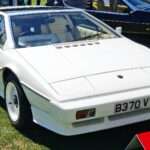
Proton Satria GTi
Mitsubishi power, Lotus-tuned handling and Recaro seats made this Malaysia-built hot hatch one of Britain’s most unexpected performance bargains.
Quick answer: The Proton Satria GTi reached Britain around 1999 with a 1.8-litre 16-valve engine producing about 133 bhp in UK form, a five-speed manual gearbox and a chassis developed with Lotus. It is now a genuine modern classic. Originality, rust, accident repairs and evidence of careful timing-belt and cooling-system maintenance are the key buying points.

Satria GTi history in the UK
The ordinary Satria evolved from the three-door member of Proton’s Mitsubishi-derived C90 family. The GTi transformed that sensible base with a stronger 1.8-litre engine, firmer suspension, purposeful bodywork and an interior centred on supportive Recaro seats. Proton officially launched the GTi in November 1998 and British sales followed around 1999.
Lotus engineering input was central to the pitch. Proton had acquired Lotus in 1996, and the British sports-car company helped tune suspension, steering and aerodynamics. Period road tests consistently praised the GTi’s damping, balance and willingness to change direction. At roughly £14,500 new it was not the cheapest hatchback, but it offered equipment and chassis ability that embarrassed better-known rivals.
Engine, performance and specifications
- Engine: 1,834cc Mitsubishi-derived 4G93P DOHC 16-valve four-cylinder
- UK output: approximately 133 bhp and 162 Nm
- Transmission: five-speed manual, front-wheel drive
- Kerb weight: about 1,115 kg
- Wheels and tyres: 16-inch alloys with 205/45 R16 tyres when standard
- Cabin: Recaro front seats, leather-trimmed steering wheel and GTi instruments
Brochure claims suggested a 0–60 mph time below eight seconds, but independent period testing was closer to the low-nine-second region. Straight-line pace is only part of the story: the steering, body control and composure on a rough British B-road are what made the car memorable.

What makes an original Satria GTi?
Look for the correct deep bumpers and side skirts, rear spoiler, GTi badging, 16-inch multi-spoke wheels and Recaro interior. Because these cars were affordable performance machines, many gained suspension kits, induction systems, exhausts, wheels or cosmetic changes. Sensible upgrades are not automatically bad, but originality has become valuable and missing factory parts are difficult to replace.
Proton Satria GTi buying guide
Engine and timing belt
Demand evidence of correct timing-belt and tensioner changes. Listen for tappet or bearing noise, check for oil leaks and confirm the engine pulls cleanly without smoke. Modified intake and exhaust systems can cause poor running if badly installed.
Cooling system
Inspect radiator, hoses, fans and expansion tank. Any history of overheating deserves caution because head-gasket repairs can be expensive relative to the car’s value. The temperature gauge should remain steady in traffic.
Rust and crash damage
Check sills, rear arches, floor, inner wings, suspension mounting points and the spare-wheel well. Compare panel gaps and paint shade carefully. A spirited past makes previous accident repair likely; examine chassis legs and the boot floor rather than relying on shiny paint.
Gearbox, clutch and differential
Second-gear synchro wear, clutch slip and noisy bearings can appear on hard-used cars. During a test drive, select every gear at both low and high revs and listen for knocks as power is applied or released.
Suspension and brakes
A standard GTi should feel supple as well as controlled. Crashes, tramlining or a harsh ride may indicate worn bushes, poor alignment or unsuitable modifications. Check brake discs, calipers, tyres and wheel condition.
Interior and electrics
Recaro bolsters wear and replacement fabric is scarce. Test windows, locking, air conditioning and instruments. Water ingress can damage carpets and electrical connectors.

Values, parts and ownership
The best cars are no longer disposable bargains. Low production, attrition and enthusiast demand have separated standard examples from tired projects. Routine Mitsubishi-related service items are often obtainable, but GTi-specific trim, bodywork, wheels and Recaro parts can require international searching. Specialist clubs and Lotus/Proton communities are invaluable.
Frequently asked questions
Did Lotus design the Proton Satria GTi?
Lotus did not create the entire car, but its engineers played a major role in chassis, suspension and aerodynamic development.
How much power does a UK Satria GTi have?
UK-emissions cars are generally quoted at about 133 bhp, slightly below some home-market figures.
Is it a future classic?
It has already entered modern-classic territory. Rarity, an engaging chassis and an unusual backstory give original cars lasting appeal.
Verdict
The Satria GTi is the Proton most likely to change a sceptic’s mind. It is entertaining without being crude, rare without being contrived and linked directly to Lotus at a fascinating moment in both companies’ histories.
Research basis: Proton corporate history, RAC and Hagerty UK archives, Classic Register technical data, period road tests and Wikimedia Commons records.