Proton Saga and Iswara
The Mitsubishi-derived saloon and Aeroback that introduced Proton to Britain—honest, inexpensive and now far rarer than its once-familiar reputation suggests.
Quick answer: Proton entered the UK in March 1989 with 1.3- and 1.5-litre saloons and Aerobacks derived from the first-generation Saga. The later Iswara facelift brought sharper styling and gradual equipment improvements. These are simple, durable classics, but corrosion and neglected maintenance matter far more than low purchase price.

How the Proton Saga reached the UK
Malaysia’s first national car was launched at home in July 1985, using proven Mitsubishi Lancer underpinnings. Proton appointed a British distributor in 1987, showed the car at the British International Motor Show in October 1988 and began UK sales on 16 March 1989. Official Proton records say the first 12-month British sales target was achieved in only six months.
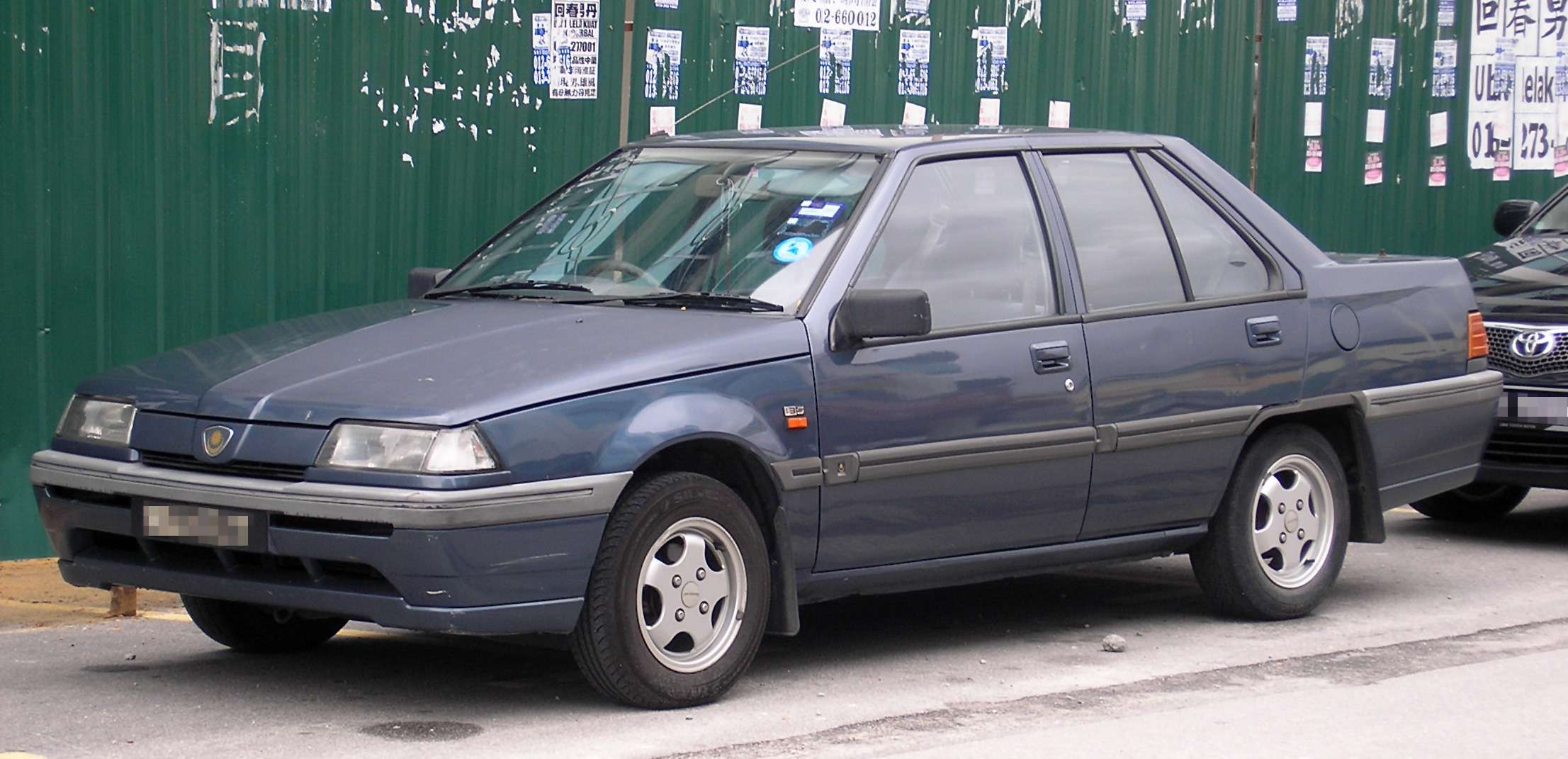
British cars were generally advertised simply as Protons by engine size rather than prominently using the Saga name. The range centred on four-door saloons and five-door Aerobacks, with 1.3- and 1.5-litre Mitsubishi-derived petrol engines. Low prices, generous standard equipment and a strong warranty made them conspicuous value during the early-1990s recession.
Saga, MPI and Iswara differences
Early UK cars have the square-edged original body and carburetted engines. Fuel-injected MPI versions improved starting and drivability. The 1992 Iswara facelift introduced a smoother nose, revised lamps, bumpers and cabin details while retaining the same robust mechanical base. Special editions were common; the UK-only Black Knight is the collector curiosity, with dark paint, graphics and a rear spoiler. Only 201 are widely reported to have been made.

Specifications and driving character
- Layout: front engine, front-wheel drive
- Engines: 1.3- and 1.5-litre four-cylinder petrol
- Gearboxes: five-speed manual; automatic available on selected versions
- Body styles: four-door saloon and five-door Aeroback
- Character: light controls, soft ride, modest performance and straightforward servicing
The attraction is not speed. A good car feels light, simple and refreshingly unfiltered, with excellent visibility and a useful hatchback option. Its Mitsubishi ancestry means the fundamentals are conventional and understandable.
Proton Saga and Iswara buying guide
Rust
Inspect sills, jacking points, rear arches, door bottoms, floor edges, boot floor and the suspension mounting areas. Lift carpets where possible and look for repairs hidden by fresh underseal. Corrosion is the main reason not to buy a cheap example.
Engine and cooling system
Cold starting should be clean and the temperature steady. Check for neglected coolant, radiator leaks, tired hoses, oil seepage and smoke after idling. Carburettor cars can suffer from poor setup or vacuum leaks; injected cars should idle evenly.
Transmission, steering and brakes
A manual gearbox should select cleanly without crunching. Listen for front wheel-bearing noise and driveshaft clicks on full lock. Uneven braking, seized rear components and perished suspension bushes are typical age-related faults.
Trim and electrics
Cabin plastics are durable but replacement trim is scarce. Test every switch, window, lock and instrument. Damp carpets may indicate screen, door-seal or heater-matrix leaks.

Parts and ownership in Britain
Routine filters, belts, brake parts and some Mitsubishi-related service items remain obtainable, but model-specific body panels, lamps, exterior trim and interior pieces require patience. Join owner groups before buying and favour the most complete car, not simply the cheapest. A sound, original example is easier to preserve than an incomplete restoration project.
Frequently asked questions
Was the Proton Saga officially sold in the UK?
Yes. The UK launch took place on 16 March 1989, although British marketing often emphasised Proton and engine size rather than the Saga badge.
Is the Proton Iswara the same car?
It is a substantial facelift of the original Saga platform, not a completely new model.
Which version is most collectible?
The rare Black Knight has the clearest special-edition appeal, but condition and originality are more important than trim level.
Verdict
The Saga and Iswara deserve recognition as the cars that established Proton in Britain. They are not conventionally glamorous, yet their simplicity, cultural significance and rapidly shrinking survival rate make good examples ideal Unexceptional-era classics.
Research basis: Proton corporate milestones and anniversary material, contemporary UK-market information, owner and model archives, and Wikimedia Commons vehicle records.