
Unusual Cars model guide
Lancia Beta Coupé, HPE and Spider
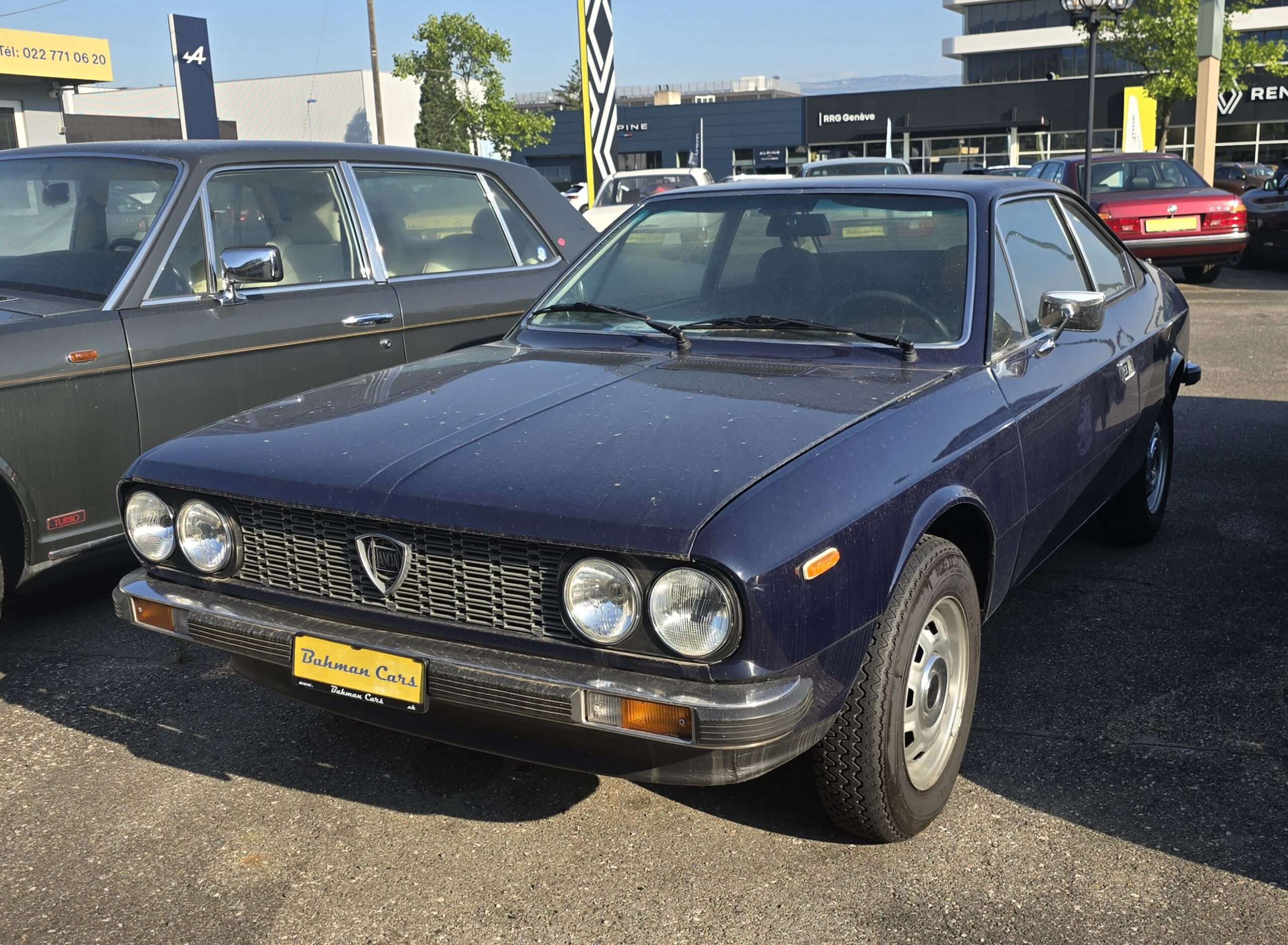
Three distinctive bodies, sophisticated front-wheel drive and one of the most misunderstood reputations in the classic-car world.

Quick answer: the Beta Coupé, HPE and Spider were the sporting branches of Lancia’s 1970s and early-1980s Beta family. All used a transverse twin-cam four-cylinder engine, five-speed gearbox, front-wheel drive, independent suspension and four-wheel disc brakes. The Coupé was the compact two-door, the HPE a longer shooting-brake-style fastback and the Spider a Pininfarina-designed, Zagato-built open car. Britain became Lancia’s largest export market, making these genuine UK-market classics rather than modern imports.
Why the sporting Beta matters
The Beta was Lancia’s first completely new range developed after Fiat acquired the company. That corporate connection supplied the basic twin-cam engine family, but the car’s chassis, suspension and character were distinctively Lancia. MacPherson struts were used at all four corners and the unusual rear arrangement combined transverse links with an anti-roll bar that also located the wheels fore and aft. Contemporary British road tests repeatedly praised the balance, ride and steering.
The Coupé arrived in the UK during 1974. Its short wheelbase and crisp in-house styling made it the keenest driver’s car. The HPE followed in 1975 on the saloon’s longer wheelbase, combining a large glazed tailgate and folding rear seats with a low sporting roofline. HPE officially meant High Performance Estate, although Lancia later preferred High Performance Executive. The Spider used a Coupé shell extensively reworked by Zagato, with a removable roof panel, folding rear hood and fixed central rollover structure.
UK versions at a glance
| Version | Character | UK-era highlights |
|---|---|---|
| Beta Coupé | Short-wheelbase 2+2 | 1600, 2000, later fuel injection and Volumex |
| Beta HPE | Sporting fastback estate | 1600/2000, 2000 IE and supercharged VX |
| Beta Spider | Targa-style open 2+2 | 1600 and 2000; production ended in 1982 |
Engines and development
Early cars used 1.6- and 1.8-litre versions of the Lampredi-designed twin-cam four. The two-litre replaced the 1.8 during the second-series period, while smaller-capacity versions served price-sensitive markets. The final major UK update arrived for 1982 with improved corrosion protection, revised trim, power steering on relevant models and Bosch fuel injection for the 2000 IE.

What is a Volumex?
The 1983 Volumex, usually abbreviated VX, used a belt-driven Roots-type supercharger on the two-litre engine. Unlike a period turbocharger it delivered boost without waiting for exhaust flow, producing strong low- and mid-range response. Coupé and HPE versions gained an offset bonnet bulge, spoilers, firmer springs and distinctive trim. Only 1,272 VX Coupés and 2,370 VX HPEs were built, so originality matters.
The corrosion controversy
The Beta’s reputation was damaged by a widely publicised corrosion buy-back involving early saloons. The sporting cars were not uniquely immune to rust, but the simplified story that every Beta dissolved immediately is misleading. These cars are now four decades old, and condition depends far more on storage, previous repairs and restoration quality than on folklore. Later cars received better protection, yet no surviving example should be bought without a structural inspection.
What to check before buying
- Structure: inspect sills, jacking points, floor edges, subframe mounts, suspension turrets, bulkhead seams and the rear of the shell. On Spiders, check the strengthened sill structures and roof apertures especially carefully.
- Engine: demand evidence of regular timing-belt changes. Listen for bottom-end or camshaft noise, check oil pressure hot and look for coolant contamination or overheating.
- Transmission: synchromesh wear, driveshaft vibration and tired engine mounts are more important than cosmetic perfection.
- Volumex: a correct supercharger should operate smoothly and quietly. Rebuilding is specialist work, so verify history rather than assuming a noisy unit only needs adjustment.
- Trim: model-specific lamps, brightwork, bumpers, glass and interior pieces can be more difficult to source than routine mechanical parts.
- Identity: compare chassis numbers, model codes and registration history. Some cars have acquired later spoilers, engines or VX appearance without being factory Volumex models.
Which Beta should you choose?
The Coupé is the purest sporting choice and the easiest shape to recognise. The HPE is rarer in daily-use condition and unusually practical, making it perhaps the most characterful all-rounder. The Spider gives open-air appeal but requires the most careful structural examination. A genuine Volumex is the collector’s prize, although a sound fuel-injected two-litre can be the easier car to use.
Verdict
A good sporting Beta feels lighter, more precise and more modern than its reputation suggests. Buy the strongest shell with the clearest history, not the cheapest project or the most impressive badge. Restoring structure and unique trim can exceed the value of the finished car, while a sorted example delivers exactly the mix of engineering curiosity, usability and rarity that makes a compelling unusual classic.
Research basis
This guide draws on Lancia and Stellantis heritage material, contemporary UK model chronology, the Lancia Motor Club and the Classic & Sports Car Beta buyer’s guide. Specifications varied by series and market; confirm the identity and equipment of an individual car from its documentation.
