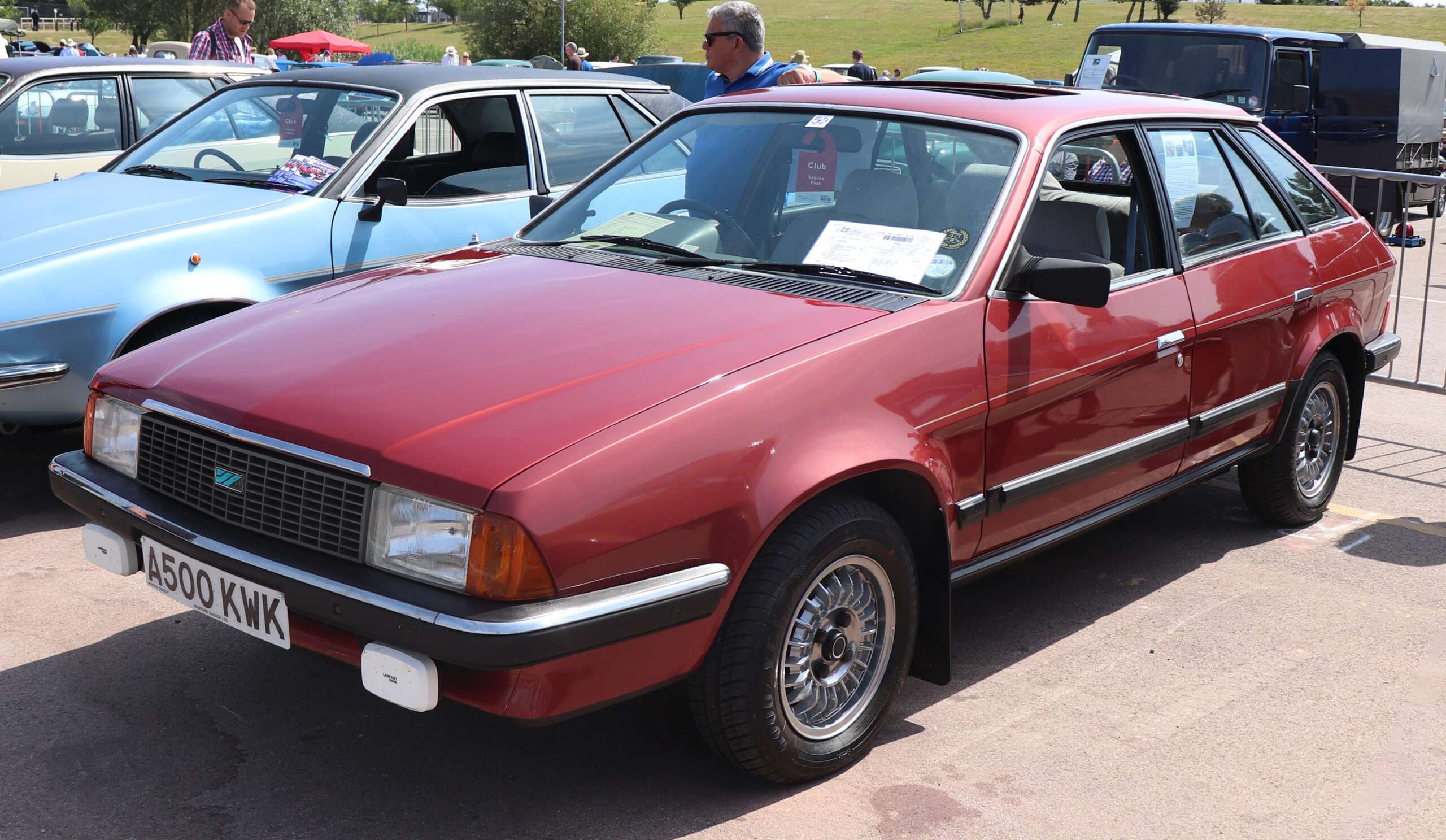
The Austin Ambassador was British Leyland’s final development of the Princess: a large, front-wheel-drive five-door with Hydragas comfort and much more useful packaging. Sold only from 1982 to 1984, it is one of the shortest-lived and least remembered Austin-badged cars.
At a glance
- UK sales: 1982–1984
- Body: five-door hatchback
- Engines: 1.7- and 2.0-litre O-Series four-cylinder
- Gearboxes: five-speed manual; automatic on selected 2.0-litre cars
- Trim: HL, HLS and Vanden Plas
History and UK context
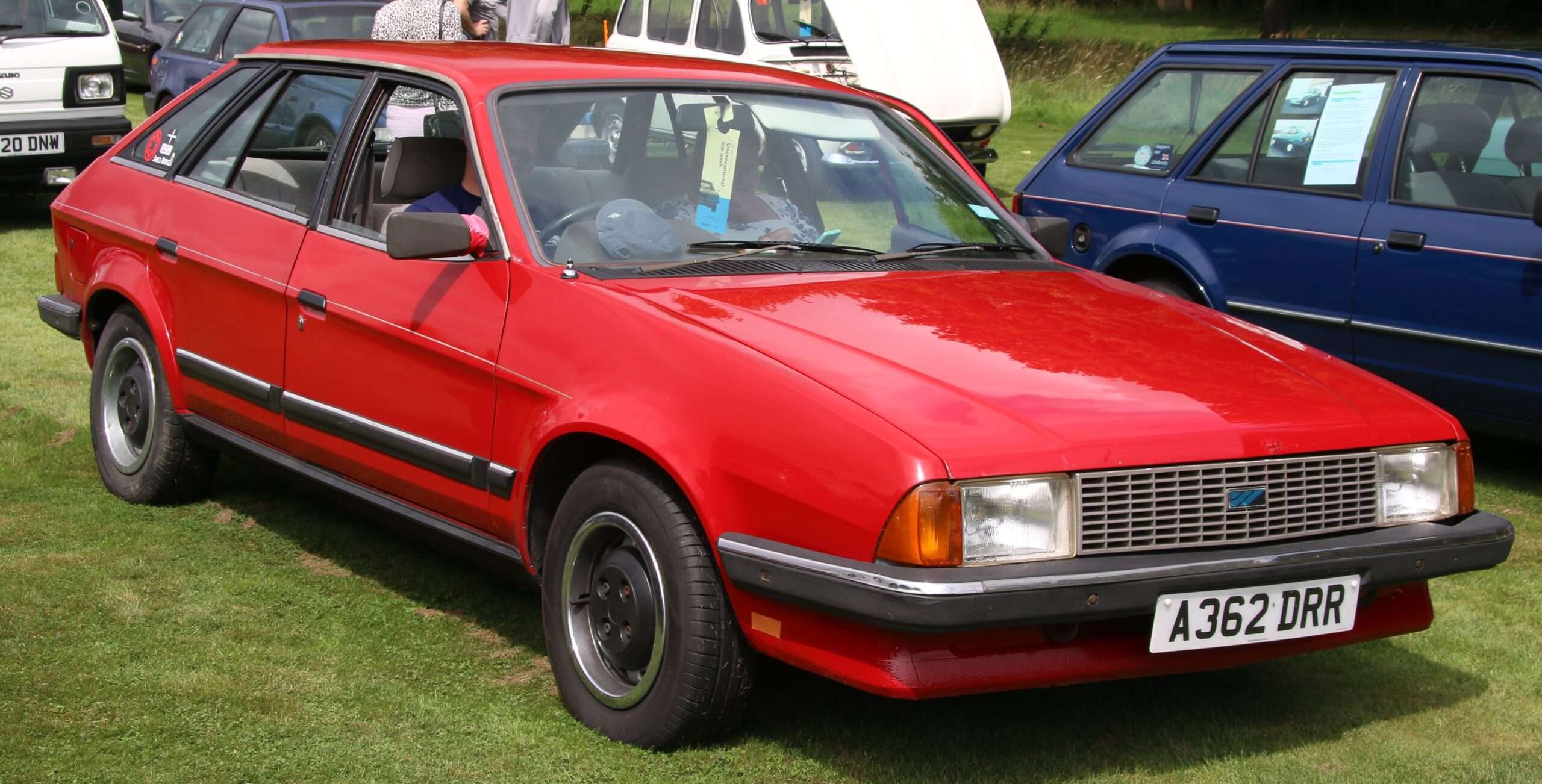
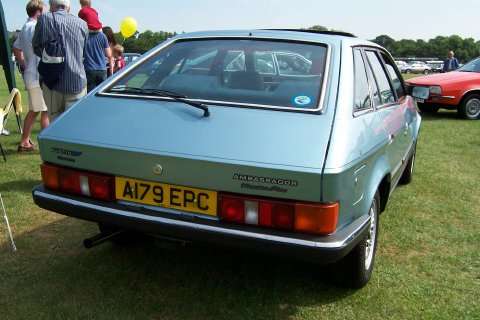
Introduced in February 1982, the Ambassador was more than a facelifted Princess. The centre section and doors were extensively revised, the roofline was raised and a proper top-hinged hatch transformed luggage access. The long wheelbase, transverse engine and Hydragas suspension were retained, preserving the spacious cabin and compliant ride that had always been the wedge-shaped car’s strengths.
British Leyland simplified the mechanical range around the O-Series engine. Buyers chose a 1.7 or 2.0, normally with a five-speed manual gearbox, while some 2.0-litre versions could be ordered with automatic transmission. The plush Vanden Plas paired its twin-carburettor engine with generous equipment and a cabin intended to challenge executive saloons. Production ended in November 1983, although cars remained on sale into 1984.
UK specifications
| Version | Engine | Output | Notes |
|---|---|---|---|
| 1.7 HL | 1695cc O-Series | About 84bhp | Entry model, five-speed manual |
| 2.0 HL/HLS | 1994cc O-Series | About 92bhp | Better torque; automatic available |
| 2.0 Vanden Plas | 1994cc twin-carb O-Series | About 100bhp | Top trim and strongest performance |
What is it like to drive?
The Ambassador majors on comfort. Its long wheelbase and interconnected suspension smooth out poor surfaces in a way few contemporary family cars can match. Steering is light and the car feels stable rather than agile; body roll arrives early, but grip is predictable. The 2.0 has the best combination of torque and gearing, though even the Vanden Plas is a relaxed cruiser rather than a fast executive car.
Why is it so rare?
The Ambassador arrived as BL’s model strategy was being reshaped around the Maestro, Montego and Rover SD1. It had little time to establish itself and inherited the Princess’s difficult market position. Most were used as ordinary family transport and values stayed low, so rust, neglect and banger racing removed a large proportion of the production run.
Buying guide
- Structure: examine the sills, floorpan, front and rear suspension mountings, wheelarches, bulkhead, tailgate aperture and subframes. Proper body repairs are more valuable than shiny paint.
- Hydragas: check ride height, level stance and fluid leaks. A harsh ride suggests discharged or damaged components.
- O-Series engine: listen for timing-chain noise, look for oil and coolant leaks, and confirm that the cooling system holds temperature in traffic.
- Transmission: the five-speed should engage cleanly without a rumbling differential. Automatics need smooth changes and clean fluid.
- Interior: Vanden Plas trim, dashboards, lamps and hatchback-specific seals are scarce. Buy the most complete car possible.
Why it matters
The Ambassador is a fascinating full stop to the Princess story and one of Britain’s earliest attempts at a genuinely roomy executive hatchback. Its combination of rarity, comfort and unmistakable design gives it far more historical interest than its brief showroom life might imply.
Sources and further reading
- Princess & Ambassador Owners Club: model history
- Leyland Princess: Austin Ambassador
- Honest John Classics: Austin Ambassador review
Image sources and licences
Images are from Wikimedia Commons: 1984 Vanden Plas, 1983 2.0 HL and rear view. See the file pages for credits and licence details.
Enjoy unusual cars?
Get new histories and buying guides by email.