UNUSUAL CARS MODEL GUIDE
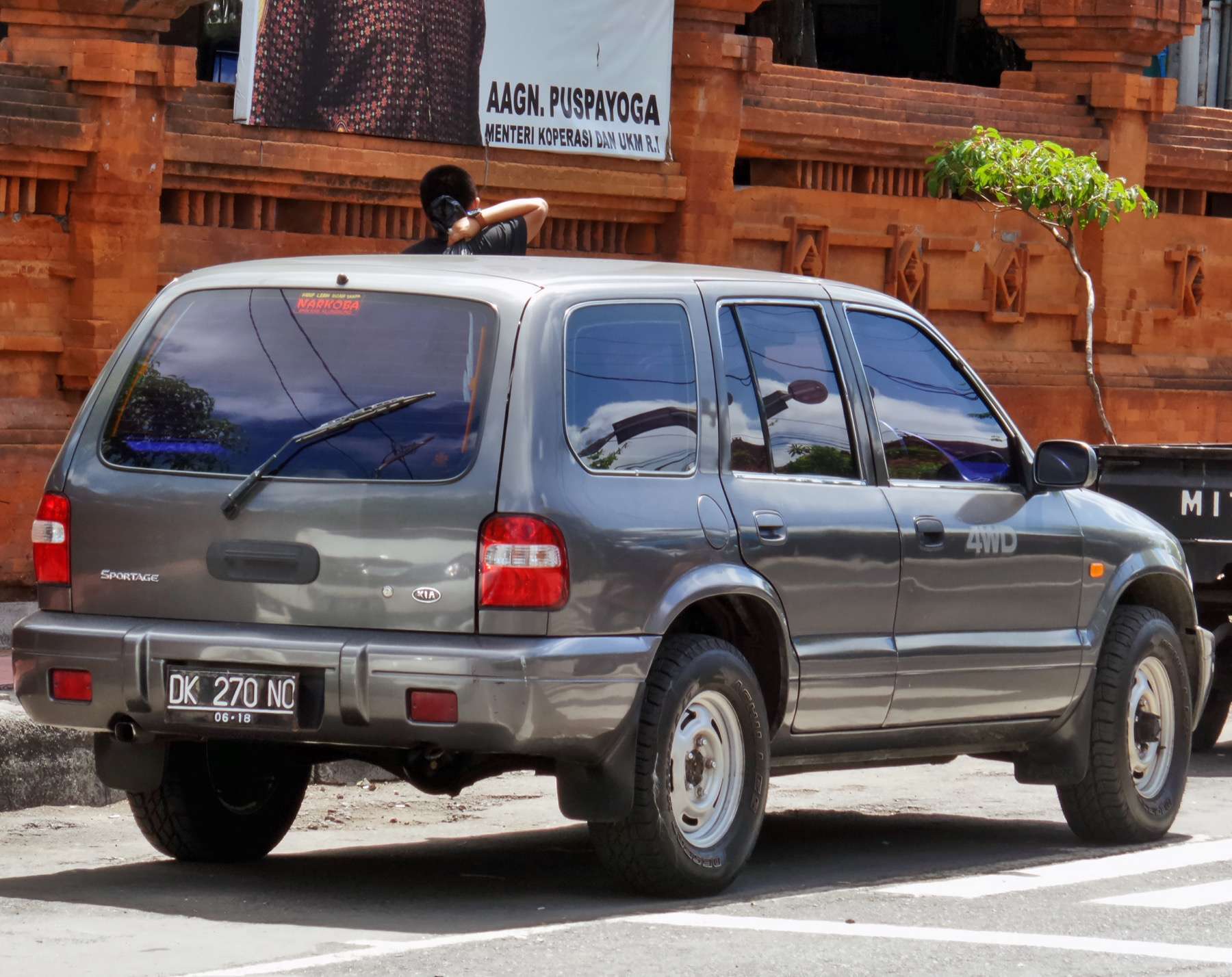
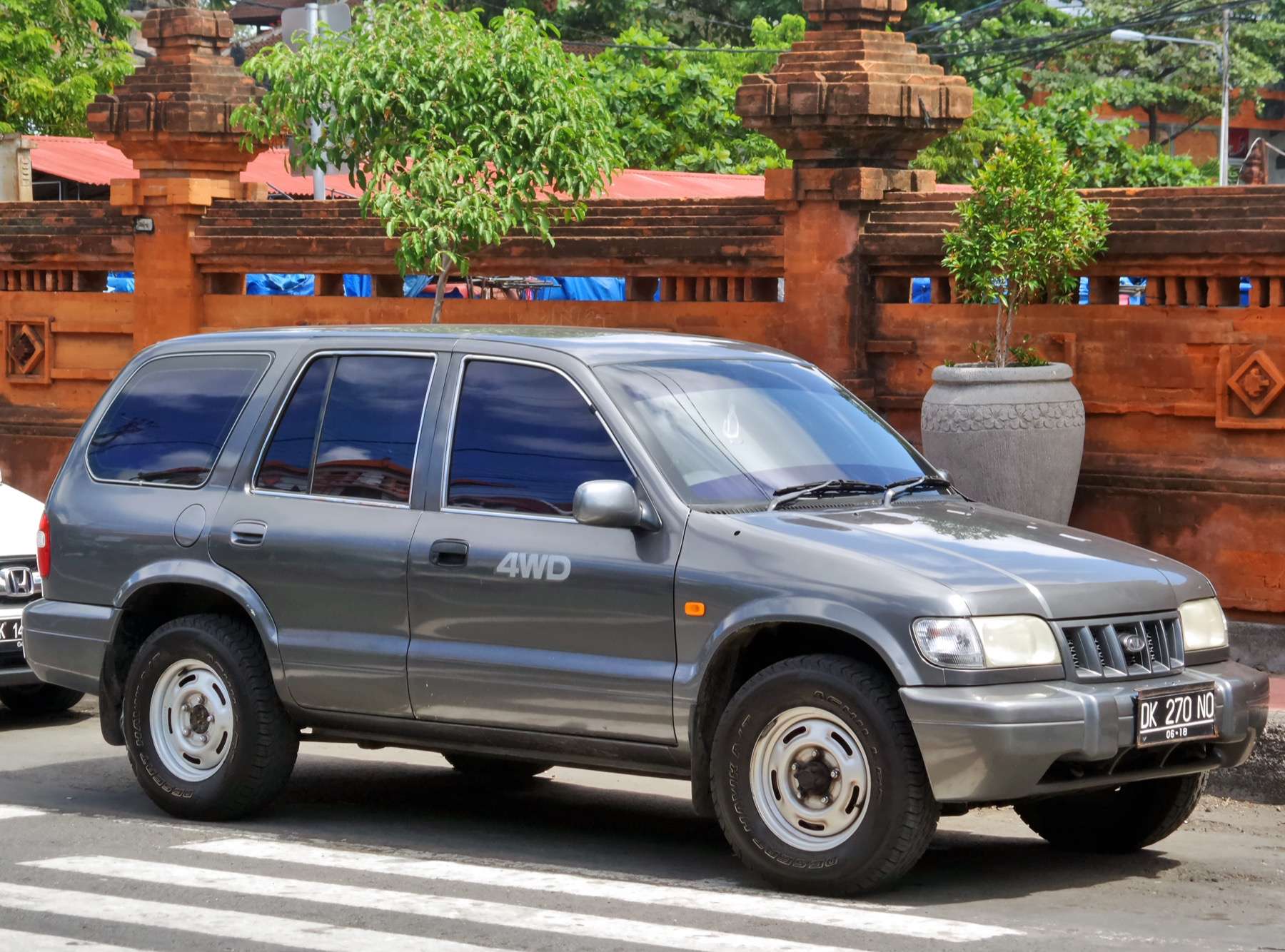
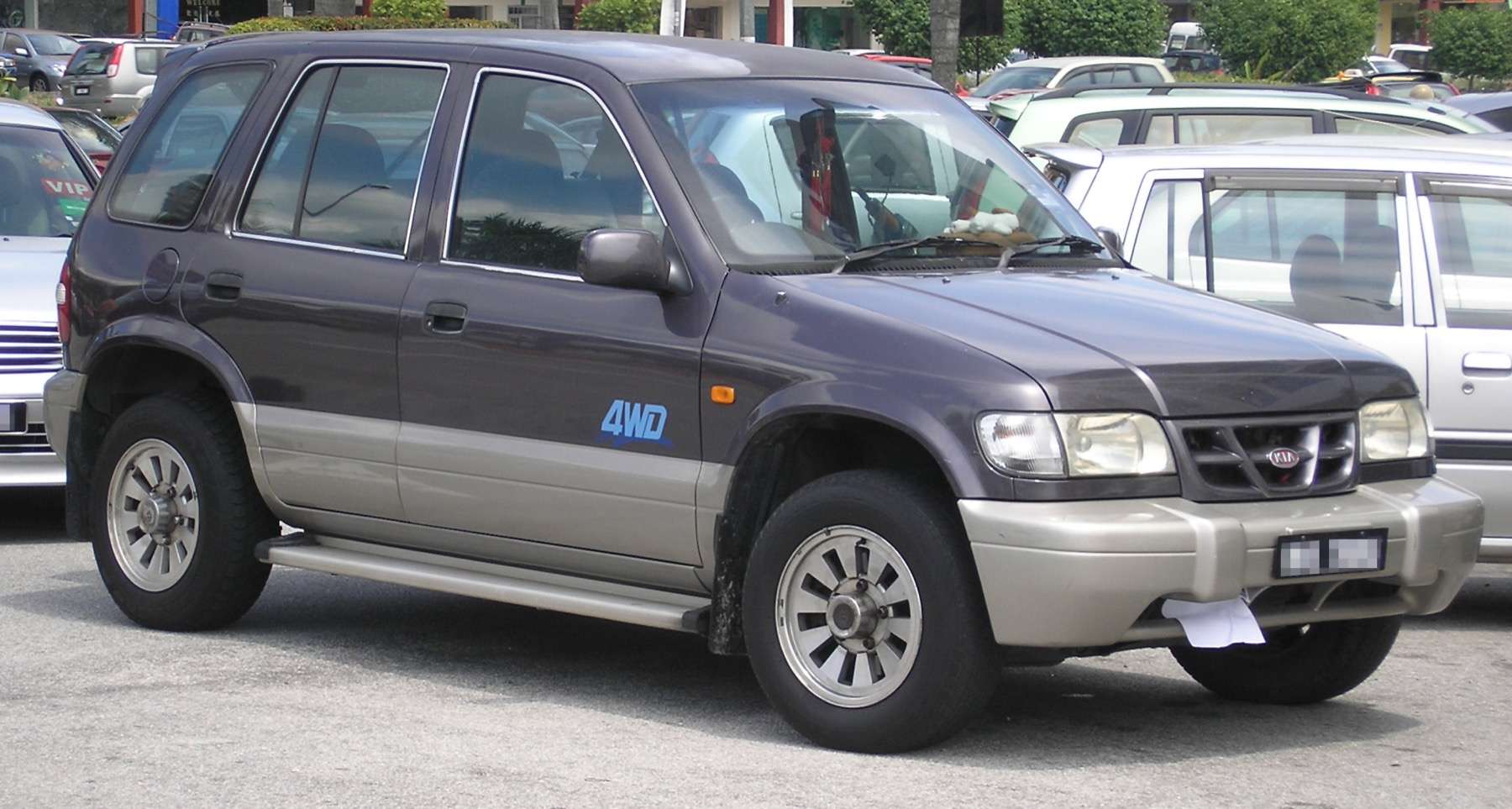
The first-generation Kia Sportage was very different from the polished family crossover that now carries the name. It was a compact, separate-chassis four-wheel drive with Mazda-related engineering, selectable low-ratio transmission and the stance of a scaled-down traditional off-roader. Launched in Britain in 1995, it helped establish Kia beyond the bargain-car territory of the Pride.
Featured image: first-generation Kia Sportage. Photograph by Joost J. Bakker, CC BY 2.0, via Wikimedia Commons; resized and locally hosted.
From Mazda project to Kia landmark
Kia developed the original Sportage while it still had close technical links with Mazda and Ford. Its underpinnings shared ideas and components with the Mazda Bongo, while its four-cylinder engines came from Mazda’s FE family. European examples were assembled by Karmann in Osnabrück between 1995 and 1998 before production reverted to South Korea.
The Sportage appeared internationally in 1993, but UK sales started in July 1995. It arrived just as the compact recreational 4×4 market was expanding, yet its engineering remained traditional: a separate frame, live rear axle and part-time four-wheel-drive system with low range. Kia later described it as an early “urban SUV”, although it was far closer to a small off-roader than the monocoque Sportages that followed.
The British range
Initial UK trim levels were SLX, GLX and GLX SE, all powered by a 2.0-litre petrol engine. Executive and Executive SE versions followed in 1996. The 1999 revision simplified the range to S, SX and GSX, while a four-speed automatic became available in 2000. The XSE special edition appeared near the end of the model’s life.
| Specification | UK-market Sportage Mk1 |
|---|---|
| UK sales | 1995–2003 |
| Engine | 2.0-litre four-cylinder petrol |
| Power | Approximately 126–128 bhp, depending on version |
| Transmission | Five-speed manual; later four-speed automatic |
| Drivetrain | Rear-wheel drive with selectable four-wheel drive and low range |
| Construction | Separate ladder frame |
| UK sales total | 10,897 reported by Kia |
Why it matters now
The original Sportage documents the point at which Kia began broadening its UK range. Its boxy proportions, external spare wheel and utilitarian cabin now look far more distinctive than they did when new. Survivors are scarce because modest values, corrosion, towing work and neglected mechanical repairs removed many from the road.
It also offers a revealing contrast with later Sportages. The original asks its driver to engage four-wheel drive deliberately, accept slow steering and tolerate noise and fuel consumption. That analogue character is now a large part of its appeal.
Love cars you don’t see every day?
Get forgotten cars, surprising motoring stories and the most interesting finds from Unusual Cars by email.
Free to join. No spam. Unsubscribe whenever you like. See our privacy policy.
Kia Sportage Mk1 buying guide
Chassis and corrosion
Inspect the chassis rails, suspension mounts, outriggers, sills, floor edges, wheelarches and rear body mounts. Mud can remain trapped around brackets and fuel-tank areas. A cosmetically presentable body is no substitute for a structurally sound frame, so a lift inspection is highly desirable.
Engine and cooling
Listen from cold for bearing noise, timing-area rattles and exhaust leaks. Check coolant condition, radiator seams, hoses and evidence of overheating. The petrol engine is durable when maintained, but neglected examples can consume oil or suffer cooling-system problems. Confirm the service history rather than relying on low recorded mileage.
Four-wheel drive and suspension
Test high and low range on a suitable loose surface and ensure the front hubs engage correctly. Transmission vibration, whining differentials and reluctant selection deserve investigation. Front wheel bearings are a known wear point; rumbling that changes while cornering is a warning. Check steering joints, dampers, bushes and brakes after long storage.
Trim and parts
Mechanical service items can still be sourced, but model-specific trim, lamps, mouldings and interior plastics are much harder to replace. Check every switch and buy the most complete vehicle possible. Original wheels, decals and an intact spare-wheel carrier add to the car’s historical interest.
Research sources
- Kia: History of Sportage
- Carbuyer: Sportage 30-year group test
- New Car Net: Sportage 1995–2003 guide
- Hagerty UK: Kia Sportage GLX
Continue the Kia story
Explore the Rare & Performance Kias hub, including the Kia Pride and Stinger GT S.