UNUSUAL CARS MODEL GUIDE
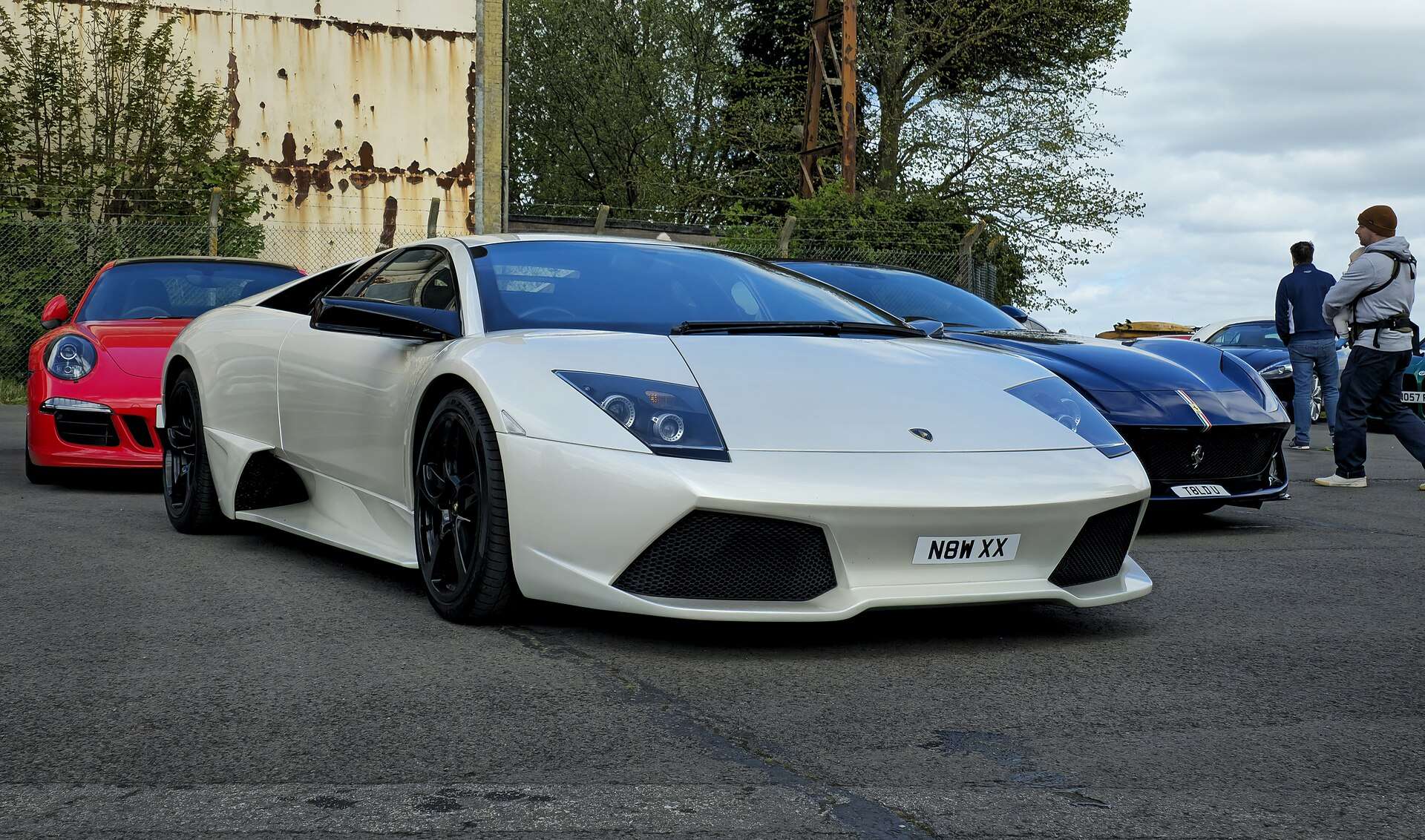
The Lamborghini Murciélago was the company’s first new flagship under Audi ownership and the last production Lamborghini to use a development of the original Giotto Bizzarrini V12. Built from 2001 to 2010, it kept scissor doors and theatrical proportions while adding permanent four-wheel drive, stronger quality control and a cabin that could be used more often.
Quick answer: the Murciélago began with a 6.2-litre, 580 CV V12, gained an open Roadster, and evolved into the 6.5-litre LP640 and 670 CV LP670-4 SuperVeloce. Lamborghini records 4,099 cars. Buy on condition and provenance: clutch wear, E-gear operation, cooling, differential noise, suspension, brakes, lift system and accident repairs can turn a superficially attractive car into a major project.
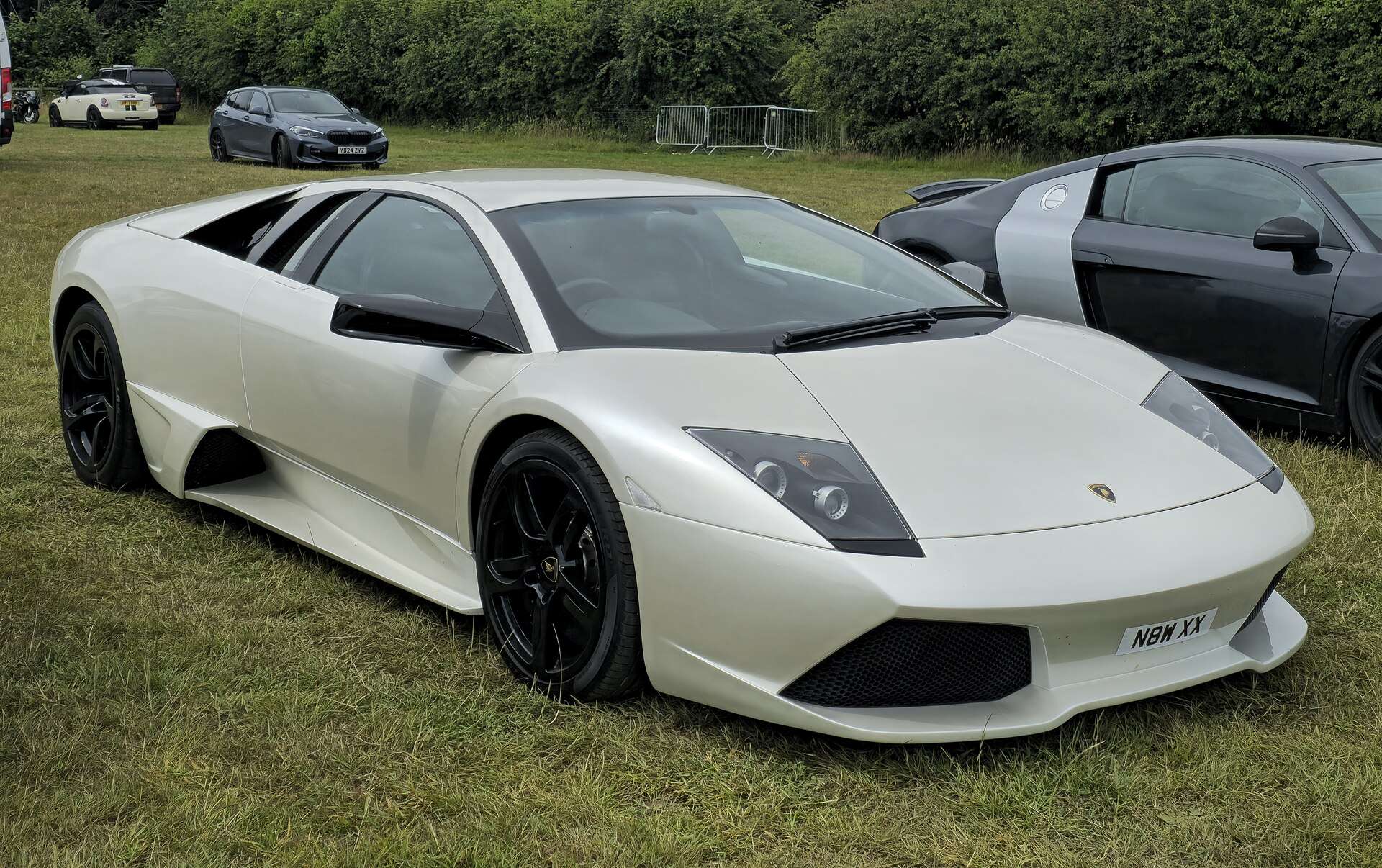
Featured image: Lamborghini Murciélago coupé. Photograph by Calreyn88, CC BY-SA 4.0, via Wikimedia Commons; locally hosted.
The bridge between old and new Lamborghini
Luc Donckerwolke led the design in Lamborghini’s own Centro Stile. The silhouette deliberately continued the Countach and Diablo line, but the surfaces were cleaner and the cooling system more sophisticated. Two active rear air intakes opened when temperature and speed demanded more airflow, while an adjustable rear spoiler helped balance high-speed stability.
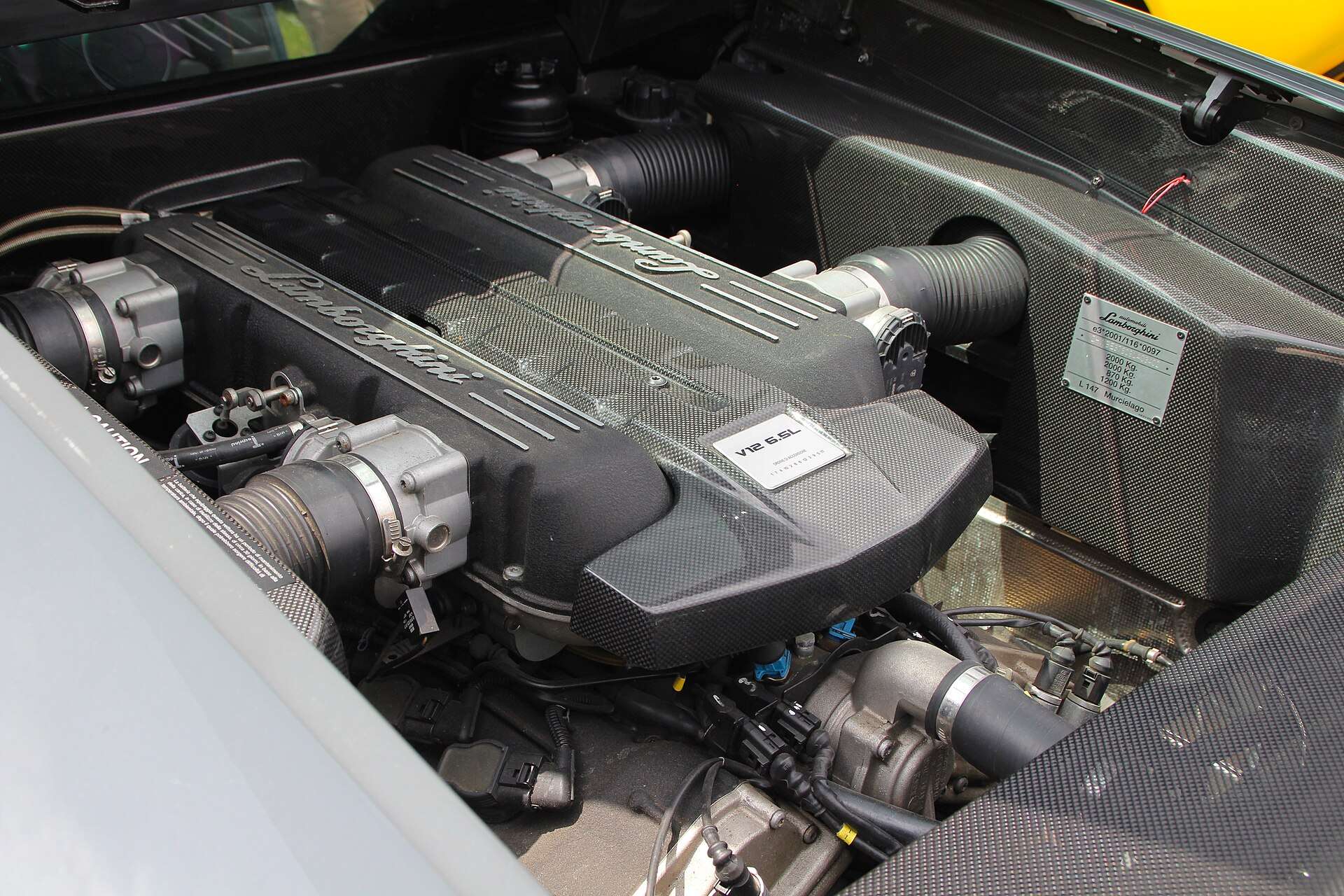
The 6.2-litre V12 sat longitudinally behind the cabin and drove all four wheels through a viscous coupling. At launch the only gearbox was a six-speed manual; the E-gear automated manual followed. Neither changes the essential layout, but they create very different buying questions. A genuine gated manual now attracts a premium, so any converted car must be described honestly and valued separately.
Versions and specifications
| Version | Years | Engine and output | Key distinction |
|---|---|---|---|
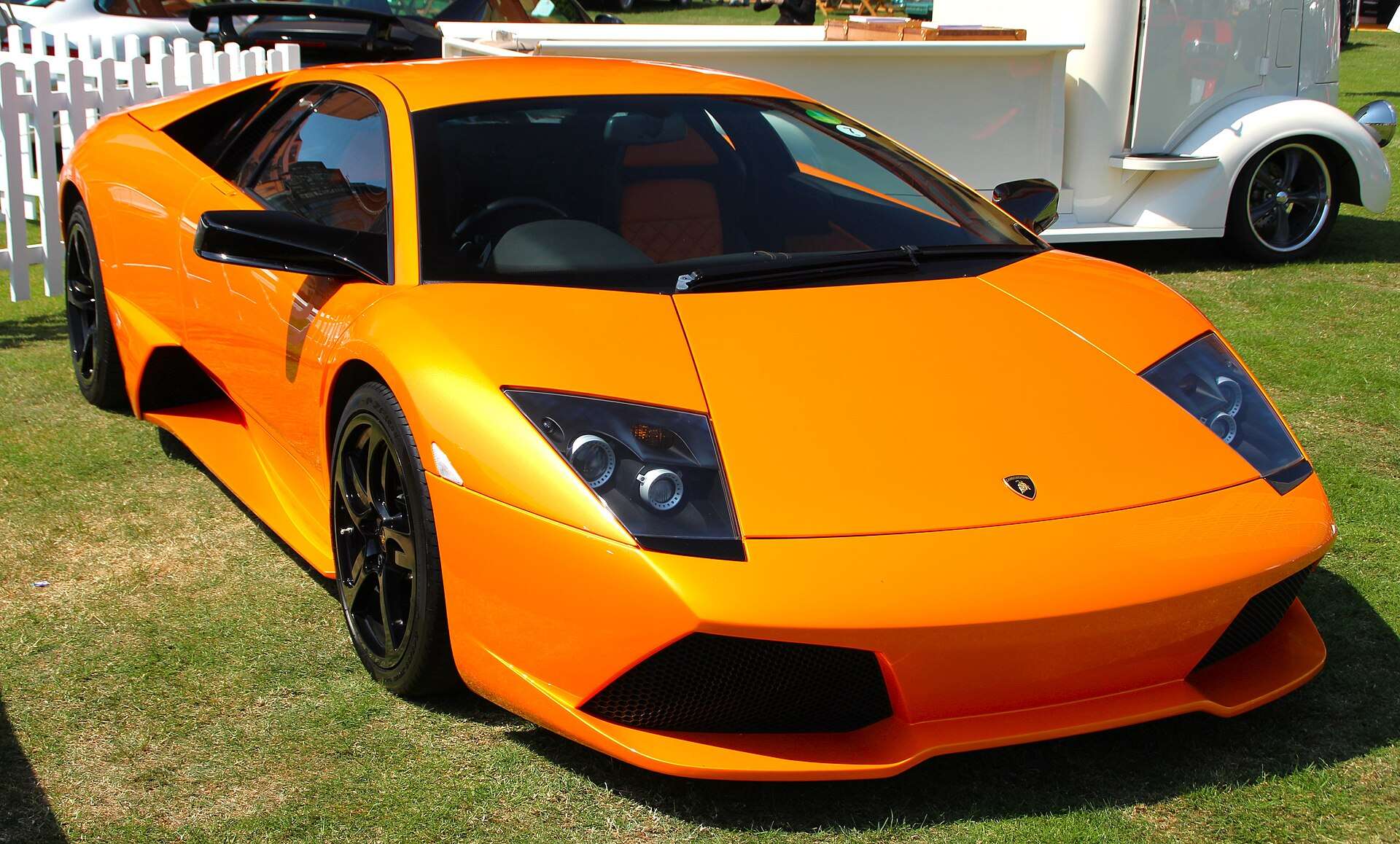
| Murciélago | 2001–2006 | 6.2 V12, 580 CV | Original coupé; manual or later E-gear |
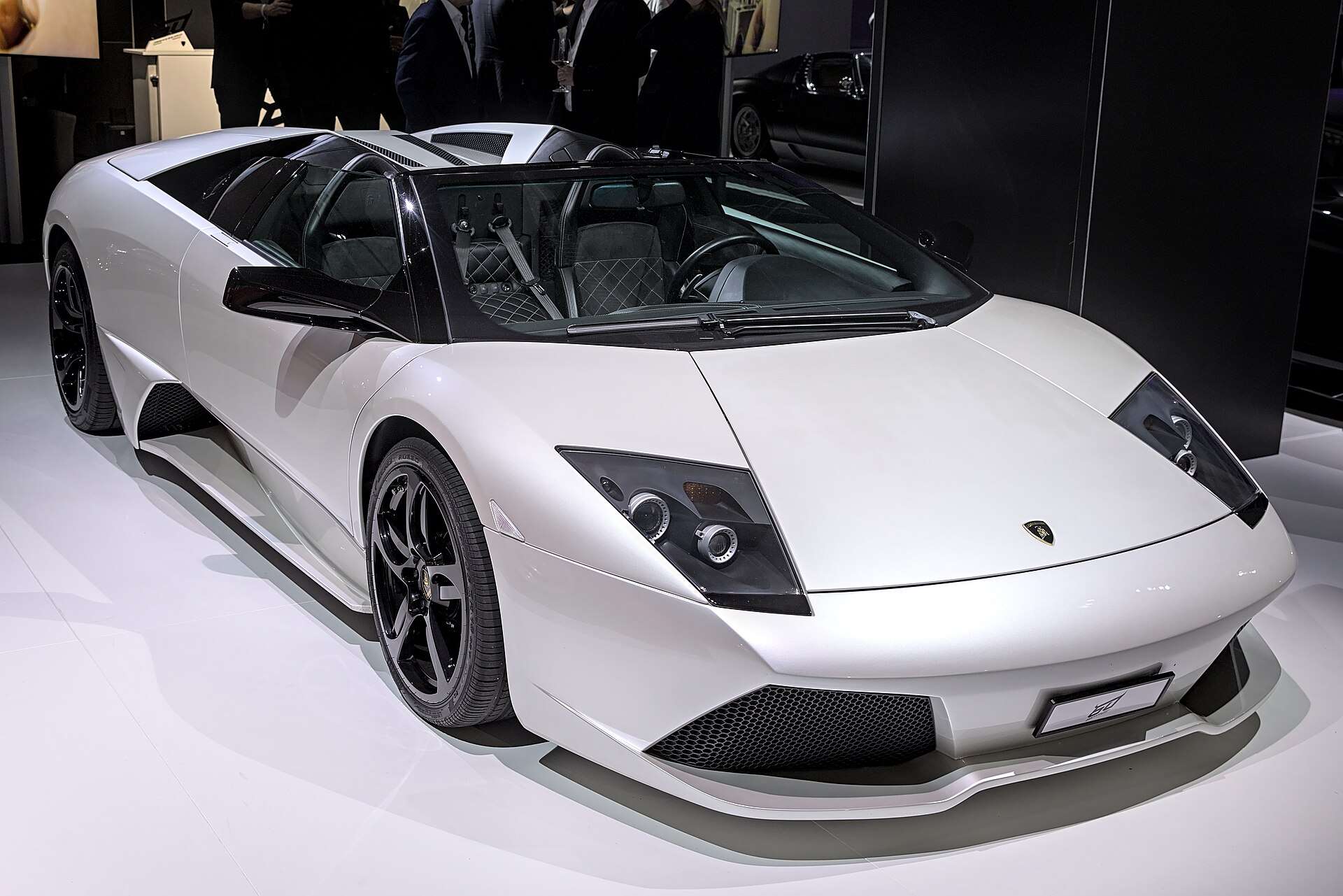
| Murciélago Roadster | 2004–2006 | 6.2 V12, 580 CV | Open body with emergency fabric roof |
| LP640 / Roadster | 2006–2010 | 6.5 V12, 640 CV | Revised engine, transmission, differential and body |
| LP670-4 SV | 2009–2010 | 6.5 V12, 670 CV | Lighter, sharper final development |
The LP640 is more than a facelift. The enlarged engine, improved E-gear calibration, stronger rear differential, revised exhaust and cleaner bumpers make it the most usable mainstream version. The LP670-4 SV removes weight and adds a much more aggressive aerodynamic package. Limited colours and editions exist, but originality needs documentation rather than assumptions based on badges or paint.

Love cars you don’t see every day?
Get forgotten cars, surprising motoring stories and the most interesting finds from Unusual Cars by email.
Free to join. No spam. Unsubscribe whenever you like. See our privacy policy.
Clutch, E-gear and V12 checks
Begin with a cold start and a diagnostic scan. The V12 is fundamentally robust when serviced, but it must hold correct oil pressure, idle evenly and remain free from persistent smoke, fuel smell, coolant loss and warning lights. Earlier cars should have evidence that water-ingress protection around the spark-plug wells was addressed. Throttle bodies can lose synchronisation, causing rough running that should be diagnosed rather than disguised.
Clutch life depends heavily on use. Repeated standing starts, reversing uphill and creeping in traffic are punishing, especially with E-gear. Ask a marque specialist to measure clutch wear, inspect the hydraulic system and assess engagement hot and cold. A manual should shift cleanly after warm-up. Differential or gearbox noise, delayed selection and warning messages need investigation before purchase.
Structure, body and chassis
The tubular steel chassis uses carbon-fibre and steel body elements. Inspect underneath for grounding, damaged undertrays, bent lifting points and repairs around suspension mounts. Panel alignment, door action and paint depth should be consistent. The car’s width makes wheel and body damage common, while aftermarket bumpers, exhausts and wheels can alter cooling, noise compliance and value.
Check dampers, wishbones, steering, wheel bearings and tyre age. Mismatched rolling circumferences can upset the four-wheel-drive system. Steel or carbon-ceramic brakes must be measured rather than judged through the wheels. Confirm that the nose lift works repeatedly and does not sink, then inspect the front underside for evidence it was driven when the lift had failed.
Cooling, electrics and life with a Murciélago
Radiators, fans, active intakes, hoses and air conditioning all work in a hot, tightly packed environment. Test the car in traffic, not only on an open road. Cycle windows, locks, mirrors, instruments, stereo, alarm, lift, spoiler and both air intakes. Low battery voltage can create distracting symptoms, but a seller should not use that explanation to avoid proper diagnostics.
Roadsters require inspection of roof components, seals and storage bags. On every version, seek annual servicing even when mileage is low and invoices from specialists who understand the V12 flagship. A complete original toolkit, books, keys and factory parts removed during modification add confidence and value.
Condition over mileage
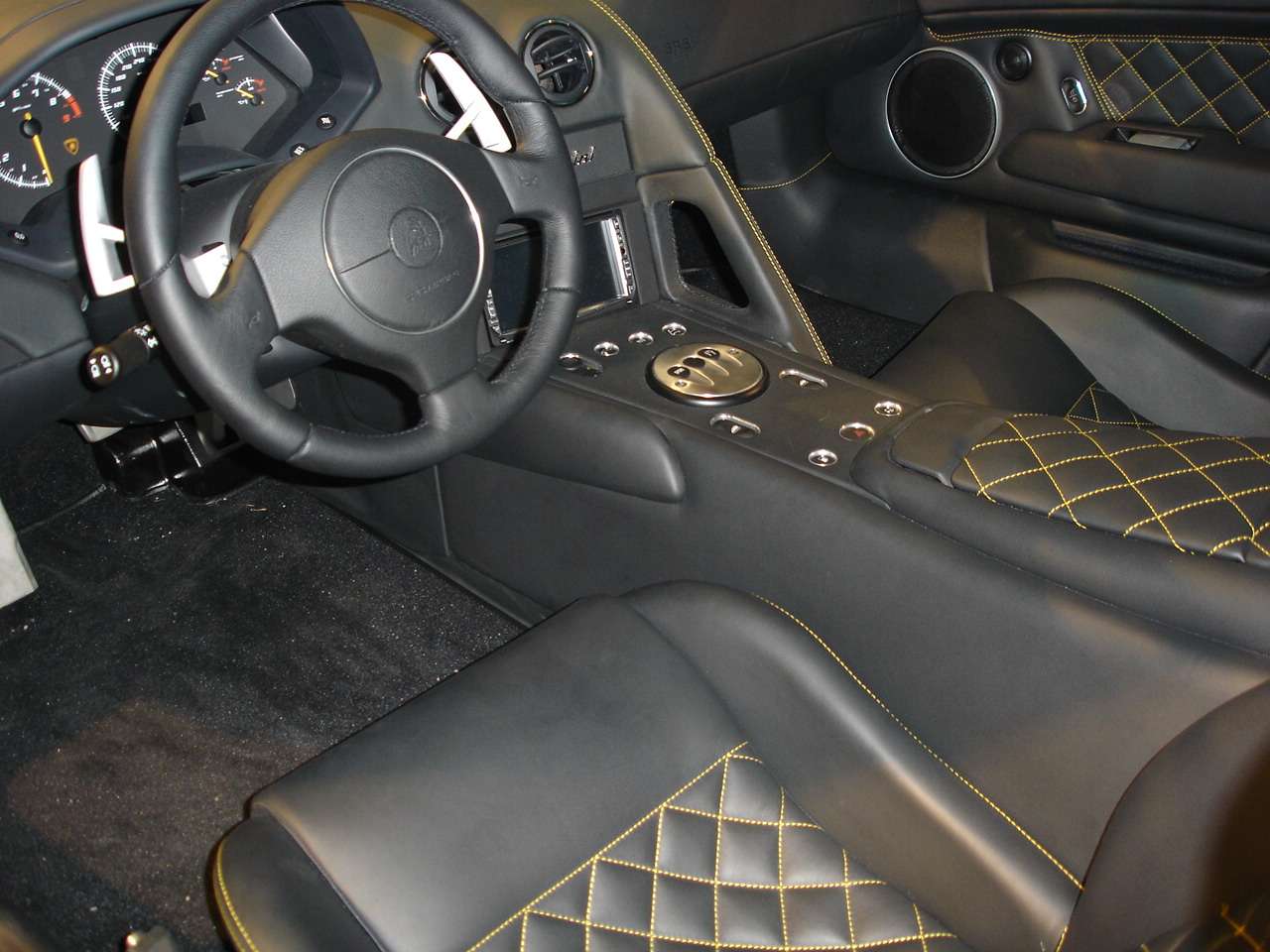
Judge mileage against physical evidence. Pedal rubbers, seat bolsters, steering-wheel finish, brake-disc condition and stone chips should tell a consistent story. Long storage can be harder on seals, tyres, fuel systems and electronics than regular, correctly maintained use, so a low odometer is not a substitute for documented recommissioning. A specialist road test should also confirm straight tracking, stable temperatures and clean hot restarting.
Sources and further reading
- Lamborghini: Murciélago history and specifications
- Lamborghini: company milestones
- PistonHeads: Murciélago powertrain buying guide
- Lamborghini Polo Storico
Continue the Lamborghini story
Explore the complete Lamborghini hub. Continue with the Lamborghini Aventador and Lamborghini Diablo.
Frequently asked questions
When was the Lamborghini Murciélago built?
Production ran from 2001 to 2010, with Lamborghini recording 4,099 examples.
What engine does the Murciélago use?
Early cars use a 6.2-litre V12; the LP640 and LP670-4 SV use a 6.5-litre development.
Was the Murciélago available with a manual gearbox?
Yes. A six-speed gated manual was offered, alongside the later E-gear automated manual.
What is the Murciélago LP670-4 SV?
It is the lighter, 670 CV SuperVeloce final development of the Murciélago.
What should be checked before buying a Murciélago?
Commission a specialist inspection of provenance, clutch and transmission, V12, cooling, four-wheel drive, suspension, brakes, lift system, tyres, body and chassis.