UNUSUAL CARS MODEL GUIDE
The Lamborghini Islero was the discreet successor to the 400 GT 2+2. Introduced at Geneva in 1968, it retained the front-mounted four-litre V12 and two-plus-two layout but adopted a more angular body assembled by Carrozzeria Marazzi. Lamborghini built 155 standard cars and 70 more powerful Islero S models.
Quick answer: an Islero should be bought on identity, structure and restoration quality. Verify whether it is a standard car or genuine S, then inspect its steel body and tubular structure, the 3,929cc V12, six Weber carburettors, cooling, five-speed gearbox, differential, brakes, independent suspension, wiring, original trim and any claim of factory right-hand drive.
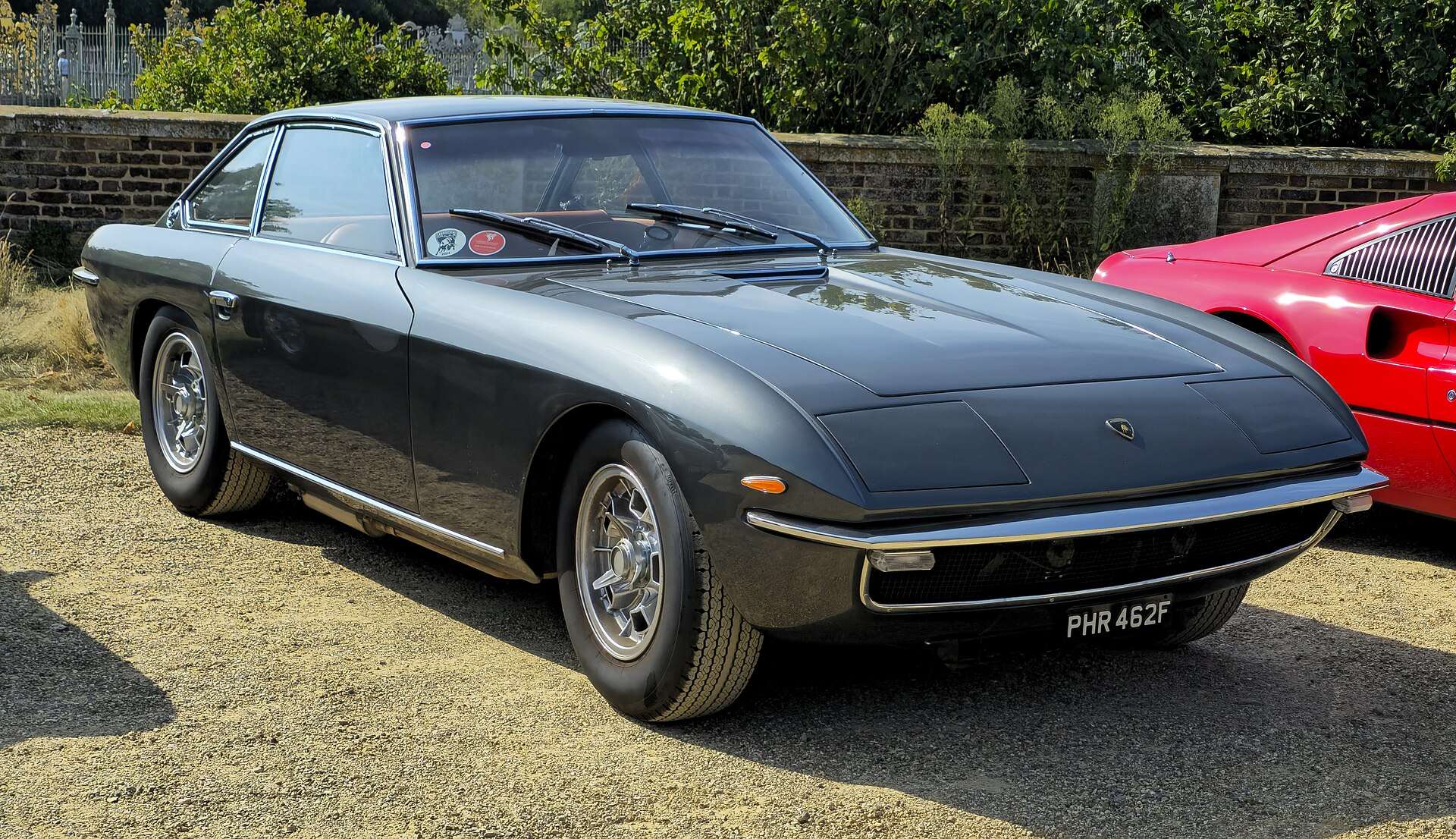
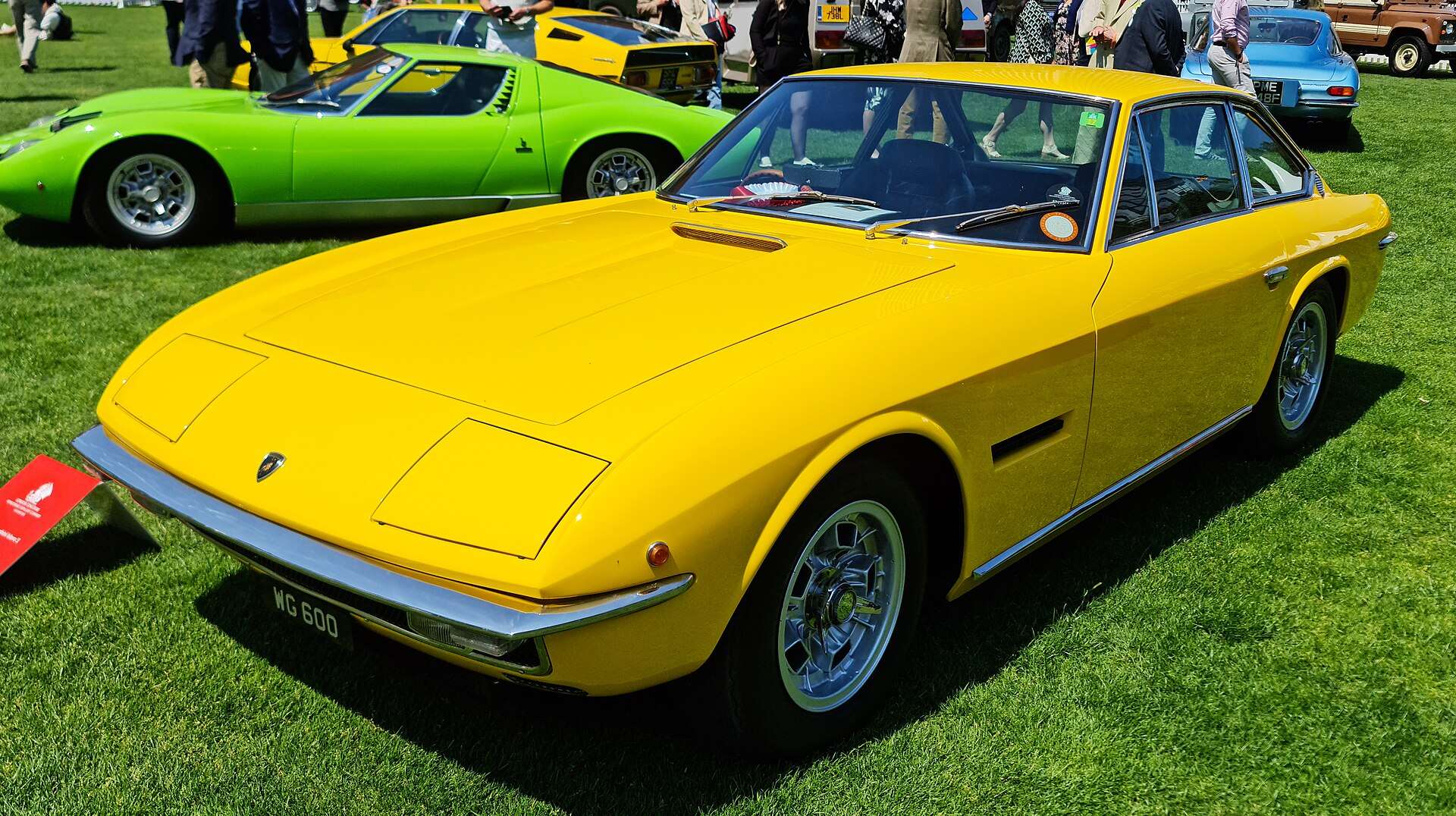
Featured image: Lamborghini Islero 400 GT. Photograph by MrWalkr, CC BY-SA 4.0, via Wikimedia Commons; locally hosted.
Replacing the 400 GT
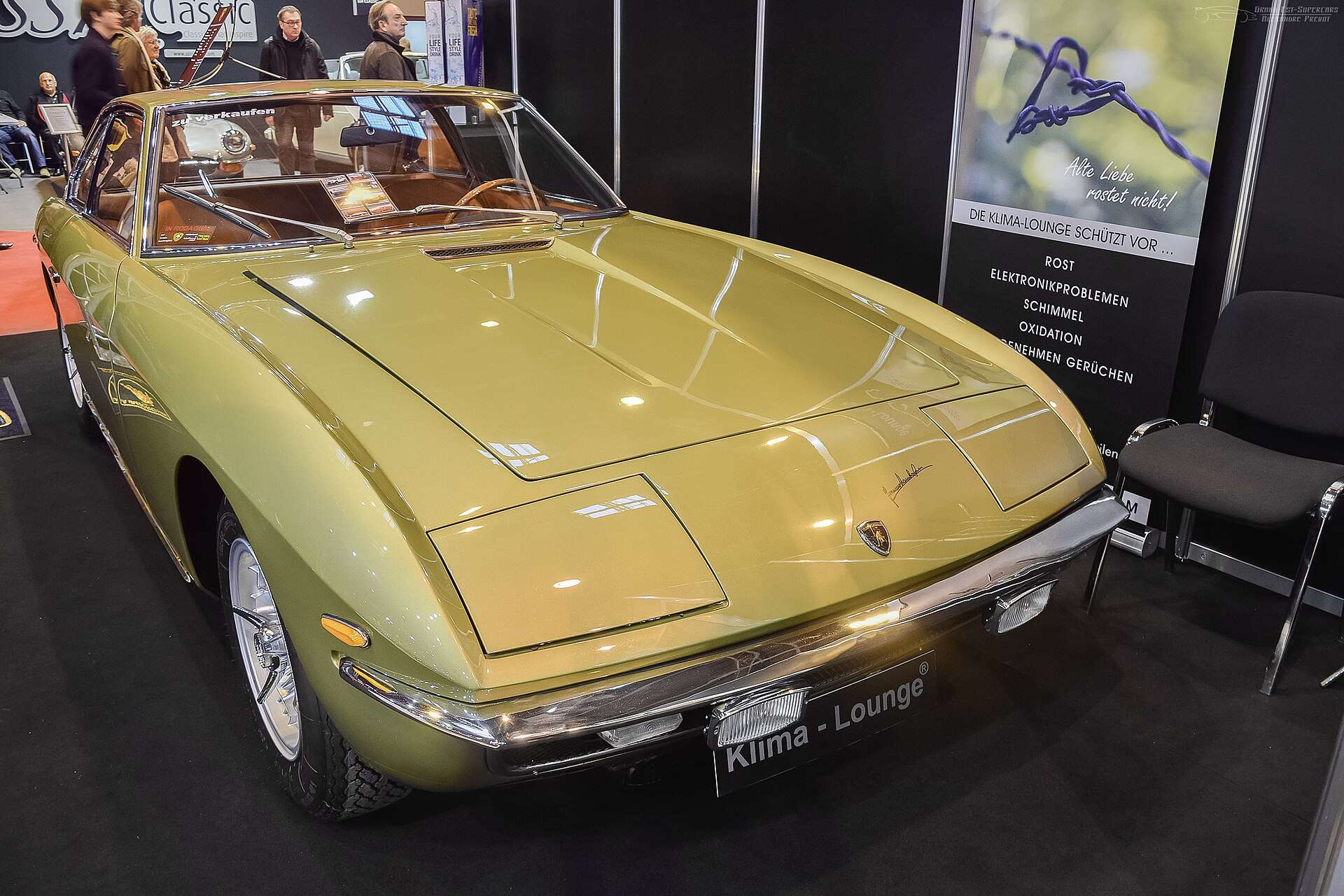
Touring’s closure left Lamborghini needing a new body for the established 400 GT mechanical package. Former Touring personnel led by Mario Marazzi created a lower, more angular design with pop-up headlamps, a long bonnet and restrained glasshouse. Bertone pressed the panels and Marazzi assembled the cars.
The Islero made its public debut at the March 1968 Geneva motor show. Its understated appearance contrasted with the contemporary Miura, yet it closely matched Ferruccio Lamborghini’s preference for a fast, comfortable road car. The 3,929cc V12 sat ahead of the cabin and drove the rear wheels through Lamborghini’s five-speed gearbox.

Islero and Islero S compared
| Version | Islero | Islero S |
|---|---|---|
| Production | 155 | 70 |
| Years | 1968–1969 | 1969–1970 |
| Quoted output | Approximately 320–340 CV depending on source and standard | Approximately 350 CV |
| Identification | Original body and cabin details | Front-wing vents, larger bonnet intake and revised trim |
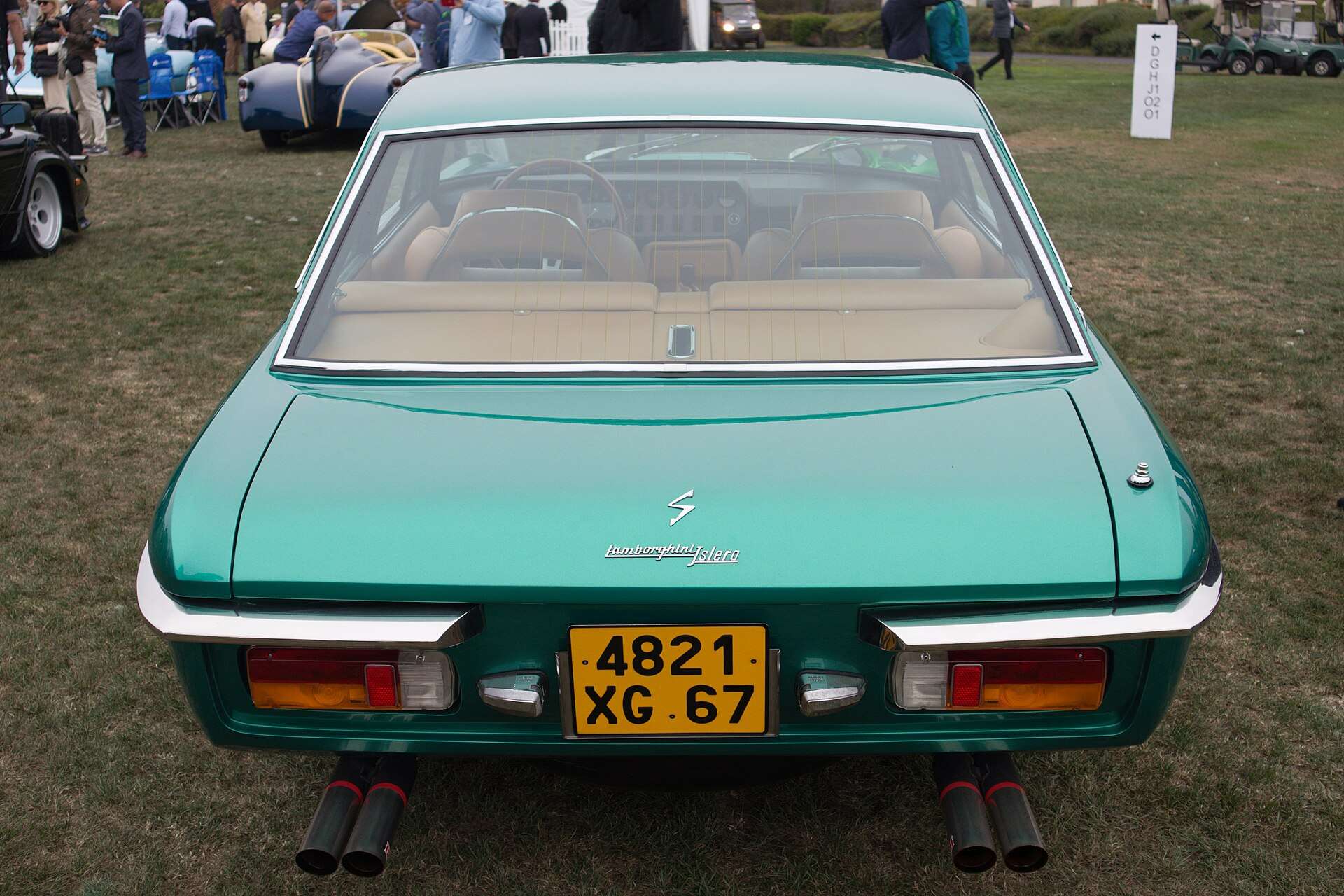
The S received engine, suspension, brake and cabin revisions as well as visible body changes. Badges and vents can be added, so a build record is essential before paying an S premium. Only a handful of right-hand-drive Islero S cars are documented; one well-known example was driven by Roger Moore in The Man Who Haunted Himself.
Body, tubular structure and corrosion
Inspect the steel body and underlying structure on a lift. Sills, floors, outriggers, wheelarches, door bottoms, screen surrounds, boot floor and suspension mounting areas all deserve close attention. Water entry and poor historic repairs can allow corrosion to spread beyond what paintwork suggests.
Panel fit should be judged with the car standing normally and then raised. The long bonnet, doors and boot lid must align consistently. Pop-up headlamp assemblies, bumpers, glass, handles and brightwork are rare. Restoration photographs and measurements carry more weight than a fresh exterior finish.

Love cars you don’t see every day?
Get forgotten cars, surprising motoring stories and the most interesting finds from Unusual Cars by email.
Free to join. No spam. Unsubscribe whenever you like. See our privacy policy.
V12, carburettors and cooling
Start the V12 from cold and check oil pressure, compression, coolant stability and exhaust condition. Six Weber carburettors require balanced setup, sound ignition and clean fuel delivery. Petrol smells or damp unions are safety problems. Inspect tanks, pumps, lines and any non-original electric modifications.
Radiator, fans, water pump, hoses and thermostat must maintain temperature in traffic as well as on an open road. Trace oil or coolant leaks and look for evidence of past overheating. Exhaust manifolds and the full system are expensive, while noise or heat can conceal other faults during a short demonstration.
Gearbox, suspension and brakes
The five-speed gearbox should operate cleanly once warm. Check synchromesh, bearing noise, clutch weight, hydraulics, prop shaft and differential. Driveline vibration may involve mounts, joints, wheels or tyres, so it should be diagnosed rather than accepted as age.
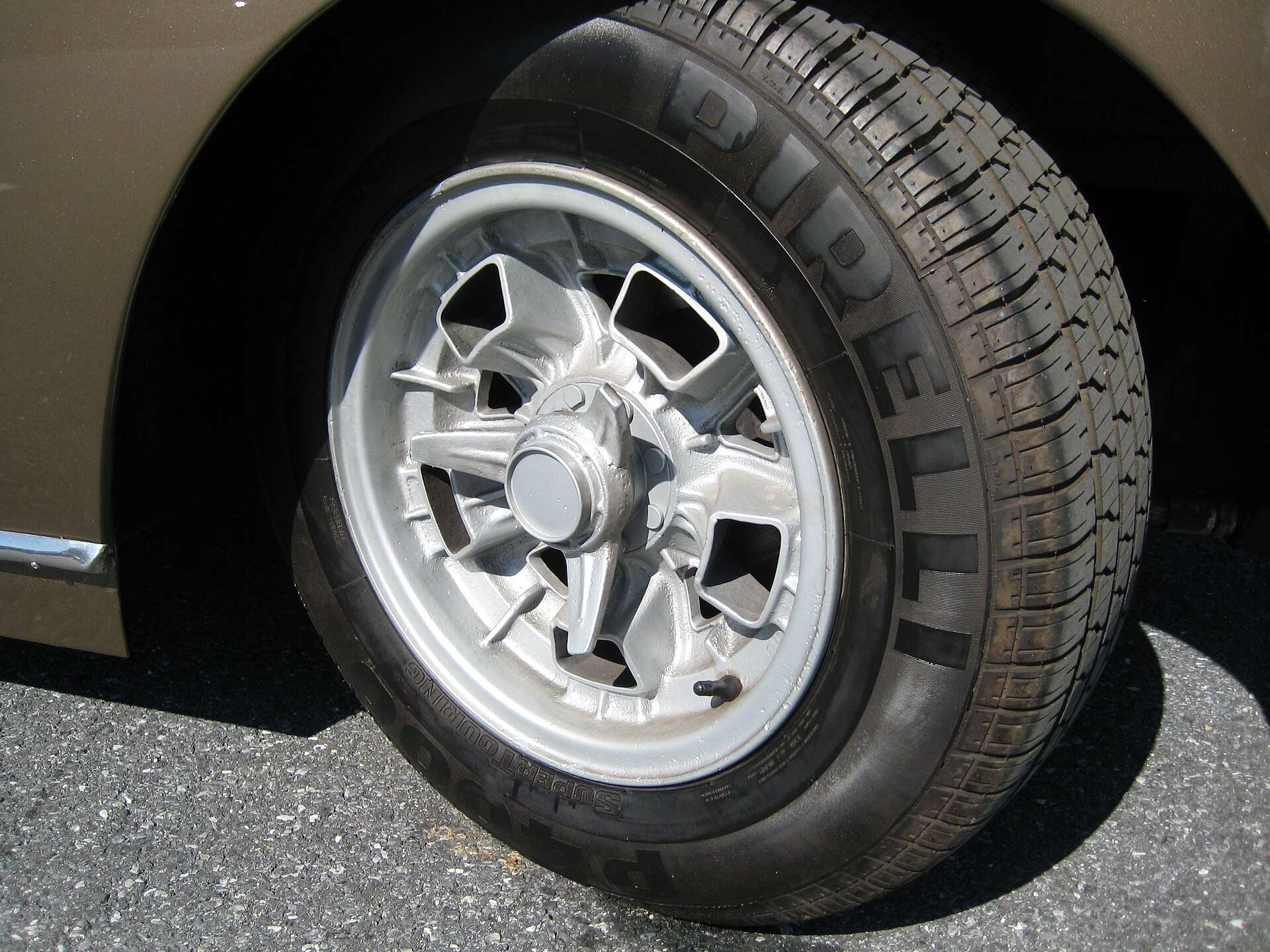
Independent suspension and four-wheel disc brakes were advanced grand-touring equipment. Inspect bushes, ball joints, dampers, springs, steering joints, wheel bearings and every hydraulic component. The car should track securely and brake straight. Correct wheels and fresh tyres are important to both appearance and road behaviour.
Provenance, cabin and buying judgement
Test every instrument, lamp, window, wiper, heater and fan. Original leather patterns, carpets, switchgear, steering wheel and luggage fittings are difficult to reproduce accurately. A restoration should preserve period materials and detail rather than apply a generic luxury-car finish.
Confirm chassis, engine, gearbox and body identity through factory or marque records. Trace ownership and registration in every country, and establish whether right-hand drive is original. A complete Islero with transparent structural restoration and regular specialist use is normally safer than a cosmetically striking car missing history or unique components.
Sources and further reading
- Lamborghini: Islero history and specifications
- Lamborghini: company milestones
- Historics: documented right-hand-drive Islero S
- Bonhams: Islero S catalogue research
- Car & Classic: UK-market Islero listing and history
Continue the Lamborghini story
Explore the complete Lamborghini hub. Continue with the Lamborghini 350 GT and 400 GT and Lamborghini Jarama.
Frequently asked questions
When was the Lamborghini Islero built?
The Islero debuted in 1968; the revised Islero S followed in 1969, and production ended in 1970.
How many Lamborghini Isleros were made?
Lamborghini records 155 standard Isleros and 70 Islero S models, for a total of 225.
What is the difference between an Islero and Islero S?
The S has a more powerful V12 plus suspension, brake, ventilation, trim and visible body-detail revisions.
Were right-hand-drive Isleros made?
Yes, but factory right-hand-drive examples are very rare and an individual car’s original configuration must be documented.
What should be checked before buying one?
Verify identity and specification, then inspect corrosion, restoration quality, V12, carburettors, cooling, gearbox, differential, suspension, brakes, electrics and rare trim.