UNUSUAL CARS MODEL GUIDE
The Ferrari 250 GT Berlinetta Lusso was the elegant final road-going expression of the 250 GT line. Introduced at the 1962 Paris Motor Show, it combined Pininfarina styling, Scaglietti construction, a short-wheelbase tubular chassis and the Colombo 3.0-litre V12 in a more luxurious two-seat grand tourer.
Quick answer: approximately 350 production cars were built between 1962 and 1964. A purchase demands chassis-specific research, because originality, matching major components and documented restoration have enormous importance. Commission a marque authority to inspect the frame, steel and aluminium body, corrosion, accident repair, V12, gearbox, rear axle, brakes, suspension, trim and provenance.
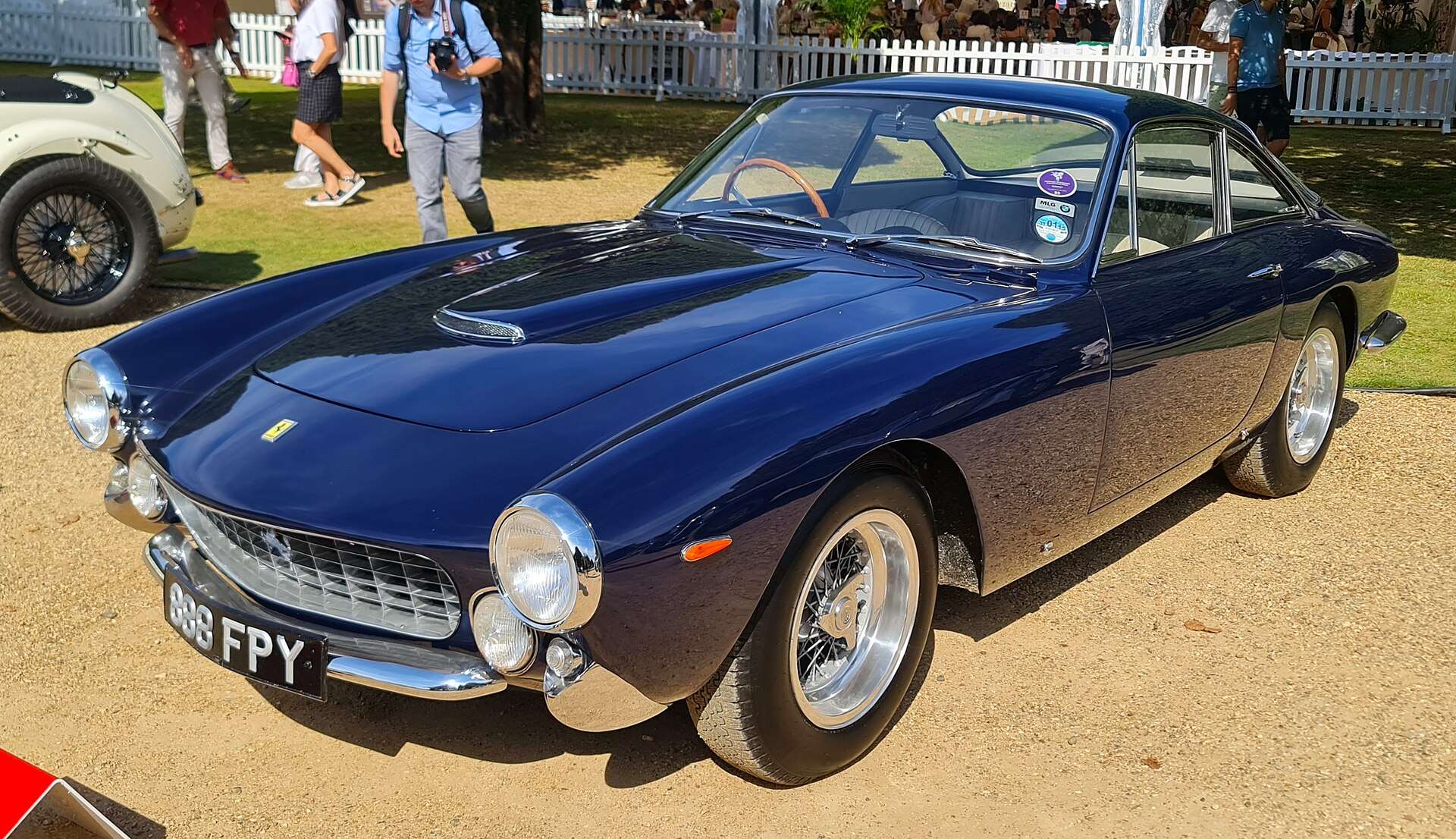
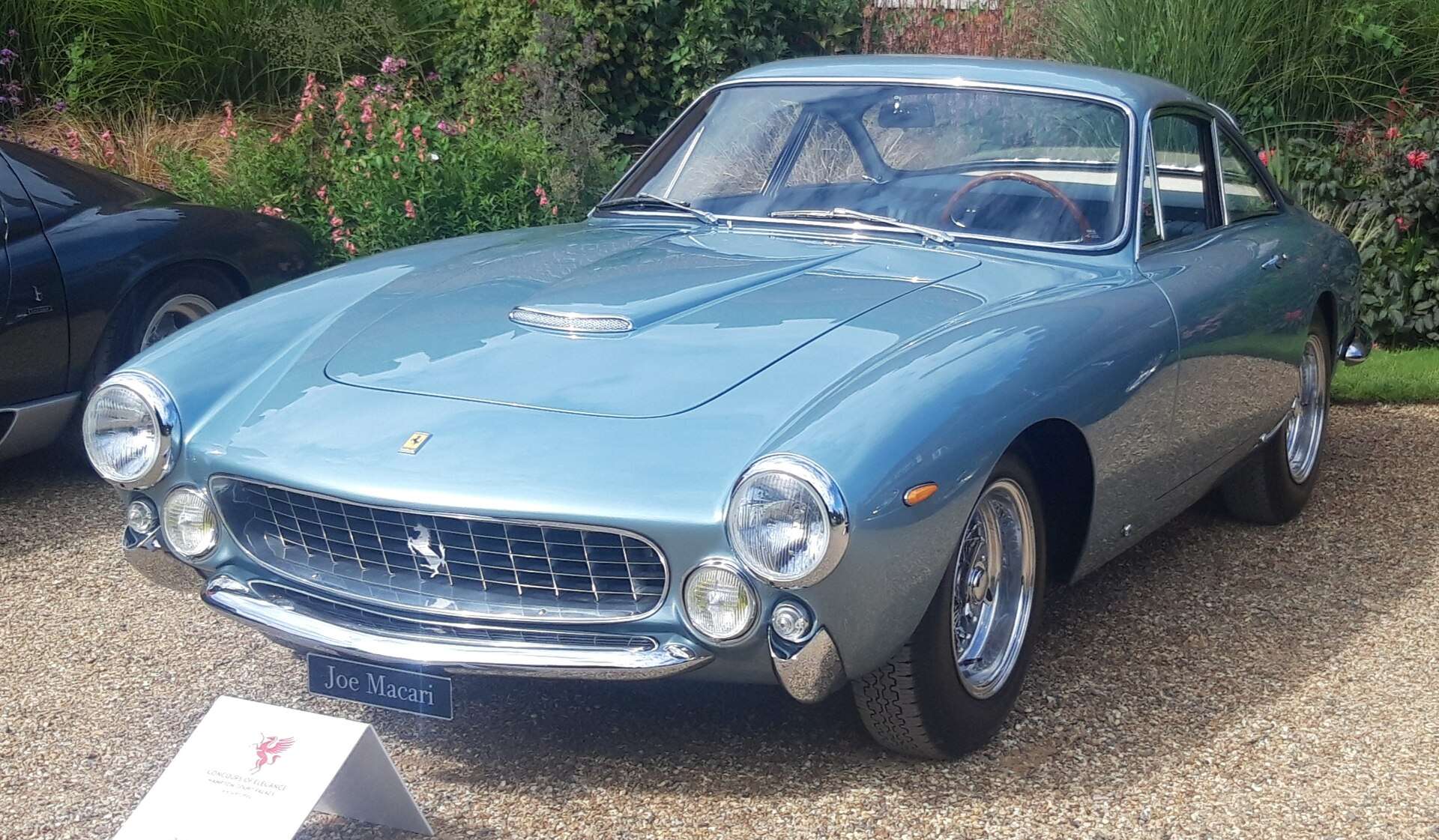
Featured image: blue Ferrari 250 GT Berlinetta Lusso front three-quarter. Photograph by MrWalkr, CC BY-SA 4.0, via Wikimedia Commons; locally hosted.
The last and most refined 250 GT berlinetta
Ferrari’s 250 family had already produced the long-wheelbase and short-wheelbase berlinettas, the 250 GTO and the practical 250 GTE 2+2. The Lusso did not replace those cars with a softer copy. It used the 2,400mm wheelbase associated with the sporting short-wheelbase cars, but moved the engine slightly forward and placed greater emphasis on cabin space, finish and high-speed comfort.
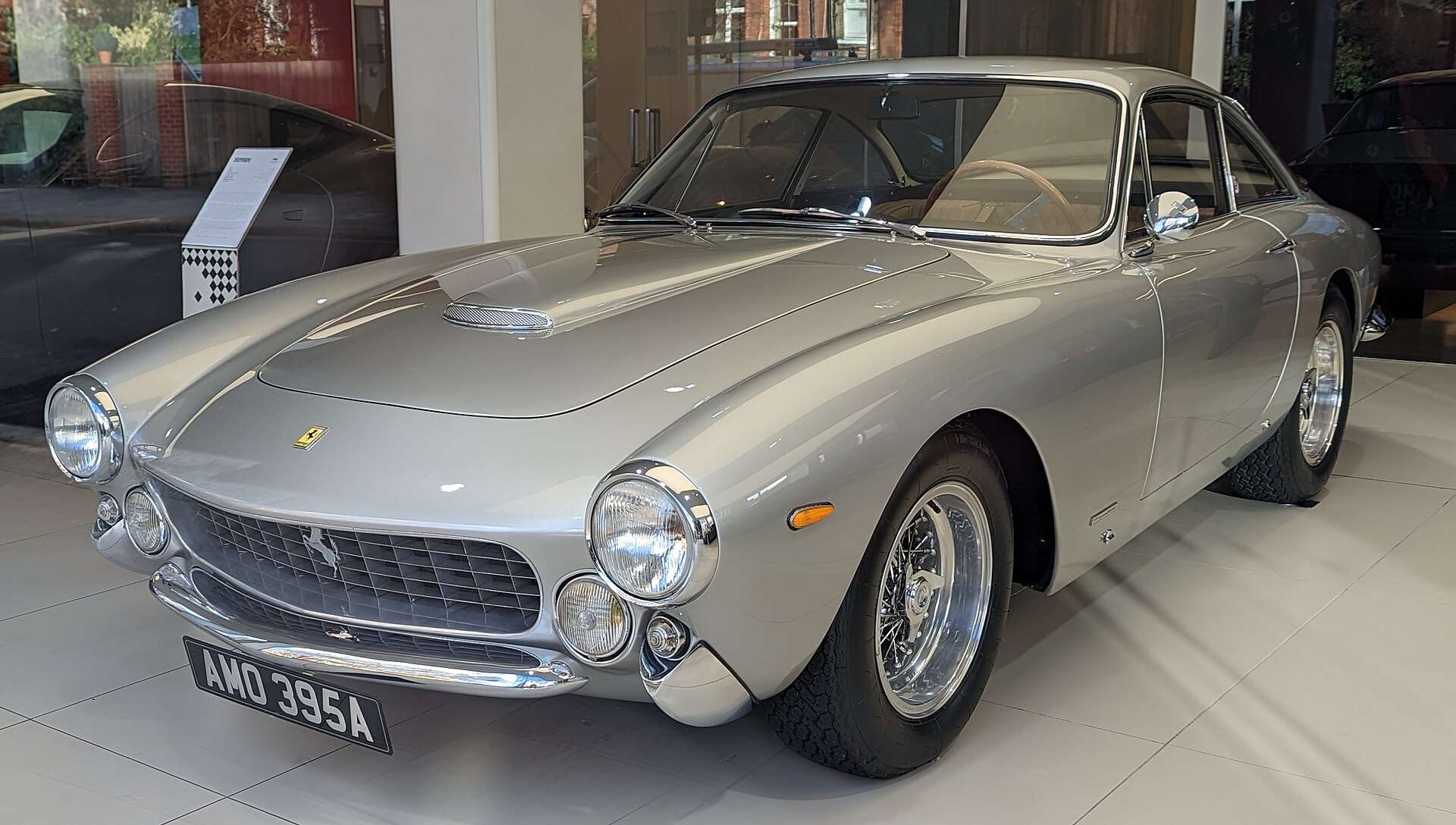
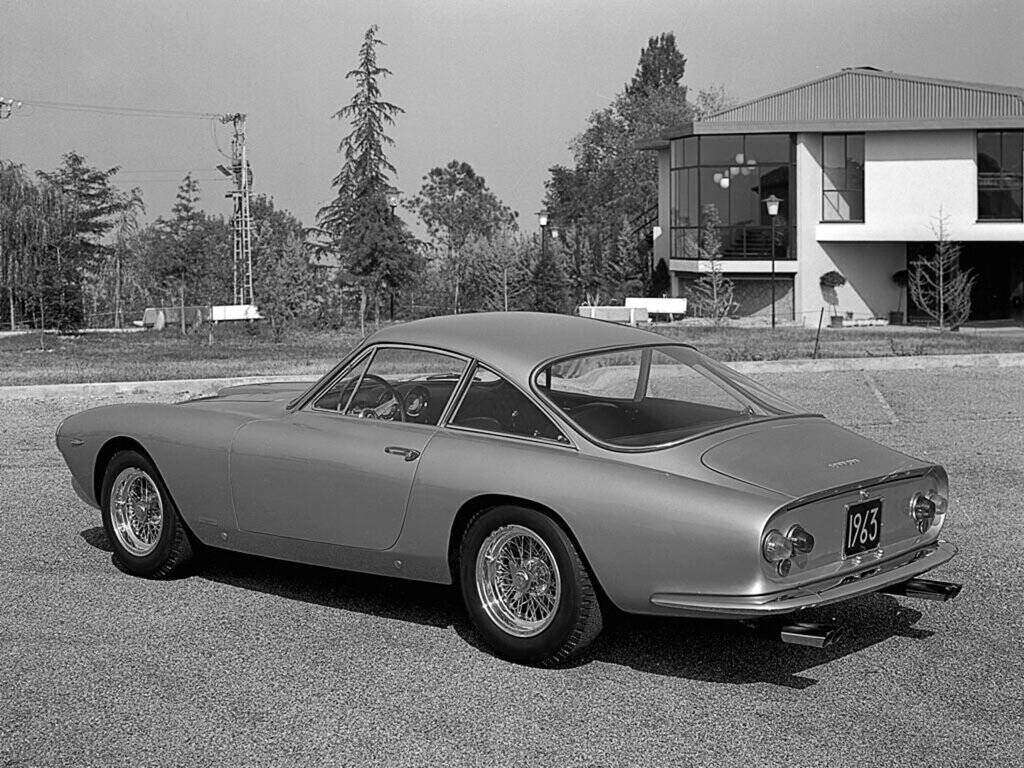
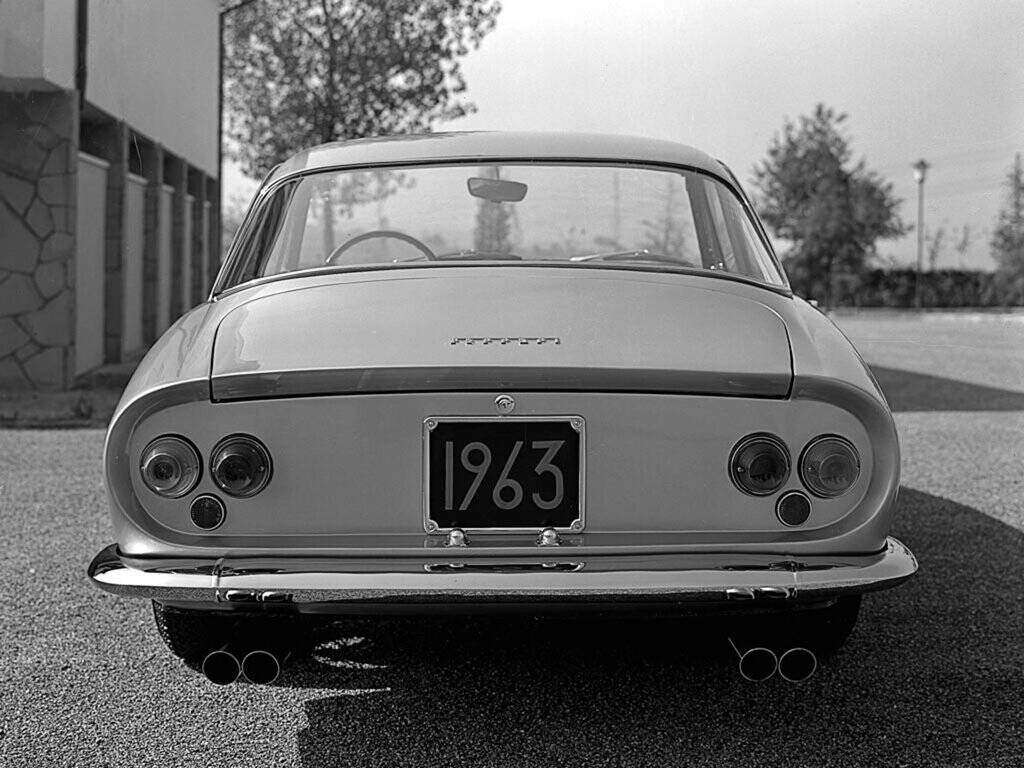
The body was drawn by Pininfarina and built by Scaglietti. A low nose, glassy fastback cabin and clipped Kamm tail made the car look modern without visual excess. The large speedometer and rev counter sit near the centre of the dashboard, with smaller instruments ahead of the driver. Production examples usually have single circular rear lamps; prototype details must not be used to authenticate a later car without factory records.
Specifications and road character
| Specification | 250 GT Berlinetta Lusso |
|---|---|
| Engine | 2,953cc 60-degree Colombo V12 |
| Power | 240hp at 7,500rpm |
| Carburettors | Three twin-choke Weber 36 DCS |
| Transmission | Four-speed all-synchromesh manual |
| Wheelbase | 2,400mm |
| Maximum speed | 240km/h |
The V12 drives through a conventional front-mounted gearbox to a live rear axle. Dunlop disc brakes were fitted at each corner. Coil springs around the rear dampers and a Watts linkage, ideas also seen on the contemporary GTO, controlled the rear axle while retaining a civilised ride. The Lusso is therefore a fast road car rather than a thinly disguised competition model.
Love cars you don’t see every day?
Get forgotten cars, surprising motoring stories and the most interesting finds from Unusual Cars by email.
Free to join. No spam. Unsubscribe whenever you like. See our privacy policy.
Identity and provenance come first
Begin with the chassis number and factory build information, then reconcile engine, gearbox, rear axle, body number, original colour and trim. Period ownership, export and registration records help close gaps. Ferrari Classiche certification can provide a useful factory assessment, but it does not replace a current independent inspection or make later repairs invisible.
Many Lussos have been restored more than once. Some lost original engines or gearboxes in an era when these were simply used cars; others received competition modifications, colour changes or replacement noses. Value depends on exactly what survives and how accurately missing parts were replaced. A complete photographic restoration file and invoices from recognised specialists are far more persuasive than a polished finish alone.
Body, frame and corrosion checks
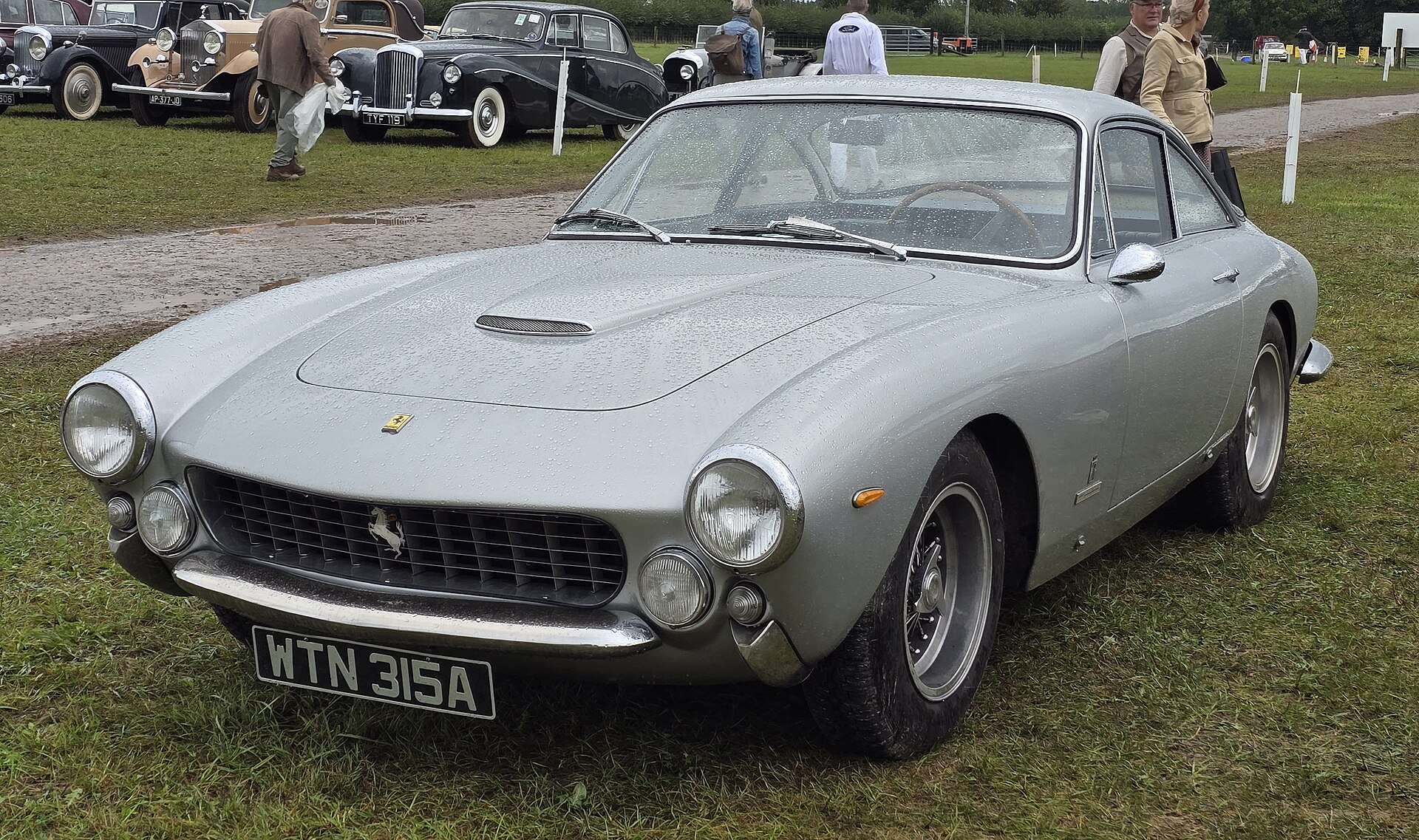
The tubular frame should be measured for alignment and examined around suspension pick-up points, outriggers and earlier repair areas. The main body is steel with aluminium bonnet, doors and boot lid, creating different corrosion and repair behaviour. Check sills, floors, wheelarches, lower wings, door bottoms, window apertures and the spare-wheel well.
Panel gaps on a hand-built car need not resemble a modern production line, but they should be coherent. Poor symmetry, excess filler, disturbed welds or a distorted roof can indicate accident damage. Aluminium panels demand specialist techniques; a cosmetically smooth panel may still have lost its original shape or thickness. Glass, lights, grille, handles and brightwork are difficult and costly to source correctly.

V12, gearbox and running gear
Insist on a genuinely cold start. Oil pressure should rise promptly, exhaust smoke should clear and the engine should settle evenly as it warms. Compression and leak-down testing are sensible. Inspect the cooling system, fuel tanks and lines, ignition, carburettor condition, exhaust and evidence of oil or coolant leaks. Correctly rebuilding a Colombo V12 is a major undertaking.
The four-speed gearbox should shift cleanly when warm, and the clutch should release without judder. Listen for rear-axle whine and inspect the Watts linkage, springs, dampers, bushes and wheel bearings. Dunlop brakes need a straight, progressive pedal. Borrani wire wheels or alternative period-correct equipment must be matched to factory documentation and assessed for cracks, loose spokes and incorrect tyres.
Sources and further reading
- Ferrari: 250 GT Berlinetta Lusso archive and specifications
- Ferrari: development of the 250 GT family
- Classic & Sports Car: 250 GT Lusso history and restoration study
- Classic & Sports Car: 250 GT specifications
Continue the Ferrari story
Explore the complete Ferrari hub. Continue with the Ferrari 365 GTB/4 Daytona and Ferrari 250 GTO.
Frequently asked questions
How many Ferrari 250 GT Lussos were built?
Approximately 350 production examples were completed between 1962 and 1964, with some sources counting a prototype separately.
Is the 250 GT Lusso the same as a 250 GT SWB?
No. It shares the 2,400mm wheelbase and 250-family engineering, but it has distinct Pininfarina and Scaglietti bodywork and a more luxurious road-going purpose.
What engine does the 250 GT Lusso use?
It uses a 2,953cc Colombo V12 with three twin-choke Weber carburettors, quoted by Ferrari at 240hp.
Did Ferrari build right-hand-drive 250 GT Lussos?
A small number were supplied in right-hand drive, so steering position and original market should be confirmed from chassis-specific factory records.
What matters most when buying a 250 GT Lusso?
Identity, component originality and documented restoration come first, followed by expert inspection of the frame, body, corrosion, V12, gearbox, axle, brakes and suspension.