UNUSUAL CARS MODEL GUIDE
The Ferrari 348 was the longitudinal-engined, mid-mounted V8 successor to the 328 and the direct predecessor of the F355. Produced from 1989 in tb coupé and ts targa form, it matured into the revised GTB and GTS before Ferrari added its first series-production two-seat V8 Spider.
Quick answer: a properly updated 348 is a vivid analogue Ferrari, not the failure sometimes portrayed. Buy on chassis set-up, mechanical history and originality. Essential checks include engine-out belt servicing, cam-chain tensioners, the dual-mass flywheel, gearbox and clutch, electrical connectors, cooling, suspension geometry, corrosion, roof seals and proof of later factory updates.
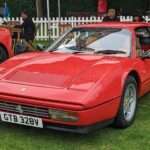
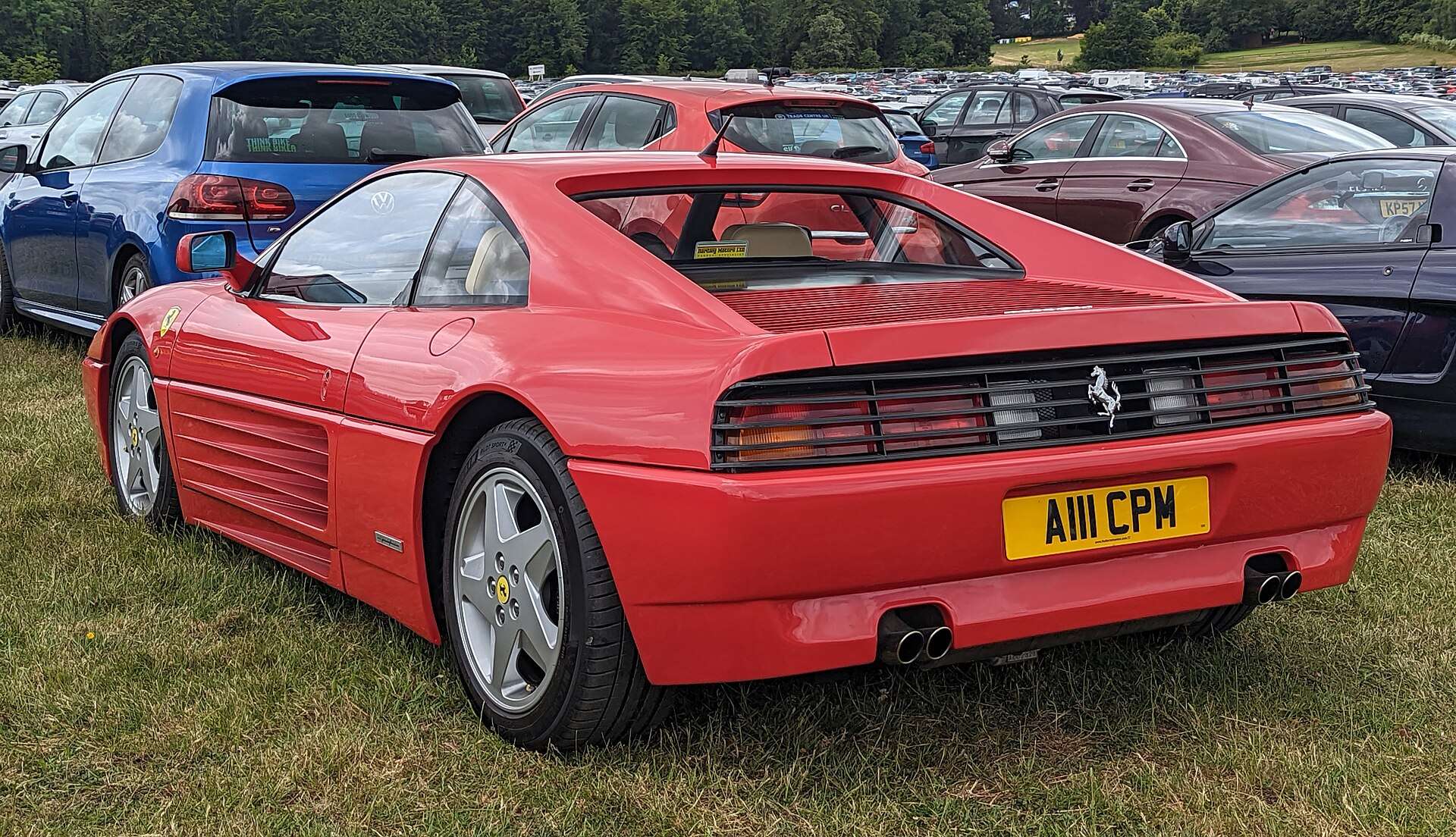
Featured image: red Ferrari 348 tb front three-quarter. Photograph by Calreyn88, CC BY-SA 4.0, via Wikimedia Commons; locally hosted.
A new layout for Ferrari’s V8 line
Ferrari revealed the 348 in 1989 with styling that echoed the Testarossa through straked side intakes and a full-width slatted tail. The important change lay beneath it: the 3,405cc dry-sump V8 was mounted longitudinally, while the five-speed gearbox sat transversely behind it. The model name combined 3.4 litres and eight cylinders.
Early European cars were rated at 300hp and used Bosch Motronic management. Unassisted steering, a gated gearshift and compact dimensions preserved direct feedback, but early chassis settings and tyre sensitivity contributed to a difficult reputation. Ferrari progressively revised suspension geometry, track width, engine management and detail equipment.
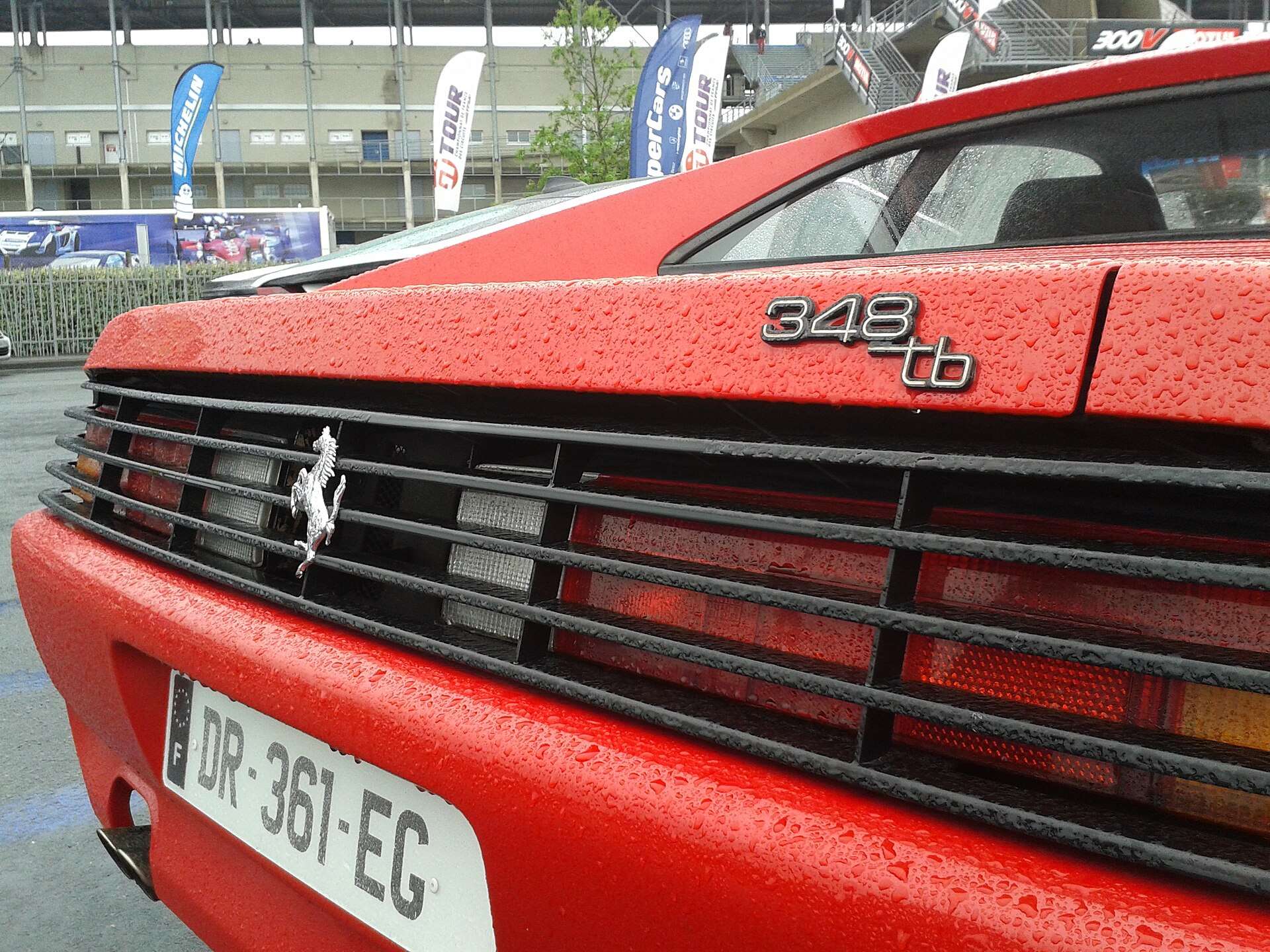
tb, ts, GTB, GTS and Spider
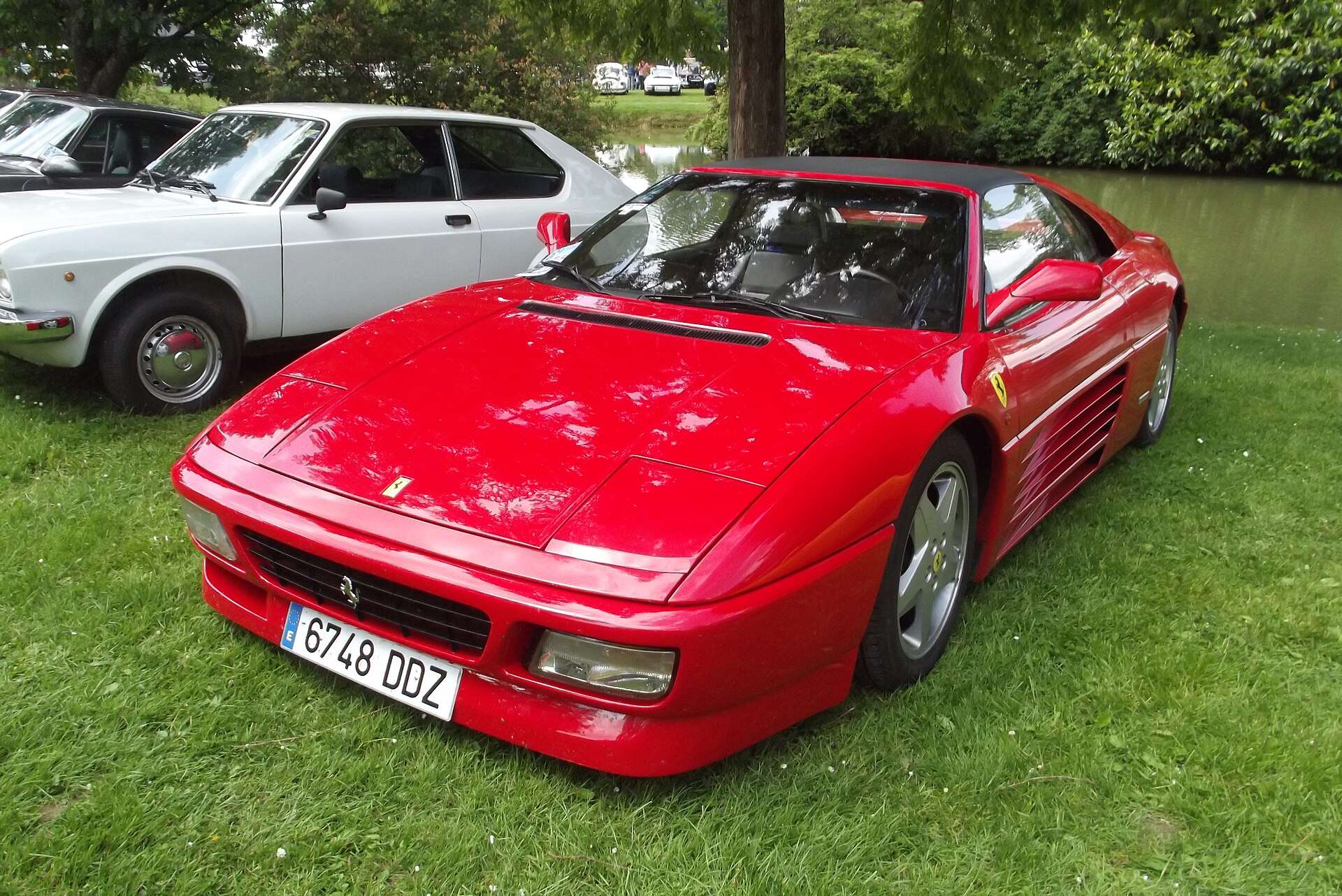
| Version | Roof | Main distinction |
|---|---|---|
| 348 tb | Fixed coupé | Original 1989 Berlinetta specification |
| 348 ts | Removable targa panel | Open-air version of the early car |
| 348 GTB/GTS | Fixed/targa | 1993 revisions, wider rear track and 320hp |
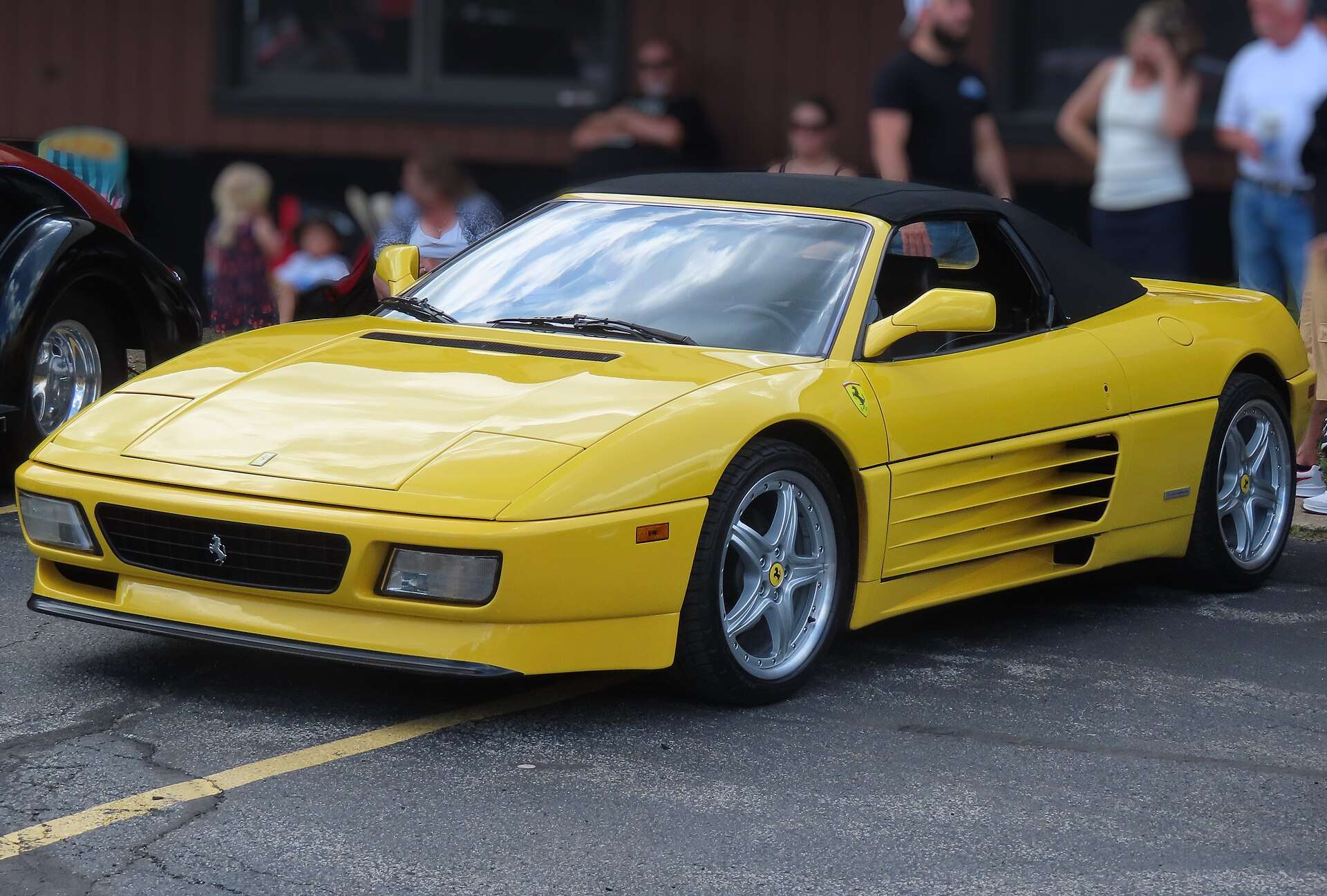
| 348 Spider | Folding fabric hood | Factory open model introduced for 1993 |
Late cars are more resolved, but an early example with documented updates and expert alignment can be excellent. The 348 Challenge began as a dealer-installed package for competition, while the rare GT Competizione added lightweight and racing-derived components. Confirm exceptional claims against chassis records rather than badges or later body additions.
Love cars you don’t see every day?
Get forgotten cars, surprising motoring stories and the most interesting finds from Unusual Cars by email.
Free to join. No spam. Unsubscribe whenever you like. See our privacy policy.
V8, belts and flywheel
The power unit must be removed for the scheduled timing-belt service, creating an opportunity to address tensioners, hoses, seals, water pump, mounts and inaccessible connections. Evidence should specify the work and parts rather than merely saying “major service”. Cam-chain tensioner updates and correct valve clearances also deserve confirmation.
The dual-mass flywheel contains special grease that can leak or deteriorate, causing starting, vibration or clutch-release problems. Specialists can rebuild the assembly, but improvised fixes are a warning. Inspect oil and coolant leaks, fuel hoses, radiators and fans, then test from cold until fully hot.

Gearbox, suspension and brakes
Second gear may resist when cold, but the gearbox should become clean and precise as the oil warms. Listen for differential or bearing noise and check clutch bite and release operation. Engine and gearbox removal makes neglected clutch or seal work disproportionately expensive.
Correct ride height, wheel offsets, tyres and alignment are central to how a 348 drives. Later geometry and wider rear track improved stability; poorly chosen wheels or casual alignment can undo that work. Inspect dampers, bushes, ball joints, steering rack, wheel bearings and brakes. A specialist road test is more informative than judging the model by reputation.

Body, electrics and open versions
Check steel sections, sills, wheelarches, door bottoms, screen surrounds and the rear subframe for corrosion or poor accident repair. The removable rear subframe should show competent servicing rather than damaged fixings. Paint depth and panel alignment help identify earlier repairs.
Electrical faults often arise from aged connectors, earths and fuse-board contacts. Test windows, mirrors, lights, instruments, ventilation and every warning lamp. Targa seals shrink and leak; Spider hoods need inspection for frame alignment, fabric condition and water ingress. Sticky switch coatings and leather shrinkage are repairable but should be reflected in condition.

Sources and further reading
- Ferrari: 348 tb factory specifications
- Ferrari: 348 Spider factory specifications
- Auto Express: Ferrari 348 buying guide
- PistonHeads: Ferrari 348 used buying guide
Continue the Ferrari story
Explore the complete Ferrari hub. Continue with the Ferrari 328 and Ferrari F355.
Frequently asked questions
What do Ferrari 348 tb and ts mean?
The tb is the fixed-roof Berlinetta and the ts is the version with a removable targa roof panel.
What changed on the 348 GTB and GTS?
The 1993 revisions brought 320hp, revised engine management, a wider rear track and numerous chassis and detail improvements.
Does a Ferrari 348 require an engine-out belt service?
Yes. Removing the power unit provides access to the timing belts and allows related hoses, seals, tensioners and mounts to be inspected.
Why does 348 suspension set-up matter?
The car is sensitive to ride height, alignment, tyre choice and wheel offset, so incorrect settings can make a sound example feel nervous.
What should be checked before buying a Ferrari 348?
Verify updates and belt history, then inspect the flywheel, clutch, gearbox, cooling, electrical connections, corrosion, accident repairs, tyres, alignment and roof seals.