UNUSUAL CARS MODEL GUIDE
The DB7 Zagato transformed Aston Martin’s most successful modern model into a tightly proportioned two-seat special. Conceived after a conversation between Ulrich Bez and Andrea Zagato, it replaced the DB7’s familiar Ian Callum body with aluminium coachwork, shortened the wheelbase and tuned the 5.9-litre V12. All 99 customer cars were spoken for before the press launch.
Quick answer: The DB7 Zagato was announced in 2002 and delivered in 2003. Ninety-nine customer cars were built, using a shortened DB7 Vantage platform, six-speed manual gearbox and a 435 bhp version of the 5,935 cc V12. It was not homologated for the United States. Buyers should verify factory identity, inspect aluminium body and steel structure, and assess V12 cooling, clutch, brakes and bespoke trim.
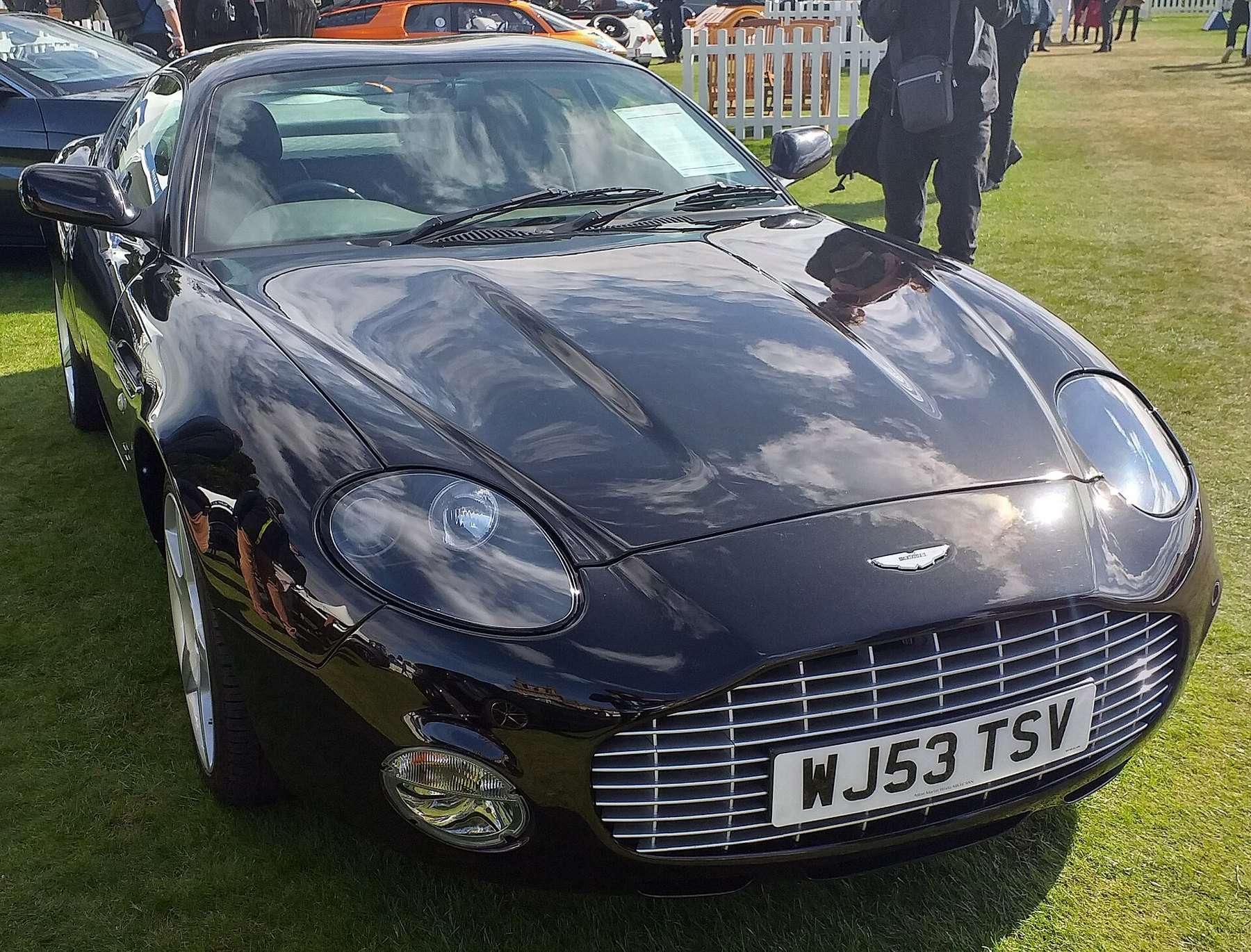
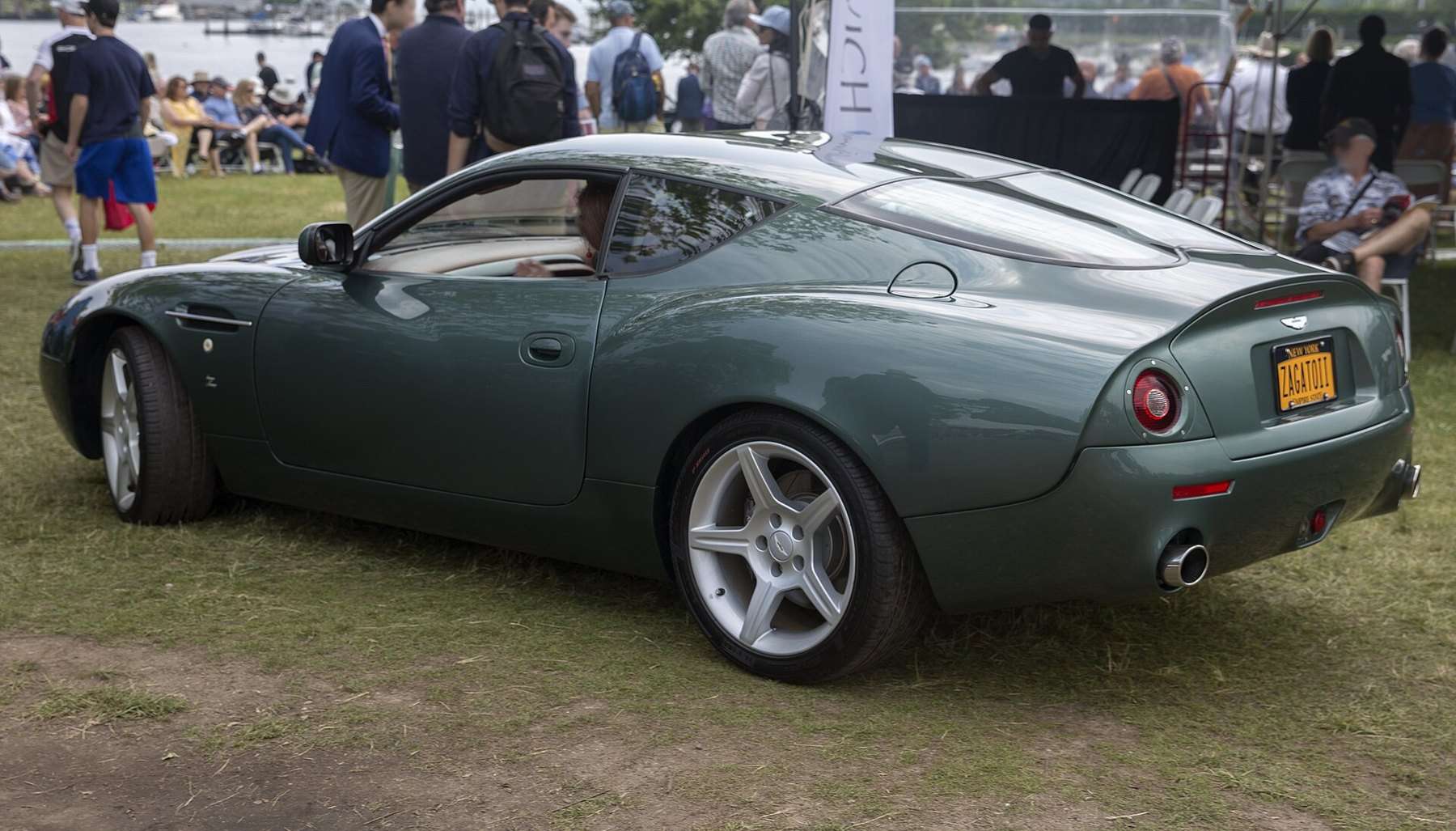
Featured image: Green Aston Martin DB7 Zagato front three-quarter view. Photograph by The Essex car spotter, CC BY-SA 4.0, via Wikimedia Commons; locally hosted.
From Pebble Beach idea to limited production
The project began at Pebble Beach in 2001, where Aston Martin chief Ulrich Bez and Andrea Zagato discussed renewing the companies’ relationship. A prototype appeared at the 2002 Paris motor show after the production plan had been announced at Geneva.
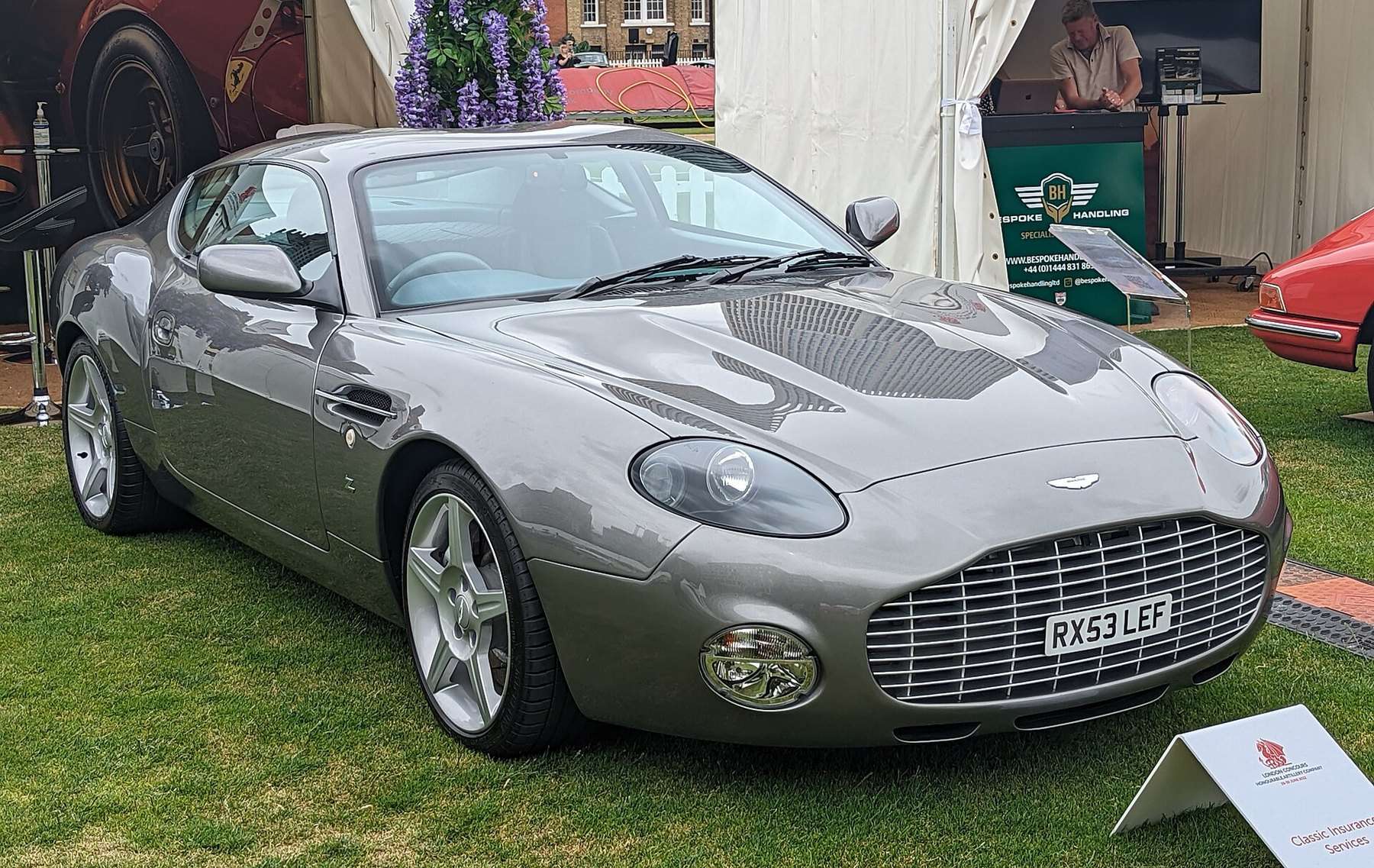
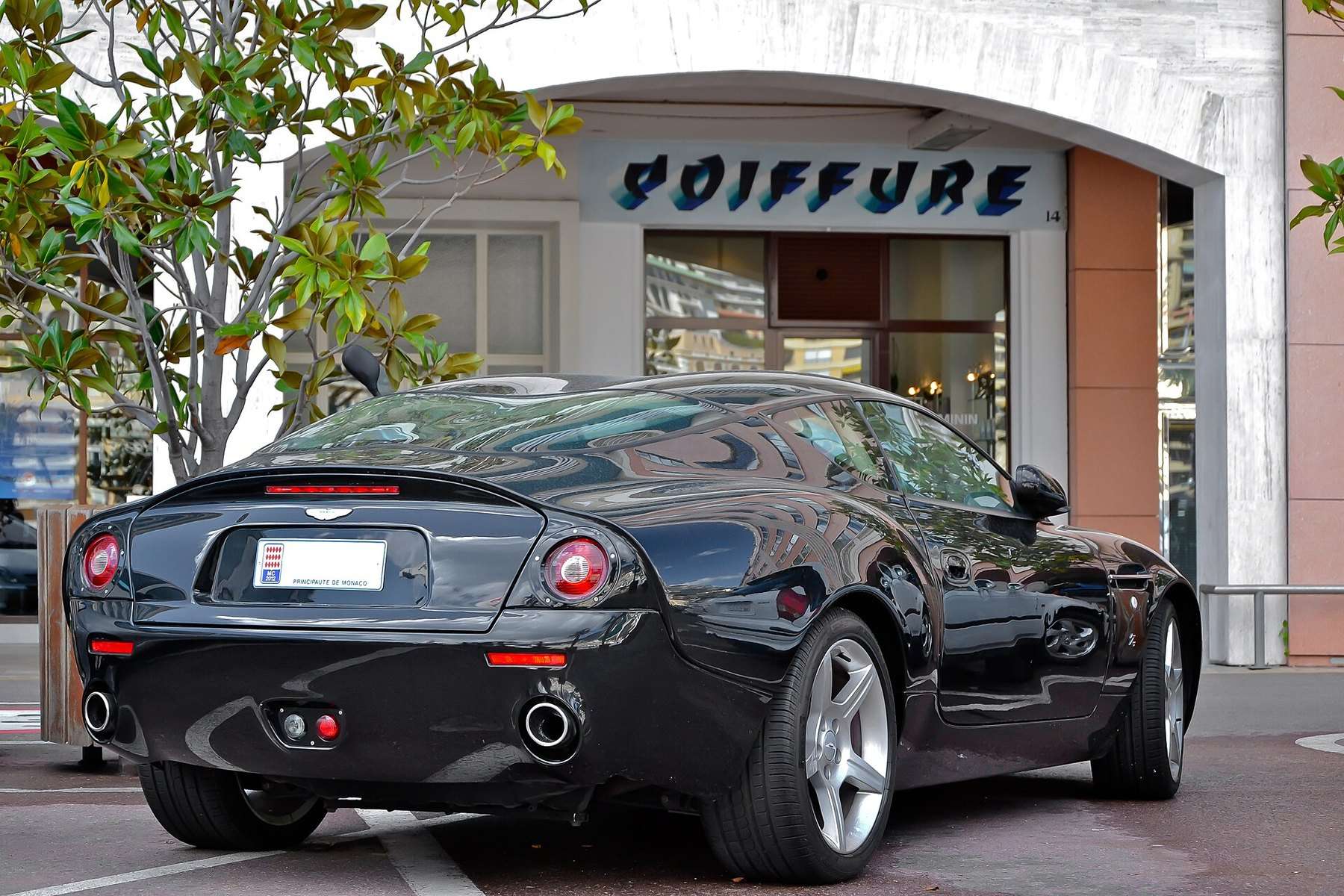
Nori Harada led the design at Zagato, with Aston Martin’s team reviewing the result. The double-bubble roof, large grille, circular rear lamps and short tail made the car recognisably Zagato without copying the DB4 GT. Bodies were produced in Italy and final assembly took place at Bloxham.
Shorter, lighter and more powerful
The wheelbase was shortened by 60 mm and the rear seats disappeared. Aluminium bodywork, reduced equipment and other changes cut mass, while the naturally aspirated 5,935 cc V12 was tuned to 435 bhp. Every customer car used a six-speed manual gearbox.
| Item | DB7 Zagato |
|---|---|
| Customer production | 99 cars |
| Engine | 5,935 cc V12 |
| Power | 435 bhp |
| Transmission | Six-speed manual |
| Layout | Two-seat, rear-wheel drive |
Suspension and braking were recalibrated for the lighter, shorter car. It feels more immediate than a regular DB7 Vantage, but condition and correct geometry are essential to preserve that advantage.
Love cars you don’t see every day?
Get forgotten cars, surprising motoring stories and the most interesting finds from Unusual Cars by email.
Free to join. No spam. Unsubscribe whenever you like. See our privacy policy.
DB7 Zagato, DB AR1 and numbering
The DB7 Zagato coupé was aimed primarily at Europe and was not homologated for the United States. Aston Martin and Zagato answered American demand with the open DB AR1, a separate model based on the full-length chassis and intended for fair-weather use.
One hundred coupé chassis numbers existed, but the production total quoted for customers is 99 because Aston Martin retained the first car. Confirm the precise build number, original specification and delivery market rather than relying on a numbered plaque alone.
Bodywork, structure and accident repairs
The aluminium outer panels can suffer dents, cracks, electrolytic corrosion and poor reshaping. Inspect panel edges, the roof bubbles, lamp apertures, door gaps, windscreen surrounds and mounting points. Bespoke glass, lamps and trim can be difficult or slow to replace.
Beneath the special body sits the DB7’s steel-based structure. Check sills, jacking points, floors, suspension pick-ups and moisture traps, using a lift. Mixed-material repairs require appropriate techniques; photographs and specialist invoices should accompany any significant work.
V12, clutch, cooling and brakes
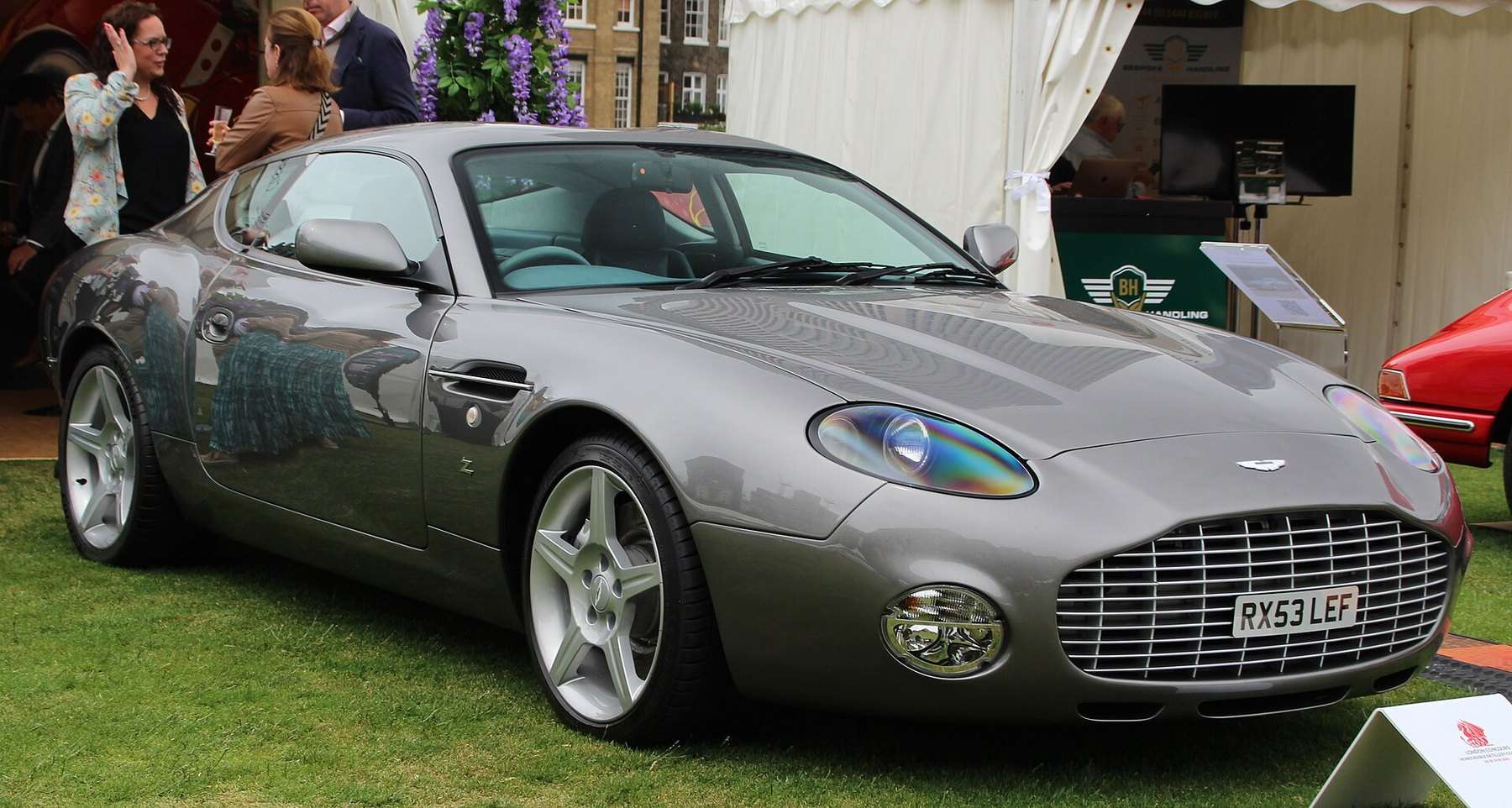
The V12 is durable when maintained but generates substantial heat. Check radiators, fans, hoses, coolant, thermostat control and evidence of overheating. Misfires may involve plugs, coils or air leaks. Oil leaks and aged hoses are common age-related concerns.
The manual clutch is costly to replace, so test for slip, judder and heavy or inconsistent action. The gearbox should select cleanly when cold and hot. Measure brake condition, check dampers and bushes, and inspect correct wheels for damage. Old tyres should be replaced regardless of tread depth.
Cabin, records and the best example
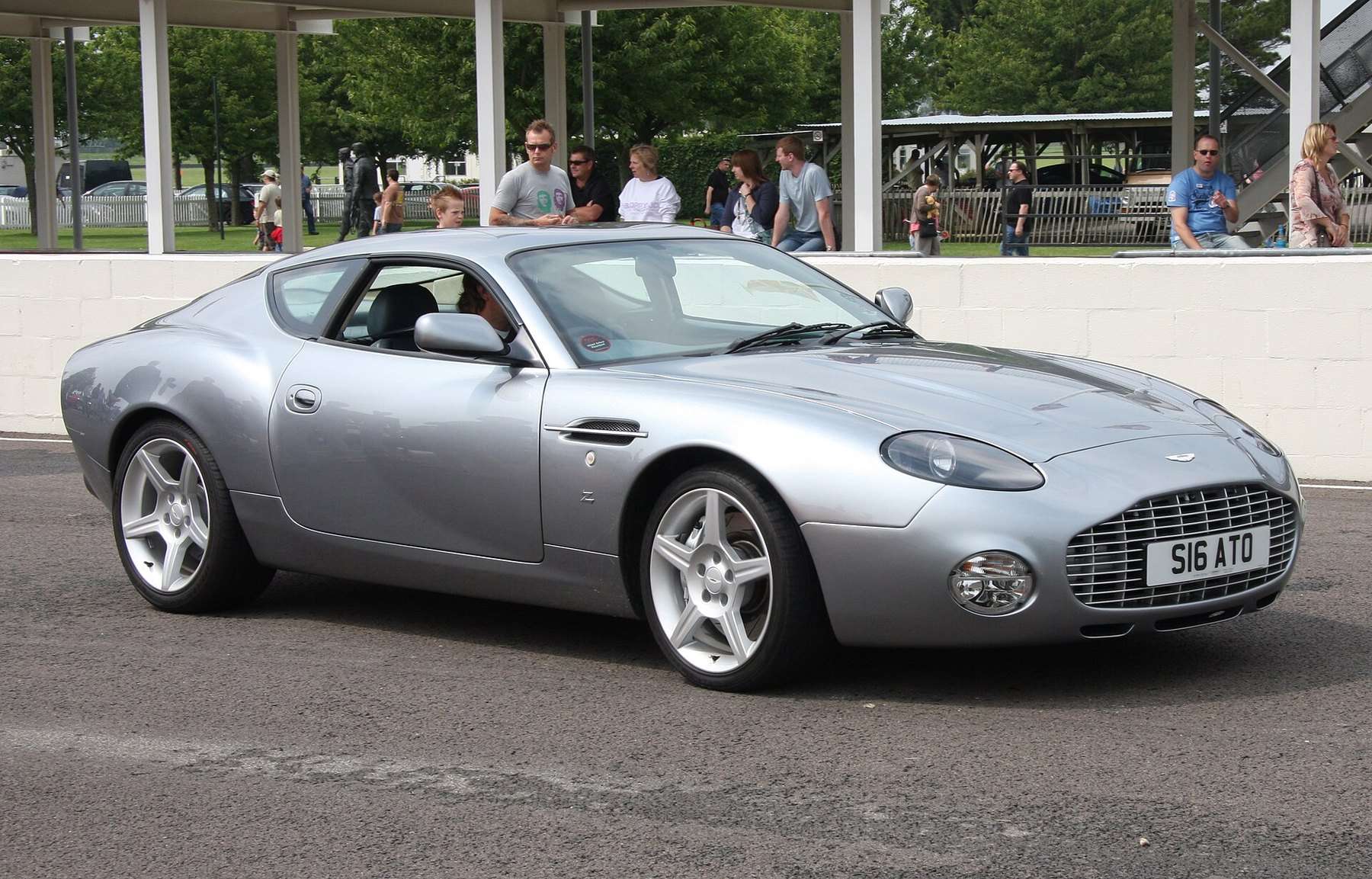
Unique leatherwork, instruments, switches and Zagato details are central to the car’s value. Test air conditioning, windows, locking, alarm, seat controls and all gauges. Water ingress and low battery voltage can produce electrical faults in rarely used examples.
Seek a complete factory record, original books, keys, tools and invoices from recognised specialists. A higher-mileage car maintained and exercised correctly can be preferable to a dormant display car. The strongest purchase combines verified identity, original bespoke parts, sound structure and a transparent history.
Sources and further reading
- Aston Martin Media: DB7 Zagato history
- Aston Martin Media: DB AR1 background
- Aston Martin Heritage Trust
- Zagato heritage
- Aston Martin Owners Club
Continue the Aston Martin story
The DB7 Zagato closed the DB7 era with a compact coachbuilt form and renewed a partnership that continued through later V12 specials. Explore the complete Aston Martin hub. Compare the DB7 Vantage. Continue with the V12 Vanquish.
Frequently asked questions
How many Aston Martin DB7 Zagatos were built?
Ninety-nine customer cars were built; Aston Martin retained the first of 100 numbered chassis.
What engine does the DB7 Zagato use?
It uses a 5,935 cc naturally aspirated V12 tuned to 435 bhp.
Is the DB7 Zagato shorter than a normal DB7?
Yes. Its wheelbase was shortened by 60 mm and it has two seats rather than the DB7’s 2+2 layout.
Was the DB7 Zagato sold in the United States?
The coupé was not homologated for the United States; the separate open DB AR1 was created for that market.
What should be checked before buying?
Verify identity and bespoke parts, then inspect aluminium bodywork, steel structure, V12 cooling, clutch, brakes and electrical systems.