UNUSUAL CARS MODEL GUIDE
The Aston Martin DB5 needs no introduction, yet its cinematic fame can obscure why the car mattered. Introduced in 1963 as a carefully developed DB4 rather than a clean-sheet replacement, it brought a larger 4.0-litre straight six, a five-speed ZF gearbox, improved brakes and more equipment to the familiar aluminium-bodied grand tourer. It became the public face of Aston Martin, but underneath the mythology is a complex hand-built car that demands specialist knowledge.
Quick answer: the DB5 was built from 1963 to 1965 as a saloon and Convertible, with a small number of Vantage and coachbuilt shooting-brake derivatives. Its 3,995 cc twin-cam straight six was quoted at 282 bhp in standard form, while the Vantage used three Weber carburettors and different camshafts. Most cars have a five-speed ZF manual gearbox; a three-speed Borg-Warner automatic was optional.
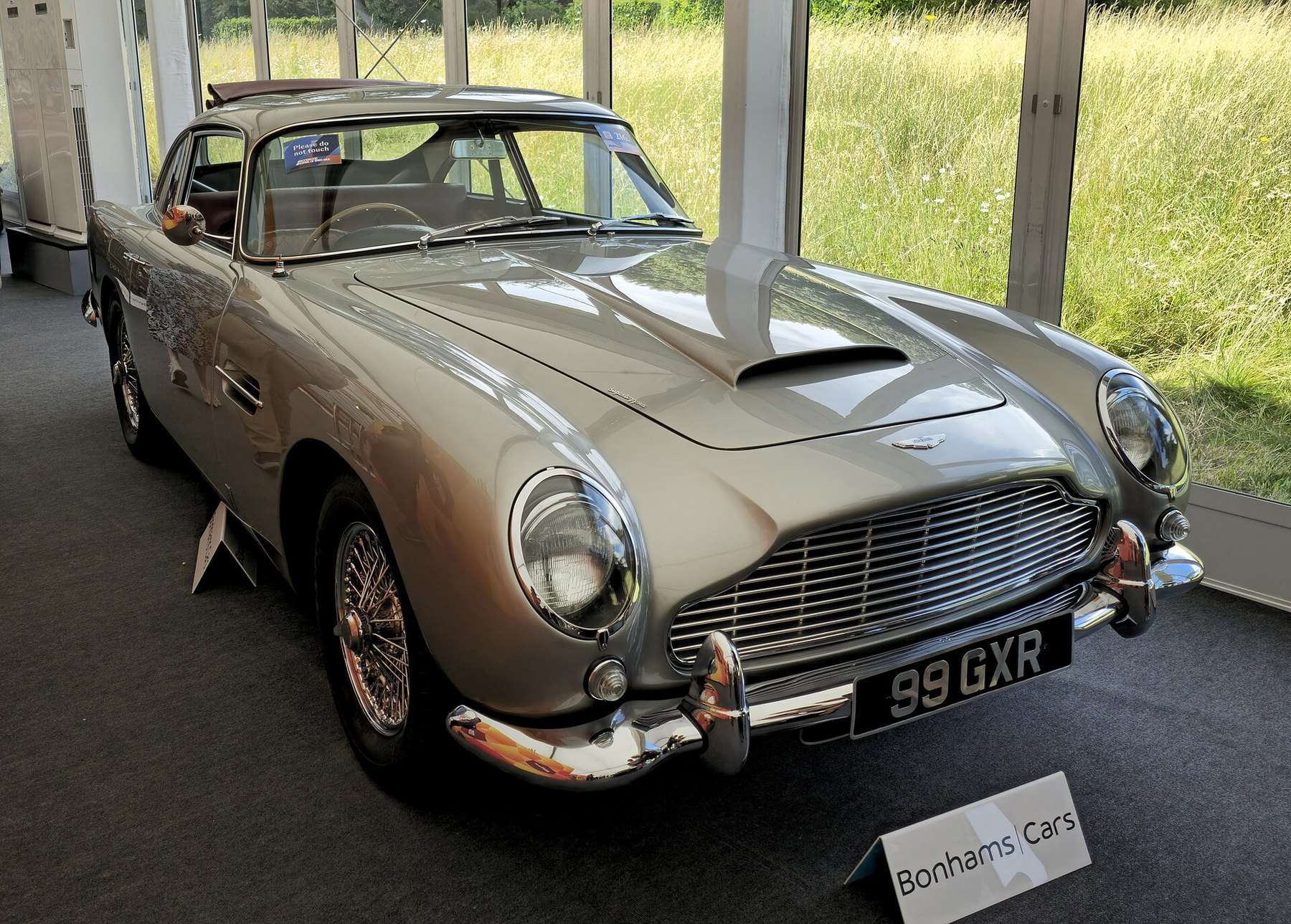
Featured image: 1963 Aston Martin DB5 Sports saloon. Photograph by Calreyn88, CC0, via Wikimedia Commons; locally hosted.
How the DB4 became the DB5
The DB5 retained the DB4’s basic platform, wheelbase and Touring-influenced construction, but Aston Martin improved the car in dozens of detail areas. Enlarging the engine from 3.7 to 4.0 litres gave more torque, while the fully synchromesh ZF five-speed gearbox replaced the earlier David Brown four-speed unit. Girling disc brakes, electric windows and twin hydraulic brake servos helped make the DB5 a more mature long-distance car.
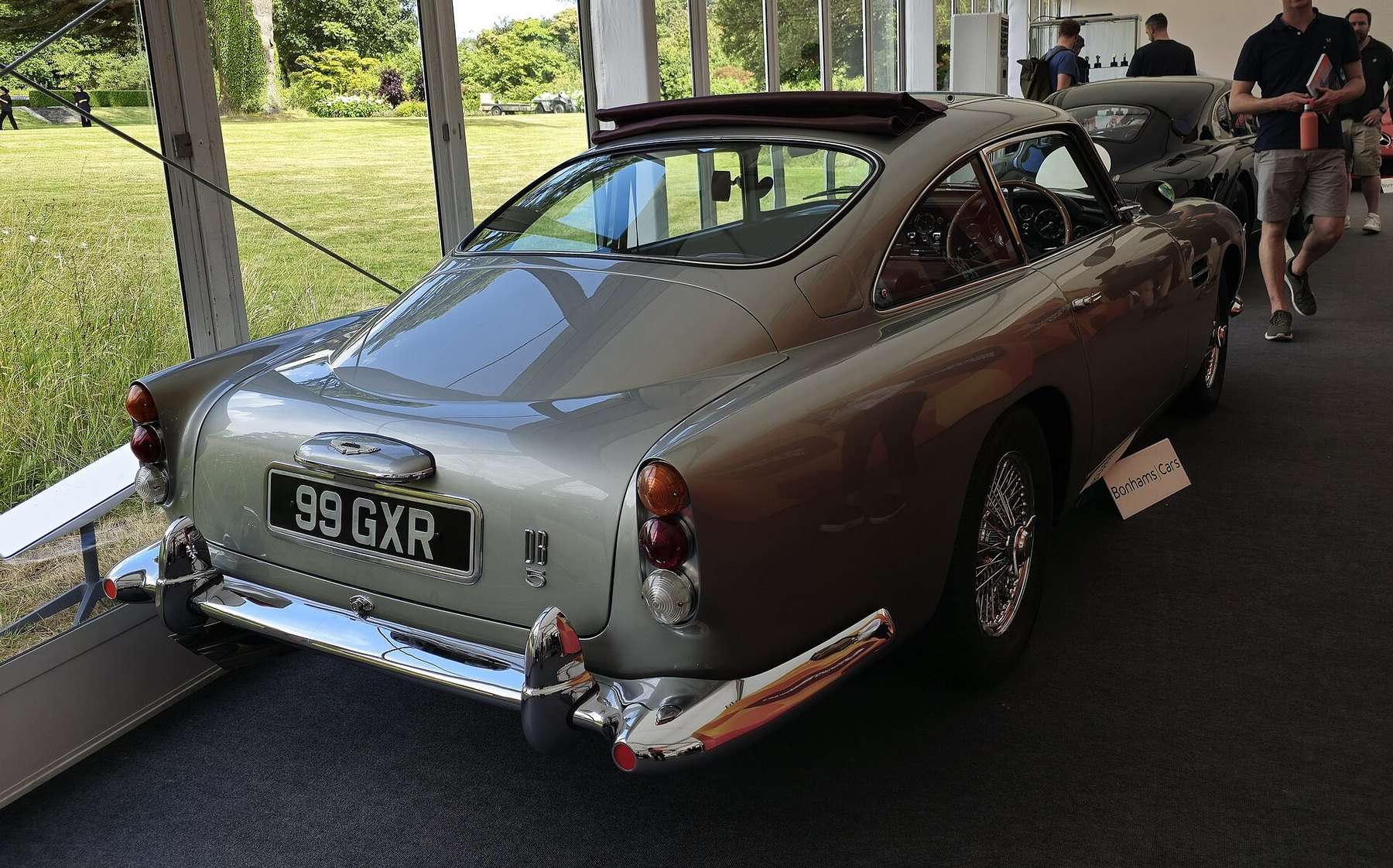
The body still used aluminium panels over a steel framework. The Superleggera badge described the construction method and Touring connection rather than a lightweight car in the modern sense: the DB5 was more comprehensively equipped and heavier than the earliest DB4s.

Models and factory specification
| Version | Main distinction |
|---|---|
| DB5 Saloon | 4.0-litre straight six, usually five-speed ZF manual |
| DB5 Vantage | Three Weber carburettors, revised camshafts and higher output |
| DB5 Convertible | Open model with optional removable steel hardtop |
| Shooting brake | Very small number converted for estate-car practicality |
| Automatic | Borg-Warner three-speed transmission offered as an option |
Individual cars vary because Aston Martins were hand-built and many DB5s have been restored, upgraded or converted over six decades. Factory build records are essential when a car is presented as a Vantage, rare colour combination or special-bodied derivative.
Love cars you don’t see every day?
Get forgotten cars, surprising motoring stories and the most interesting finds from Unusual Cars by email.
Free to join. No spam. Unsubscribe whenever you like. See our privacy policy.
Body structure and corrosion
The greatest risk is the relationship between aluminium outer panels and the steel structure beneath. Moisture and failed isolation material can encourage electrolytic corrosion, while rust in the steel frame may remain hidden until bubbling appears in the aluminium. Inspect the sills, outriggers, floors, bulkheads, door frames, wheelarches and suspension mounting areas.
Panel gaps should be consistent and the long doors should close without lifting. A bright repaint is not proof of sound construction. Proper restoration may require removing the body skin and rebuilding the underlying frame, so photographs, invoices and the restorer’s identity matter more than cosmetic presentation.
Engine, cooling and transmission
The twin-cam straight six is durable when maintained but expensive to rebuild. Start it from cold and watch for smoke, low oil pressure, coolant loss, timing-chain noise and uneven fuelling. Check the aluminium cylinder head for corrosion and evidence of overheating, then confirm that the radiator, hoses, water pump and fan arrangement keep temperature stable in traffic.
The ZF gearbox is robust but can be noisy and slow when worn. Clutch, overrun noise and differential condition all require a long road test. An automatic should engage promptly and shift cleanly. Ask whether the original engine and gearbox remain and compare numbers with the build record.

Vantage, Convertible and modifications
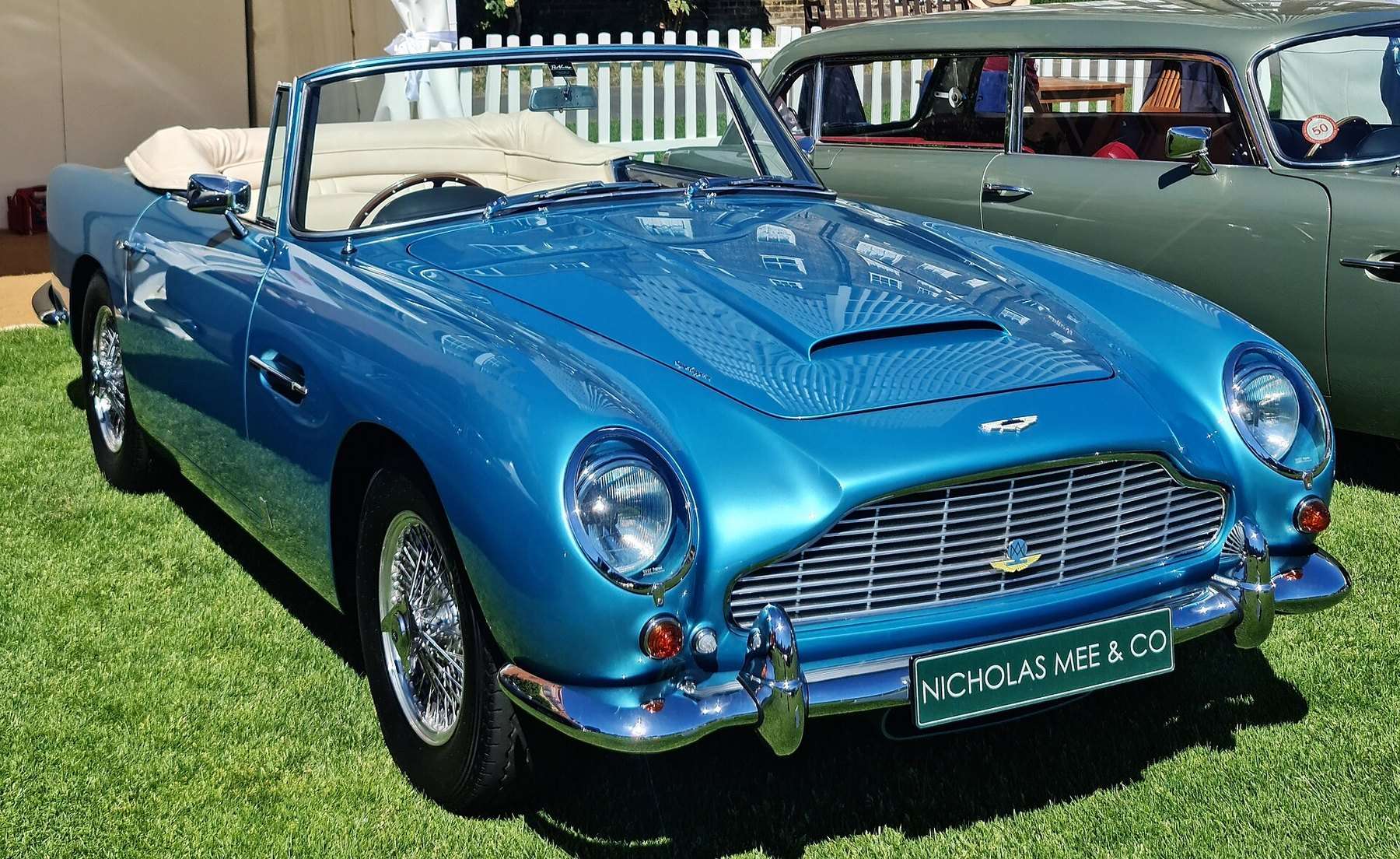
A genuine Vantage carries greater rarity and value, making documentation particularly important. Carburettors and badges can be changed, but the build sheet should establish the specification. The Convertible needs careful examination around its reinforced structure, hood frame, drainage points and rear body, and any hardtop should be checked for identity and fit.
Common upgrades include electronic ignition, improved cooling, power steering, air conditioning and discreet brake changes. Sensible modifications can make a DB5 easier to use, but their quality, reversibility and effect on originality must be understood before purchase.
How to buy a DB5
Begin with provenance, not paint colour. Confirm chassis, engine, gearbox and original specification through Aston Martin records, then examine restoration invoices and photographs. A specialist should inspect the car on a lift, test compression and leak-down where appropriate, assess corrosion between dissimilar metals and verify that the cooling, brakes and electrics work under real conditions.
Values make authenticity errors and hidden structural problems exceptionally costly. The best DB5 is not necessarily the lowest-mileage example; it is the one with coherent history, sound structure, correct identity and evidence of regular, expert maintenance.
Sources and further reading
- Aston Martin: DB5 and DB5 Convertible history and specifications
- Aston Martin Media: DB5 heritage archive
- Carwow: Aston Martin DB5 classic buying guide
- Aston Workshop: DB5 restoration and ownership context
Continue the Aston Martin story
The DB5 is Aston Martin’s best-known classic, but its engineering and restoration story is more useful to an owner than the film mythology alone. Explore the complete Aston Martin hub. Continue with the 1977 V8 Vantage. See how the Virage modernised the hand-built V8 line.
Frequently asked questions
When was the Aston Martin DB5 built?
The DB5 was produced from 1963 to 1965, with saloon and Convertible body styles plus a small number of special derivatives.
What engine does the Aston Martin DB5 use?
It uses a 3,995 cc twin-cam straight six, quoted at 282 bhp in standard form.
What is a DB5 Vantage?
The Vantage used three Weber carburettors and different camshafts to provide higher performance than the standard DB5.
Does every DB5 have a five-speed manual gearbox?
No. The five-speed ZF manual was the usual transmission, but a three-speed Borg-Warner automatic was optional.
What is the biggest DB5 buying risk?
Hidden corrosion in the steel structure and electrolytic damage where aluminium panels meet steel can make restoration exceptionally expensive.