UNUSUAL CARS MODEL GUIDE
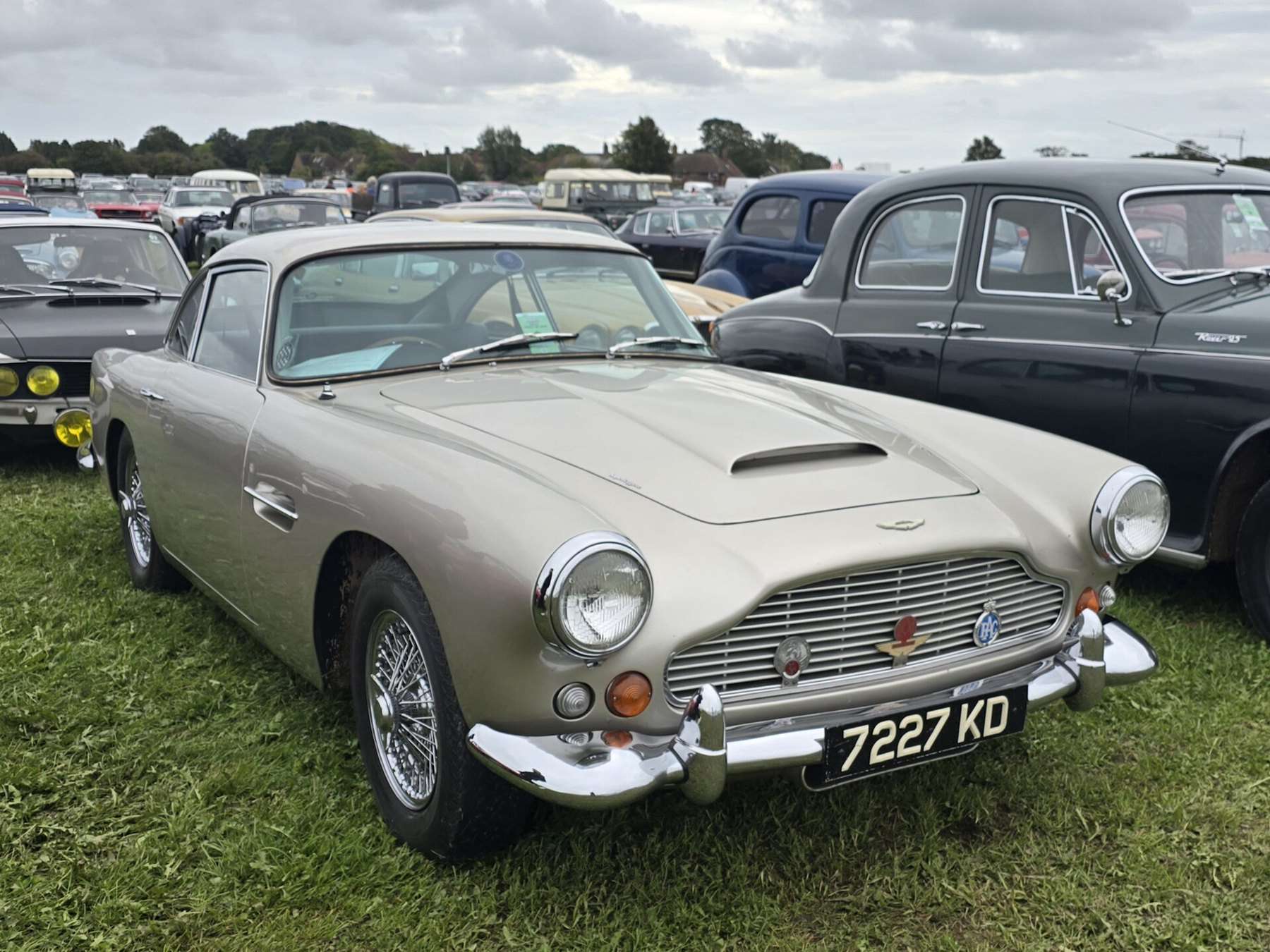
The Aston Martin DB4 established the shape and engineering vocabulary that made the marque famous in the 1960s. Introduced in 1958, it combined a new Tadek Marek-designed twin-cam straight six, disc brakes and a body styled by Touring of Milan. Its aluminium panels were carried over a steel framework using Touring’s Superleggera method. Five informal series, the short-wheelbase DB4 GT and the rare Convertible make correct identification essential today.
Quick answer: the DB4 was produced from 1958 to 1963 with a 3,670 cc straight six, four-speed manual gearbox and all-round disc brakes. Five evolutionary series changed details such as bumpers, grille, lamps, bonnet and body length. The DB4 GT used a shorter wheelbase, lighter construction and a higher-output twin-plug engine. Structural corrosion and authenticity dominate any purchase.
Featured image: 1959 Aston Martin DB4. Photograph by Calreyn88, CC BY-SA 4.0, via Wikimedia Commons; locally hosted.
A completely new Aston Martin
The DB4 replaced the DB Mark III with a clean-sheet platform and powertrain. Touring’s fastback shape was modern, but the new car’s significance went beyond styling: it created the basic architecture from which the DB5 and DB6 would develop. Production took place at Newport Pagnell after David Brown acquired the Tickford works.
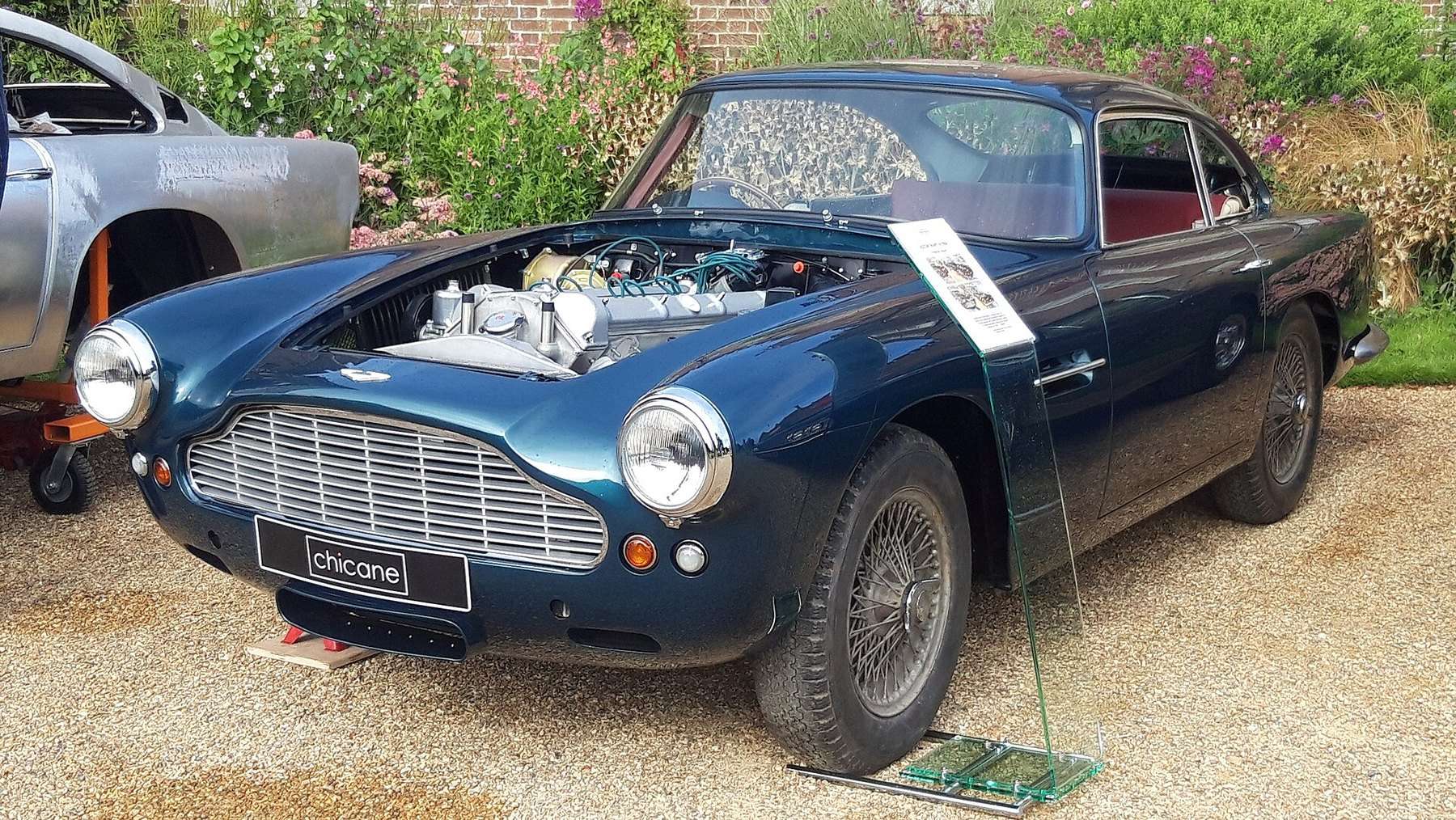
The 3.7-litre aluminium straight six used twin overhead camshafts and twin SU carburettors in standard form. A David Brown four-speed gearbox, coil-sprung front suspension, live rear axle and Dunlop disc brakes gave the DB4 genuine high-speed grand-touring ability.

Series 1 to 5 and major derivatives
| Version | Identifying development |
|---|---|
| Series 1 | Early bumper and rear-light treatment; many running changes |
| Series 2 | Revised bonnet and ventilation details |
| Series 3 | Three small rear lamps and further trim development |
| Series 4 | Barred grille and more established later appearance |
| Series 5 | Longer body and higher roof anticipating the DB5 |
| DB4 GT | Shorter, lighter, two-seat high-performance model |
The series names were adopted retrospectively and changes overlapped. Chassis number, build sheet and physical specification must be considered together rather than relying on a single visual detail.
Love cars you don’t see every day?
Get forgotten cars, surprising motoring stories and the most interesting finds from Unusual Cars by email.
Free to join. No spam. Unsubscribe whenever you like. See our privacy policy.
Superleggera construction and corrosion
Superleggera construction wraps aluminium panels around small steel tubes attached to the main platform. When moisture reaches the structure, steel rust and electrolytic reaction can damage the aluminium skin. Bubbling paint may therefore be the visible sign of much deeper deterioration.
Inspect the sills, floors, outriggers, bulkheads, suspension pick-up points, door frames, windscreen apertures and wheelarches. Doors should close cleanly and gaps should be consistent. A correct structural restoration often requires the aluminium skin to be removed, making photographs, measurements and the restorer’s reputation critical evidence.
Straight six, gearbox and cooling
The aluminium twin-cam six needs expert maintenance. From cold, check oil pressure, smoke, timing-chain noise and even running. Cylinder-head corrosion, failed liners, overheating and poor carburettor setup can lead to major expense. The cooling system must remain stable in traffic as well as on an open road.
The four-speed gearbox should select cleanly without jumping out of gear, and overdrive on later cars must engage correctly where fitted. Listen for rear-axle noise and assess clutch, propeller shaft and universal joints. Engine and gearbox numbers should be compared with the factory record.

GT, Convertible and questions of identity
The DB4 GT has a shorter wheelbase, thinner aluminium panels, lightweight fittings and a twin-plug engine with three Weber carburettors. Its value makes accurate identity and continuous provenance indispensable. Standard cars have sometimes been converted to GT appearance or specification; such cars can be enjoyable but must not be represented as factory GTs.
The Convertible is also rare and needs particular scrutiny around its reinforced structure, hood frame, drains and rear body. Factory colours, trim, engine specification and any period competition history should be supported by build records rather than oral history.

Restoration history and buying strategy
Begin with the chassis identity and factory build sheet, then trace ownership, engine changes, competition use and restoration. Examine photographs and invoices to understand whether the frame, body and mechanical systems were rebuilt together or merely cosmetically refreshed.
A specialist inspection should include the hidden steel structure, aluminium corrosion, compression or leak-down testing, cooling, brakes, steering and suspension. A DB4 with a sound structure and coherent history is usually a safer purchase than a glossy car whose restoration cannot be documented.
Sources and further reading
- Aston Martin: DB4 and DB4 Convertible history
- Aston Martin Media: DB4 heritage archive
- Aston Workshop: DB4 restoration and technical publications
- Classic & Sports Car: Aston Martin DB4 buyer's guide
Continue the Aston Martin story
The DB4 created the engineering and visual foundation for Aston Martin’s best-known 1960s grand tourers, while the GT established a formidable competition lineage. Explore the complete Aston Martin hub. Continue with the DB5. See how the line evolved into the DB6.
Frequently asked questions
When was the Aston Martin DB4 built?
The DB4 was produced from 1958 to 1963 before being developed into the DB5.
What engine does the Aston Martin DB4 use?
It uses a 3,670 cc aluminium twin-cam straight six designed under Tadek Marek.
How many DB4 series are there?
Enthusiasts divide normal production into five evolutionary series, although changes overlapped and the names were applied retrospectively.
What is the Aston Martin DB4 GT?
The DB4 GT is a shorter, lighter high-performance derivative with a twin-plug engine, three Weber carburettors and two-seat layout.
What is the biggest DB4 buying risk?
Hidden corrosion in the steel structure and electrolytic damage beneath the aluminium body can make restoration exceptionally complex and expensive.