UNUSUAL CARS MODEL GUIDE
The Stage 1 V8 was the bridge between the traditional Series Land Rover and the coil-sprung One Ten. It put the Range Rover’s aluminium V8 and permanent-four-wheel-drive LT95 transmission into a strengthened 109-inch Series III, then signalled the change with a flush grille and full-width bonnet.
Quick answer: the Stage 1 V8 was built from 1979 to 1985, mainly as 109-inch Station Wagons, utilities and pick-ups. Its 3,528 cc Rover V8 was deliberately detuned to about 91 bhp, driving all four wheels permanently through a four-speed LT95 gearbox with lockable centre differential and low range.
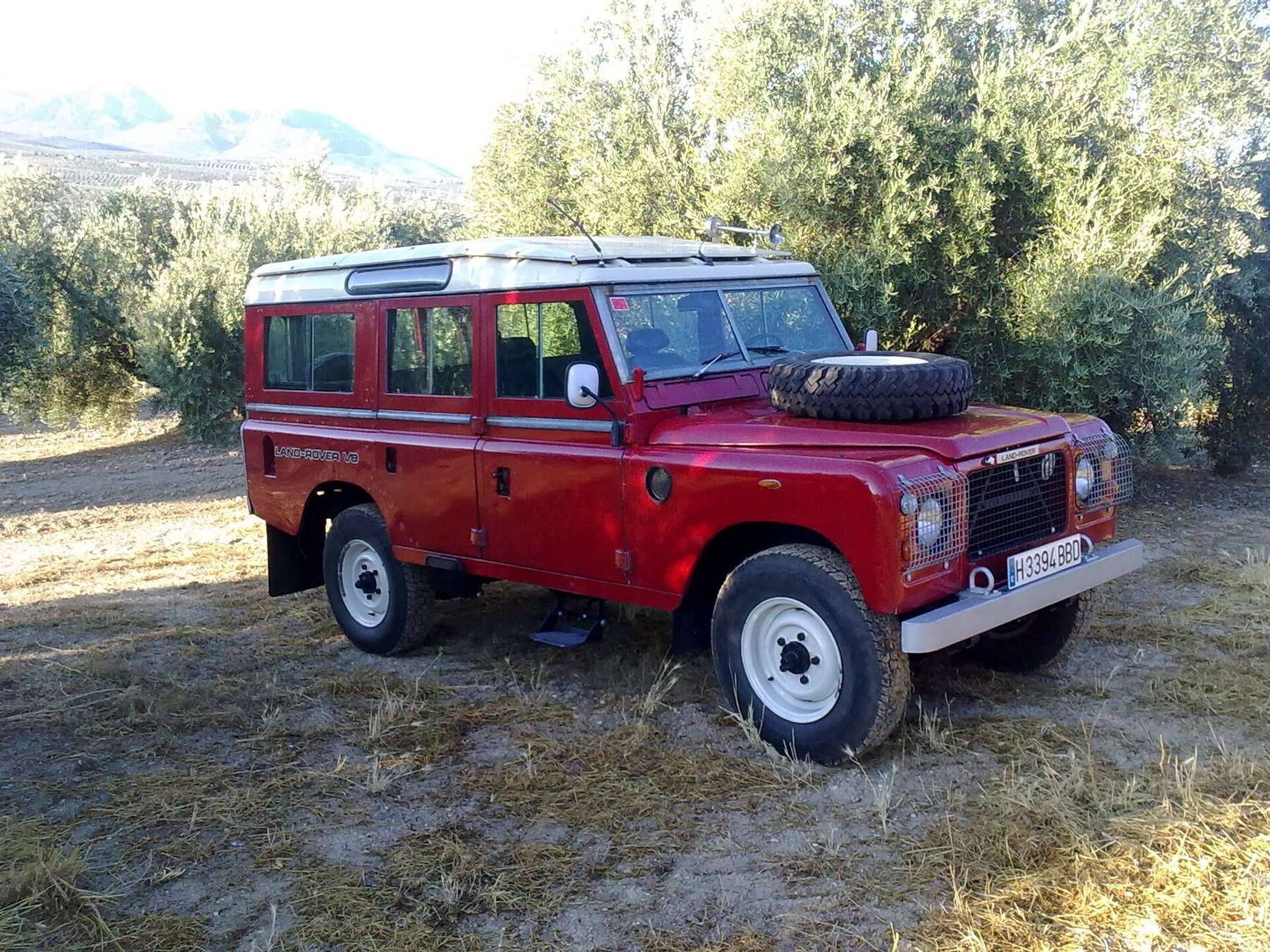
Featured image: 1982 Land Rover Series III Stage 1 V8 109 Station Wagon. Photograph by Sicnag, CC BY 2.0, via Wikimedia Commons; locally hosted.
Why it was called Stage 1
The model emerged from the first stage of a wider investment programme intended to update Land Rover. The priority was to give the long-wheelbase vehicle more effortless performance without waiting for an entirely new generation.
Engine mounts, front axle, chassis details and cooling were revised for the V8. The radiator moved forward, producing the characteristic flat front with the grille aligned to the wings rather than recessed behind them.
V8 and permanent four-wheel drive
| Item | Stage 1 V8 specification |
|---|---|
| Production | 1979–1985 |
| Engine | 3,528 cc aluminium Rover V8 |
| Output | Approximately 91 bhp in standard detuned form |
| Gearbox | Four-speed LT95 manual |
| Four-wheel drive | Permanent, with lockable centre differential and low range |
| Main wheelbase | 109 inches |
Restrictive intake components and conservative tuning kept the output modest but delivered smooth torque. Unlike a normal Series III, there was no selectable two-wheel-drive mode; the LT95 continuously drove both axles.

Love cars you don’t see every day?
Get forgotten cars, surprising motoring stories and the most interesting finds from Unusual Cars by email.
Free to join. No spam. Unsubscribe whenever you like. See our privacy policy.
Bodies and market position
Most buyers encountered the 109-inch Station Wagon, hard top, truck cab or utility body. County trim added a more civilised interior and exterior finish on some vehicles. Rare short-wheelbase prototypes and special-market derivatives require documentary evidence rather than assumptions based on appearance.
The Stage 1 remained leaf-sprung and visually close to the Series III. The coil-sprung One Ten arrived in 1983, but Stage 1 production continued for some markets until 1985.
How to identify a Stage 1
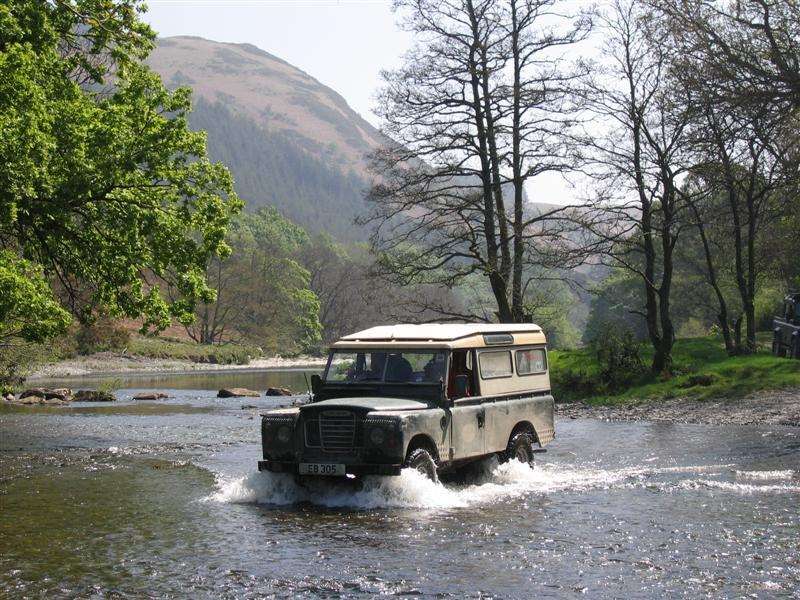
Look for the forward radiator and flush grille, full-width bonnet, V8 chassis and engine details, correct axles and the LT95 transmission. Chassis and engine numbers should correspond with factory records or a recognised heritage certificate.
Many surviving vehicles have replacement chassis, engines or front panels. Those changes can be practical, but must be documented. A converted Series III should not be represented or valued as a factory Stage 1.

Chassis, bulkhead and body checks
Inspect the rear crossmember, main rails, outriggers, spring hangers, dumb irons and every chassis repair. Check the bulkhead around footwells, door pillars, vents and windscreen frame. Aluminium panels can hide structural corrosion and electrolytic damage where dissimilar metals meet.
Doors, seat boxes and tub supports also deserve attention. A galvanised replacement chassis is not automatically undesirable, but the work, identity stamping and paperwork must be credible.
Engine, gearbox and buying priorities
Start the V8 from cold, check oil pressure, cooling stability, exhaust smoke and leaks around the valley gasket, rocker covers and front cover. Carburettors should be correctly balanced and the ignition system maintained. Overheating or long periods of disuse can be costly.
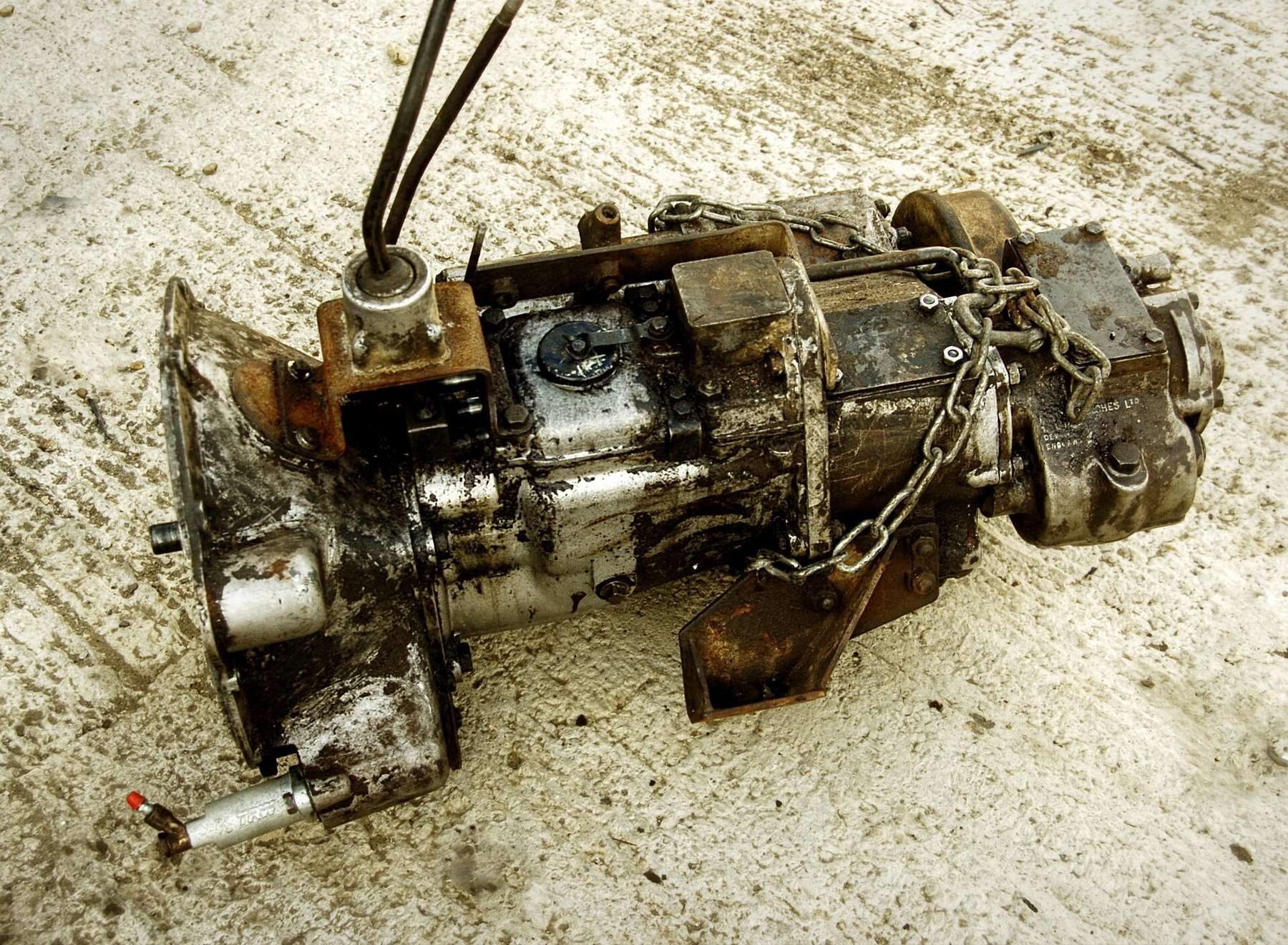
The LT95 is strong but can whine, leak and suffer worn linkages or centre-differential components. Test high and low range and differential lock. Buy on structural quality, verified identity and completeness: Stage 1-specific front, axle and transmission parts matter as much as paint.
Sources and further reading
- Stage 1 V8 Owners Club factory specification
- University of Worcester: history of utility Land Rover design
- Rovers North Land Rover owner's guide and model history
- LR-Mad Stage 1 V8 historical overview
Continue the Land Rover story
The Stage 1 V8 is the missing link between the leaf-sprung Series III and the permanent-four-wheel-drive, V8-powered One Ten. Explore the complete Land Rover hub. Compare the V8-powered 101 Forward Control. Continue with the Defender Heritage Edition.
Frequently asked questions
Why is it called the Land Rover Stage 1 V8?
It was the first stage of an investment programme to update Land Rover before the later coil-sprung models arrived.
What engine does the Stage 1 V8 use?
It uses a detuned 3,528 cc Rover aluminium V8 producing about 91 bhp in standard form.
Is the Stage 1 V8 permanent four-wheel drive?
Yes. Its LT95 gearbox and transfer case drive both axles permanently, with a lockable centre differential and low range.
How can a Stage 1 V8 be identified?
Check the flush grille and forward radiator, V8 chassis details, LT95 driveline, numbers and factory or heritage documentation.
What are the main Stage 1 V8 buying risks?
Structural corrosion, undocumented replacement chassis or identity changes, incomplete Stage 1-specific parts, overheating and a worn LT95 driveline are the main concerns.