UNUSUAL CARS MODEL GUIDE
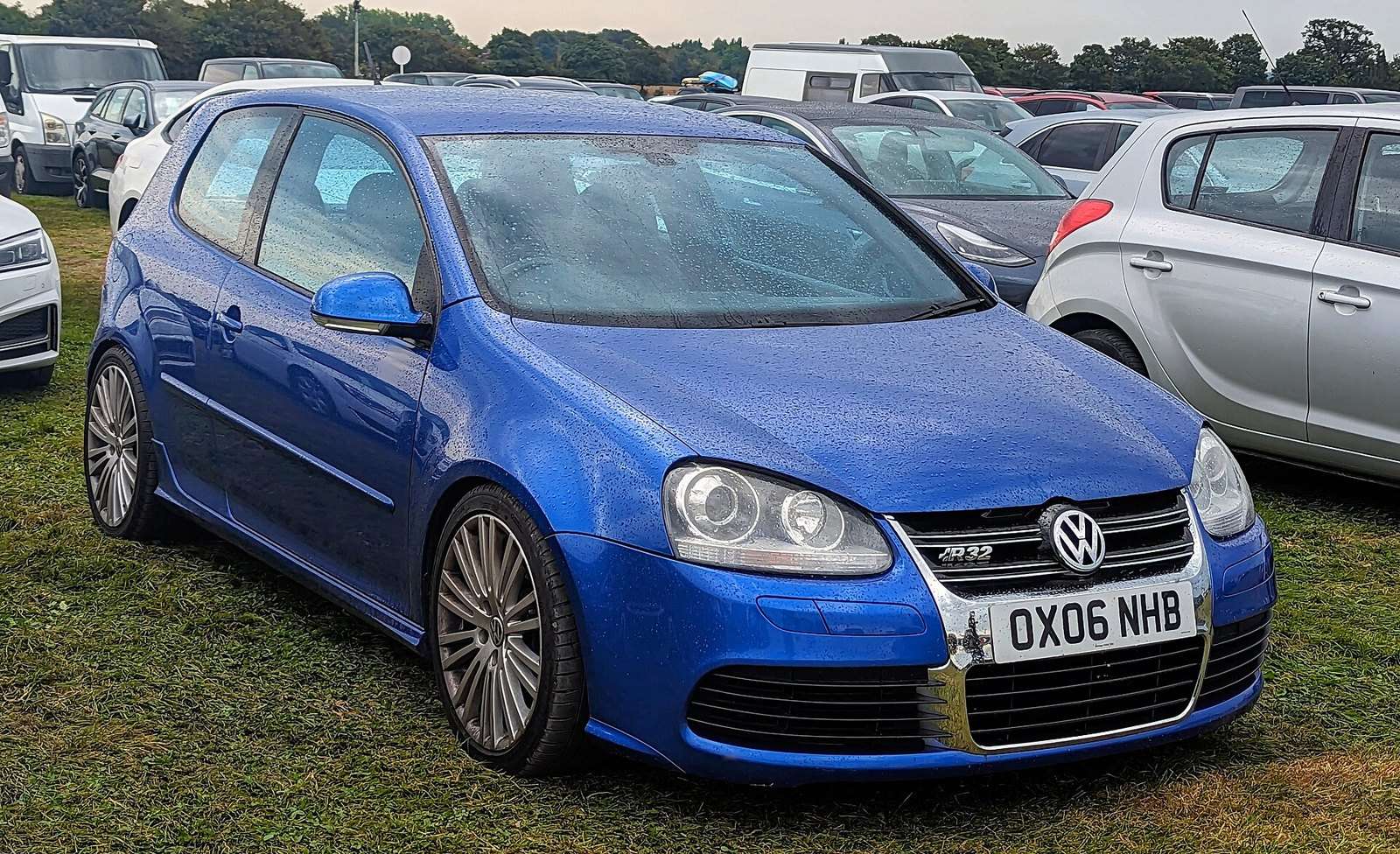
The Mk5 Golf R32 refined the original formula with a stronger platform, 250PS version of the 3.2-litre VR6 and a choice of six-speed manual or DSG transmissions. Launched in 2005, it became the final six-cylinder production Golf and the bridge between the first R32 and the turbocharged Golf R era.
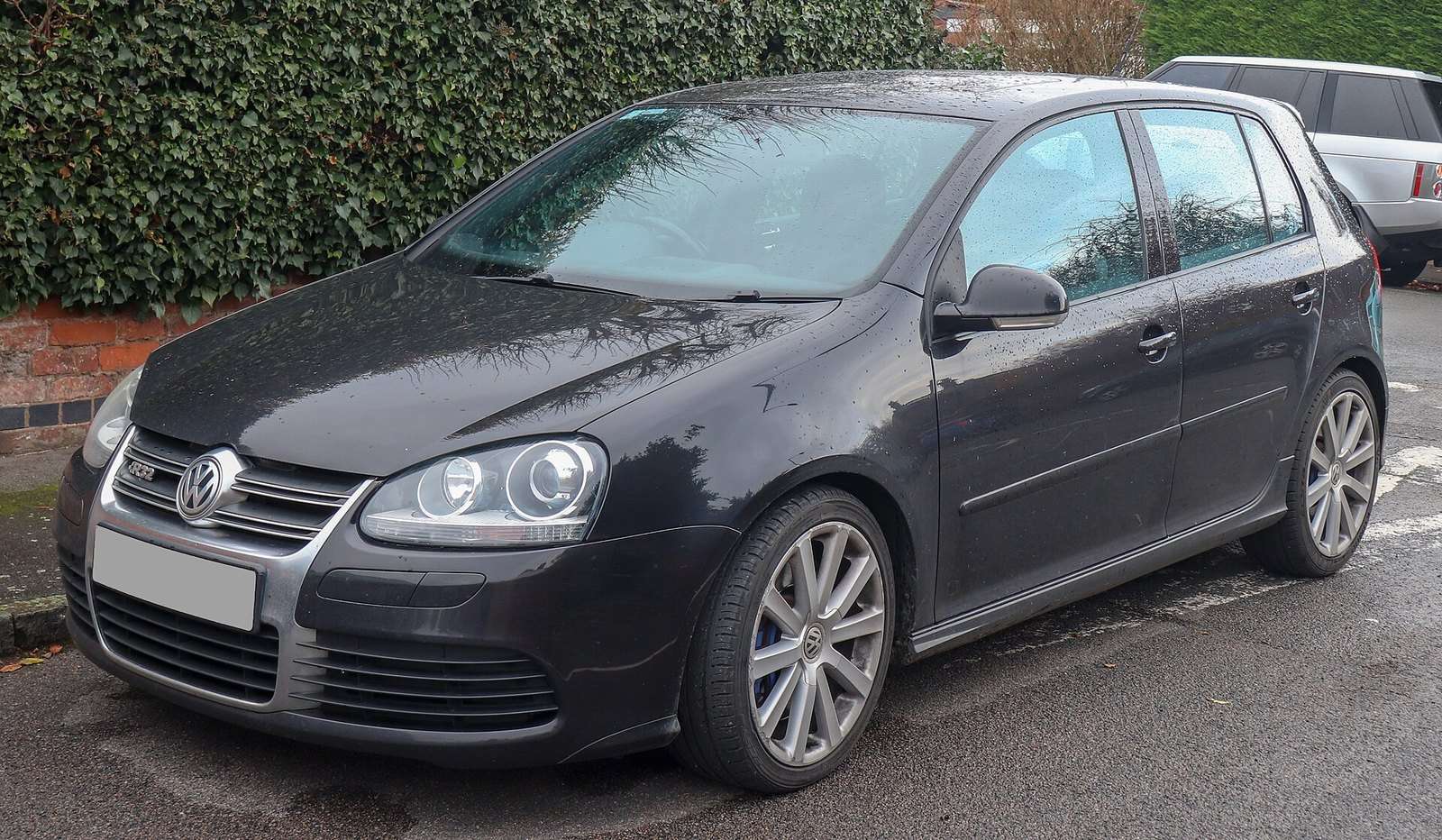
Featured image: Volkswagen Golf Mk5 R32 front three-quarter view. Photograph by Calreyn88, CC BY-SA 4.0, via Wikimedia Commons; locally hosted.
The second and final Golf R32
Volkswagen unveiled the Mk5 R32 in September 2005. Its 3,189cc VR6 produced 250PS and 320Nm, driving through 4MOTION and either a six-speed manual or DSG. Factory figures put 0–62mph at about 6.5 seconds for the manual and 6.2 for DSG, with speed electronically limited to 155mph.
The Mk5 platform’s multi-link rear suspension and stiffer body gave the car more polish than its predecessor. It retained the R32’s defining naturally aspirated response and sound, but offered a more spacious cabin and greater long-distance refinement.
Versions, production and equipment
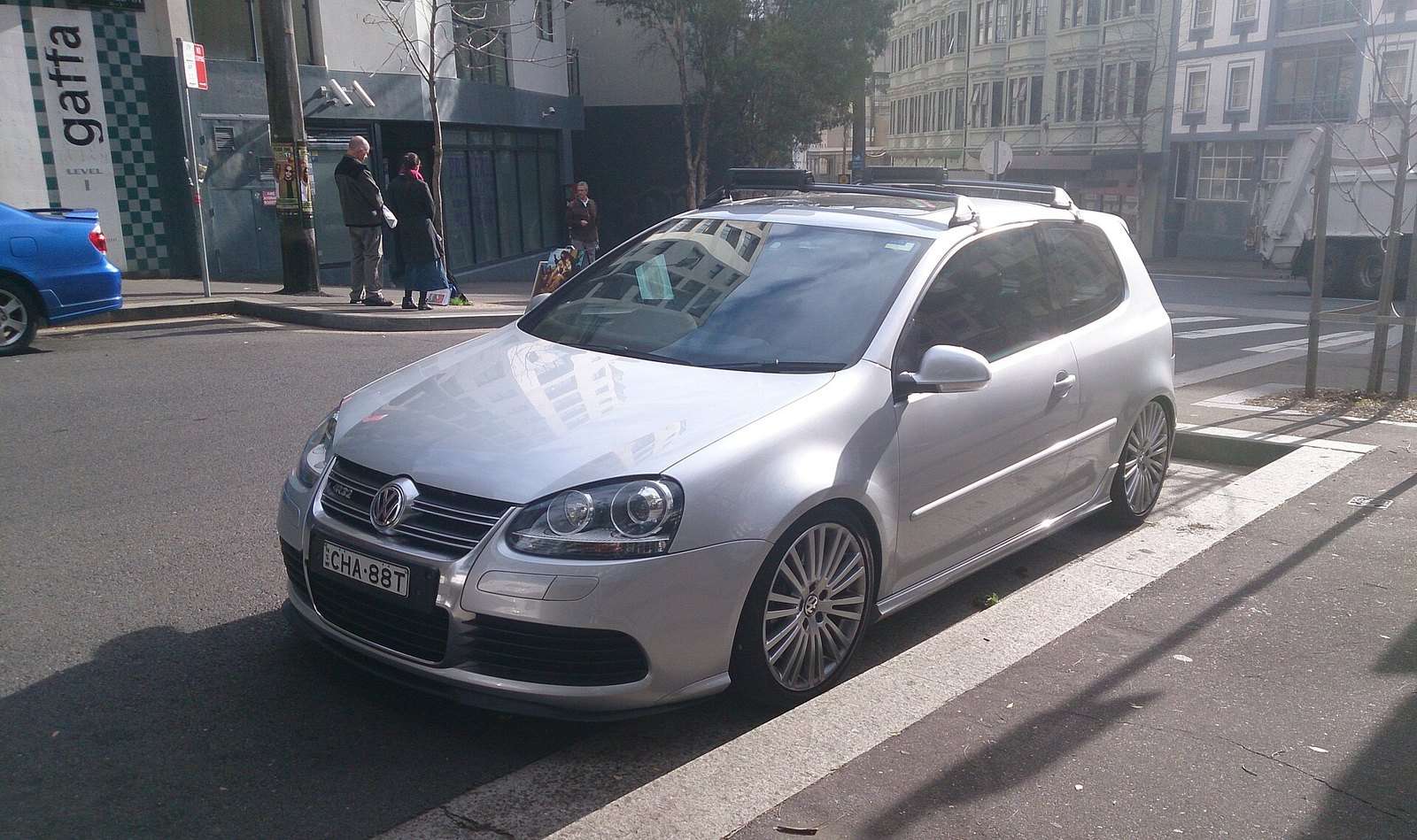
Three- and five-door bodies reached the UK, with manual and DSG transmissions. Equipment commonly included xenon lamps, dual-zone climate control and sports seats, but navigation, sunroof and seat specifications differ. Volkswagen records 28,592 Mk5 R32s produced from 2005 to 2008.
Unlike later Golf Rs, the Mk5 used no turbocharger. Its appeal rests on linear power delivery, four-wheel-drive traction and the six-cylinder soundtrack rather than easily increased output. That makes originality especially important: aggressive engine tuning often brings less benefit than a well-maintained standard chassis.
| Specification | Mk5 R32 |
|---|---|
| Engine | 3,189cc naturally aspirated VR6 |
| Output | 250PS and 320Nm |
| Drive | 4MOTION all-wheel drive |
| Gearboxes | Six-speed manual or DSG |
| Production | 28,592 |

Love cars you don’t see every day?
Get forgotten cars, surprising motoring stories and the most interesting finds from Unusual Cars by email.
Free to join. No spam. Unsubscribe whenever you like. See our privacy policy.
VR6 engine and cooling checks
Listen for chain rattle from cold and use Volkswagen-aware diagnostics to compare camshaft adjustment values. Regular correct-grade oil is important because chain guides and tensioners suffer when maintenance is stretched. Check coils, plugs and injectors if the engine hesitates, and inspect the PCV and intake system for leaks.
Cooling fans, thermostat housings, radiator, water pump and expansion tank all deserve attention. The engine should reach and hold temperature without coolant smells or fan irregularities. Oil leaks around the cam cover and underbody should be traced rather than accepted as normal.
Gearboxes, Haldex and driveline
DSG needs regular fluid and filter changes. Test creep, reverse, kickdown and manual shifts hot and cold; judder or delayed engagement may involve clutches, mechatronics or poor adaptation. Manual cars can suffer worn clutches, dual-mass flywheels and second-gear synchro damage after hard use.
Haldex oil and filter servicing is separate from routine engine maintenance. Four matching tyres with even wear matter, and warning lights need a proper scan. Use the Mk5 R32 diagnostic guide for platform-specific checks.

Suspension, brakes and body
Broken springs, tired dampers, worn front-arm bushes, top mounts, wheel bearings and seized rear calipers are familiar age-related faults. Uneven tyre wear points to poor geometry or accident damage. The ride is firm, but it should not crash, wander or knock.
Inspect front wings, sills, rear arches, tailgate edges and the underside. Test xenon levelling and washers, climate control, windows, locks, parking sensors and audio. Check that the distinctive grille, bumpers, wheels, seats and exhaust are genuine and undamaged.

Buying checklist
Verify the service items individually
Engine oil, brake fluid, DSG and Haldex all have different requirements.
Scan before buying
Stored faults and camshaft values can reveal problems not obvious during a short drive.
Prefer a coherent standard car
Matching tyres, original suspension and documented repairs matter more than cosmetic extras.
References
Continue the Volkswagen story
Explore the complete Volkswagen hub for more rare, sporting and technically unusual models.
Frequently asked questions
How much power does a Mk5 Golf R32 have?
Volkswagen rated it at 250PS and 320Nm from its 3.2-litre VR6.
Is the Mk5 R32 faster with DSG?
Volkswagen quoted 0–62mph in about 6.2 seconds for DSG and 6.5 seconds for the manual.
How many Mk5 R32s were produced?
Volkswagen records 28,592 examples built between 2005 and 2008.
Is the Mk5 R32 turbocharged?
No. It is naturally aspirated and was the final six-cylinder production Golf.
What should be checked first?
Cold-start timing-chain noise, DSG or clutch behaviour, Haldex service history, cooling-system operation and structural condition.