UNUSUAL CARS MODEL GUIDE
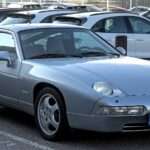
The first-generation SEAT Ibiza established the modern, independent SEAT identity. Giorgetto Giugiaro shaped its crisp five-door body, Karmann helped industrialise it and Porsche developed the petrol engines. The fuel-injected 1.5-litre SXI arrived as the sharpest regular road version, combining 100 PS with a light body and unmistakably 1980s cabin.
Featured image: First-generation SEAT Ibiza at the Paris motor show. Photograph by Thesupermat, CC BY-SA 3.0, via Wikimedia Commons; locally hosted.
Why the first Ibiza mattered
When production began in 1984, SEAT was separating its future from the Fiat-derived cars that had defined the company. The Ibiza was the first model developed by SEAT without a traditional technology partner. Instead, the programme combined SEAT engineering with Giugiaro exterior design, Karmann production expertise and Porsche engine development.
The Ibiza and Malaga became SEAT’s first official UK imports in September 1985. British sales started modestly, but the Ibiza supplied the recognisable name and youthful character that subsequent generations would build upon.

SXI and System Porsche engineering
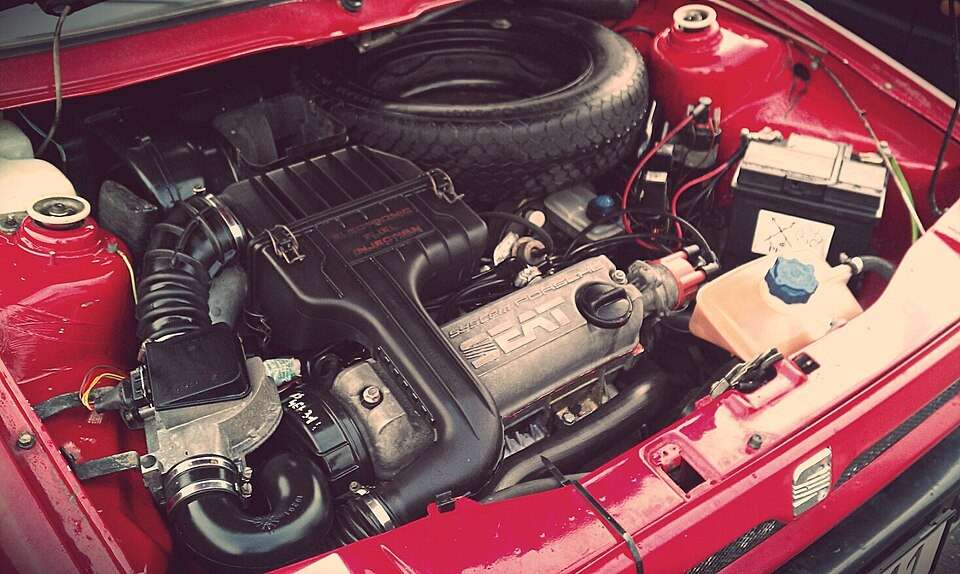
The SXI used the 1.5-litre fuel-injected member of the System Porsche engine family and produced approximately 100 PS. The wording refers to Porsche’s paid development work rather than a Porsche-built engine, and surviving cars should retain the distinctive cam-cover branding.
| Version | Engine | Role |
|---|---|---|
| 1.2 | System Porsche carburettor petrol | Core economy model. |
| 1.5 GLX | System Porsche carburettor petrol | More equipment and stronger performance. |
| 1.5 SXI | Fuel-injected System Porsche petrol, about 100 PS | Sporting flagship of the regular range. |
| Diesel | 1.7-litre diesel | Economy-led alternative in selected markets. |
Love cars you don’t see every day?
Get forgotten cars, surprising motoring stories and the most interesting finds from Unusual Cars by email.
Free to join. No spam. Unsubscribe whenever you like. See our privacy policy.
Body, structure and corrosion
Rust is the decisive buying issue. Inspect the sills and jacking points, front suspension mountings, floor seams, inner and outer wheelarches, windscreen surround, tailgate, door bottoms and the metal around the fuel filler. Lift the boot carpet and examine the spare-wheel well from above and below.
Uneven panel gaps or fresh underseal can conceal accident damage or previous corrosion repairs. Replacement panels and SXI-specific exterior pieces are scarce, so a structurally honest and complete car is normally a better restoration basis than a cheaper but incomplete example.
Engine, injection and transmission
Start the engine from cold. It should build oil pressure promptly, settle to an even idle and pull cleanly without flat spots. Check coolant temperature, radiator condition, hoses, fan operation and signs of head-gasket trouble. The fuel-injection system needs careful diagnosis when neglected; random replacement of sensors rarely substitutes for pressure and electrical tests.
The five-speed gearbox should select cleanly and remain quiet on acceleration and overrun. Check clutch take-up, driveshaft joints, engine mounts and oil leaks. Documentary evidence for timing-belt and water-pump replacement is more valuable than an unverified claim that the mileage is low.
How to identify and value an SXI
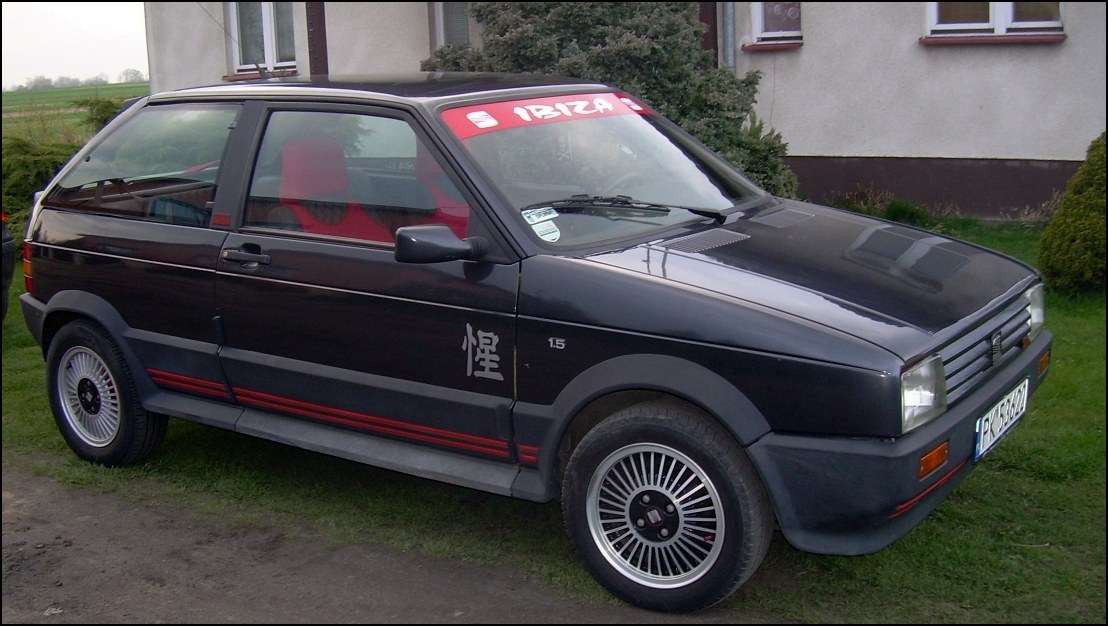
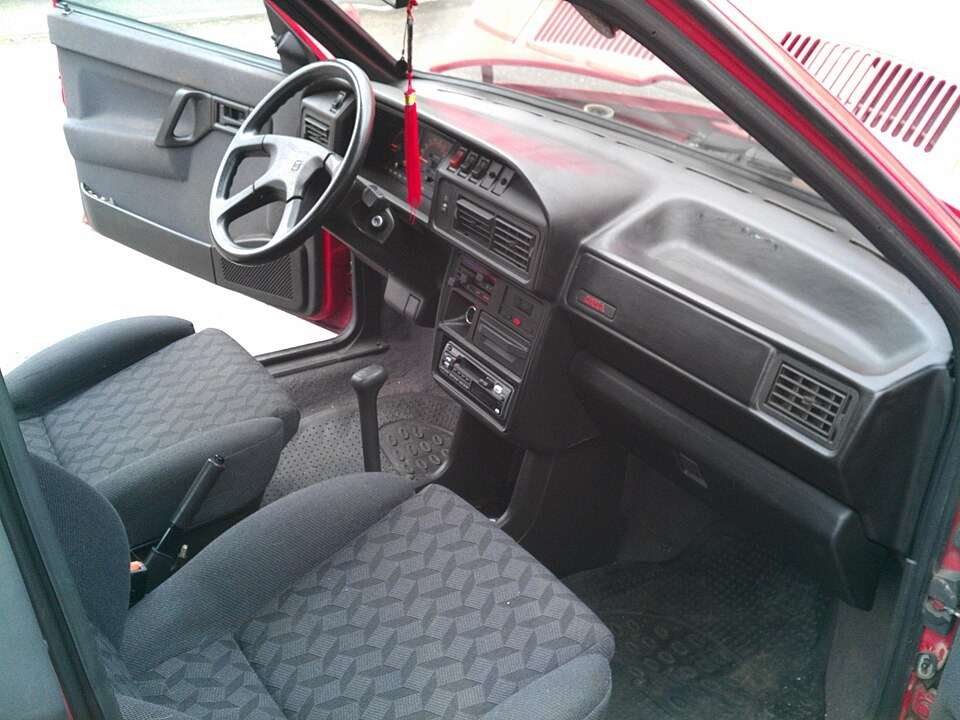
Do not rely on badges alone. Confirm the VIN, engine identity, injection equipment, braking specification and original trim. Period accessories and replacement wheels are not automatically a problem, but missing seats, spoilers, lamps, mouldings and instruments can be difficult to correct.
The best cars make sense as complete historical objects: sound body, traceable identity, functioning injection and sympathetic maintenance. A modified car may drive well, but originality and reversibility have an increasing effect on value.

Buying checklist
Inspect the shell first
Structural corrosion and poor welding can overwhelm the value of the finished car.
Confirm genuine SXI identity
Use the VIN, engine and factory equipment rather than decals or wheels.
Test from cold
Cold starting exposes injection, cooling, oil-pressure and gearbox problems that a warmed car can hide.
Sources
- SEAT UK: Ibiza 40th anniversary history
- SEAT UK: Ibiza SXI and heritage collection
- SEAT UK: 70 years and UK launch history
Continue the SEAT story
Explore more overlooked Spanish performance and everyday cars in the complete SEAT hub.
Frequently asked questions
What does System Porsche mean on the Ibiza?
Porsche was contracted to develop the petrol engine family; the engines were manufactured for SEAT rather than built as complete Porsche units.
How much power does the Ibiza SXI have?
The fuel-injected 1.5-litre SXI produces approximately 100 PS.
Was the Mk1 Ibiza sold in Britain?
Yes. The Ibiza and Malaga formed SEAT’s first official UK range from September 1985.
What is the biggest buying risk?
Structural corrosion, especially around the sills, floors, suspension mountings, arches and windscreen surround.
How can I confirm an SXI is genuine?
Check the VIN, engine identity, injection hardware, brakes and original specification rather than relying on badges.