UNUSUAL CARS MODEL GUIDE
The Daihatsu Sirion Rally 2 and Rally 4 were UK-market specials that turned a light, practical supermini into an unusually eager small performance car. Both used a tuned 1.3-litre engine; the Rally 2 drove its front wheels, while the much rarer Rally 4 added four-wheel drive. They were not cosmetic badges alone, so originality, identity and specialist parts matter greatly today.
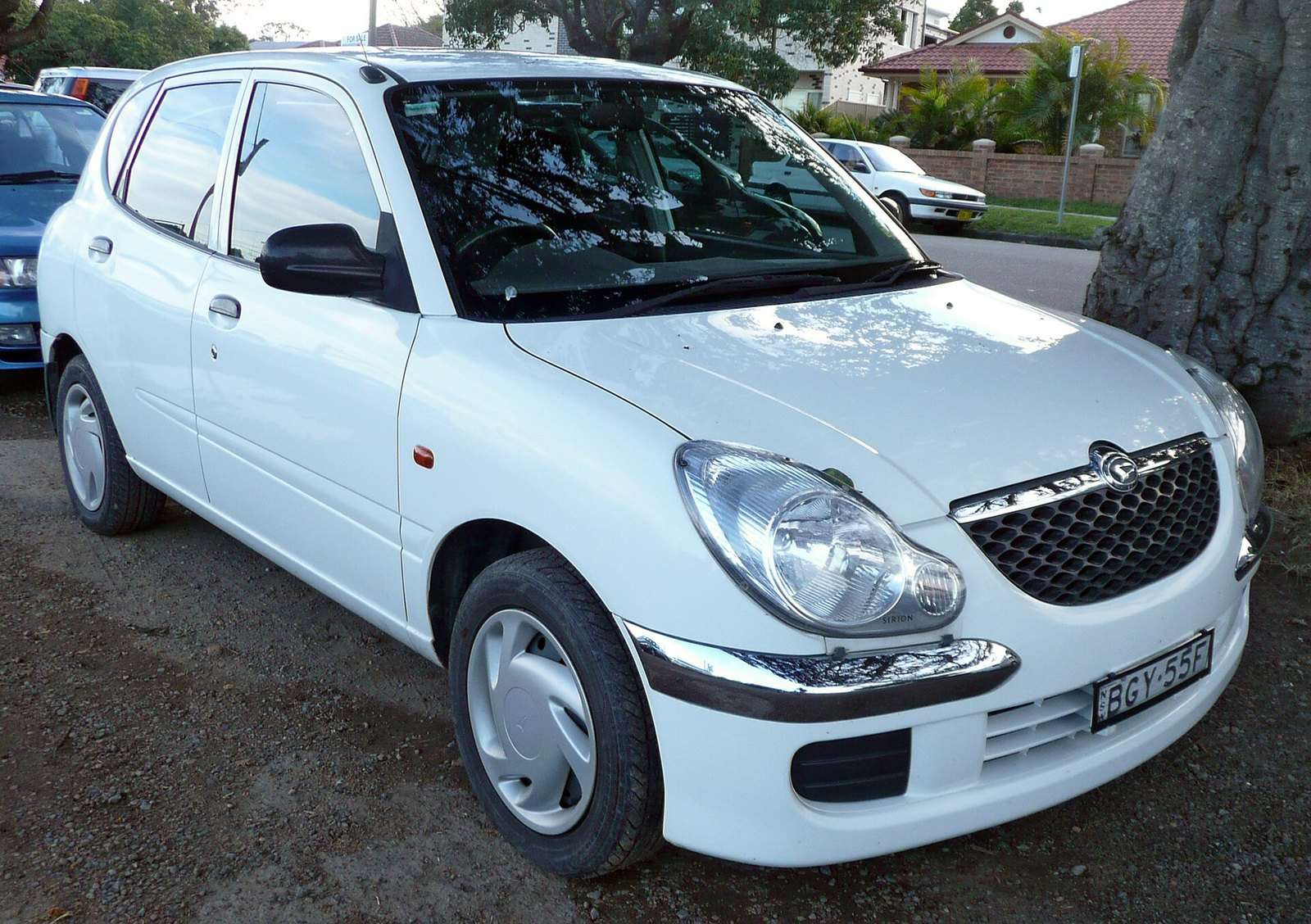
Featured image: 2003 UK-market Daihatsu Sirion Rally 4 front three-quarter view. Photograph by Goosegog, Attribution, via Wikimedia Commons; locally hosted.
A British performance special
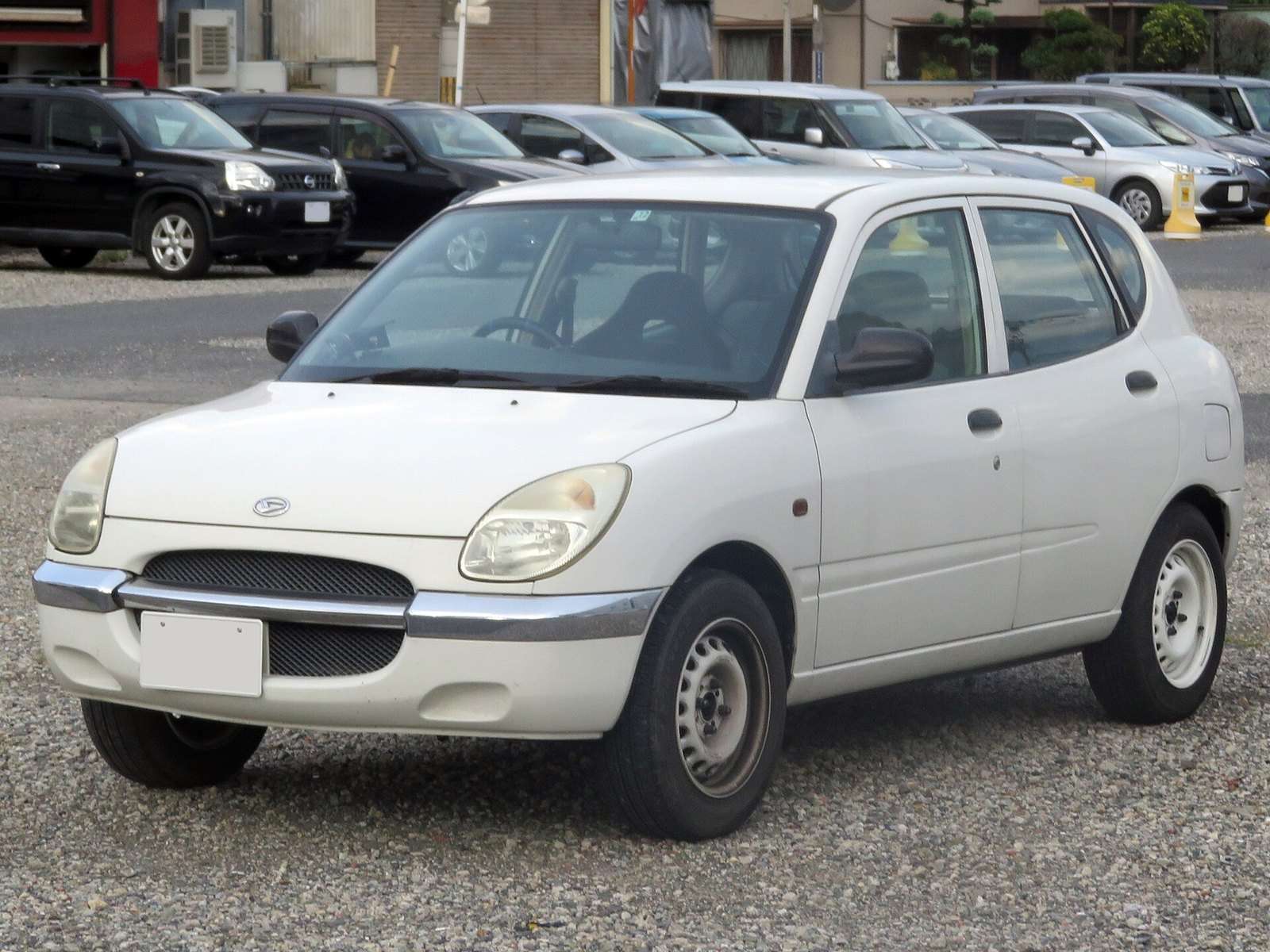
The first-generation Sirion was a light five-door hatchback with three-cylinder 1.0 and four-cylinder 1.3 engines. Daihatsu’s British operation saw more potential in the 1.3 and developed the Rally models for the UK rather than simply importing a Japanese trim level. Contemporary club and road-test material describes revised engine management, breathing, exhaust and chassis work that made the car notably quicker and sharper.
The Rally 2 used front-wheel drive. The Rally 4 combined the tuned engine with four-wheel drive, giving the small hatch an unusual specification that recalled Daihatsu’s competition-minded history. Numbers were limited and survivors have often been modified, rallied or dismantled for parts. That makes documentation as important as mechanical condition.
Rally 2 versus Rally 4
Both versions used the 1,298cc K3-series four-cylinder engine and a five-speed manual gearbox. Period figures vary slightly between sources, but output around 102 bhp is a defensible guide for the UK Rally 2 and Rally 4. Low kerb weight mattered as much as the headline number, giving the cars immediate response without the insurance or running costs of a larger hot hatch.
| Version | Drive | Character |
|---|---|---|
| Sirion Rally 2 | Front-wheel drive | Lighter, simpler and more common |
| Sirion Rally 4 | Four-wheel drive | Extra traction, rarer and more complex |
Check the exact equipment against period evidence. Wheels, badges and an exhaust can be copied easily; the drivetrain, suspension, engine specification and original paperwork are much harder to fake. A standard ordinary Sirion can be enjoyable, but it should not be priced or described as a Rally model without proof.

Love cars you don’t see every day?
Get forgotten cars, surprising motoring stories and the most interesting finds from Unusual Cars by email.
Free to join. No spam. Unsubscribe whenever you like. See our privacy policy.
Engine, timing chain and cooling
Start the K3 engine from cold. Persistent chain rattle, low oil pressure, smoke or uneven idle needs investigation. Owners’ technical material emphasises correct oil level and maintenance; a chain-driven engine is not maintenance-free. Confirm regular oil changes, listen at hot idle and inspect for leaks around the engine and timing cover.
Check coolant condition, radiator, fan, water pump, expansion tank and hoses. The engine should pull cleanly without warning lights or hesitation. Modified induction, exhaust or ECU work should be supported by invoices and sensible fuelling evidence. A noisy aftermarket exhaust can conceal mechanical sounds and may be difficult to replace with an original Rally-specific system.

Body, suspension and accident history
Inspect sills, jacking points, floors, rear arches, front subframe areas, suspension mounts and brake pipes. Lift the boot carpet and check the spare-wheel well, rear seams and dampness. Although later than many classics, these cars are old enough for corrosion and poor repairs to be decisive.
Light, quick hatchbacks invite enthusiastic use. Compare panel gaps, look for overspray and distorted seams, and inspect the front structure carefully. The car should steer accurately without clonks, torque steer beyond reason or brake pull. Check dampers, springs, bushes, ball joints, wheel bearings and whether model-specific suspension parts have been replaced by unsuitable ordinary Sirion components.

Rally 4 driveline and parts supply
On a Rally 4, all four tyres should match in size, make and wear. Listen for rumbling or whining from wheel bearings, propshaft, transfer components and differentials, then check for oil leaks. Tight turns should not produce severe binding. Replacement four-wheel-drive hardware is scarce enough that unexplained noises must be priced as real faults.
Daihatsu and Toyota specialists can help with some K3 engine service components, but Rally-specific exhausts, suspension pieces, wheels, badges and interior trim are difficult. The inclusion of original parts and a club-known history adds practical value. A heavily modified car may be fast, yet returning it to the balanced UK specification can cost more than waiting for a better example.
Buying checklist
Prove it is a genuine Rally model
Use registration history, chassis information, drivetrain and period specification, not badges alone.
Listen to the engine from cold
Timing-chain noise and poor oil history deserve specialist assessment.
Check Rally 4 tyres and transmission together
Mismatched tyres can stress an already scarce four-wheel-drive system.
Sources
- AA: first-generation Sirion road test
- Daihatsu Drivers Club UK: Rally models and UK development
- Daihatsu Drivers Club UK: K3 timing-chain information
Continue the Daihatsu story
Explore more inventive Japanese city cars, turbo hatchbacks and compact 4x4s in the complete Daihatsu hub.
Frequently asked questions
Were the Sirion Rally 2 and Rally 4 sold in Britain?
Yes. They were UK-market performance specials based on the first-generation Sirion.
What is the difference between Rally 2 and Rally 4?
The Rally 2 is front-wheel drive, while the Rally 4 uses four-wheel drive and has a more complex, rarer drivetrain.
How much power do the Sirion Rally models have?
Period UK sources commonly quote output around 102 bhp from the tuned 1.3-litre engine, although published figures vary slightly.
Is a Storia X4 the same as a Sirion Rally 4?
No. The Japanese Storia X4 is a different homologation-minded model and should not be confused with the UK-developed Sirion Rally 4.
What is the biggest ownership challenge?
Finding genuine Rally-specific trim, exhaust, suspension and four-wheel-drive parts can be harder than routine engine servicing.