UNUSUAL CARS MODEL GUIDE
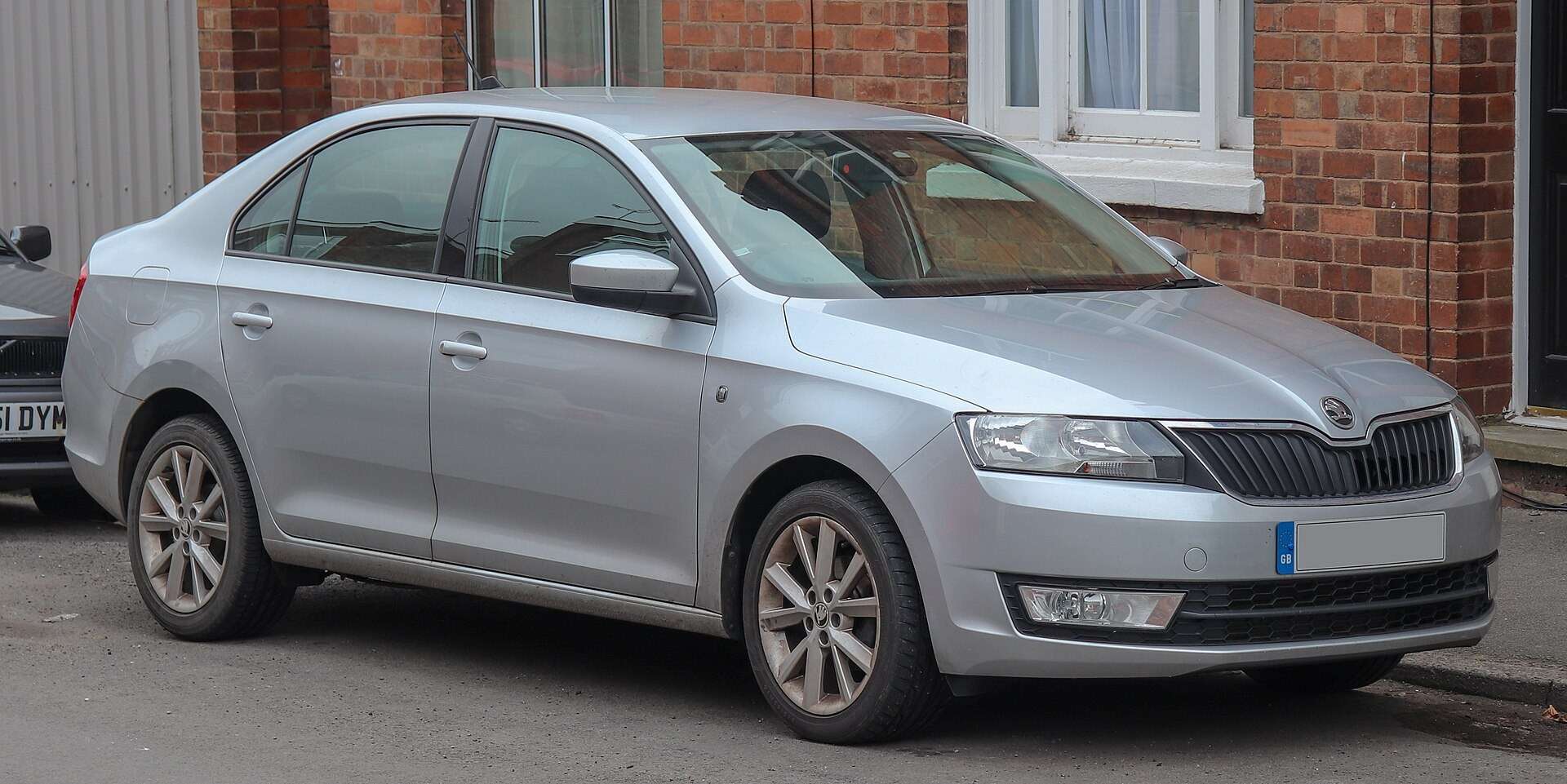
The modern Škoda Rapid was a value-focused family car sold in Britain from 2012. The original version looked like a small saloon but concealed a large liftback tailgate; the 2013 Rapid Spaceback used a shorter hatchback body. Both sat between the Fabia and Octavia, offering generous cabin space without the cost or width of a larger model.
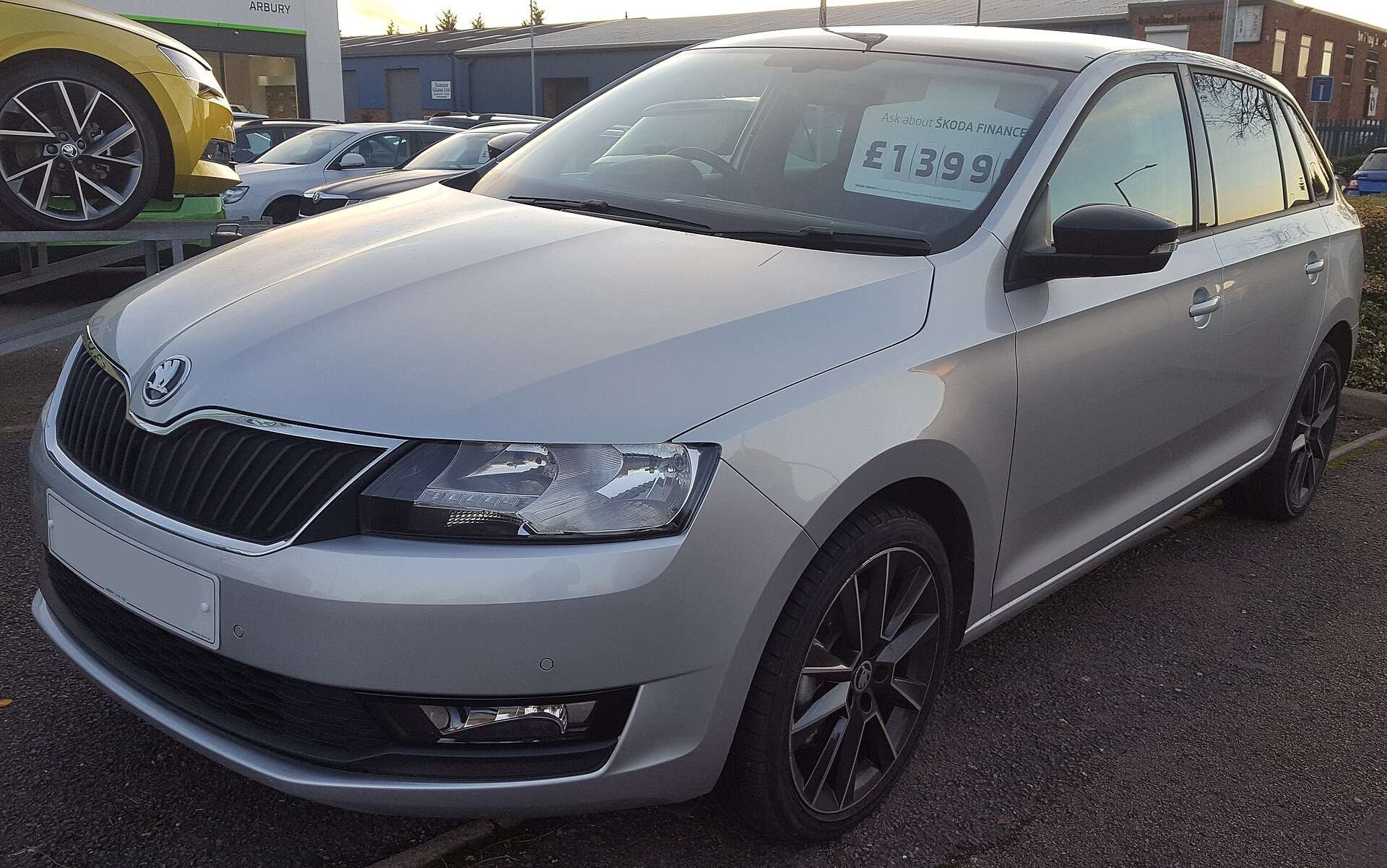
Featured image: 2017 UK-market Škoda Rapid Spaceback SE Sport. Photograph by Vauxford, CC BY-SA 4.0, via Wikimedia Commons; locally hosted.
A new use for an old name
Škoda had used Rapid for rear-engined coupés in the 1980s, but the 2012 car was unrelated. The modern Rapid was designed as straightforward transport for buyers who valued passenger room, a large boot and modest running costs. Its narrow body made it easier to place on British roads and in parking spaces than many contemporary family hatchbacks.
The European Rapid used Volkswagen Group engines and components but occupied its own position. It was larger than a Fabia, simpler and less costly than an Octavia, and deliberately conservative in design. That middle-ground identity explains both its usefulness and why it is now easily forgotten.
Liftback and Spaceback compared
| Body | Shape and purpose | Buyer consideration |
|---|---|---|
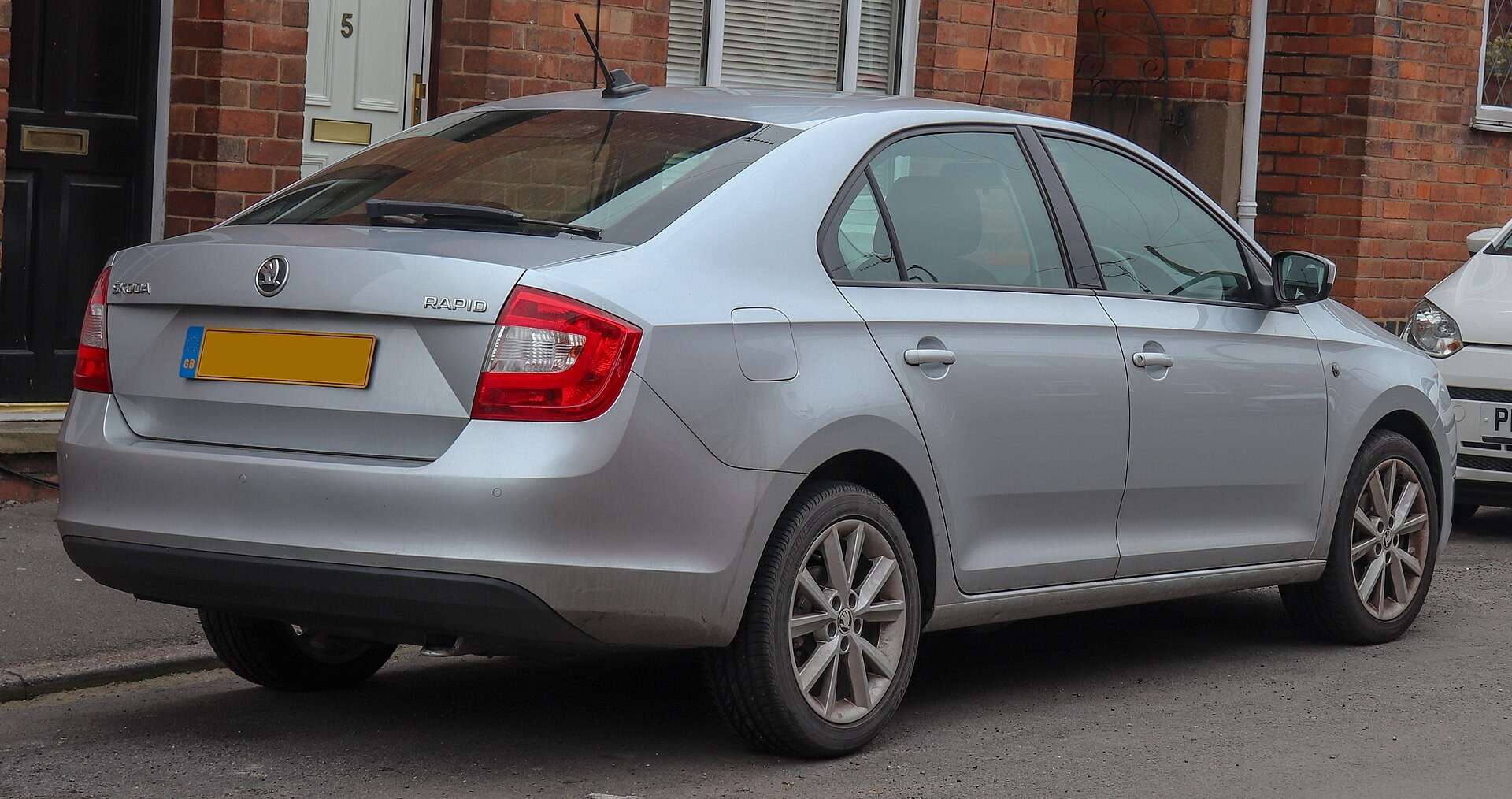
| Rapid liftback | Long saloon-like profile with a full-height rear hatch and very large luggage area. | Best carrying capacity; check the long tailgate and boot seals. |
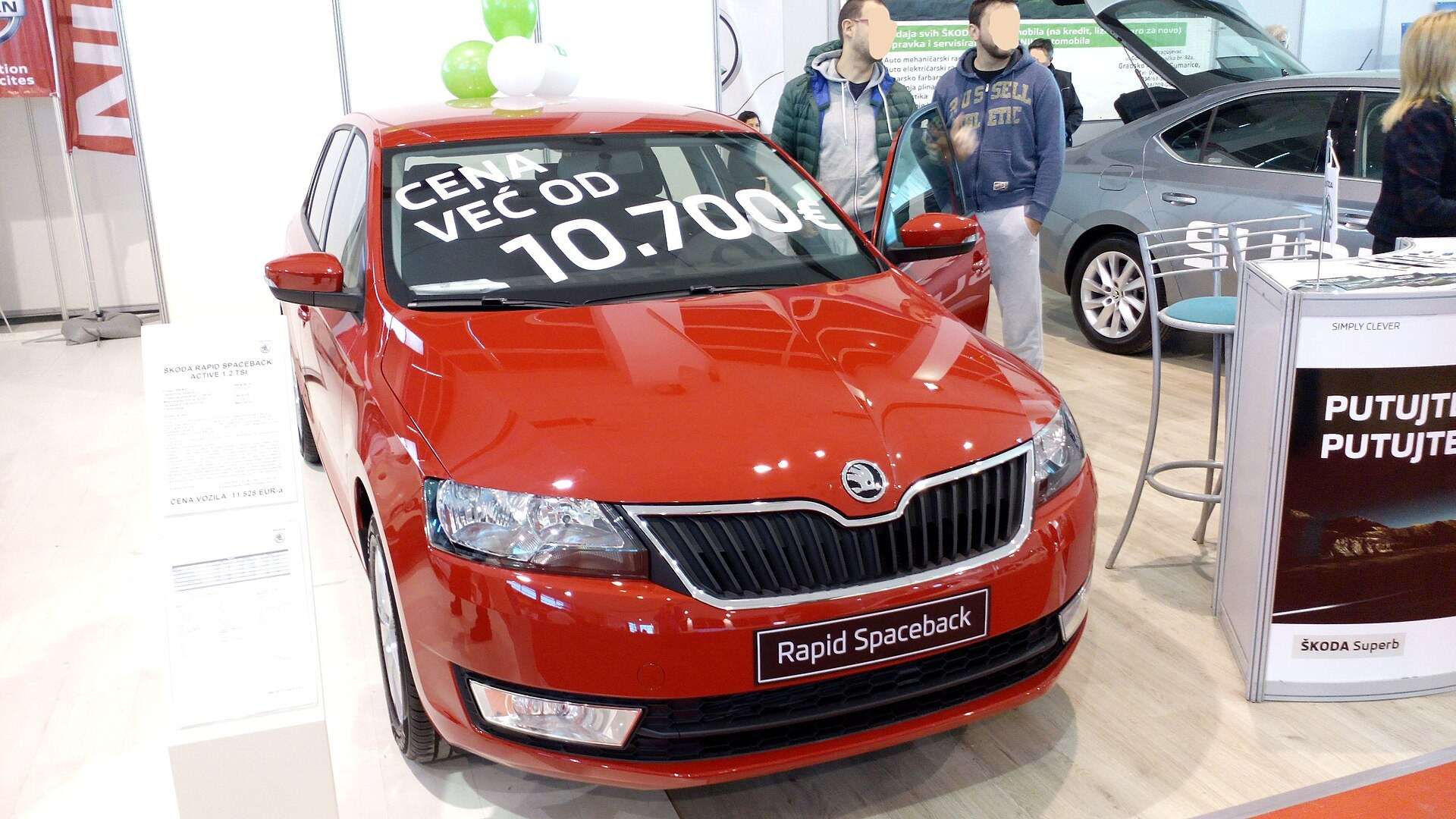
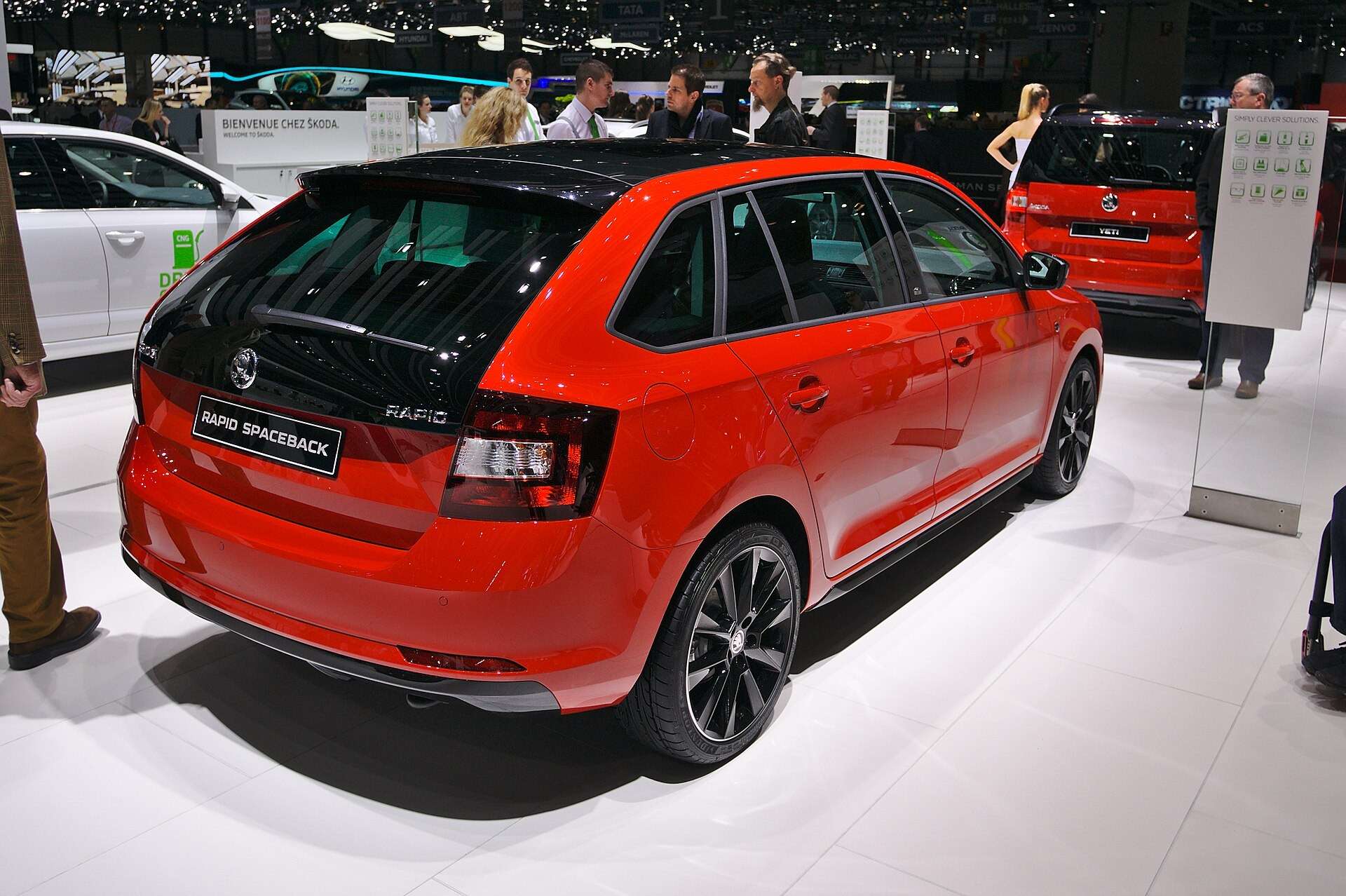
| Rapid Spaceback | Shorter five-door hatchback with a more conventional rear overhang. | Neater proportions and easier parking, but less boot space. |
| SE Sport and special editions | Larger wheels, styling details and higher equipment. | Confirm factory specification and inspect low-profile tyres and wheels. |
The Spaceback difference
Introduced a year after the liftback, the Spaceback was not an estate despite its name. Škoda shortened the rear body and gave it a more upright hatch, creating a car closer to the conventional family-hatchback class. Some versions used an extended rear window and panoramic glass roof to make the roofline visually lighter.
The Spaceback never matched the Octavia’s status, but it suits buyers who find a Fabia too small and an Octavia unnecessarily large. Its rarity in later UK traffic now gives it stronger Unusual Cars relevance than it had when new.
Love cars you don’t see every day?
Get forgotten cars, surprising motoring stories and the most interesting finds from Unusual Cars by email.
Free to join. No spam. Unsubscribe whenever you like. See our privacy policy.
UK engines and transmissions
The UK range included small TSI petrol engines and TDI diesels, with manual gearboxes and DSG availability on selected versions. Outputs and engine families changed during the model’s life, particularly around the 2017 update. Confirm the engine code, build date and original brochure specification before assuming two cars with the same badge share maintenance requirements.
Early petrol choices commonly included 1.2 TSI and 1.4 TSI units, while later cars moved toward 1.0 TSI power. Diesels included 1.6 TDI and later smaller-capacity options depending on year. European production of the Rapid family ended in 2019 as the Scala took its place.
Buying guide
Petrol engines
Research the exact engine’s timing-belt or chain requirements and check invoices rather than relying on a generic service stamp. Listen from cold, check boost delivery and inspect for oil or coolant loss. Misfires, uneven idle or an engine warning light need diagnosis before purchase.
Diesel engines
A diesel suits regular longer journeys. Check cold starting, injector balance, turbo response, EGR operation and DPF history where fitted. Repeated forced regenerations or a recently cleared warning light may indicate an unresolved use-pattern or hardware problem.
Manual and DSG gearboxes
Manual cars should have a progressive clutch and quiet dual-mass flywheel where fitted. DSG cars must select drive and reverse promptly and manoeuvre without excessive shudder. Confirm the service requirements for the exact gearbox because not every DSG uses the same maintenance schedule.

Water ingress, body and cabin
Check carpets, door seals, the spare-wheel well and the base of the windscreen for damp. Inspect the tailgate wiring, rear washer, door drains and body seams. Test air conditioning, windows, infotainment, central locking, parking sensors and every dashboard warning lamp.
Suspension and tyres
Listen for knocks from bushes, drop links and top mounts. Uneven tyre wear can reveal poor alignment or worn components. Sport-trim wheels are vulnerable to kerb damage and cheap tyres undermine the car’s stability in wet weather.
Why it deserves remembering
The Rapid represented an unfashionable but rational kind of car: narrow outside, spacious inside and free from the visual bulk of an SUV. The liftback and Spaceback also demonstrate how one platform can serve two different interpretations of the family hatchback.
Sources
- Škoda UK: Rapid and Rapid Spaceback
- Škoda Auto annual report 2020
- Honest John: UK Škoda Rapid review and model history
Continue the Škoda story
The Rapid family filled the gap between Fabia and Octavia with two very different hatchback shapes. Explore the complete Škoda hub, then read the Škoda Citigo guide, then continue with the Roomster Scout.
Frequently asked questions
Was the modern Škoda Rapid sold in the UK?
Yes. British buyers received the Rapid liftback from 2012 and the shorter Rapid Spaceback from 2013, with petrol and diesel engines.
Is the Rapid a saloon or hatchback?
The standard Rapid has a saloon-like profile but uses a large liftback tailgate. The Spaceback is a shorter conventional hatchback.
Is the Rapid Spaceback an estate?
No. Despite the name, the Spaceback is a five-door hatchback. It is shorter than the liftback and has a smaller luggage area.
What replaced the Rapid in Britain?
The Scala succeeded the European Rapid Spaceback after production for European markets ended in 2019.
What should be checked before buying?
Check the exact engine and timing-drive schedule, DSG operation where fitted, diesel emissions equipment, water ingress, suspension noise, air conditioning and complete electrical operation.