UNUSUAL CARS MODEL GUIDE
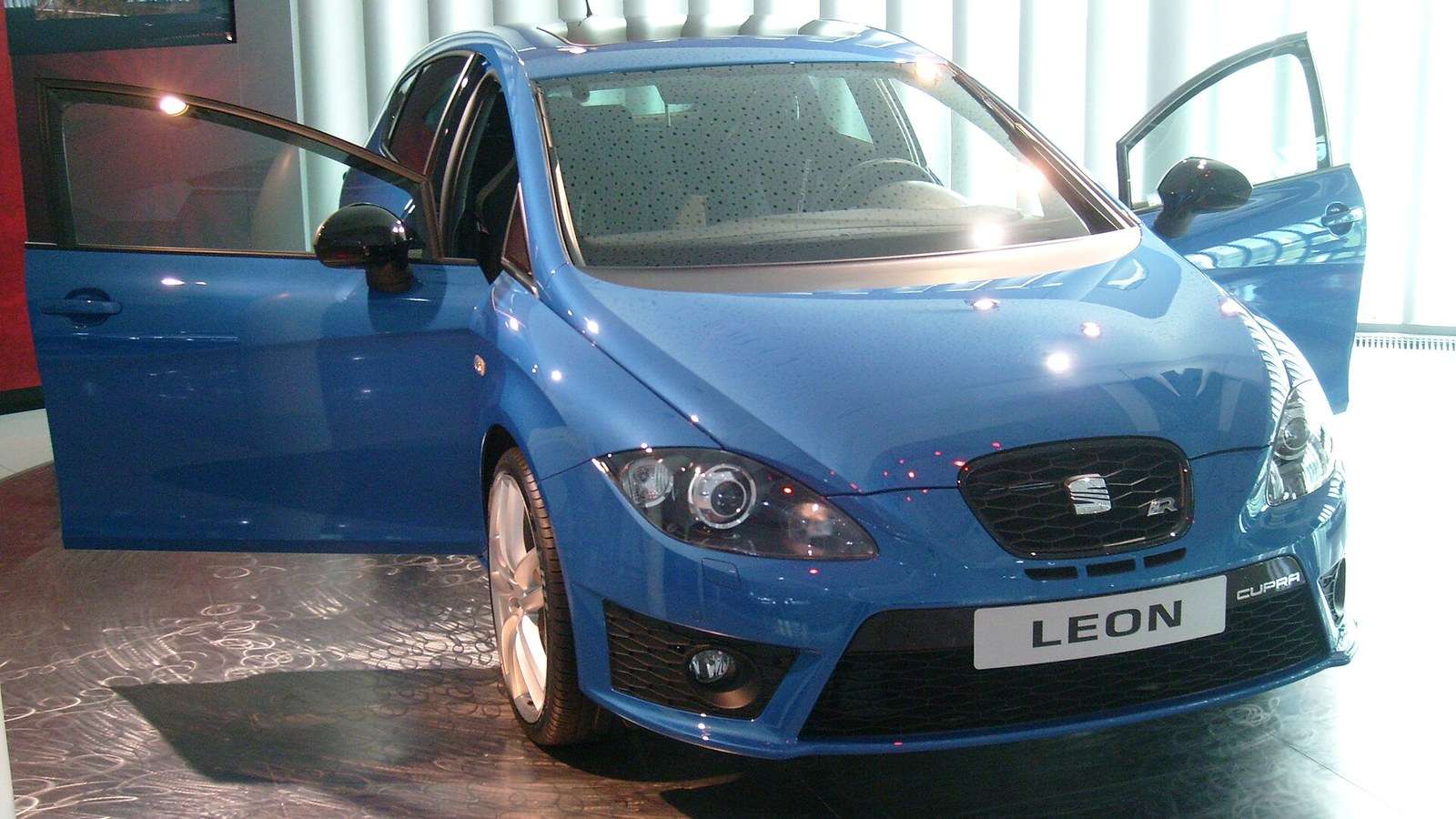
The second-generation SEAT Leon Cupra R was the fastest and most powerful road car the company had produced when it appeared in 2009. Its 265 PS turbocharged engine, six-speed manual gearbox and discreet five-door body placed it among the serious front-wheel-drive hot hatches of its era, while its rarity now distinguishes it from the more numerous standard Cupra.
Featured image: SEAT Leon Cupra R Mk2 1P. Photograph by Bruno Kussler Marques, CC BY 2.0, via Wikimedia Commons; locally hosted.
From Cupra to Cupra R
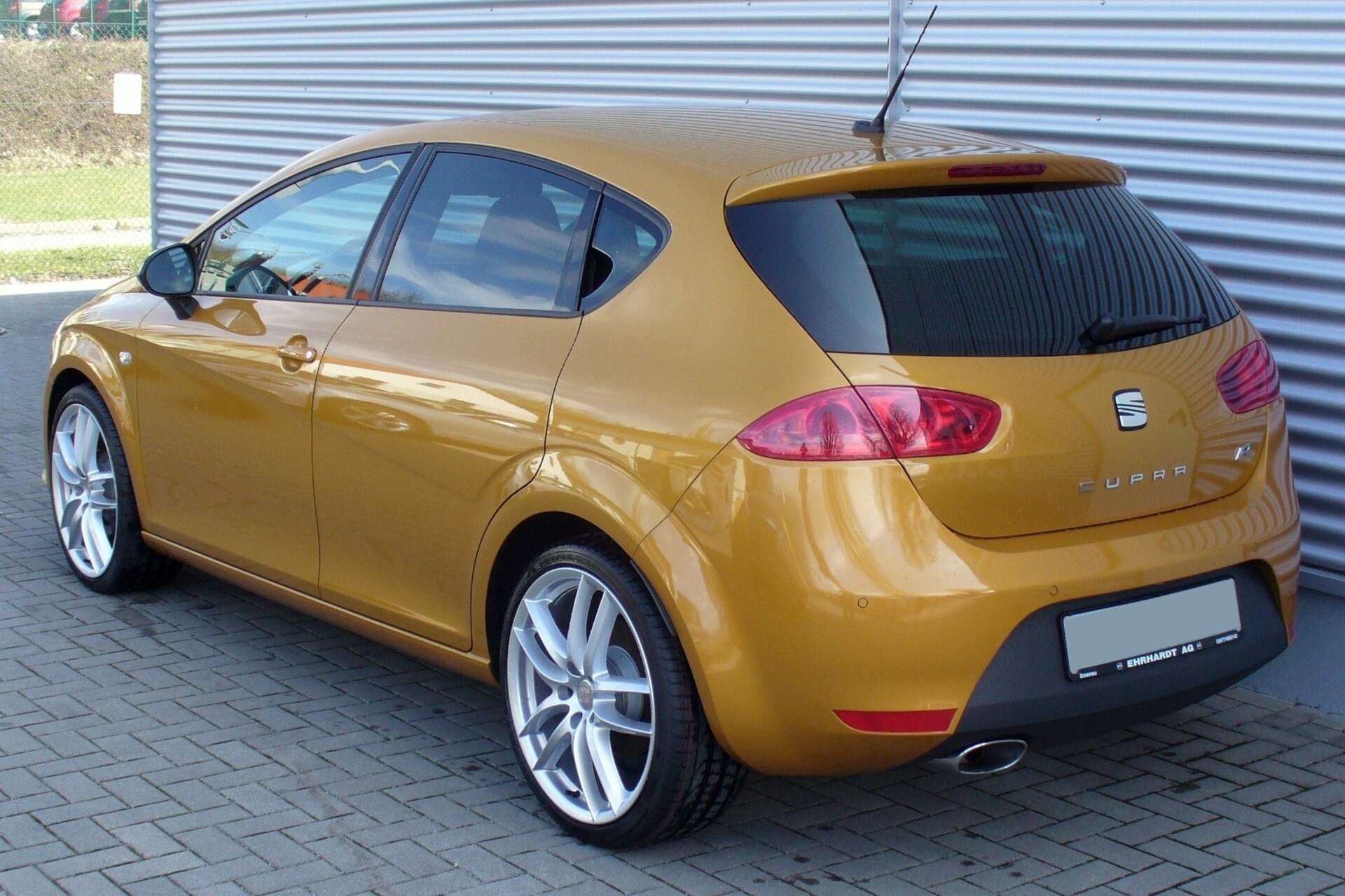
SEAT introduced the second Leon in 2005 and added the 240 PS Cupra in 2006. The Cupra R arrived after the 2009 facelift as the range’s final and most focused development. It retained the unusual concealed rear door handles and five-door practicality of the standard car but added model-specific bumpers, badges, wheels and cabin details.
The R was not simply a badge package. Its extra output, stronger brakes, firmer chassis calibration and electronic XDS traction aid made it the flagship of the 1P-generation range. In Britain it occupied an appealing middle ground between mainstream hot hatches and more expensive German performance cars.

Models and specifications
| Item | Leon Cupra R Mk2 |
|---|---|
| Engine | 1,984 cc turbocharged four-cylinder petrol |
| Output | 265 PS and 350 Nm |
| Transmission | Six-speed manual, front-wheel drive |
| Quoted 0–100 km/h | 6.2 seconds |
| Maximum speed | 250 km/h, electronically limited |
The sole manual transmission and five-door body keep the range simple. Colour, options, originality and documented care therefore matter more than chasing a particular mechanical variant.
Love cars you don’t see every day?
Get forgotten cars, surprising motoring stories and the most interesting finds from Unusual Cars by email.
Free to join. No spam. Unsubscribe whenever you like. See our privacy policy.
Engine and drivetrain
The 2.0-litre direct-injection turbo engine delivers broad mid-range torque and should pull cleanly without smoke, hesitation or warning lights. Ask for evidence of frequent correct-grade oil changes, timing-system work where due, ignition coils and attention to the high-pressure fuel system. The cam follower for the high-pressure pump is a known inspection item on this engine family.
Carbon deposits can affect direct-injection engines, while split diverter valves, boost leaks and tired PCV components cause inconsistent performance. Many cars have been remapped. A reputable conversion with invoices can be usable, but unknown software, missing emissions equipment or improvised intake plumbing should reduce the price substantially.

Cabin, brakes and chassis
The cabin combines ordinary Leon architecture with a flat-bottomed steering wheel, Cupra R branding and heavily bolstered seats. Check every bolster, switch, display, window and climate-control function. Damp carpets or unexplained warning lights deserve investigation rather than assumption.
Road-test the brakes from low and moderate speeds and listen for suspension knocks. Worn bushes, dampers, top mounts and wheel bearings can blunt the car’s accuracy. Uneven tyres may indicate poor geometry or accident damage, and cheap tyres are especially undesirable on a powerful front-wheel-drive car.

Seats, body and originality
Inspect the front bumper, splitter, wheels and sills for kerb damage, then examine panel gaps, paint texture and the boot floor for repair evidence. Stone chips are normal; inconsistent structure or missing identification labels are not.
Original seats, wheels, badges, exhaust and intake parts add value because modified cars are common. Replacement Cupra R trim can be difficult to source, so a mechanically sound but incomplete car may still be expensive to return to standard.

Buying checklist
Start it cold
Listen for timing noise, check the exhaust for smoke and confirm that the idle settles quickly. A fully warmed car should hold temperature and pull smoothly through every gear.
Interrogate the history
Look for invoices covering oil, ignition parts, fuel-system maintenance, brakes, clutch and suspension. Compare recorded mileage with inspection history and diagnostic data.
Check modifications properly
Identify the software, hardware and installer. A standard car is easier to value, while a modified example needs supporting maintenance and proof that the brakes, tyres and cooling system match the extra performance.
Sources
- SEAT media release: Leon Cupra R at Frankfurt 2009
- SEAT UK: Leon heritage and generations
- SEAT: company history, 2000s
Continue the SEAT story
The Mk2 Cupra R pushed the Leon badge to 265 PS before the third generation broadened the formula into three body styles and several power outputs. Explore the complete SEAT hub. Continue with the Leon Cupra 280, 290 and 300. Compare the original Leon Cupra R Mk1.
Frequently asked questions
How much power does the Mk2 Leon Cupra R have?
It produces 265 PS and 350 Nm from a turbocharged 2.0-litre petrol engine.
Is the Mk2 Cupra R four-wheel drive?
No. It uses front-wheel drive with a six-speed manual gearbox and an electronic XDS traction aid.
How fast is it?
SEAT quoted 0–100 km/h in 6.2 seconds and an electronically limited 250 km/h maximum speed.
What are the main engine checks?
Check oil use, cam-follower condition, timing history, ignition and boost components, cooling health and evidence of carbon deposits.
Are modified examples worth considering?
Yes, but only when the parts, software and installer are documented and the maintenance record supports the extra output.