The classic Saab 900 Turbo turned an unconventional Swedish hatchback into a performance-car icon. Its mix of turbocharged torque, aircraft-influenced design and formidable practicality still makes it instantly recognisable.
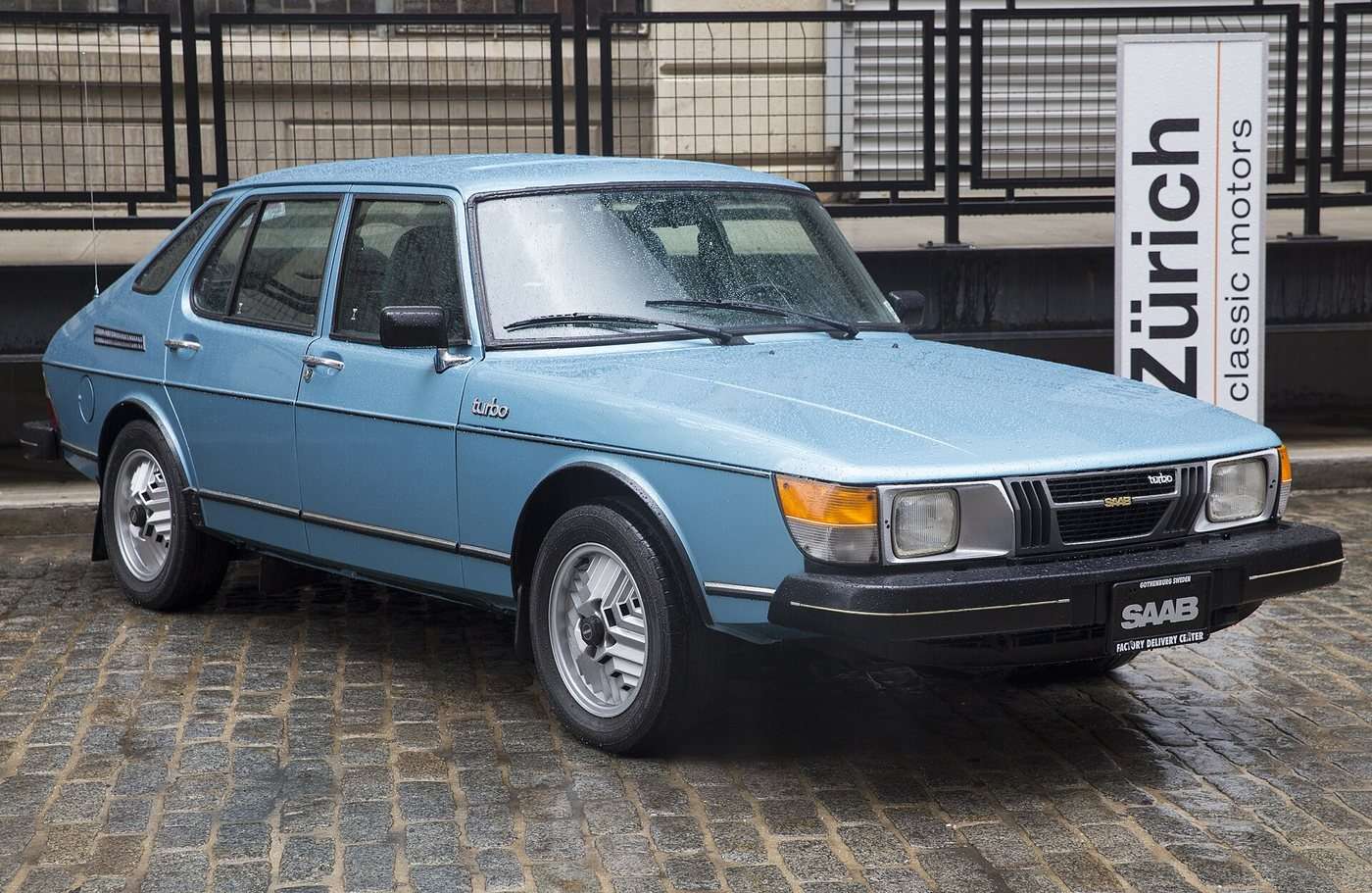
1. It was developed from the Saab 99
The 900 arrived in 1978 as a heavily reworked development of the 99, retaining the distinctive front-hinged bonnet and the unusual longitudinal engine installation.
2. The windscreen is famously curved
Saab gave the 900 a deep, wraparound windscreen that helped create its unmistakable profile and its unusually airy cabin.
3. Turbocharging was central to Saab’s identity
Saab had pioneered practical turbocharging in the 99 Turbo. In the 900 it became a way to combine a compact four-cylinder engine with strong mid-range performance.
4. The APC system listened for knock
Automatic Performance Control used a knock sensor and boost control to protect the engine and make turbocharging more usable with varying fuel quality.
Love cars you don’t see every day?
Get forgotten cars, surprising motoring stories and the most interesting finds from Unusual Cars by email.
Free to join. No spam. Unsubscribe whenever you like. See our Privacy Policy.

5. It has a hatchback even when it looks like a saloon
The three- and five-door 900s were immensely practical, with a large rear opening and folding seats beneath their coupé-like roofline.
6. The ignition key is between the seats
On manual cars the key lives on the transmission tunnel, a Saab trademark intended to reduce the risk of an ignition key injuring the driver in a crash.
7. The engine sits backwards
In the classic 900, the engine is mounted longitudinally but transmits power through a gearbox beneath it. It is a strikingly unconventional front-wheel-drive layout.
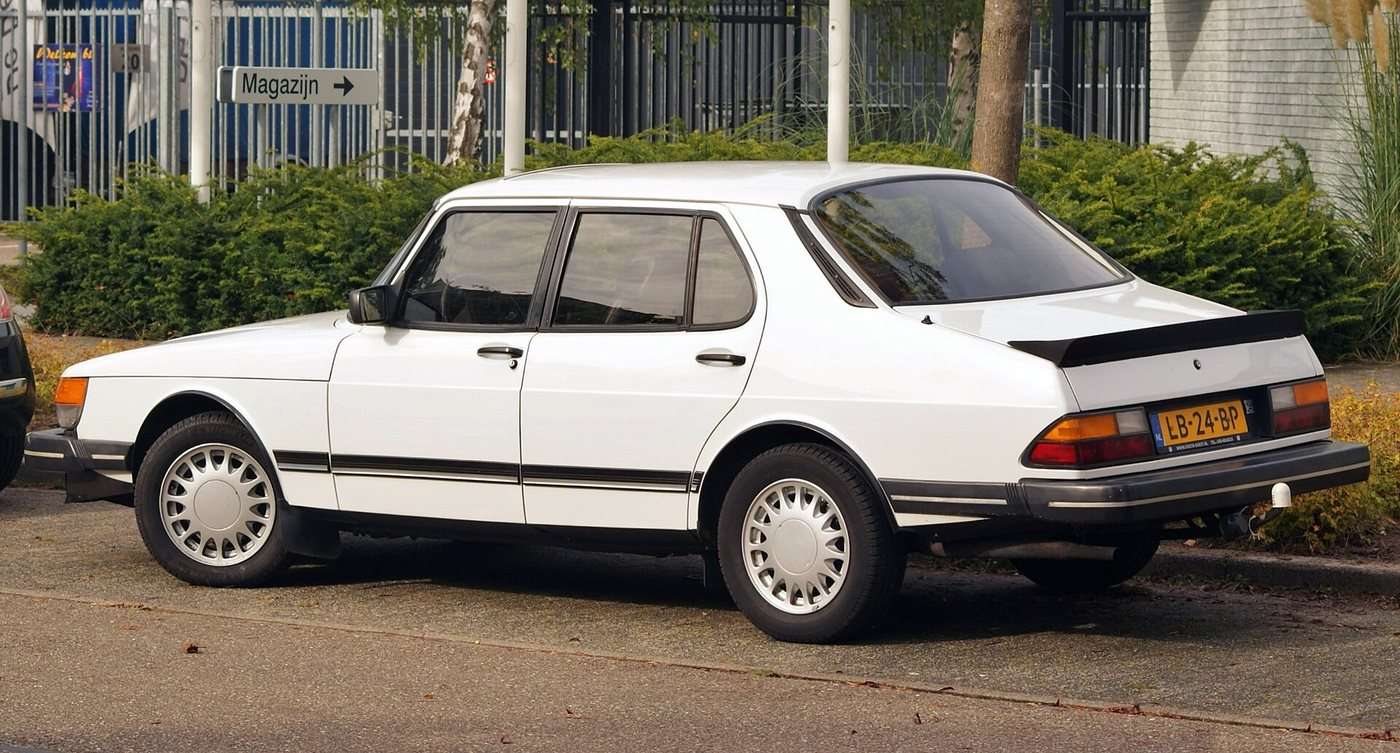
8. The Cabriolet began as an American idea
The 900 Cabriolet was developed with the United States market in mind and went on sale in the mid-1980s, becoming one of Saab’s most visible lifestyle models.
9. The 900 Turbo had competition credibility
Turbo Saabs built a strong rally and touring-car reputation, helping prove that forced induction could offer usable performance rather than merely headline power.
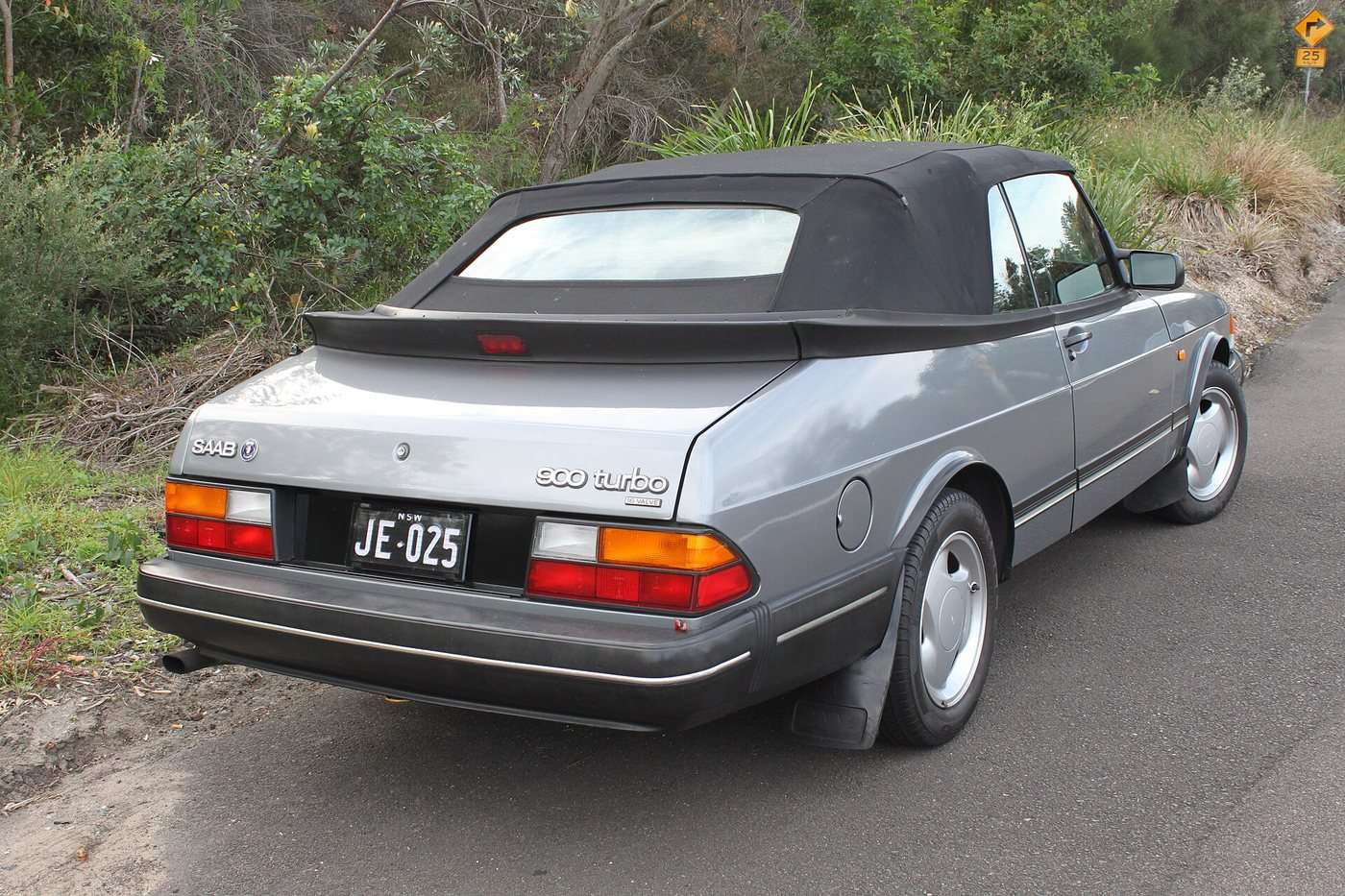
10. “Classic 900” distinguishes it from the later car
When the new-generation 900 arrived for 1994, enthusiasts adopted the term Classic 900 for the original. That name now captures one of the most individual mainstream cars of its era.
Love cars you don’t see every day?
Get forgotten cars, surprising motoring stories and the most interesting finds from Unusual Cars by email.
Free to join. No spam. Unsubscribe whenever you like. See our Privacy Policy.