UNUSUAL CARS MODEL GUIDE
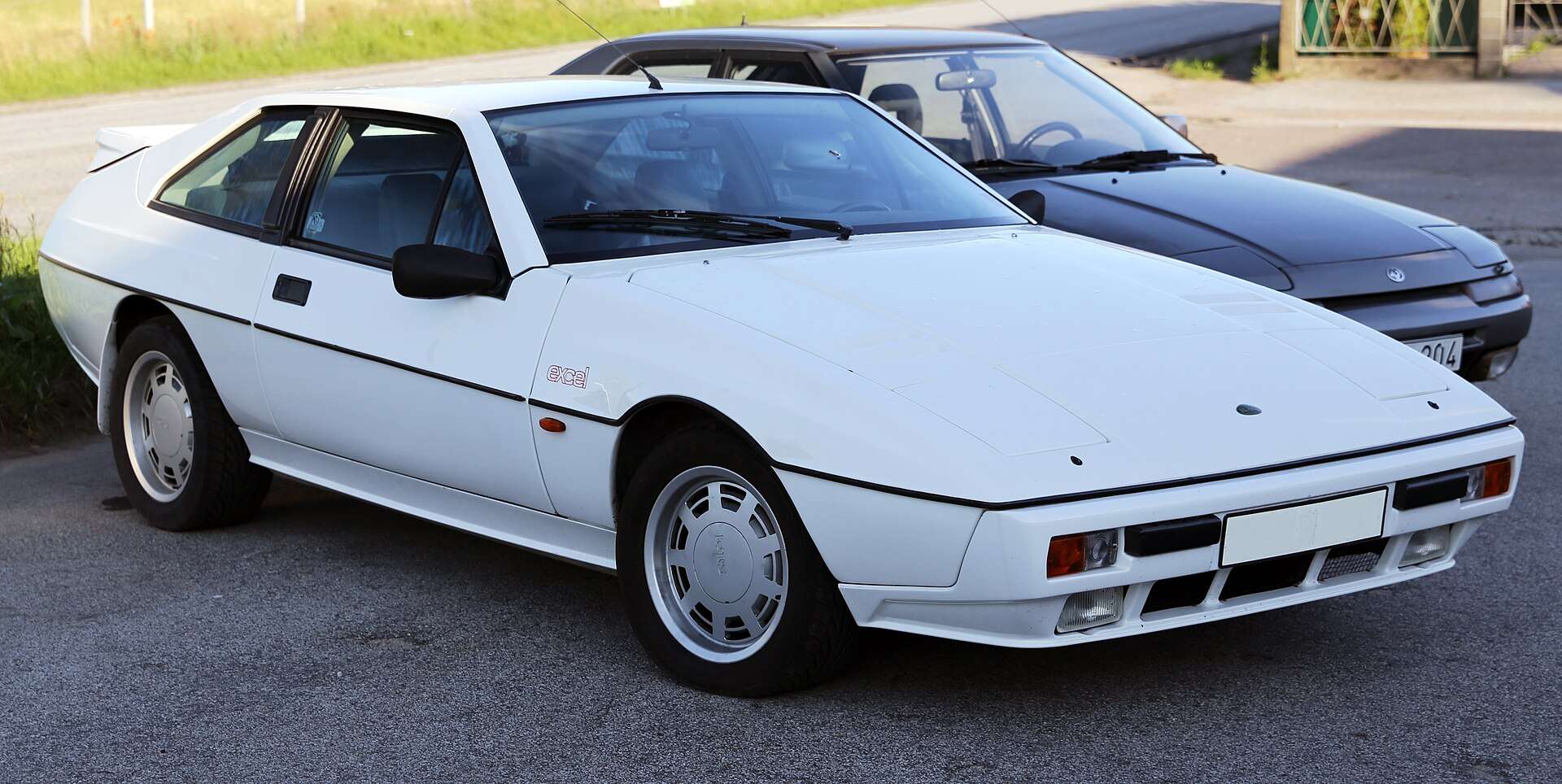
The Lotus Excel was the developed four-seat front-engined GT produced through the 1980s and into 1992. It evolved from the Eclat but combined Lotus’s 2.2-litre Type 912 engine and glassfibre body with a galvanised backbone chassis and numerous Toyota-sourced components. The 180 bhp SE and four-speed automatic SA are the versions most buyers now compare.
Quick answer: choose the manual SE for the sharpest performance or the SA for rare automatic GT character. Prioritise chassis condition, a dry and complete cabin, correct cooling and cambelt history, and evidence that the suspension and rear drivetrain have been maintained as a complete system.
From Eclat to Excel
The Excel emerged from the Type 89 Eclat platform after Toyota became a Lotus shareholder. It retained the front-engine, rear-drive layout and practical 2+2 cabin but gained Toyota gearbox, final-drive and other components, improving reliability and parts commonality without turning the car into a rebadged Toyota.
The glassfibre body sat on a galvanised steel backbone. That is a useful advance over earlier untreated chassis, but age, damage and blocked drainage still demand inspection.
Excel SE and SA
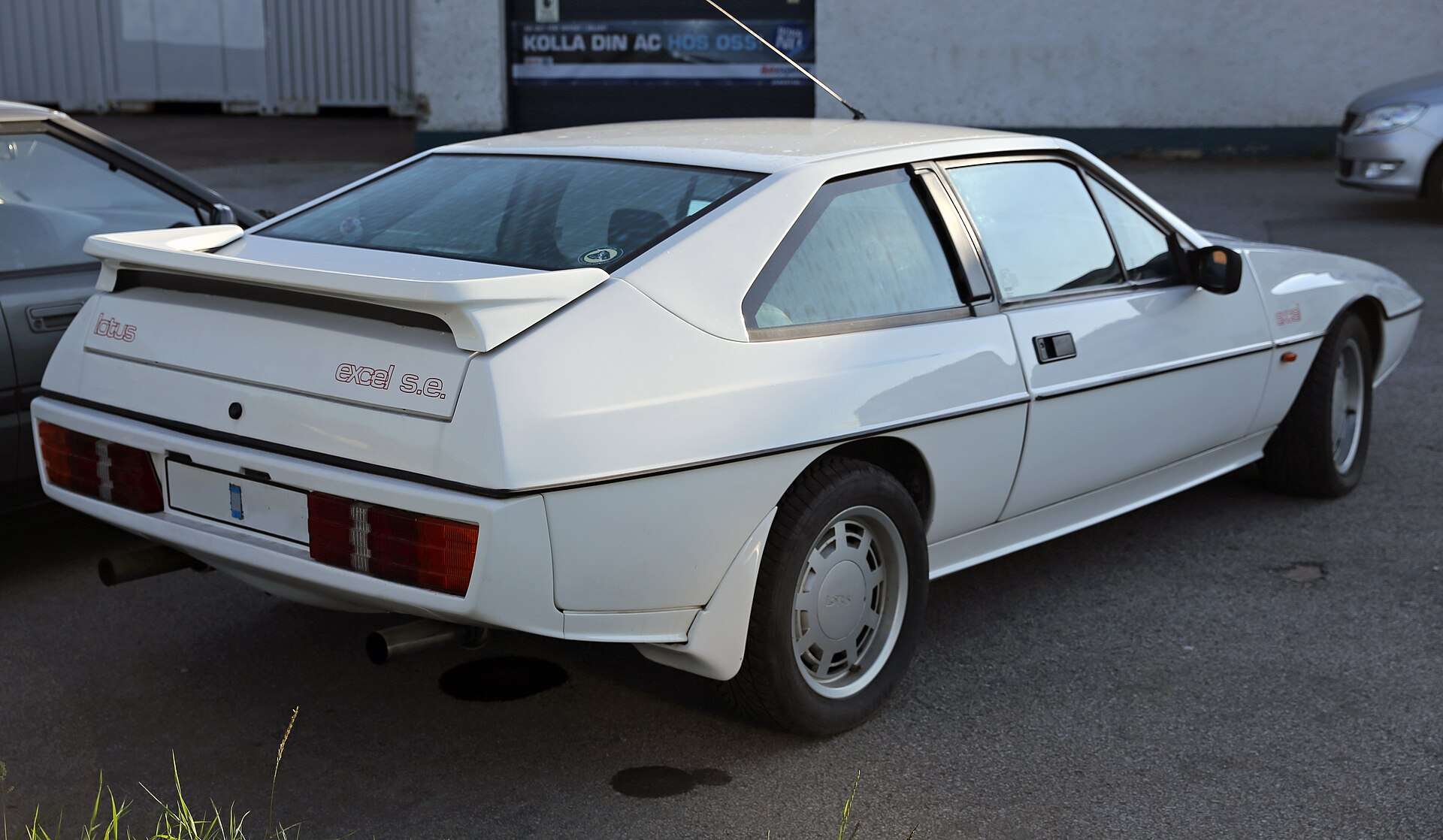
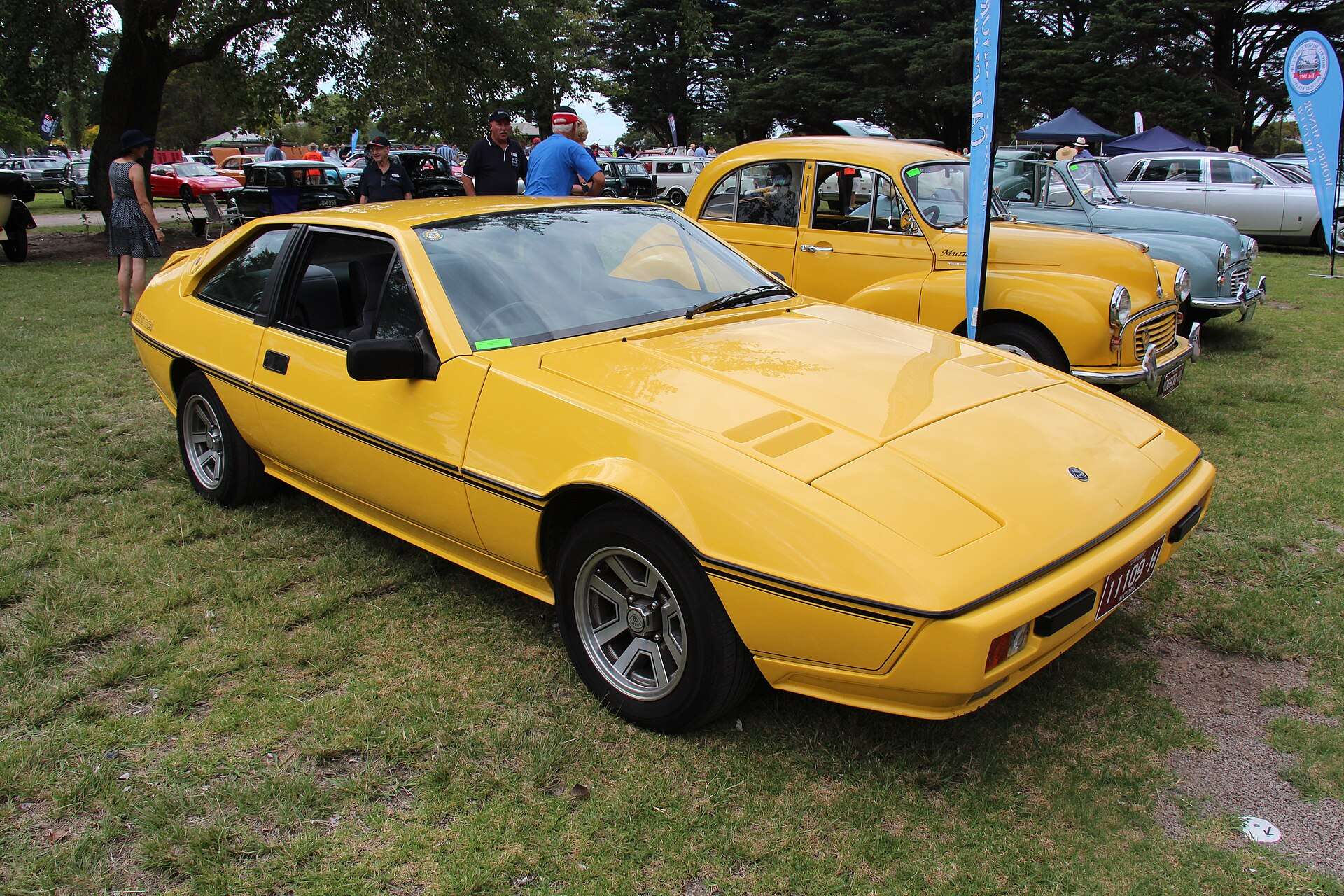
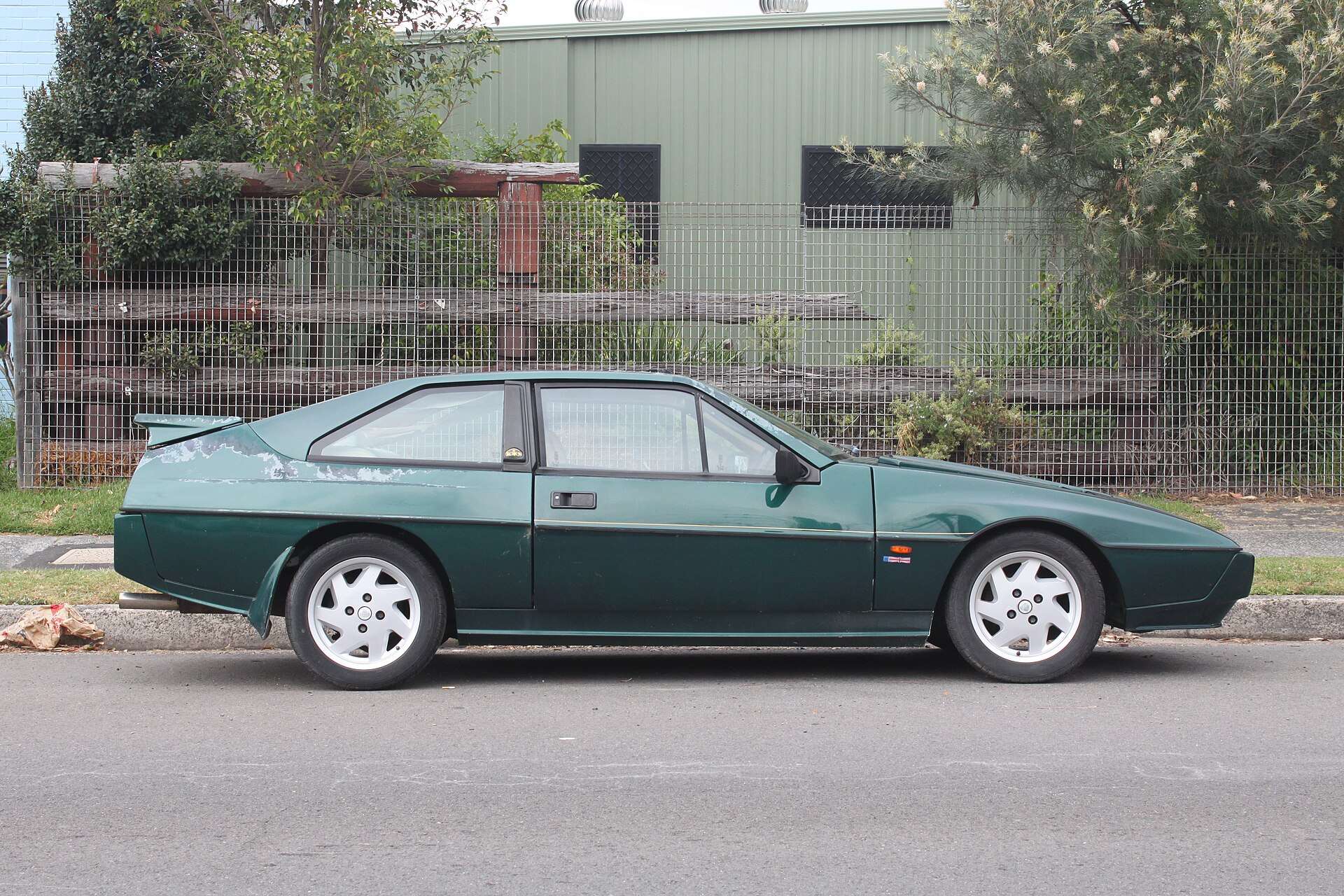
Launched in October 1985, the Excel SE received revised, more aerodynamic bodywork, wheelarch blisters, bonnet vents, a larger rear spoiler and 15-inch forged wheels. Its 2.2-litre Type 912 engine was rated at 180 bhp. The Excel SA followed with a ZF four-speed automatic and a more luxurious standard specification.
| Version | Transmission | Main distinction |
|---|---|---|
| Excel | Five-speed manual | Earlier 160 bhp-style specification depending on year and market. |
| Excel SE | Five-speed manual | 180 bhp engine, revised body and wheels; the enthusiast’s mainstream choice. |
| Excel SA | Four-speed ZF automatic | SE engine with automatic transmission and more touring-oriented equipment. |
Why the Excel is more than an Eclat facelift
The Toyota-sourced W58 manual gearbox, differential, driveshafts, hubs and brakes helped create a more durable and coherent GT. Revised suspension geometry and wider track gave the car a planted stance, while the 2+2 interior and useful luggage space made it a more realistic long-distance Lotus.

Love cars you don’t see every day?
Get forgotten cars, surprising motoring stories and the most interesting finds from Unusual Cars by email.
Free to join. No spam. Unsubscribe whenever you like. See our privacy policy.
Chassis and glassfibre body
Inspect the galvanised backbone for accident damage, corrosion at drilled or repaired areas, suspension-mount integrity and signs of poor lifting. Check the body for crazing, star cracks, water ingress and distorted panel gaps. Door beams, hinges and heavy doors can create sag that is expensive to correct properly.
Engine and cooling checks
The Type 912 is a development of Lotus’s slant-four engine. Demand evidence of cambelt changes, correct tensioning, stable oil pressure and a healthy cooling system. Listen for abnormal top-end noise, inspect for oil and coolant leaks, and check carburettor balance and fuel hoses.

Overheating damages confidence quickly, so test fans, radiator, hoses, water pump and heater operation. A car that has stood for years may need the entire fuel and cooling system recommissioned rather than a simple service.
Gearbox, automatic and rear drivetrain
The Toyota manual should be smooth and precise; clutch replacement and linkage work should be documented. The ZF automatic needs clean fluid, prompt engagement and correct kickdown. Differential noise, worn universal joints, rear wheel bearings and degraded mounts can make a refined GT feel rough.
Interior, electrics and trim
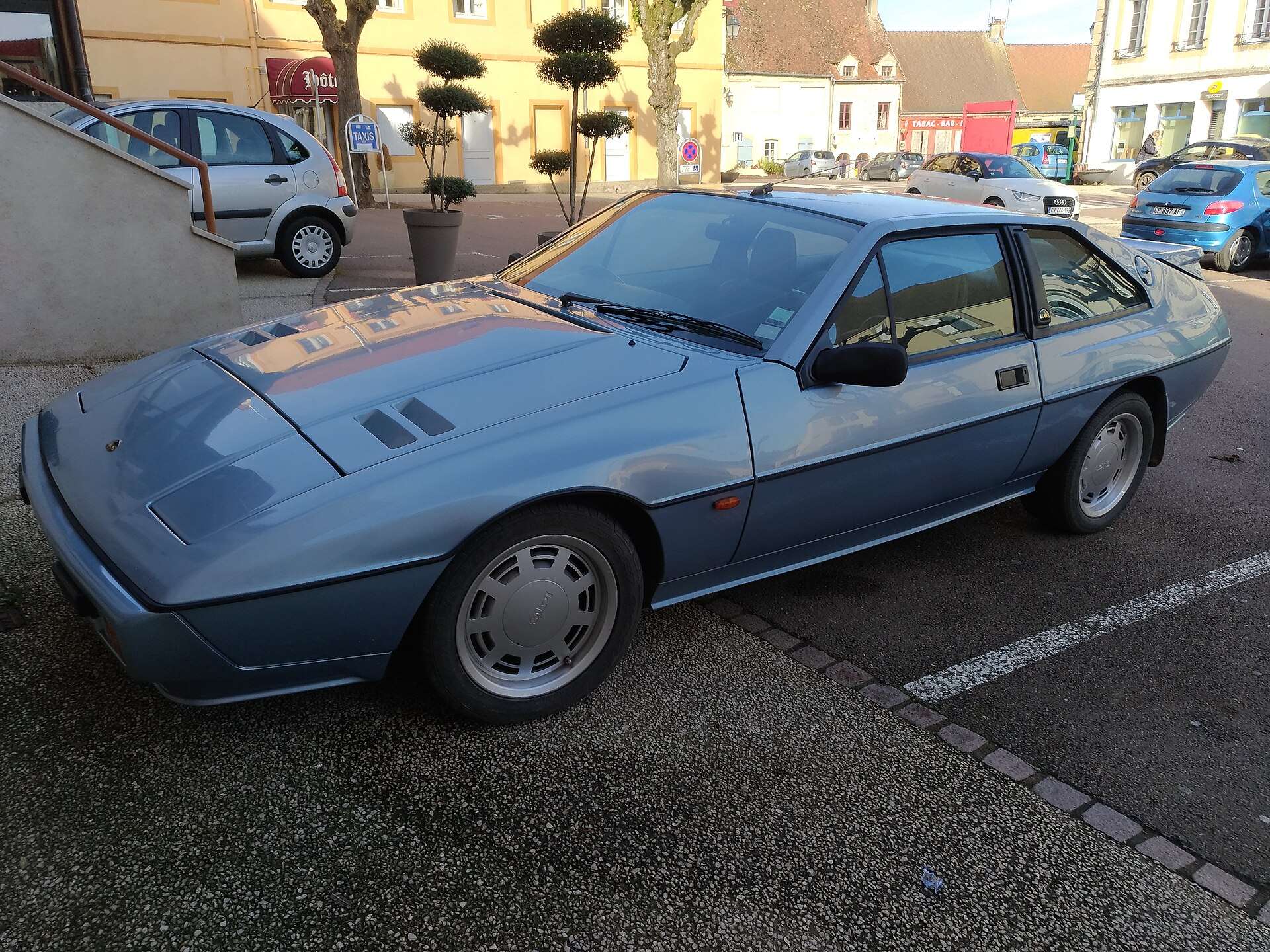
The cabin is one of the Excel’s strengths and one of its potential costs. Leather, headlining, carpets and veneers suffer from heat and damp. Test air conditioning, windows, mirrors, lamps, instruments, central locking and wipers. Water leaks can damage both trim and electrical connections.
Choosing the right Excel
A sound SE offers the strongest mixture of performance and parts familiarity. The SA is much rarer and appealing to buyers who want an automatic classic GT, but transmission-specific history matters. A cheap incomplete car is seldom economical once paint, leather, chassis work and engine servicing are counted.
Sources and further reading
- Lotus Cars: Excel history
- Hagerty UK: Elite, Eclat and Excel buying guide
- Lotus Cars: legacy parts support
Continue the Lotus story
The Excel was Lotus’s mature front-engined four-seat GT. Explore the Rare & Performance Lotus Cars hub, then read the Lotus Esprit guide and the Lotus Evora guide.
Frequently asked questions
When was the Lotus Excel produced?
The Excel was produced through the 1980s until 1992, evolving from the earlier Eclat.
What engine does the Excel SE use?
The SE uses Lotus’s 2.2-litre Type 912 four-cylinder, rated at 180 bhp.
What is the Lotus Excel SA?
The SA is the four-speed ZF automatic version, using the SE engine with a more touring-oriented specification.
Does the Lotus Excel use Toyota parts?
Yes. It uses several Toyota-sourced components including transmission and driveline hardware, but the chassis, body, engine and overall engineering are Lotus.
What should be checked before buying an Excel?
Inspect the backbone chassis, glassfibre body, cambelt and cooling history, gearbox or automatic, differential, suspension, brakes, water leaks, interior trim and all electrical equipment.