UNUSUAL CARS MODEL GUIDE
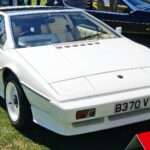
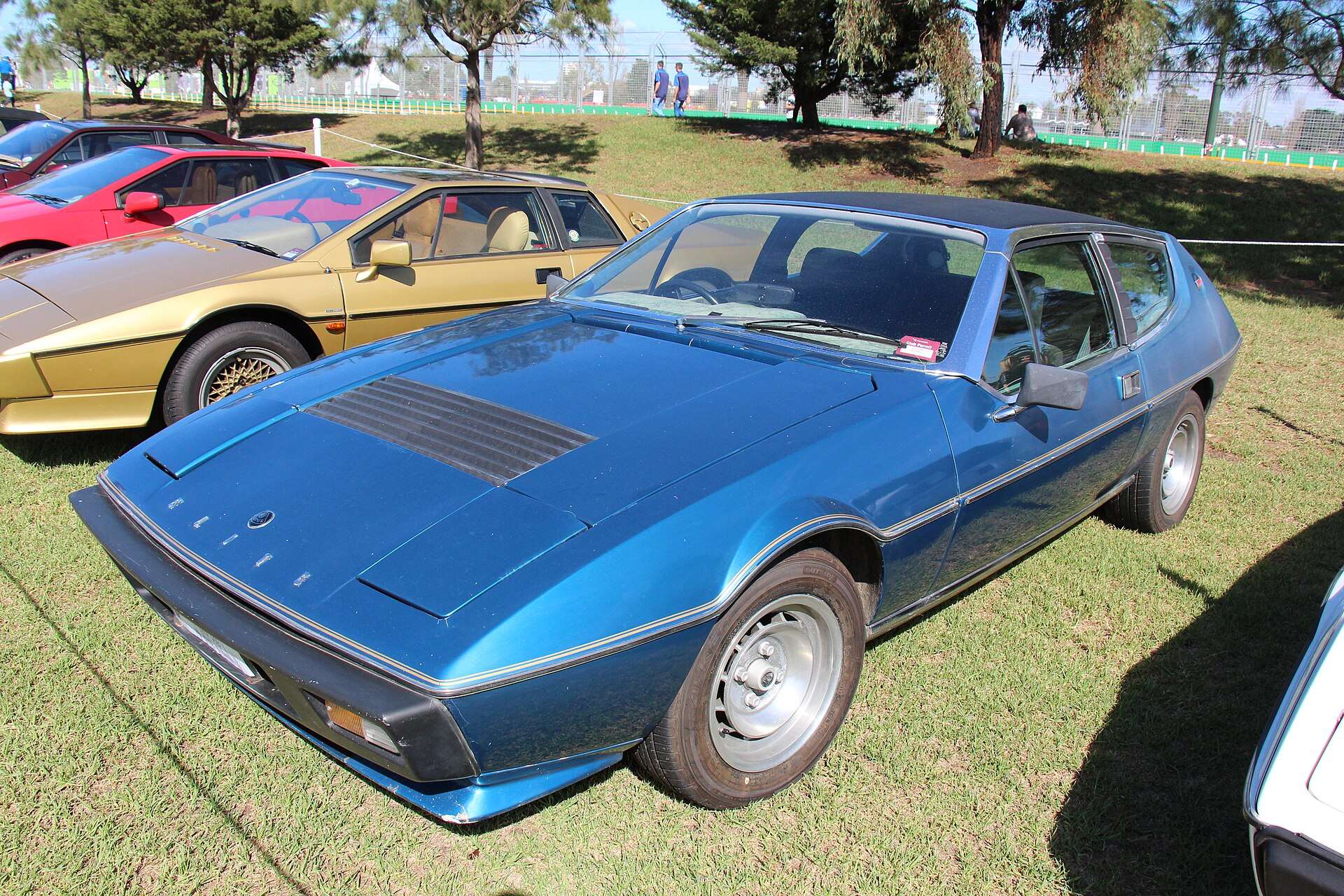
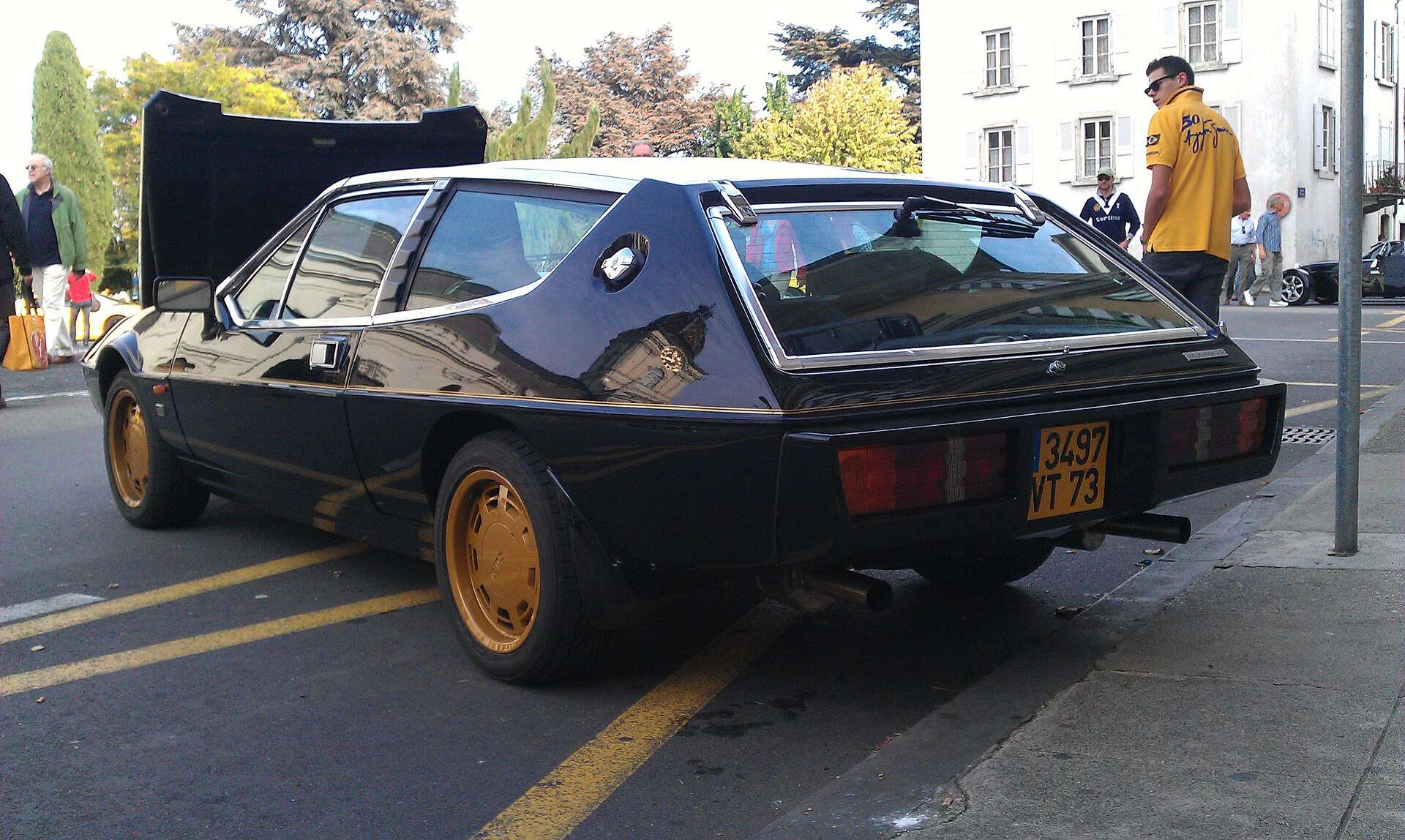
The second-generation Lotus Elite was the four-seat shooting-brake coupé produced from 1974 to 1982 as the Type 75 and later Type 83. It combined Oliver Winterbottom’s wedge-shaped glassfibre body with a steel backbone chassis and Lotus’s own Type 907 or 912 twin-cam four-cylinder engine.
Quick answer: early 501–504 cars provide the purest 2.0-litre specification, while the rare Series 2.2 adds the torquier 2,174 cc engine and useful detail improvements. Buy on chassis, body, cooling and interior condition; restoring a damp, incomplete Elite can cost far more than finding a sound example.
Lotus moves upmarket
By the early 1970s Lotus wanted a more sophisticated road-car range than the Elan and Europa. The Type 75 Elite offered four real seats, a practical glass tailgate and a distinctive aerodynamic body while retaining the company’s familiar backbone-chassis engineering.

The Elite was not intended as a conventional luxury car. Its appeal came from combining family accommodation with low weight, responsive steering and a high-revving Lotus engine. It also introduced the Type 907 as Lotus’s first production road-car engine designed in-house.
501, 502, 503 and 504
The numerical variants mainly identified equipment. The 501 formed the base, the 502 added comfort equipment, the 503 brought power steering and the 504 combined a richer specification with automatic transmission. Exact equipment changed by market and year, so the car’s build record is more reliable than assumptions based only on a badge.

Series 2.2 and Type 83
For 1980 the Series 2.2 became Type 83 and received the 2,174 cc Type 912 engine. Peak power remained around 160 bhp in factory figures, but the larger engine improved torque and everyday flexibility. Revised chassis details, transmission and exterior trim accompanied the change.

| Version | Engine/transmission | Main distinction |
|---|---|---|
| 501 | 2.0 Type 907, manual | Core early specification. |
| 502 | 2.0 Type 907, manual | Additional comfort and audio equipment. |
| 503 | 2.0 Type 907, manual | Power steering and higher equipment level. |
| 504 | 2.0 Type 907, automatic | Automatic touring version. |
| Type 83 Series 2.2 | 2.2 Type 912 | More torque and later chassis, trim and gearbox revisions. |
Love cars you don’t see every day?
Get forgotten cars, surprising motoring stories and the most interesting finds from Unusual Cars by email.
Free to join. No spam. Unsubscribe whenever you like. See our privacy policy.
Backbone chassis and glassfibre body
Early chassis can corrode severely around the front suspension towers, lower sections, body mounts and rear structure. Later galvanising does not make inspection optional: accident damage, blocked drainage and repairs can expose the steel. Confirm lifting points and suspension pick-ups remain straight.
Check the glassfibre for crazing, stress cracks and water ingress. Door beams and hinges carry large doors, while the tailgate frame, seals and surrounding trim can be expensive to restore. Poor panel fit may reflect hinge wear, body distortion or previous accident repair.
Engine, cooling and transmission
Demand evidence of cambelt replacement, correct tensioning and stable oil pressure. Inspect the cooling system, water pump, radiator, fans and hoses; overheating can damage both the engine and confidence in the car. Carburettor balance and fuel-hose condition also matter.

Manual gearboxes should select cleanly and the clutch should operate without drag. Automatic cars require correct fluid, prompt engagement and smooth changes. Differential mounts, driveshaft joints and rear wheel bearings can transmit significant noise through the chassis.
Interior and electrical systems
The cabin is central to the Elite’s appeal and restoration cost. Inspect seats, carpets, headlining, veneers, dashboard and switchgear for damp damage or poor retrimming. Test lights, pop-up headlamps, windows, heater, instruments, power steering and air conditioning where fitted.
Sources and further reading
Continue the Lotus story
The wedge-shaped Elite took Lotus into a more practical and ambitious market. Explore the Lotus hub and the Éclat guide and the Excel guide.
Frequently asked questions
When was the second-generation Lotus Elite produced?
The Type 75 arrived in 1974 and the later Type 83 Series 2.2 continued until 1982.
What is the difference between the Type 75 and Type 83 Elite?
The Type 83 is the later Series 2.2 with the 2,174 cc Type 912 engine and associated chassis, transmission and trim revisions.
How many seats does the Lotus Elite have?
It is a four-seat shooting-brake coupé with a large glass rear hatch.
Is the Lotus Elite chassis galvanised?
Later cars received improved chassis protection, but every example still requires inspection for corrosion, repairs and accident damage.
What should be checked before buying an Elite?
Inspect the backbone chassis, body and door structure, cambelt and cooling history, gearbox or automatic transmission, suspension, brakes, water leaks, interior trim and electrics.