UNUSUAL CARS MODEL GUIDE
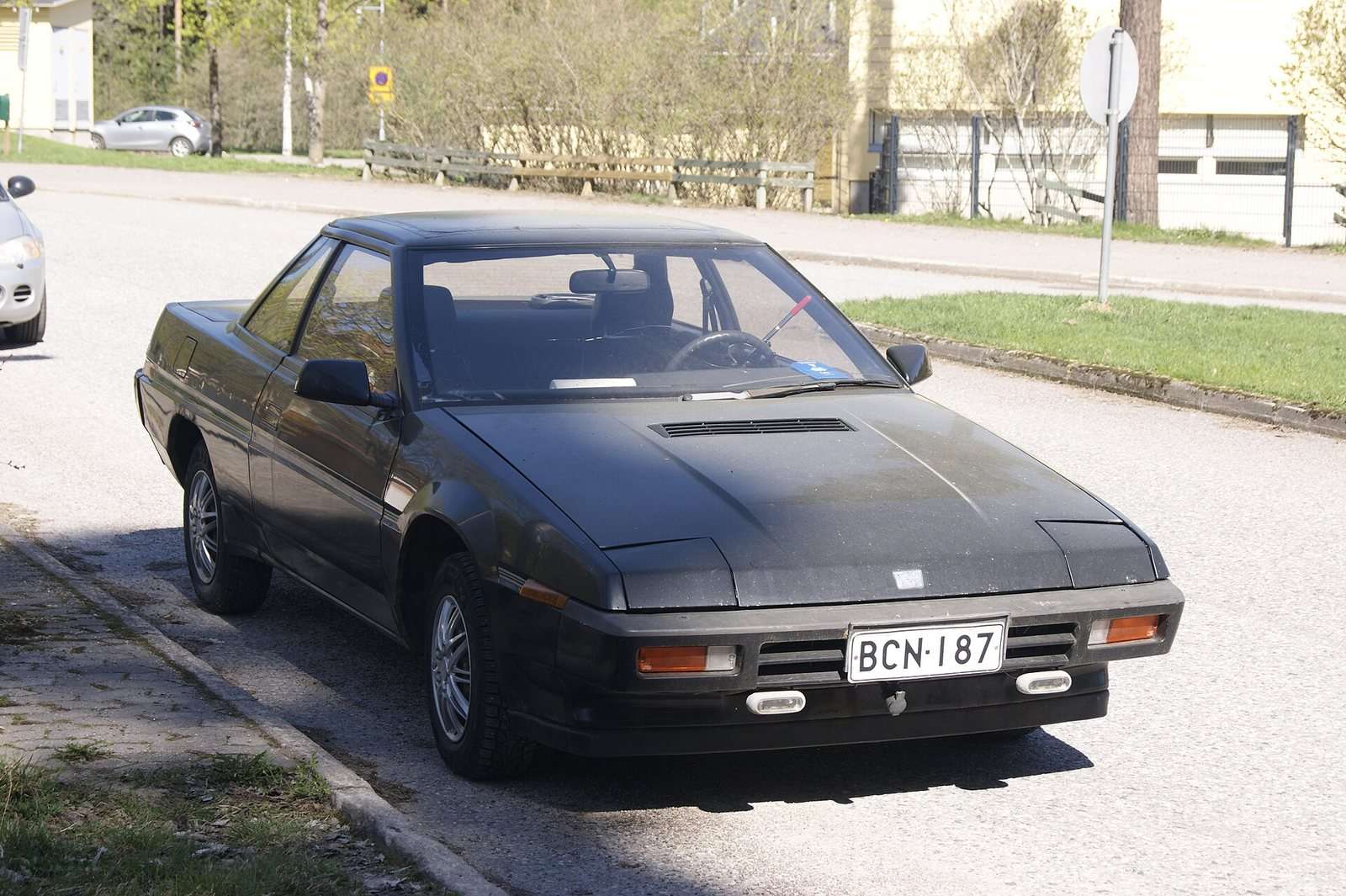
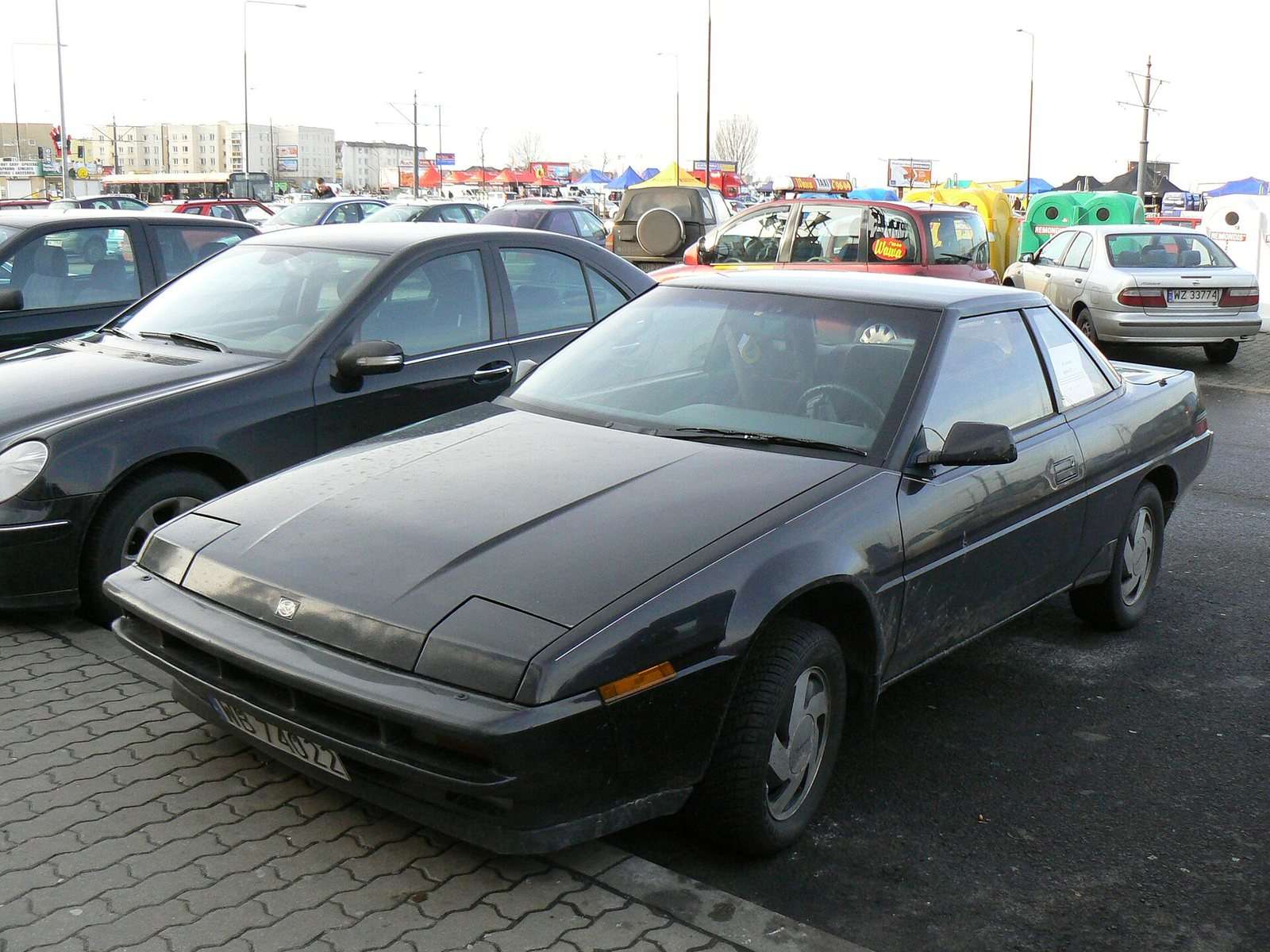
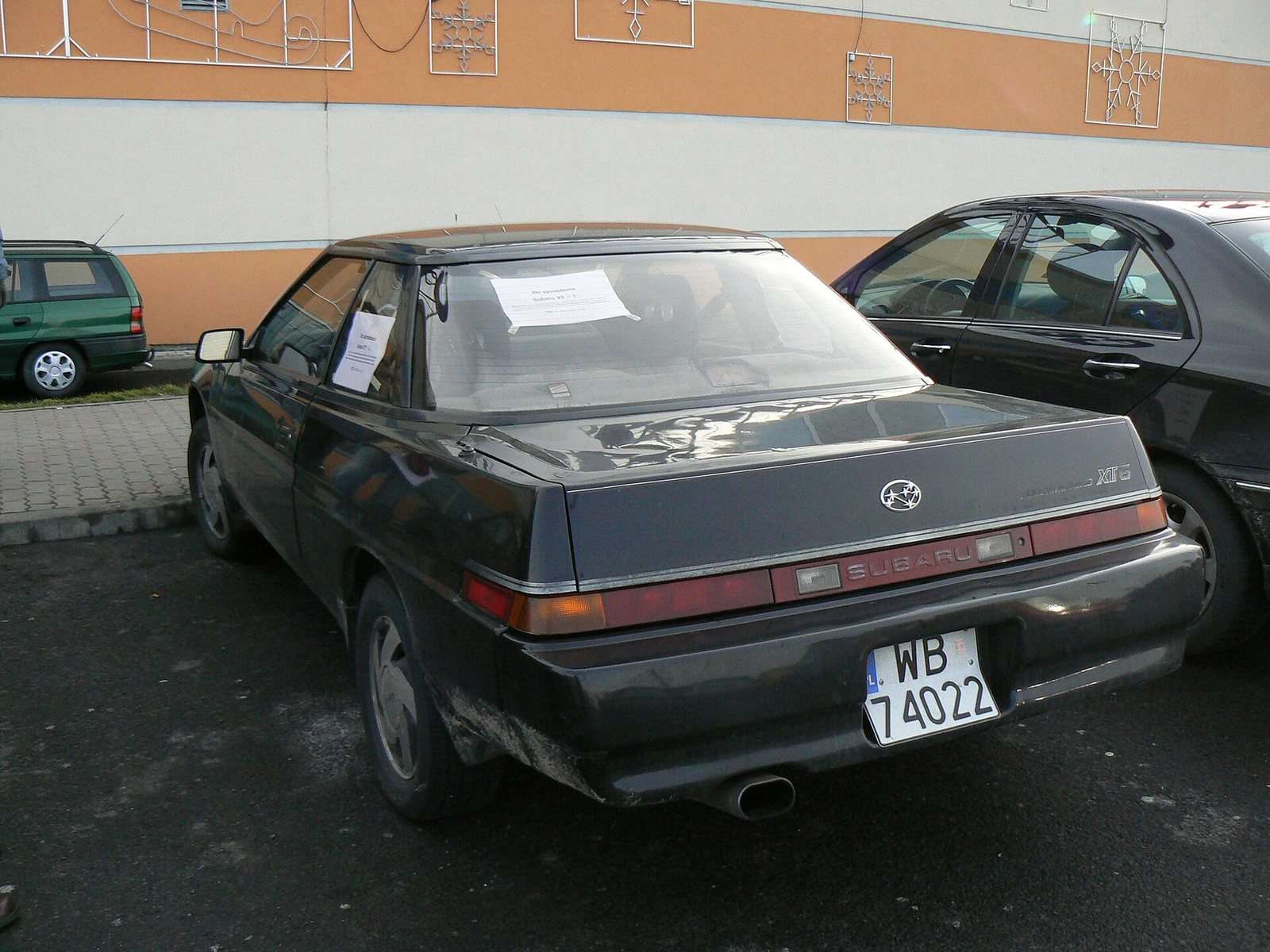
The Subaru XT was one of the most aerodynamic and unconventional Japanese coupés of the 1980s. Launched in 1985 and called Alcyone in Japan, it combined a wedge-shaped body, flat-four engines and optional four-wheel drive with aircraft-inspired controls. The later XT6 and Alcyone VX added Subaru’s 2.7-litre ER27 flat-six.
Quick answer: choose an XT for its design and light turbo character, or an XT6 for smoother six-cylinder power. Both are now rare enough that rust, hydraulic and electrical condition, intact interior trim and evidence of careful maintenance matter more than mileage.
A coupé shaped by aerodynamics
Subaru of America dates the unveiling of the 1985 XT Coupé to 1984 and describes it as a statement in aerodynamic styling. Its low nose, pop-up headlamps, flush glass, concealed wipers and carefully tapered tail were radical beside the company’s practical estates.
The Japanese-market name Alcyone refers to the brightest star in the Pleiades cluster represented by Subaru’s badge. The same basic car appeared as XT in export markets, with specifications varying by country and year.

Flat-four XT models
Most early cars use versions of Subaru’s EA82 1.8-litre flat-four. Naturally aspirated and turbocharged engines were offered, while front-wheel drive or four-wheel drive depended on market and trim. The low engine helped the bonnet line, and turbo cars gave the XT useful mid-range performance without turning it into a conventional muscle coupé.
Inside, Subaru pursued the futuristic theme with an asymmetrical steering-wheel hub, pod-mounted switches, an unusual gear selector and, on some versions, digital instruments. Pneumatic height-adjustable suspension appeared on selected cars. These details make a complete survivor fascinating, but also make neglected examples difficult to restore.
Love cars you don’t see every day?
Get forgotten cars, surprising motoring stories and the most interesting finds from Unusual Cars by email.
Free to join. No spam. Unsubscribe whenever you like. See our privacy policy.
XT6 and Alcyone VX
The XT6 reached North America for 1988, while Japan received the related Alcyone VX 2.7. Its ER27 engine was Subaru’s first production six-cylinder boxer: effectively an enlarged member of the EA family with six horizontally opposed cylinders. Subaru’s corporate timeline records the Alcyone VX 2.7 with electronically controlled full-time all-wheel drive in July 1987.
The six-cylinder car gained smoother power, five-lug hubs and model-specific chassis equipment. Its speed-sensitive electro-hydraulic “Cybrid” steering is a defining feature. The system feels light and advanced when healthy, but its dedicated pump, fluid and electrical controls require correct diagnosis.
| Model | Typical engine | Key distinction |
|---|---|---|
| XT / Alcyone | 1.8-litre EA82 flat-four | Normally aspirated or turbo; FWD and 4WD variations |
| XT Turbo | 1.8-litre turbo flat-four | Bonnet intake, light nose and strong period character |
| XT6 | 2.7-litre ER27 flat-six | Smoother torque, five-lug hubs and Cybrid steering |
| Alcyone VX | 2.7-litre ER27 flat-six | Japanese-market six-cylinder flagship |
Subaru XT and XT6 buying guide
Rust and accident repairs
Inspect sills, floorpan, inner wings, suspension mounts, wheelarches, door bottoms, windscreen surround and the seams beneath the rear hatch. Water ingress damages trim and electrics. Panel availability is poor, so a straight, complete shell is worth paying for.
EA82 and ER27 engines
Check timing-belt history, cooling-system condition, oil leaks and stable temperature. The EA82 uses two timing belts and can suffer from aged hoses, cam-carrier leaks and neglected cooling. The ER27 is durable when maintained but model-specific parts are scarcer. Any overheating history deserves caution.
Turbo and fuel systems
A turbo XT should boost smoothly without smoke, detonation or erratic idle. Vacuum leaks, brittle hoses, old injectors and poor previous modifications create many problems. Standard induction and boost control are preferable to undocumented tuning.
Cybrid steering and air suspension
On an XT6, confirm that the Cybrid steering assistance is consistent and quiet. Do not substitute ordinary power-steering fluid without checking the correct specification. If pneumatic suspension is fitted, test every height setting and leave the car standing to reveal leaks. Coil-spring conversions may be practical but should be documented.
Interior and electrical equipment
Operate the digital display where fitted, pop-up lamps, heater, windows, mirrors, central locking, warning lights and every column-pod switch. Dash plastics, seat trim, steering-wheel parts and switchgear are extremely hard to replace. A complete non-runner may still be a better basis than a running car with a gutted cabin.

Driving character
The XT feels narrow, low and unmistakably of its era. The flat-four cars are more delicate than outright fast; turbo response and low seating provide the drama. The XT6 is more mature, with useful torque and a calmer long-distance personality. Neither behaves like a modern sports coupé, but both make ordinary journeys memorable.
Tyres, dampers, bushes and alignment have a large effect on a chassis this old. Four-wheel-drive cars need matching tyres. Before judging one, make sure its basic maintenance is current and its unusual steering or suspension systems work as intended.
Why the XT deserves preservation
The XT is evidence that Subaru’s technical independence extended beyond utility and rally success. Its aerodynamics, dashboard and drivetrain packaging were a coordinated attempt to build something genuinely different. The XT6 then previewed the flat-six grand-touring idea developed further by the SVX.
Sources
- Subaru of America: the 1985 XT Coupé
- Subaru Corporation Fact Book: Alcyone and Alcyone VX timeline
- Subaru Corporation Integrated Report: models through the years
Continue the Subaru story
Explore the Rare & Performance Subarus hub, follow the flat-six idea into the SVX, or discover the compact Vivio RX-R and T-Top.
Frequently asked questions
Are the Subaru XT and Alcyone the same car?
Yes. Alcyone was the Japanese-market name, while XT was used in major export markets. Engines, drivetrains and equipment varied.
What engine is in the Subaru XT6?
The XT6 uses Subaru’s 2.7-litre ER27 horizontally opposed six-cylinder engine.
Did the Subaru XT have four-wheel drive?
Many XTs did, but front-wheel-drive versions also existed. The exact system and controls depend on market, transmission and model year.
What is Subaru Cybrid steering?
Cybrid is the XT6’s speed-sensitive electro-hydraulic power-steering system, using an electric pump and dedicated hydraulic circuit.
What should I check before buying a Subaru XT or XT6?
Prioritise rust, cooling and timing-belt history, complete interior trim, pop-up lamps and electronics, turbo condition, Cybrid steering, air suspension where fitted, and four matching tyres.