UNUSUAL CARS MODEL GUIDE
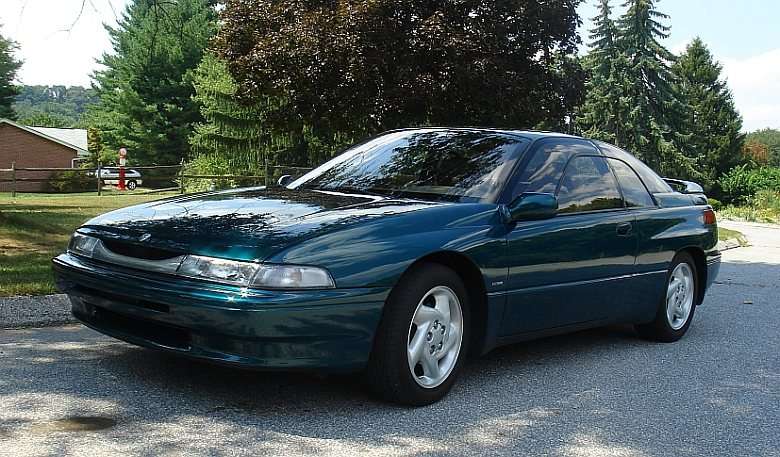
The Subaru SVX is a Giugiaro-designed grand tourer built from 1991 to 1996. Its glass canopy, 3.3-litre EG33 flat-six, four-speed automatic transmission and sophisticated four-wheel-drive systems made it unlike any other Subaru of its era.
Quick answer: the SVX is a refined long-distance coupé rather than a rally car in evening clothes. Buy for its design, smooth six-cylinder engine and rarity, but budget for transmission cooling, wheel bearings and model-specific glass and trim.
From 1989 concept to production grand tourer
Subaru presented the SVX concept at the 1989 Tokyo Motor Show and retained an unusually high proportion of Giorgetto Giugiaro’s design for production. The Japanese-market Alcyone SVX launched in September 1991 after the model had appeared in North America.
The brief was a high-performance grand tourer capable of covering long distances with four adults. Subaru’s own history summarised the promise as “500 miles a day”, a useful description of the car’s priorities: speed, stability, comfort and weather security.
Giugiaro’s glass-to-glass canopy
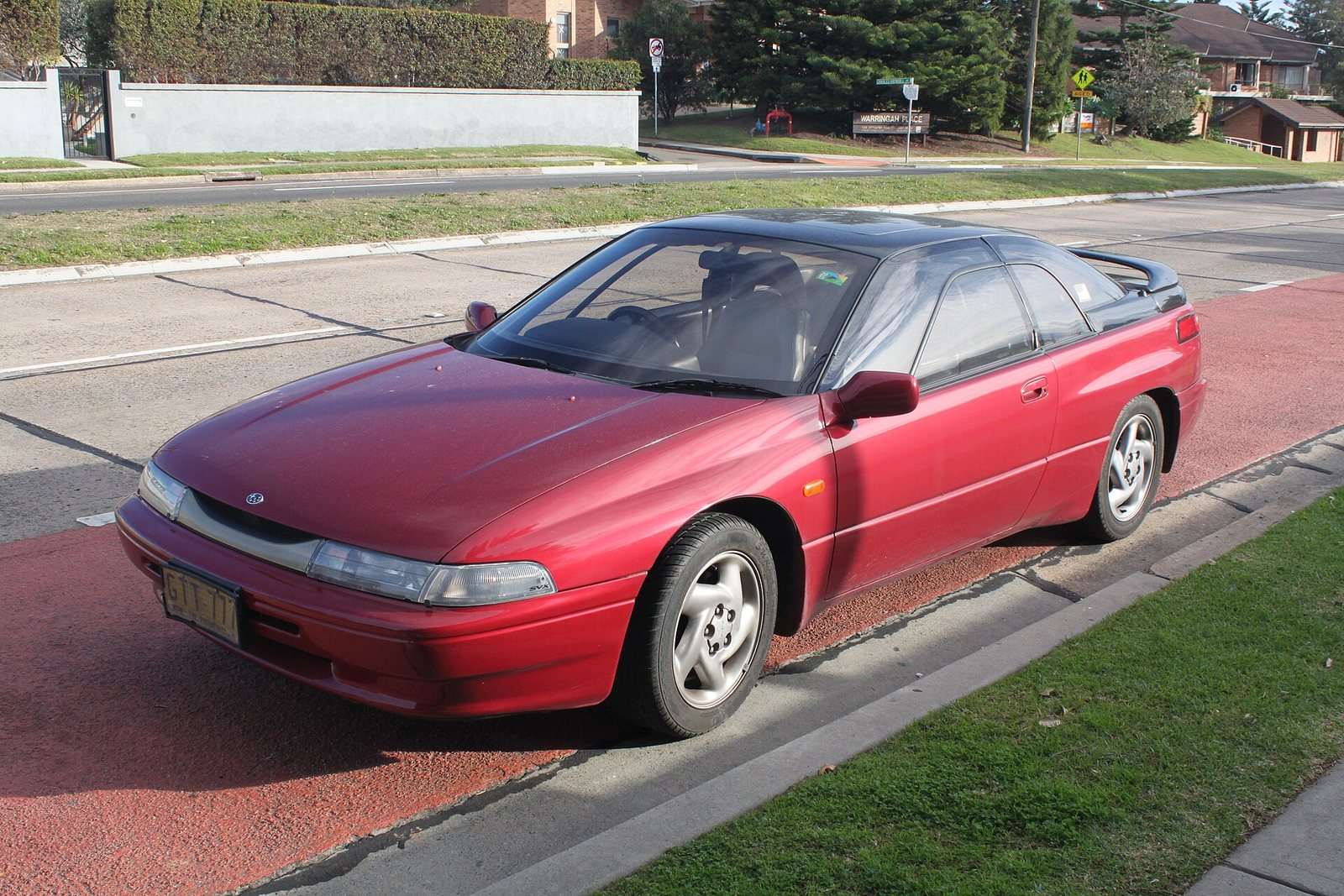
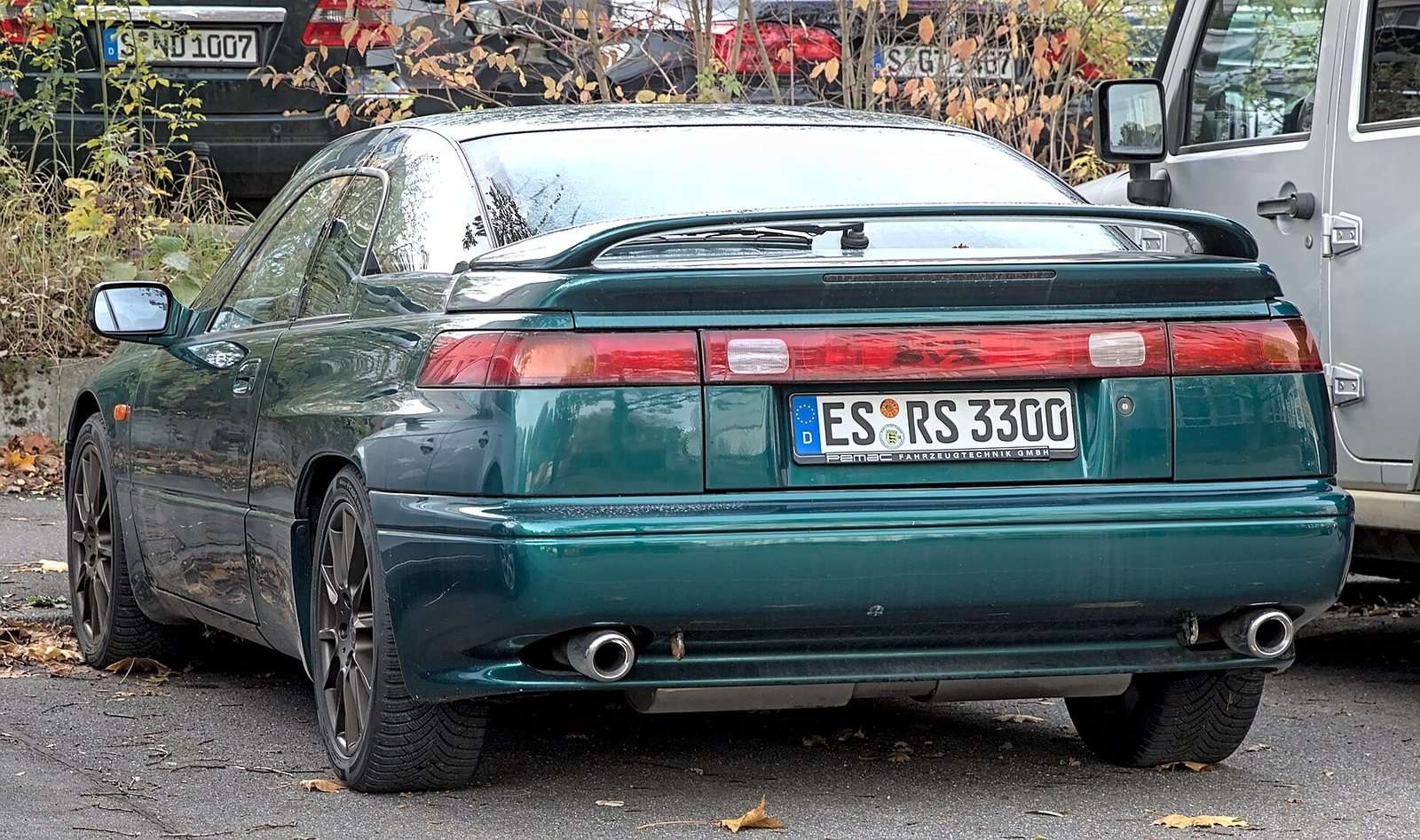
The defining feature is the continuous-looking canopy. Dark pillars and an inset opening section allow the side glass to wrap into the roof visually, while pronounced wheelarches give the body enough strength and presence to support the idea.
The design is not merely decorative. It creates excellent outward visibility and isolates the smaller opening windows from the main glass shape. The penalty today is parts availability: damaged glazing, seals and exterior trim can be difficult and expensive to replace.
EG33 flat-six engine
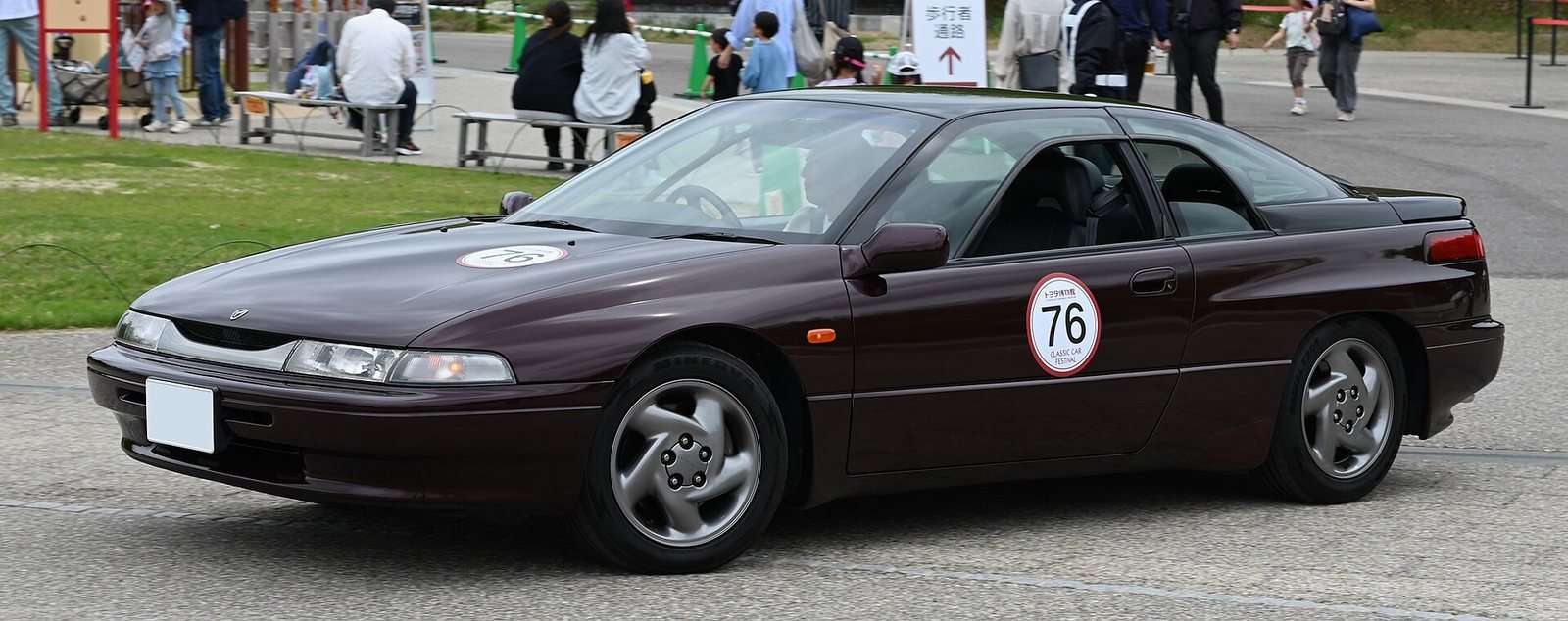
Subaru developed the 3,319cc EG33 specifically for the SVX. It uses horizontally opposed cylinders, four camshafts and four valves per cylinder, with variable intake geometry helping deliver flexible torque. Outputs vary by market, but the engine was designed for smooth, sustained performance rather than turbocharged drama.
Every production car used a four-speed automatic transmission. No factory manual existed, despite later private conversions. That fact matters when assessing originality, insurance and the engineering quality of any converted car.
| Feature | Subaru SVX |
|---|---|
| Production period | 1991–1996 |
| Engine | 3.3-litre EG33 naturally aspirated flat-six |
| Transmission | Four-speed automatic only |
| Drive | Four-wheel drive in most markets; some front-drive versions existed |
| Body | Four-seat two-door grand-touring coupé |
| Designer | Giorgetto Giugiaro / Italdesign |

Four-wheel-drive systems and market differences
Most export cars use an electronically managed all-wheel-drive system that can vary torque distribution as conditions change. Japanese specifications included different grades and, on selected versions, variable torque distribution or four-wheel steering. A small number of front-wheel-drive SVXs were also sold in certain markets.
These variations make the chassis number and original market important. Do not assume that every car has identical drivetrain hardware because the external shape is the same.
Love cars you don’t see every day?
Get forgotten cars, surprising motoring stories and the most interesting finds from Unusual Cars by email.
Free to join. No spam. Unsubscribe whenever you like. See our privacy policy.
Subaru SVX buying guide
Automatic transmission
The four-speed automatic is the central buying concern. Test it from cold and fully warm, checking for delayed engagement, flare, harsh shifts, warning lamps or burnt fluid. Heat accelerates deterioration, so evidence of correct servicing and an effective transmission cooler is valuable.
Engine and cooling system
The EG33 is durable when maintained, but its size and rarity make neglect expensive. Look for cam-cover and front-seal oil leaks, cooling-system pressure, ageing hoses, rough running and evidence of timing-chain or ancillary maintenance. Confirm that overheating has not damaged the engine or transmission.
Wheel bearings, brakes and suspension
Wheel-bearing noise is a recognised SVX issue and should be separated from tyre roar or differential noise. Check dampers, bushes, steering joints and brakes; a heavy grand tourer quickly exposes tired components. Modified wheel offsets can accelerate bearing wear.
Glass, body and trim
Inspect the inset windows, large glass panels, seals and regulators carefully. Check wheelarches, sills, floors, suspension mounts, boot and windscreen surrounds for corrosion. Interior switches, lights, mouldings and exterior trim may be harder to find than routine service parts.
Air conditioning and electrics
Test every electrical item, including climate control, windows, seats, instruments, central locking and cruise control where fitted. Restoring a complete but non-working system is usually easier than finding missing model-specific components.
Why the SVX matters
The SVX shows Subaru pursuing a luxury-performance idea independently rather than copying the established European coupé formula. Its naturally aspirated flat-six, unusual glazing and all-weather drivetrain remain distinctive more than three decades later.
Sources
- Subaru manufacturing history: 1991 Alcyone SVX
- Subaru Germany: 30 years of the SVX
- Subaru of America history
- Subaru: EG33 production context
Continue the Subaru story
Explore the Rare & Performance Subarus hub, compare the Impreza P1 and the Forester STI.
Frequently asked questions
What does Subaru SVX stand for?
Subaru described SVX as Subaru Vehicle X. In Japan it was sold as the Alcyone SVX, connecting it with the brightest star in the Pleiades constellation.
Who designed the Subaru SVX?
Giorgetto Giugiaro and Italdesign created the original design, including the glass-to-glass canopy and distinctive window-within-a-window side glazing.
What engine is fitted to the Subaru SVX?
Every production SVX used the naturally aspirated 3.3-litre EG33 flat-six with four camshafts and four valves per cylinder.
Was the Subaru SVX available with a manual gearbox?
No production SVX was factory-built with a manual gearbox. All used a four-speed automatic, although a few cars have since been converted privately.
What are the main Subaru SVX buying problems?
Check automatic-transmission health and cooling, wheel bearings, suspension, air conditioning, electrical equipment, glass and trim availability, engine oil leaks and structural corrosion.