
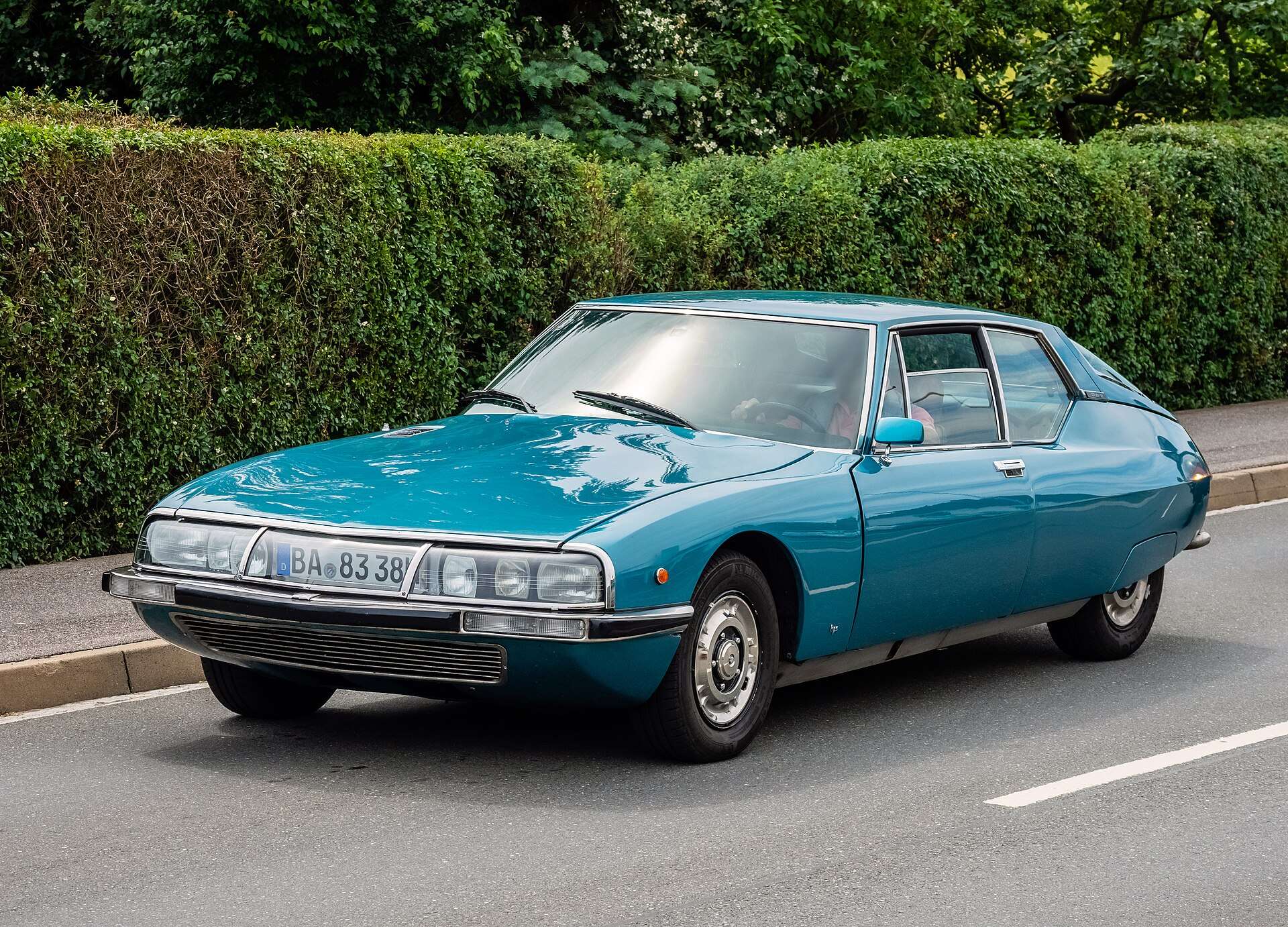
The Citroën SM combined French aerodynamic and hydraulic thinking with a Maserati V6, creating one of the most ambitious grand tourers of the 1970s.
Launched in 1970 after Citroën acquired Maserati, the SM was conceived as a fast, technically advanced flagship above the DS. Production ended in 1975 after 12,920 examples.
History and development
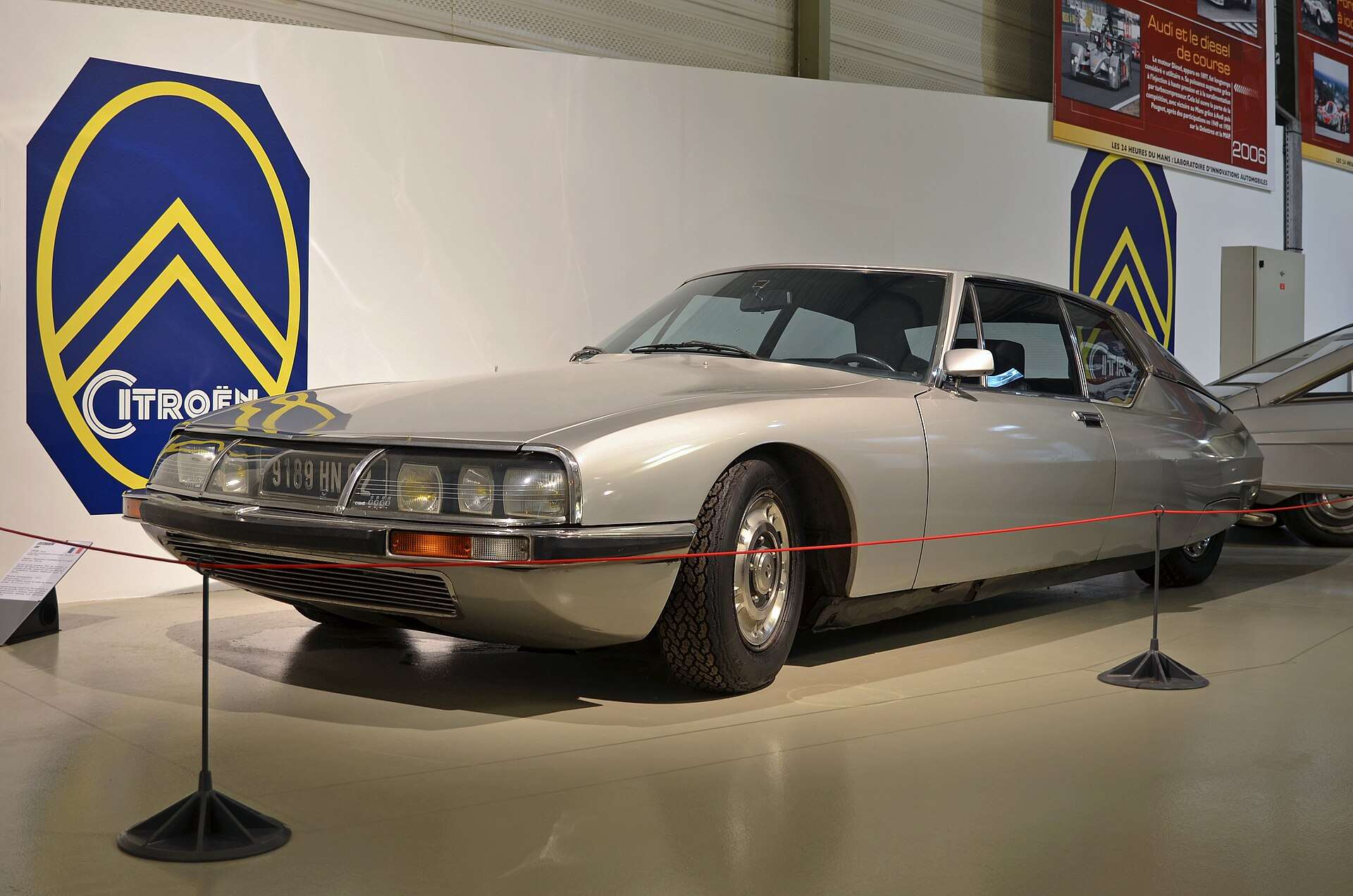
Robert Opron gave the SM its long, low shape. Maserati engineer Giulio Alfieri developed the compact V6, initially 2.7 litres and later 3.0 litres in some markets. Fuel injection joined carburettor versions, while an automatic broadened its appeal.
Engineering and character
Hydropneumatic suspension, high-pressure brakes and speed-sensitive self-centring DIRAVI steering gave the SM a unique road manner. Its covered lamp panel and exceptional aerodynamics were functional as well as dramatic.
Love cars you don’t see every day?
Get forgotten cars, surprising motoring stories and the most interesting finds from Unusual Cars by email.
Free to join. No spam. Unsubscribe whenever you like. See our privacy policy.
Models and versions explained
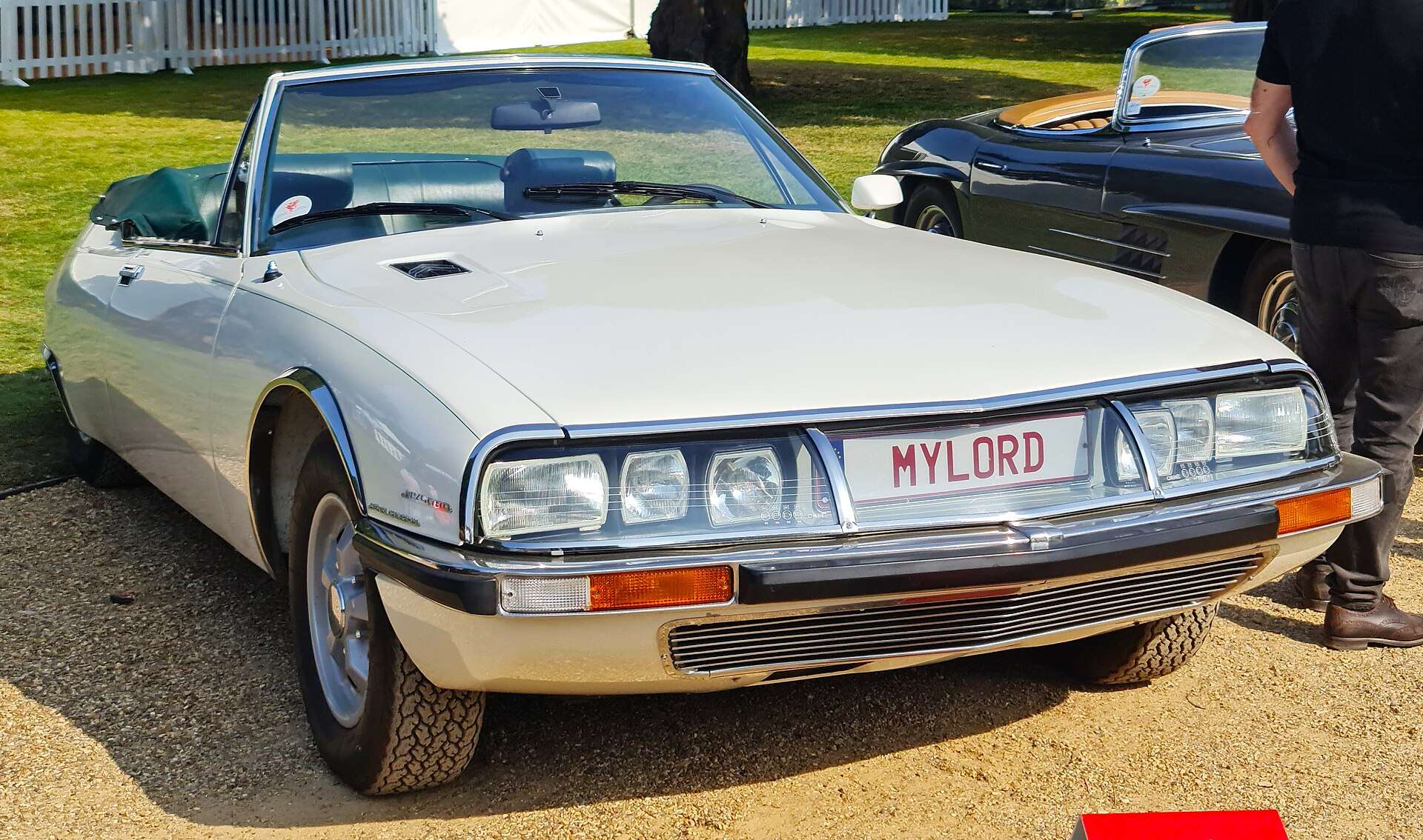
Important distinctions include 2.7-litre carburettor cars, Bosch-injected 2.7s and later 3.0-litre versions. Gearbox, market specification and emission equipment materially affect character and performance.
What it is like to drive
The SM is a rapid, stable long-distance machine rather than a conventional sports car. The steering is very direct, the ride composed and the V6 smooth and urgent when correctly set up.
Ownership and preservation
Inspect for corrosion, hydraulic neglect, cooling faults and deferred engine maintenance. Timing-chain system condition, valve gear, correct tyres and knowledgeable servicing are critical.
Condition, history and originality matter more than headline mileage. Confirm the identity from chassis records, inspect the structure on a lift and budget for preventative work. Specialist knowledge is particularly valuable where Citroën’s hydraulics, electronics or rare model-specific components are involved.
Why it matters now
Few cars unite two engineering cultures so vividly. The SM remains a compelling demonstration of what Citroën attempted when innovation mattered more than convention.
Frequently asked questions
What engine is in the Citroën SM?
A compact Maserati-designed V6, offered in 2.7- and 3.0-litre forms depending on year and market.
Does the SM use DS suspension?
It uses Citroën hydropneumatic principles but adds DIRAVI steering and SM-specific tuning.
How many SMs were built?
Citroën heritage records 12,920 cars between 1970 and 1975.
Is the SM front-wheel drive?
Yes. The engine sits longitudinally behind the front axle line and drives the front wheels.
Why did production end?
The oil crisis, high cost, changing regulations and Citroën’s financial difficulties all contributed.
Continue the Citroën story
Browse the Rare & Performance Citroëns hub, read our BX 4TC guide or discover the 10 Things Saxo VTR/VTS feature.
Research note: Dates, production totals and technical specifications were checked against Citroën/Stellantis heritage sources and contemporary model documentation. Equipment and outputs varied by market and year.
