The BMW M1 was conceived as a racing weapon, became a road-going supercar through necessity and ultimately created one of Formula One weekends’ most spectacular support series. Its clean Giugiaro shape hides a development story involving Lamborghini, several specialist Italian firms and BMW Motorsport’s legendary M88 straight-six.

1. Lamborghini was originally meant to build it
BMW Motorsport wanted a purpose-built replacement for the 3.0 CSL and contracted Lamborghini to help develop the chassis and assemble the new car. Lamborghini’s worsening financial position derailed the arrangement, forcing BMW to recover the project and divide production among several specialists. The upheaval delayed the racing programme that had justified the car in the first place.
2. Its shape evolved from BMW’s 1972 Turbo concept
Paul Bracq’s BMW Turbo concept established the basic mid-engined proportions, but Giorgetto Giugiaro and Italdesign transformed the idea into a production-ready wedge. The M1 retained BMW kidney grilles without letting them dominate the nose, while its crisp surfaces and black slatted rear made it unmistakably late-1970s without becoming visually fussy.
3. The M88 was far more exotic than an ordinary BMW six
The 3,453cc M88/1 used four valves per cylinder, individual throttle bodies, dry-sump lubrication and mechanical Kugelfischer fuel injection. In road form it produced 277PS, driving the rear wheels through a five-speed ZF transaxle. BMW quoted 0–100km/h in 5.6 seconds and 262km/h—figures that made it one of the fastest production cars of its era.
4. Every road car crossed Europe during assembly
Marchesi fabricated the tubular chassis in Modena, Italdesign fitted the glassfibre body, and Baur in Stuttgart completed much of the assembly. BMW Motorsport then carried out the final inspection and preparation in Munich. That complicated journey explains both the M1’s low production rate and why apparently simple manufacturing delays became so damaging.
Love cars you don’t see every day?
Get forgotten cars, surprising motoring stories and the most interesting finds from Unusual Cars by email.
Free to join. No spam. Unsubscribe whenever you like. See our Privacy Policy.
5. A rule change helped strand the original racing plan
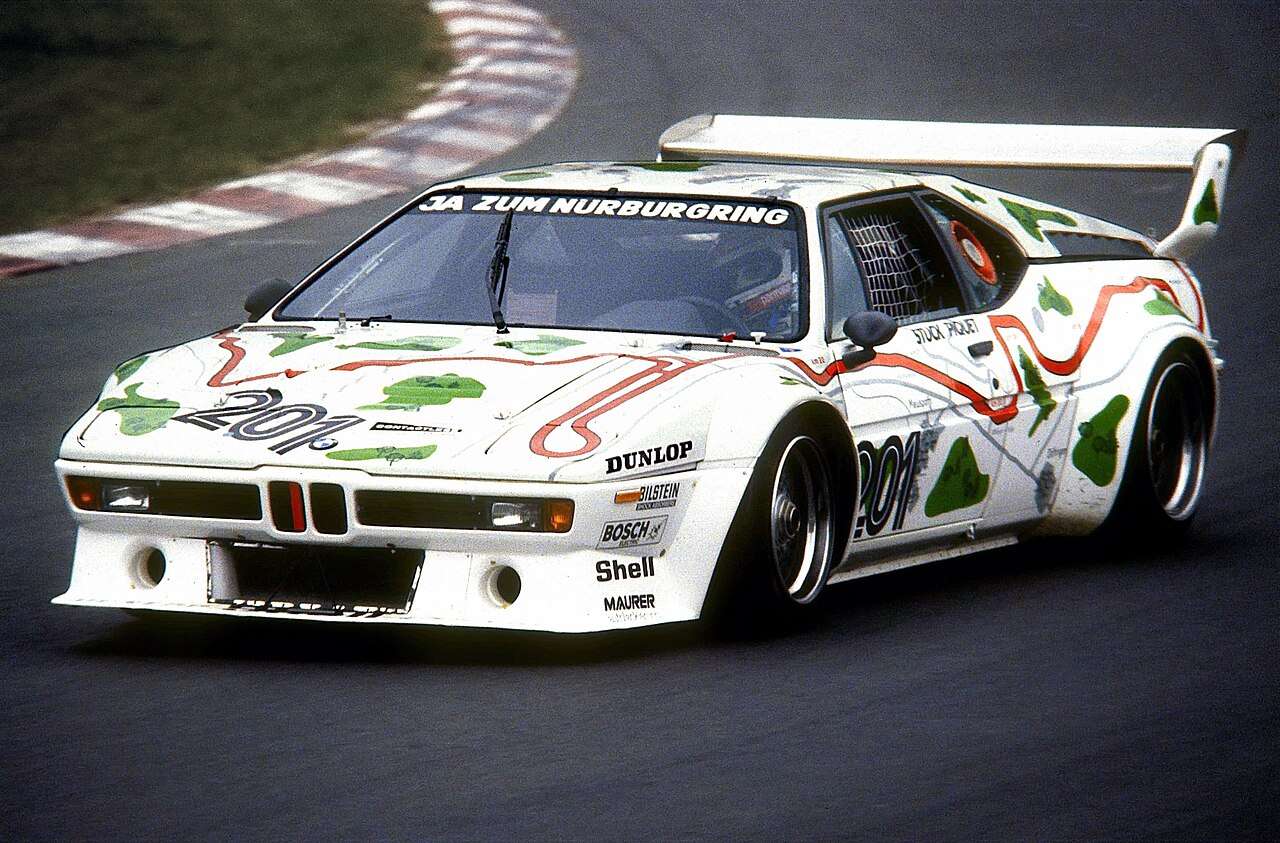
BMW needed 400 road cars to homologate the M1 for Group 4. The disrupted production programme meant that target took too long to reach, while the international regulations and competitive landscape moved on. BMW eventually raced highly developed Group 4 and Group 5 versions, but the neat factory plan behind the project never unfolded as intended.
6. Procar turned the delay into a motorsport legend
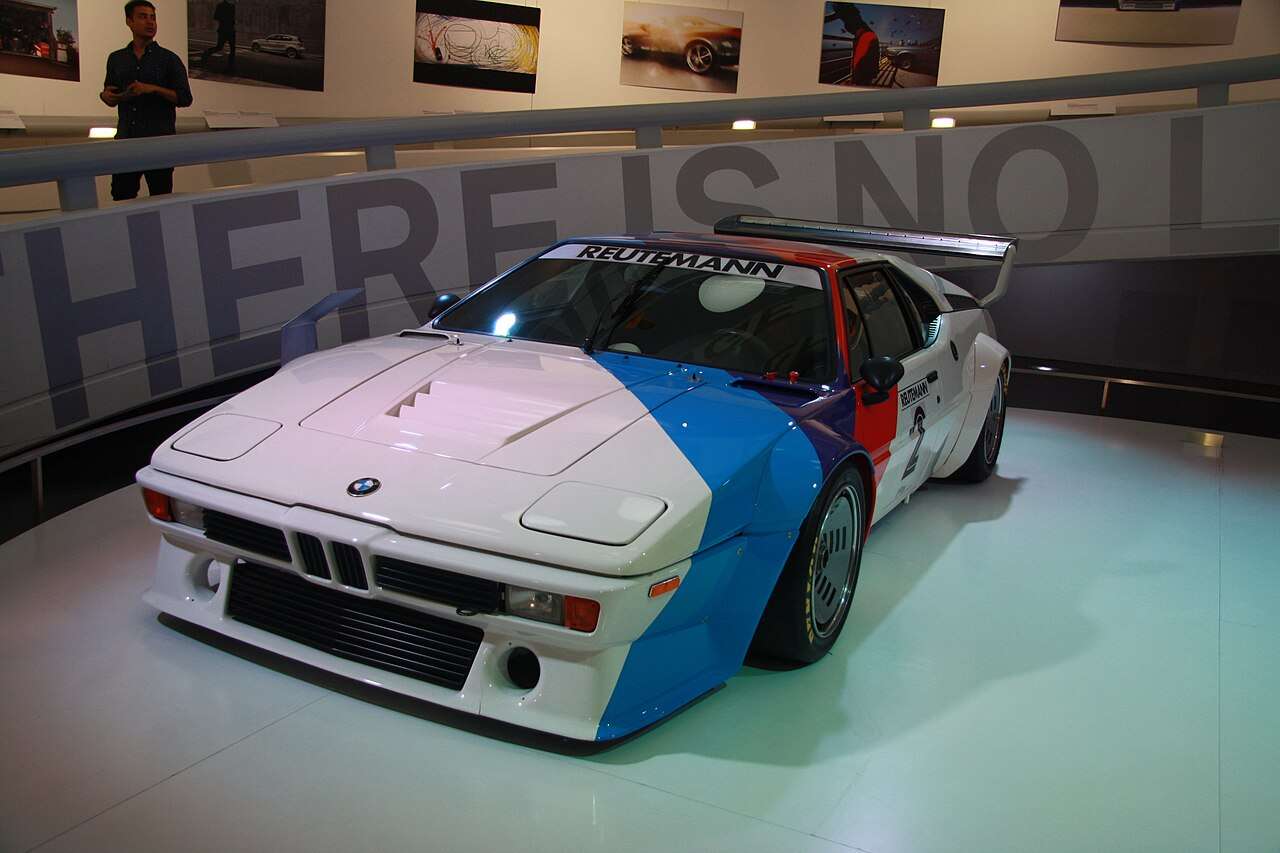
Jochen Neerpasch created the BMW M1 Procar Championship as a dramatic solution. The one-make series supported European Formula One rounds in 1979 and 1980. Leading F1 qualifiers drove BMW-prepared cars against touring-car specialists and private entrants, producing grids filled with identical, flame-spitting M1s and some of the era’s biggest names.
7. The road car was deliberately civilised
Despite its competition origins, the M1 was not an endurance racer with number plates. It offered air conditioning, electric windows, usable luggage space and unusually good visibility for a mid-engined supercar. Contemporary testers often praised its balance and predictability—qualities that made its performance accessible rather than intimidating.
8. BMW built only 453 examples in total
BMW Group Classic records 453 M1s produced between 1978 and 1981, including road and competition cars. Roughly 400 were road versions, with the remainder built for racing. That total is tiny by BMW standards and helps explain why genuine cars, especially those retaining original specification and documentation, are now exceptionally valuable.
9. Its engine created a dynasty of fast BMWs
The M88 architecture did not disappear with the M1. Developed versions powered the M635CSi and the European E28 M5, helping establish the high-revving straight-six character associated with early BMW M road cars. An evolved member of the family remained in service through the E34 M5, long after M1 production ended.
10. It remains BMW’s only mid-engined series-production car
BMW has produced concepts, prototypes and electrified sports cars since, but no other regular production BMW has repeated the M1’s mid-engined layout. That makes it more than the first standalone BMW M car: it is still a structural one-off in the company’s road-car history.
The M1 succeeded almost in spite of its original plan. The troubled production story cost it a clean racing career, yet produced a road car of unusual clarity and a competition series that became more famous than the championship it was designed to enter.
Love cars you don’t see every day?
Get forgotten cars, surprising motoring stories and the most interesting finds from Unusual Cars by email.
Free to join. No spam. Unsubscribe whenever you like. See our Privacy Policy.