
A successor with greater ambition
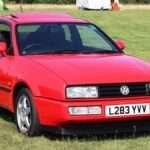
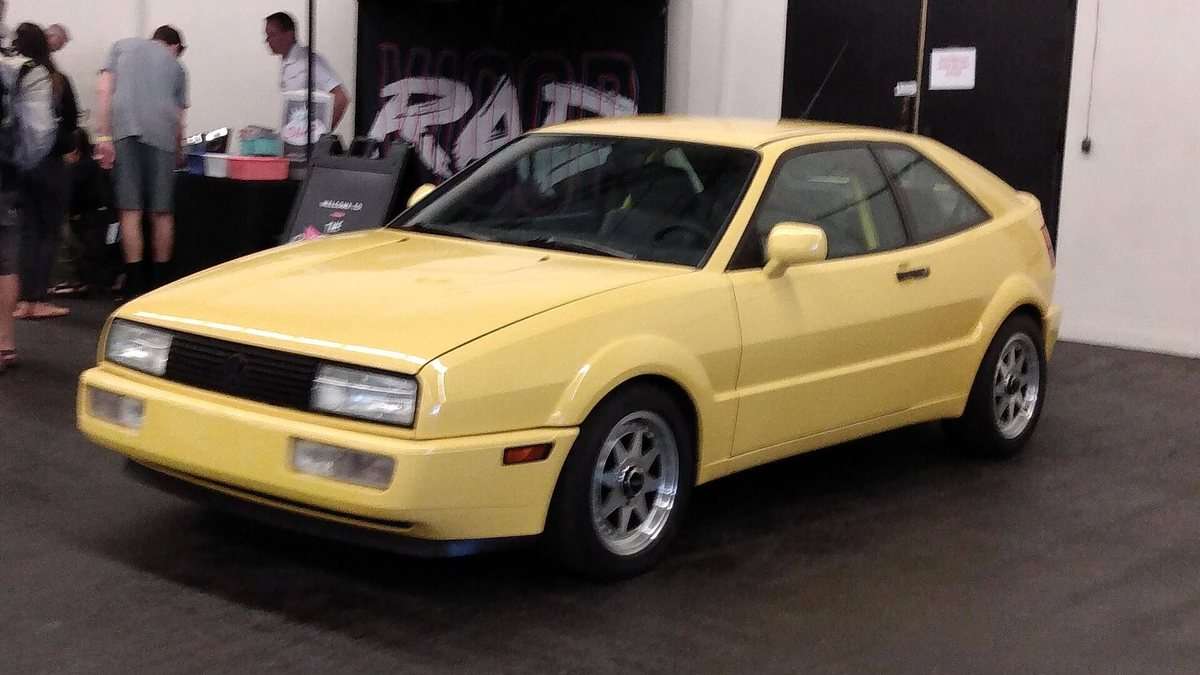
The Corrado replaced the Scirocco as Volkswagen’s more sophisticated sporting coupé, although the two overlapped for several years. Built by Karmann at Osnabrück, it combined platform elements from the Golf and Passat families with a body created specifically for the model. Volkswagen originally considered a shooting-brake form before settling on the compact 2+2 coupé.

How the G-Lader works
Instead of a conventional turbocharger, the G60 used a belt-driven scroll supercharger. Its internal spiral compressed intake air without waiting for exhaust gas, creating immediate response and the distinctive G-Lader designation. In production form the 1,781cc eight-valve engine produced 160 PS. Correct maintenance and rebuild history are crucial because wear, contamination and unsuitable modifications can damage the charger.
.jpg?width=1600)
Love cars you don’t see every day?
Get forgotten cars, surprising motoring stories and the most interesting finds from Unusual Cars by email.
Free to join. No spam. Unsubscribe whenever you like. See our privacy policy.
Chassis and active aerodynamics
The Corrado remained front-wheel drive throughout production. Its chassis aimed for stability and precise road behaviour rather than straight-line drama alone. A speed-sensitive rear spoiler rose automatically at speed and retracted again, an unusual feature on an affordable late-1980s coupé and part of the car’s technical identity.

The 1991 changes
The arrival of the VR6 required a wider, redesigned front structure, larger fuel tank and visual revisions that affected the wider Corrado range. In August 1992 Volkswagen also revised the dashboard, centre console and door trim. The G60 was discontinued in 1993, leaving the VR6 as the performance flagship.
Why the G60 matters
The G60 represents Volkswagen at its most experimentally mechanical: a compact coupé powered by a proprietary scroll supercharger rather than an industry-standard turbo. It also links the Corrado to the Rallye Golf and Golf G60 while retaining a distinctive shape and grand-touring character.
Versions at a glance
| Version | Engine | Output | Production role |
|---|---|---|---|
| Corrado G60 | 1.8-litre supercharged four | 160 PS | Original performance model |
| Corrado 16V | 2.0-litre sixteen-valve | 136 PS | Naturally aspirated alternative |
| Corrado VR6 | 2.9-litre narrow-angle six | 190 PS | Later European flagship |
Frequently asked questions
Is the Corrado G60 turbocharged?
No. It uses a mechanically driven G-Lader scroll supercharger, not an exhaust-driven turbocharger.
Is the Corrado G60 four-wheel drive?
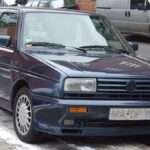
No. Every production Corrado was front-wheel drive. The Rallye Golf combined G60 power with Syncro four-wheel drive.
When was the Corrado G60 discontinued?
Volkswagen ended G60 production in 1993 as the engine range changed and the VR6 became the principal performance model.
What does the active spoiler do?
It rises automatically at speed to alter rear aerodynamic behaviour and retracts at lower speed. Its mechanism and manual switch should both work correctly.
Continue the Volkswagen story
Browse the Rare & Performance Volkswagens hub, compare it with the Corrado VR6 and Storm, or explore the Rallye Golf G60.