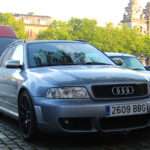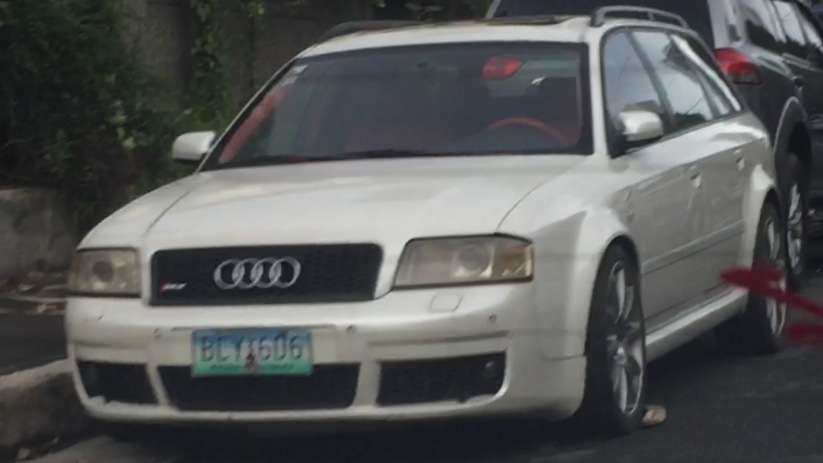
The original C5 Audi RS6 arrived in 2002 with the discreet body of an executive Audi and the pace of a contemporary supercar. Its 4.2-litre twin-turbo V8 produced 450PS and 560Nm, driving all four wheels through a five-speed Tiptronic gearbox. Offered as both saloon and Avant, it created a template every later RS6 would revisit: immense performance, restrained styling and genuine everyday space.
The RS6 was more than a faster A6. It was the first Audi RS model in the business-class segment and the first RS developed for major international markets. It also introduced Dynamic Ride Control, a hydraulically linked suspension system that remains associated with Audi’s most serious RS cars.
Where the first Audi RS6 came from
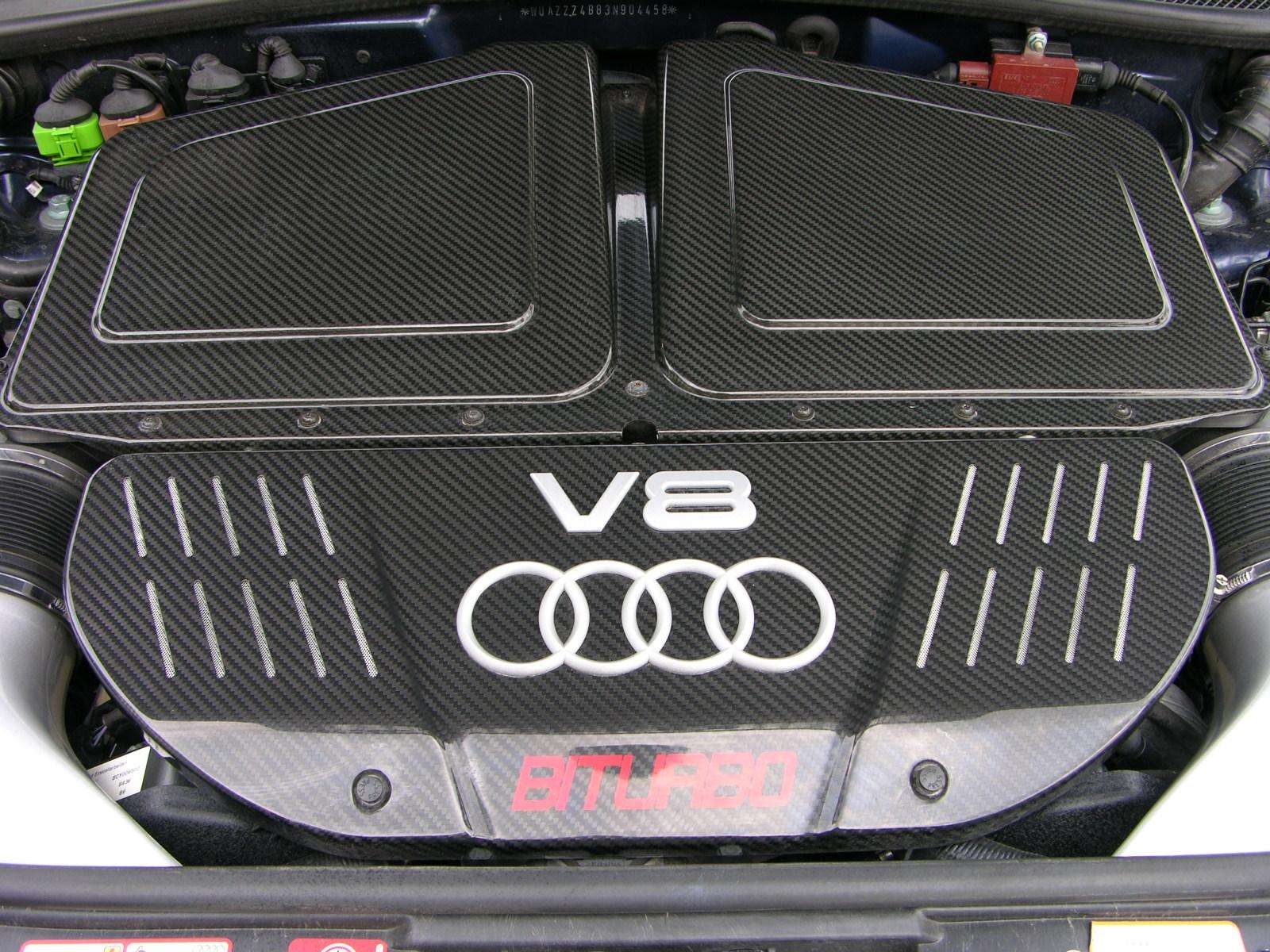
The C5 A6 had already produced the 340PS S6, but quattro GmbH went much further for the RS6. A 90-degree, 4.2-litre V8 gained two turbochargers and extensive engineering work carried out with Cosworth Technology in Northampton. Audi quotes 331kW, or 450PS, with 560Nm available across a broad rev range.
The engine drove through a five-speed automatic because the torque exceeded the capacity of Audi’s contemporary manual transmissions for a road car of this type. Steering-wheel shift controls gave the Tiptronic a sporting role, while permanent quattro four-wheel drive made the performance usable in poor weather.
Performance that redefined the fast estate
Audi’s official history gives a 0–100km/h time of 4.7 seconds. Standard cars were electronically limited to 250km/h. Those figures were exceptional for a large five-seat car in 2002, but the real achievement was repeatability: the RS6 could deliver that pace without surrendering its luggage capacity, automatic transmission or long-distance refinement.
The Avant became the best-known version, although the saloon was equally important. In North America the C5 RS6 was offered only as a saloon, while European buyers could choose either body style.

Dynamic Ride Control
The C5 introduced Audi’s Dynamic Ride Control, or DRC. Diagonally opposite dampers are connected hydraulically, allowing the system to counter pitch and roll without relying on air suspension or electronic actuators. It helped the heavy RS6 stay composed while preserving road-car usability.
DRC became one of the C5’s defining technologies and continued into later RS generations. On surviving cars, condition and correct servicing of the system matter because its behaviour is integral to how the car was engineered.
Subtle outside, special inside
The visual changes were purposeful rather than theatrical: broader arches, enlarged air intakes, oval exhaust outlets and large wheels distinguished the RS6 from an A6 or S6. Inside, supportive seats, an RS instrument cluster, steering-wheel controls and model-specific trim created a more serious environment without reducing daily comfort.

RS6 Plus: the final C5
Near the end of production, quattro GmbH created the RS6 Plus. Power rose from 450 to 480PS while torque remained at 560Nm. The electronic speed limit increased from 250 to 280km/h, and equipment that had previously been optional became standard.
The Plus was sold only as an Avant and was limited to 999 numbered examples. It is the most collectable factory C5 RS6, but its greater significance is how clearly it previewed the increasingly powerful limited editions that would accompany later RS models.

Love cars you don’t see every day?
Get forgotten cars, surprising motoring stories and the most interesting finds from Unusual Cars by email.
Free to join. No spam. Unsubscribe whenever you like. See our privacy policy.
Why the C5 RS6 matters
Earlier fast Audis had combined turbocharging, quattro and practicality, but the C5 scaled the formula into a true executive flagship. Its successors became faster and more complex, yet the original already contained the essentials: an understated body, a bespoke high-output engine, all-weather traction and chassis technology created specifically for an RS.
It also widened the meaning of an Audi estate. The Avant was no longer merely the practical version; in RS6 form it became the model enthusiasts expected to define the range.

Frequently asked questions
How much power does a C5 Audi RS6 have?
The standard C5 RS6 produces 450PS and 560Nm. The limited RS6 Plus raises power to 480PS while retaining the same torque figure.
Was the first RS6 available as a saloon?
Yes. The C5 RS6 was produced as both a four-door saloon and a five-door Avant. North America received the saloon, while Europe had both.
What engine is in the C5 RS6?
It uses a 4.2-litre 90-degree V8 with two turbochargers. Audi states that the engine was manufactured with Cosworth involvement in Northampton.
What is Dynamic Ride Control?
DRC is a hydraulically linked damping system that connects diagonally opposite corners to reduce pitch and roll. The C5 RS6 was the first Audi RS to use it.
How many C5 RS6 Plus cars were made?
The RS6 Plus was limited to 999 numbered Avant models, each with 480PS and a 280km/h electronic limit.
Research sources
- Audi: 20 years, four generations of RS6
- Audi: RS6 history
- Wikimedia Commons creator and licence records linked beneath each photograph.
Specifications and equipment varied by market. Confirm an individual car from its VIN, build data and original documents.
Continue the Audi story
Browse the Rare & Performance Audi hub, or compare the Audi RS2 Avant and the first Audi S2.