Quick answer: the first-generation Audi R8 transformed Audi from a maker of very fast saloons into a genuine mid-engined supercar manufacturer. Launched after its 2006 Paris debut, the Type 42 combined aluminium construction, quattro drive and either a high-revving 4.2 V8 or 5.2 V10; the gated manual has become especially coveted.
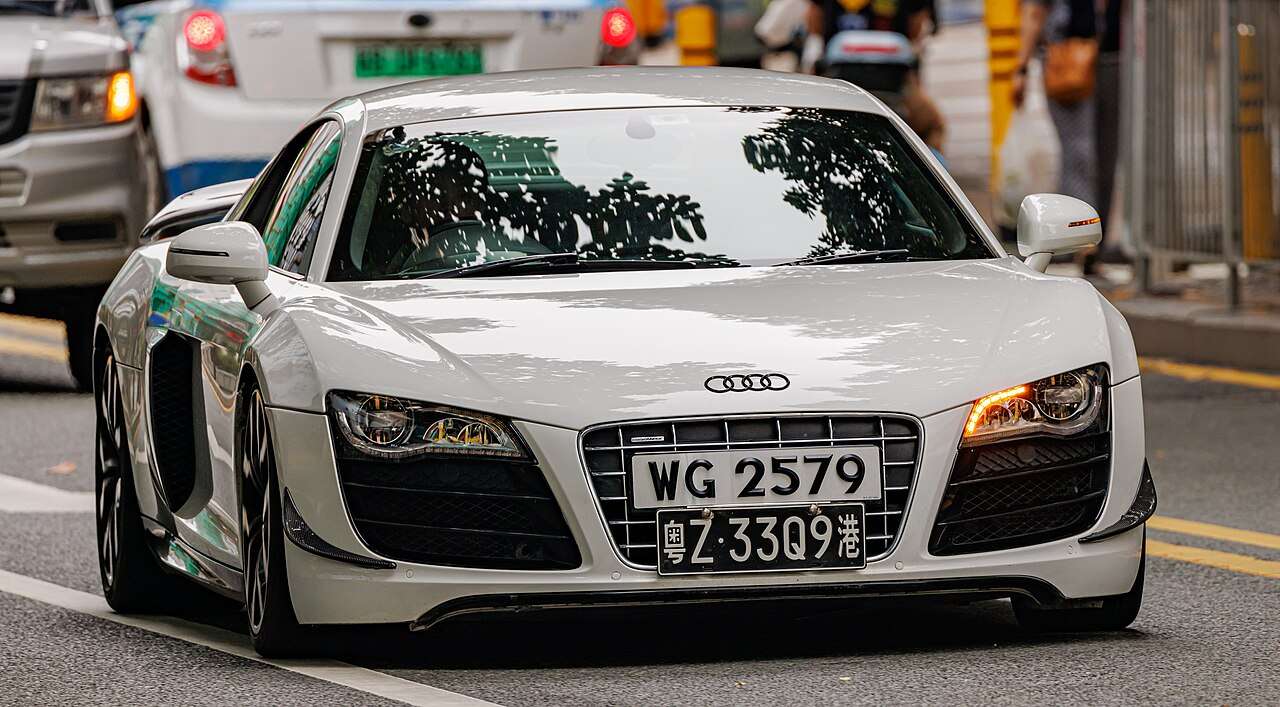
From Le Mans quattro concept to production
The road to the R8 ran through Audi’s endurance-racing success and the 2003 Le Mans quattro concept. The concept demonstrated that Audi’s aluminium and quattro expertise could support a low, mid-engined flagship rather than another front-engined performance derivative.
The production R8 made its world premiere at the 2006 Paris Motor Show and reached customers in 2007. Its aluminium Audi Space Frame and sideblade treatment gave it a technical identity of its own, even though the wider group relationship with the Lamborghini Gallardo helped make the project possible.
The original 4.2 FSI V8
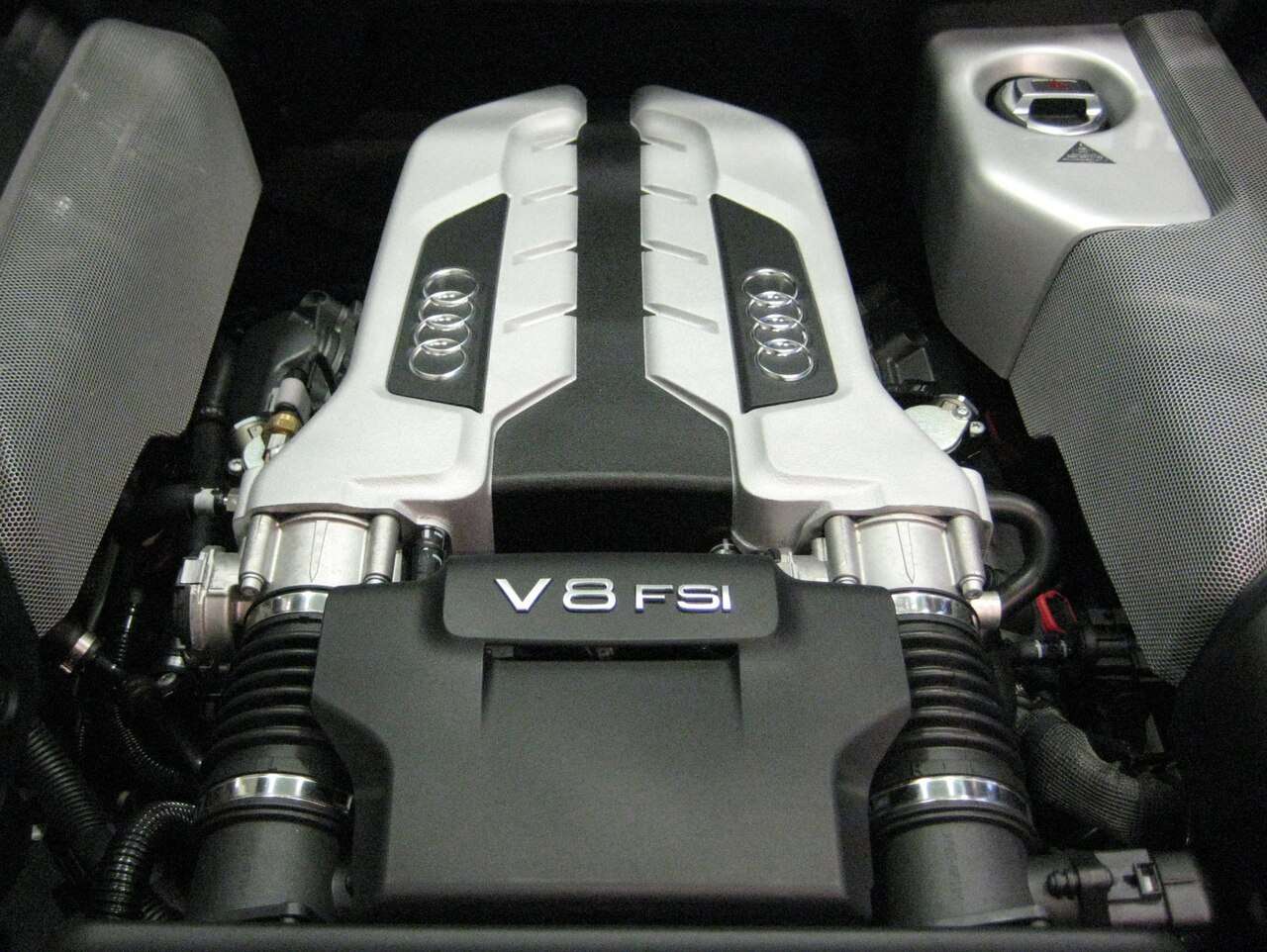
Early R8s used a dry-sump 4.2-litre FSI V8 mounted behind the cabin. Audi quoted 420PS initially, with later versions reaching 430PS. The engine was related to the unit in the B7 RS4 but adapted for its mid-engined installation.
Buyers could choose a six-speed manual with a visible metal shift gate or the R tronic automated manual. The open-gate transmission is now a defining collector feature, but the V8’s real appeal lies in its response, sound and the way its performance can be used without immediately overwhelming the road.

V10, Spyder and the R8 GT
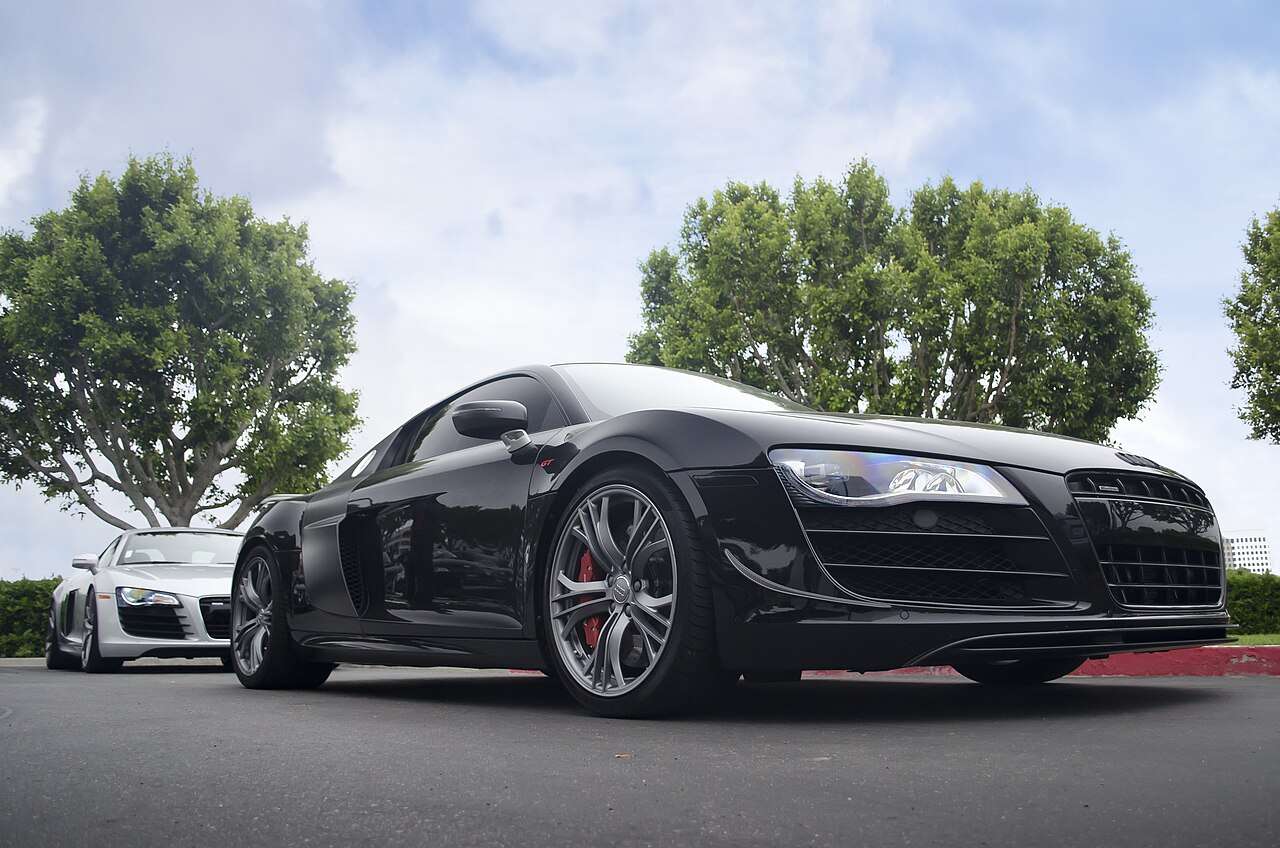
The 5.2-litre naturally aspirated V10 broadened the R8’s capability and connected it more visibly with Lamborghini. Power outputs evolved through the generation, with the most potent derivatives reaching 570PS. A Spyder joined the coupé in 2009.
The limited R8 GT reduced weight, increased power and added aerodynamic and chassis focus. It showed that the fundamentally usable R8 could be made more intense without abandoning the precision and quality that separated it from more temperamental supercars.
Love cars you don’t see every day?
Get forgotten cars, surprising motoring stories and the most interesting finds from Unusual Cars by email.
Free to join. No spam. Unsubscribe whenever you like. See our privacy policy.
Technology that moved the supercar forward
Audi magnetic ride allowed the dampers to change behaviour using fluid containing magnetic particles. The R8 also became the first production car available with full LED headlights in 2008. These were not decorative features: they positioned the car as a technology flagship.
Power was sent through quattro all-wheel drive, with a strong rear bias. The layout provided security without disguising the mid-engine balance. Later cars gained the quicker S tronic dual-clutch transmission from 2012, making the final Type 42 models markedly more polished in traffic and under hard acceleration.
Why the first R8 is already a modern classic
The first R8 succeeded because it was dramatic without being intimidating. Visibility, cabin ergonomics and build quality made it unusually approachable, yet the engine placement, dry-sump lubrication and aluminium structure were properly exotic.
Its most distinctive combinations are unlikely to return: naturally aspirated engines, a gated manual gearbox and understated early styling. The V8 manual is not the fastest R8, but it may express the original idea most clearly. The V10 and GT provide greater drama, while late S tronic cars deliver the easiest performance.
Frequently asked questions
What does Type 42 mean for the Audi R8?
Type 42 is Audi’s internal designation for the first-generation R8, sold from 2007 until it was replaced by the second-generation Type 4S.
Did the Audi R8 Mk1 have a manual gearbox?
Yes. Early V8 and V10 cars could be ordered with a six-speed gated manual. R tronic automated manual and, later, S tronic dual-clutch transmissions were also offered.
Is the Audi R8 engine the same as a Lamborghini engine?
The 5.2-litre V10 shares its wider engine family with the Lamborghini Gallardo. The 4.2 V8 was closely related to Audi’s B7 RS4 engine and adapted for the R8’s mid-engined layout.
When did the R8 get full LED headlights?
Audi states that the R8 became the first production car available with full LED headlights in 2008.
Continue the Audi story
Browse the Audi hub, then continue with the Audi RS4 B7.
Research note: launch chronology, powertrain development, LED lighting, transmissions and production context were checked against Audi MediaCenter’s official first-generation R8 retrospective.