UNUSUAL CARS MODEL GUIDE
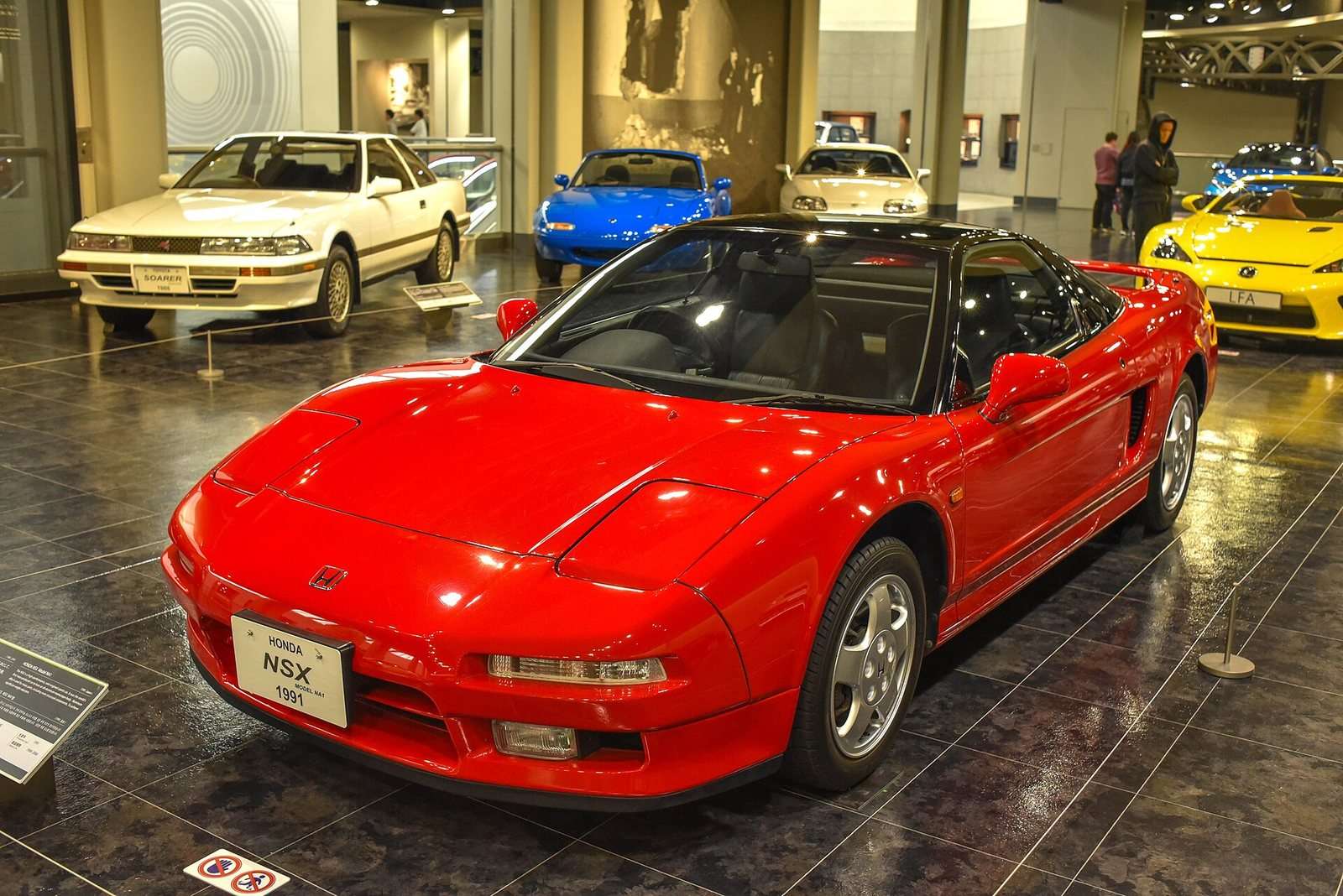
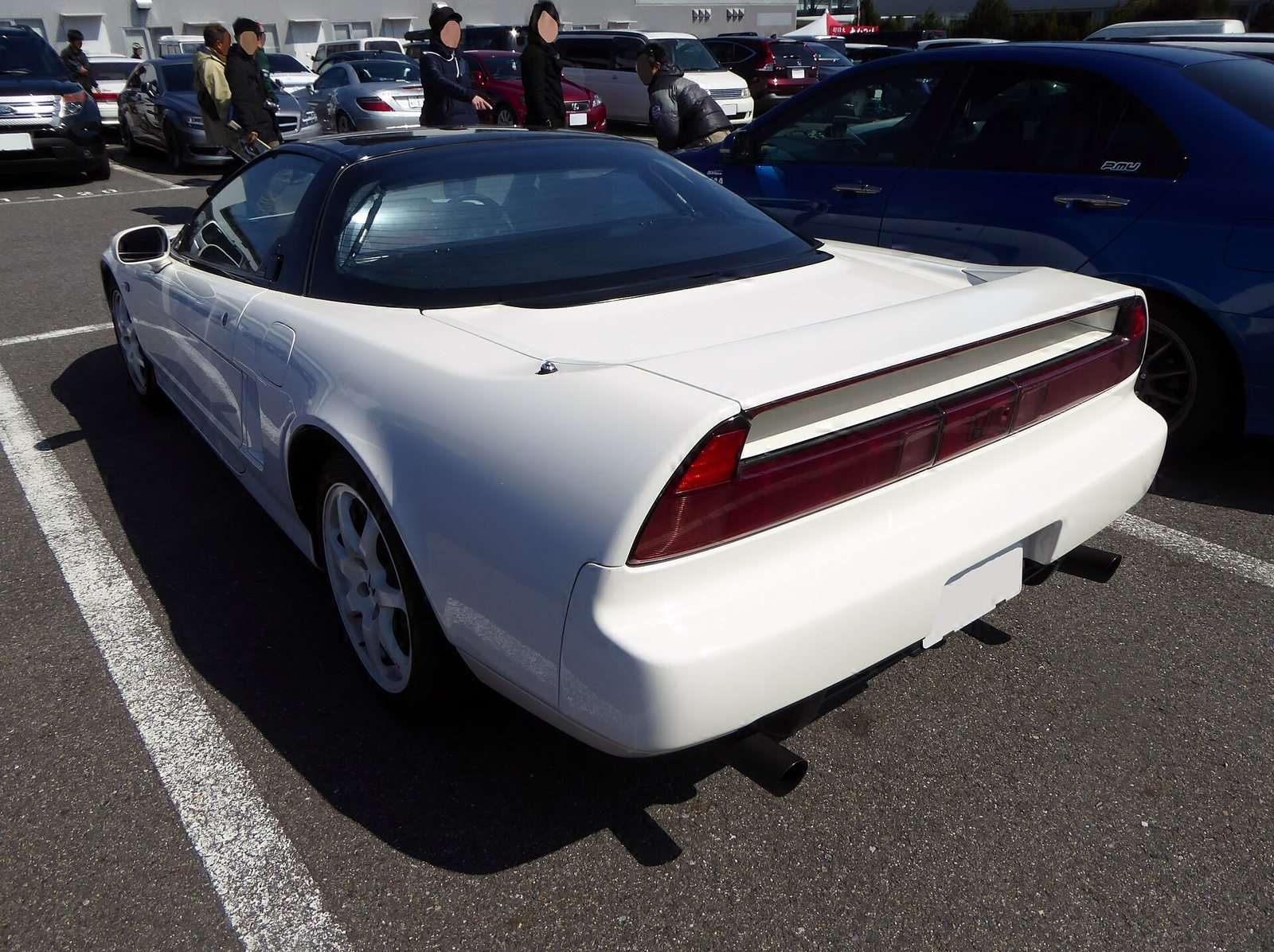
The first-generation Honda NSX combined a mid-mounted V6, aluminium monocoque and double-wishbone suspension with the visibility, comfort and reliability expected of a Honda. Produced from 1990 to 2005, it evolved from 3.0-litre NA1 form into the 3.2-litre, six-speed NA2 era without abandoning its original human-centred brief.
Quick answer: NA1 and NA2 are best understood as chassis and powertrain distinctions, not simple “early” and “facelift” labels. Condition, service history and correct aluminium repair work are more important than cosmetic generation.
Creating a usable mid-engined supercar
Honda began research into a new drive layout in 1984 and gradually developed the project into a world-class sports car. The aim was not only speed. Engineers wanted low mass, predictable responses, excellent visibility and a cabin that made high performance accessible rather than intimidating.
The prototype appeared as the NS-X at the 1989 Chicago Auto Show. Development testing at Suzuka, the Nürburgring and other circuits increased body rigidity and refined the chassis. Ayrton Senna’s well-known feedback formed one part of that much larger engineering programme.
Aluminium structure and suspension
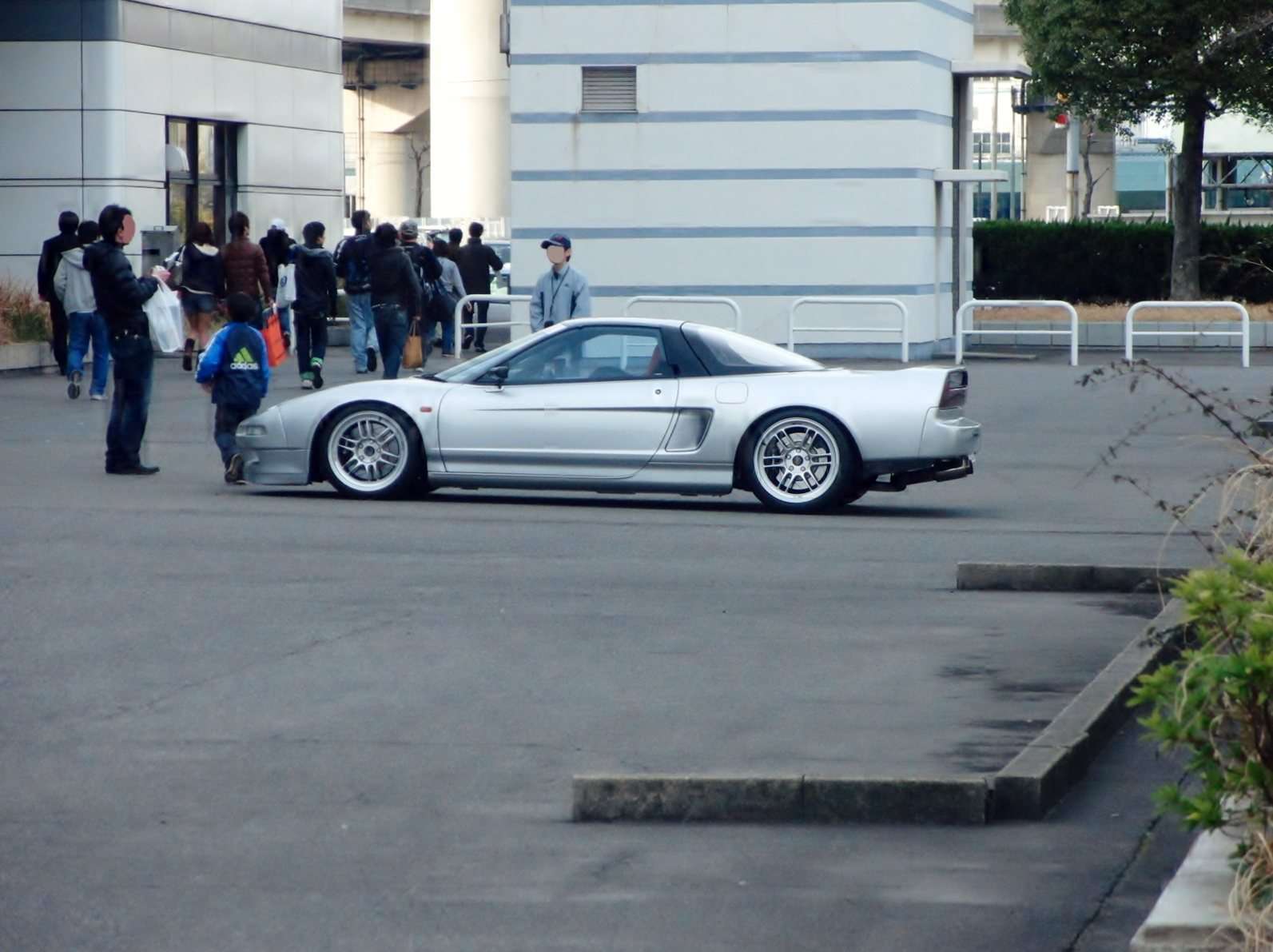
Honda created what it described as the world’s first mass-production all-aluminium monocoque body. Compared with an equivalent steel structure, the programme saved approximately 140kg in the body and nearly 200kg across the complete car. A dedicated production facility and new forming, welding and repair techniques were required.
Forged-aluminium double-wishbone suspension was used at each corner. The compact structure, low seating position and careful pedal and steering relationships helped the NSX feel approachable, while ABS and traction control brought contemporary technology into the package.

C30A V6 and the NA1
The 1990 car used Honda’s 2,977cc C30A V6 with dual overhead camshafts, VTEC variable valve timing and titanium connecting rods. Japanese-market manual cars were officially rated at 280PS, while European figures were quoted differently under local standards. A five-speed manual and four-speed automatic were offered.
NA1 covers the 3.0-litre cars, including later automatic examples after the manual model gained more capacity. This is why a registration year or headlamp style alone cannot determine the chassis designation.

1997: C32B engine, six speeds and NA2
For 1997 Honda enlarged the manual car’s engine to 3,179cc and introduced a six-speed gearbox. The C32B produced 280PS in Japan with stronger torque, while revised wheels and brakes supported the change. These manual 3.2-litre cars carry the NA2 code; automatics continued with the 3.0-litre engine.
The fixed-headlamp redesign arrived later, in 2001. That means “NA2” does not automatically mean exposed headlights, just as an early-looking car is not necessarily a 3.0-litre NA1. Verify the VIN, engine, gearbox and original market.
| Version | NA1 | NA2 |
|---|---|---|
| Engine | 3.0-litre C30A V6 | 3.2-litre C32B V6 |
| Manual gearbox | Five-speed | Six-speed |
| Production context | From 1990; later automatics remained NA1 | Manual 3.2-litre cars from 1997 |
| Body | Aluminium monocoque, coupé or NSX-T depending on market | |
Type R, Type S and NSX-T
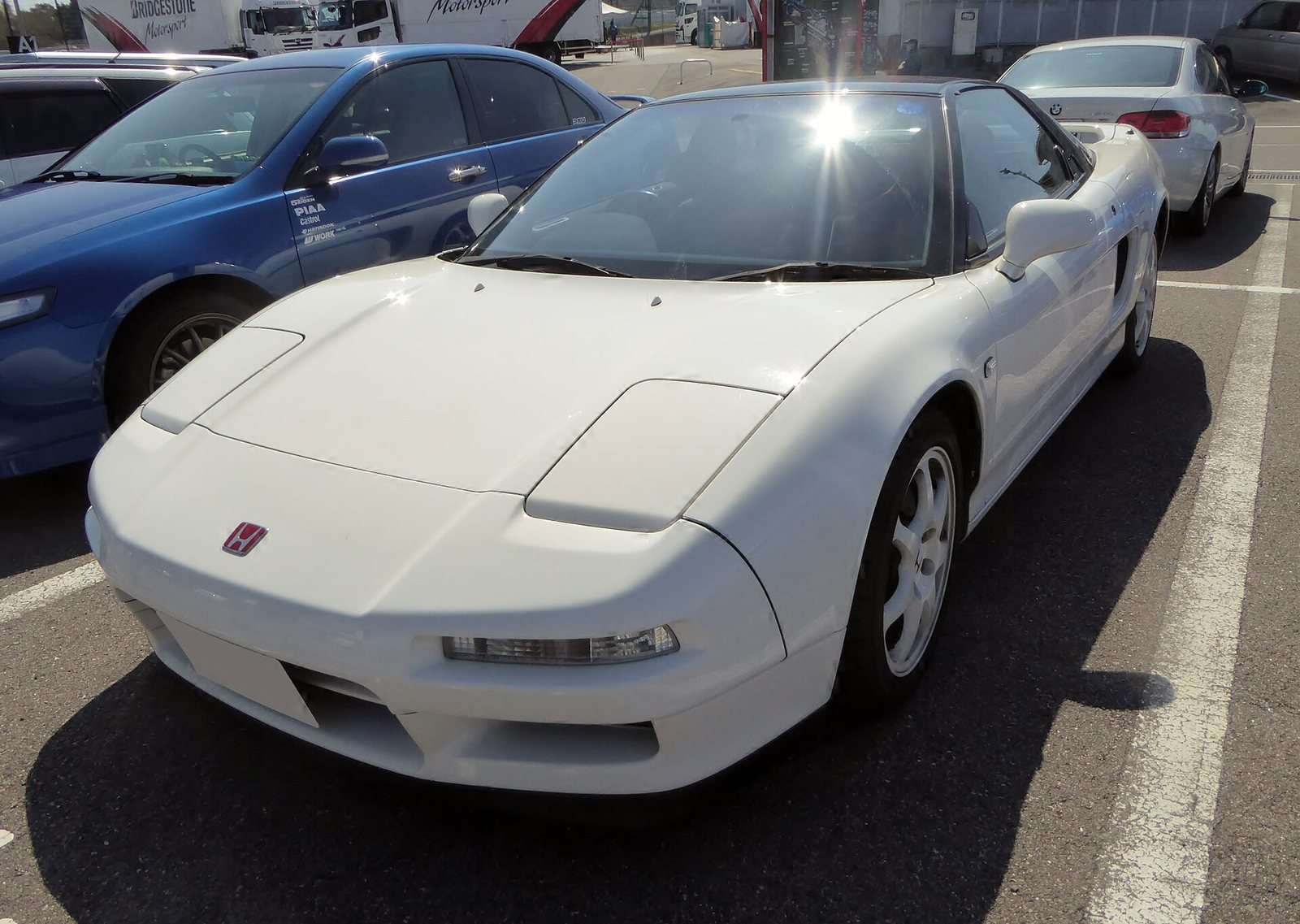
The first NSX Type R appeared in 1992 with weight reduction, firmer chassis settings and a more focused cabin. The open-roof NSX-T broadened the range from 1995, while Type S derivatives in Japan offered another carefully calibrated balance of reduced weight and road usability.
These factory variants must be authenticated. Red badges, white paint and replica wheels do not establish a Type R. Chassis details, original documentation and specialist inspection are essential because the value gap between models is substantial.
Love cars you don’t see every day?
Get forgotten cars, surprising motoring stories and the most interesting finds from Unusual Cars by email.
Free to join. No spam. Unsubscribe whenever you like. See our privacy policy.
Honda NSX NA1 and NA2 buying guide
Service history and engine maintenance
Demand evidence for scheduled servicing, cambelt and water-pump replacement, valve-clearance checks and cooling-system maintenance. Test from cold for smoke, leaks or abnormal noise, then ensure temperature and oil pressure remain stable. Long periods of storage can be as troublesome as mileage.
Manual gearbox and automatic transmission
Early manual cars require confirmation that their transmission number falls outside known snap-ring concerns or has been correctly repaired. Check every synchro and the clutch. Automatic cars need clean shifts, good fluid history and realistic expectations about performance and future parts costs.
Aluminium body and accident repair
Aluminium resists conventional rust but still corrodes and demands specialist repair. Inspect panel gaps, seams, paint thickness, underbody structures and suspension mounting points. Poor welding or steel contamination can compromise a repair. Originality should never take precedence over safe, documented work.
Suspension, brakes and steering
Check ball joints, bushes, dampers, wheel bearings, brake calipers and ABS operation. Electric power steering on equipped cars should operate consistently. Correct matching tyres are crucial to handling, and old low-mileage rubber should be replaced regardless of tread depth.
Climate control, electronics and trim
Test air conditioning, climate display, windows, seats, instruments, stereo, traction control and retractable headlamps where fitted. Some electronic modules can be rebuilt, but missing trim, lamps and model-specific interior pieces are expensive.
Why the original NSX changed expectations
The NSX demonstrated that a mid-engined performance car could be precise and exciting without being fragile or awkward. Its aluminium engineering, high-revving V6 and ergonomic clarity influenced how later manufacturers approached everyday supercars.
Research sources
- Honda Heritage: development of the NSX
- Honda: 1997 3.2-litre NSX and Type S update
- Honda: first-generation NSX production conclusion
- Honda Technology: C30A V6 engineering
Continue the Honda story
Explore the Rare & Performance Hondas hub, compare the City Turbo II or the Beat kei roadster.
Frequently asked questions
What do NA1 and NA2 mean on a Honda NSX?
They are chassis codes. NA1 identifies 3.0-litre first-generation cars, while NA2 is associated with the later 3.2-litre manual versions.
Was the first Honda NSX made from aluminium?
Yes. Honda developed the world’s first mass-produced all-aluminium monocoque body for the original NSX, along with aluminium suspension components.
Did Ayrton Senna develop the Honda NSX?
Senna tested a prototype at Suzuka and his feedback contributed to greater body rigidity, but the NSX was created by a large Honda engineering team over several years.
When did the 3.2-litre NSX arrive?
Honda introduced the 3.2-litre C32B engine and six-speed manual gearbox in 1997; automatic cars retained the 3.0-litre engine.
What should be checked before buying a first-generation NSX?
Check service history, cambelt and cooling work, gearbox operation, suspension, ABS and climate systems, aluminium body repairs, tyre condition and proof that the car is the claimed specification.