

Browse five Mazda diagnostic scanner guides covering the MX-5 NC and ND, RX-8 231, Mazda3 MPS BK and Mazda6 MPS GG. Each guide defines its vehicle scope and explains what Mazda-aware diagnostics may add beyond a generic emissions-related OBD2 scan.
Choose the guide that matches your generation, engine, gearbox and body style. Exact functions vary by vehicle build, fitted module, software, interface and tool version; a Mazda badge on a scanner is not a guarantee of every function.
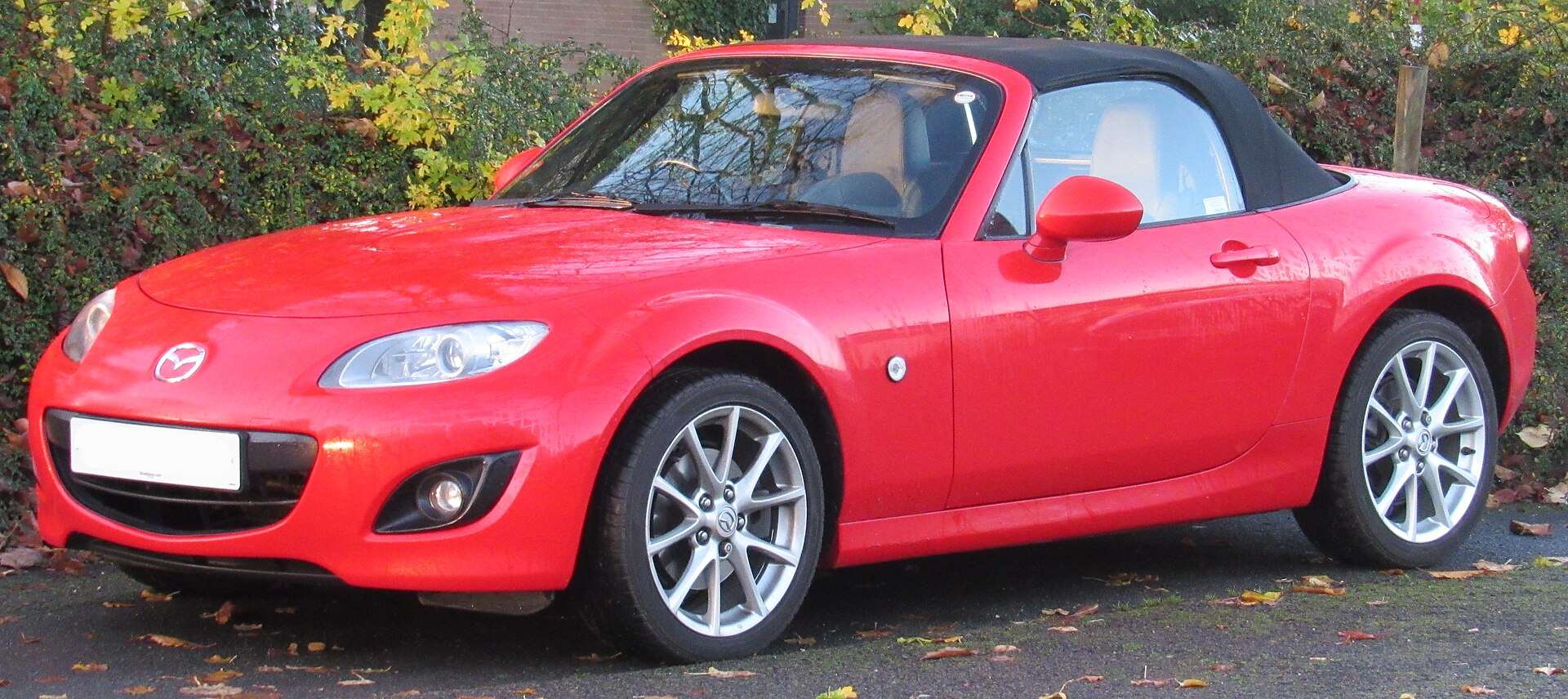
MX-5 NC 2.0
ABS warnings and the value of direct brake-controller records. UK manual soft-top scope, with a 2009 NC2 catalogue reference; excludes 1.8, automatic and powered hardtop coverage.
Read the MX-5 NC 2.0 guide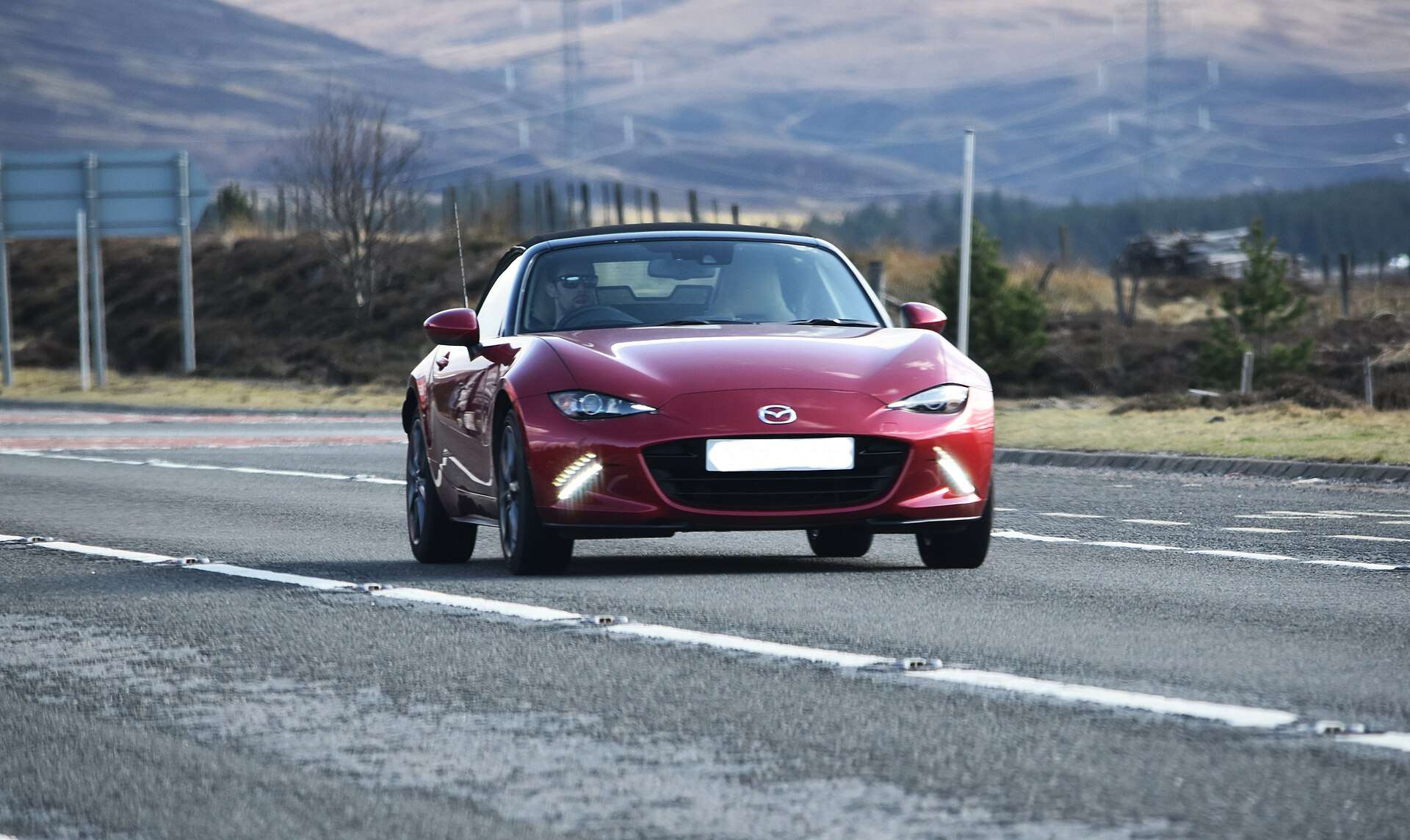
MX-5 ND 2.0
Restraint and active-bonnet warning context for early 160PS manual soft-tops (2015–2018). Exact-build confirmation remains essential; excludes RF, 1.5 and later 184PS versions.
Read the MX-5 ND 2.0 guide
RX-8 231
ABS and traction-control records for the Series I 231PS six-speed manual, using a 2006 High-Power reference. A clean scan is not a rotary compression or engine-health test.
Read the RX-8 231 guide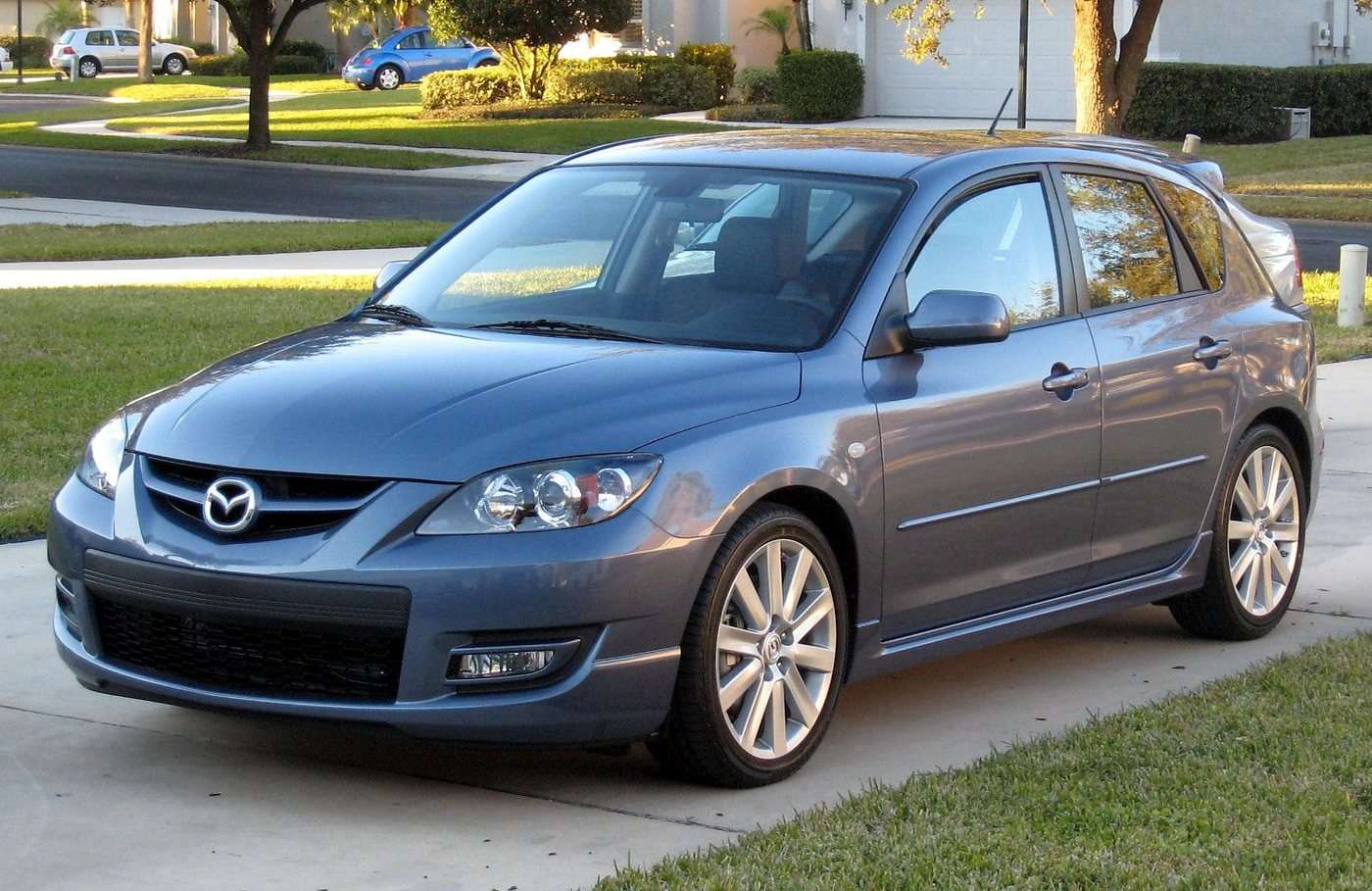
Mazda3 MPS BK 2.3 turbo
Engine evidence versus direct ABS access on the first-generation front-wheel-drive MPS, with a 2008 catalogue reference. Boost, fuelling and modification-related data need separate checks.
Read the Mazda3 MPS BK 2.3 turbo guide
Mazda6 MPS GG 2.3 turbo
Why a four-wheel-drive warning needs a separate AWD-controller check. Covers the UK turbo manual AWD saloon, with a 2006 catalogue reference; engine or ABS access alone does not establish 4X4 coverage.
Read the Mazda6 MPS GG 2.3 turbo guideChoose coverage for the warning, as well as the car
Generic OBD2 can provide supported emissions-related engine codes, freeze-frame information, readiness status and live data. ABS, restraint, body and four-wheel-drive questions require separate confirmation of the relevant controller. Confirm the exact model year and named function with the tool provider before buying; shared history with Ford does not establish identical coverage.
These guides cover fault reading and supported information. They do not promise coding, programming, calibration, active tests or security functions. A fault code records a detected condition rather than proving which part needs replacing.
Love cool cars? Join Unusual Cars Club FREE!
Get forgotten motoring finds, stories, helpful car content and more.
Free to join. No spam. Unsubscribe whenever you like. See our privacy policy.
More diagnostic scanner guides
Return to the Unusual Cars OBD and diagnostic scanner directory to browse other manufacturers.
Reviewed: 3 November 2026. Desk-researched editorial guidance. Unusual Cars has not independently tested the vehicles, scanners or functions described.
Image credits
2009 Mazda MX-5 2.0 Sport Tech soft-top. Photograph by Vauxford, CC BY-SA 4.0, via Wikimedia Commons; resized and compressed, locally hosted.
2016 Mazda MX-5 2.0 160 PS manual soft-top. Photograph by Charles (usf1fan2), CC BY 2.0, via Wikimedia Commons; resized and compressed, locally hosted.
2008 Mazda RX-8 231 PS, Series I body. Photograph by Calreyn88, CC BY-SA 4.0, via Wikimedia Commons; locally hosted and resized.
First-generation Mazdaspeed3 shown as an overseas representative of the Mazda3 MPS BK; UK equipment may differ. Photograph by Alwayzamd at English Wikipedia, public domain, via Wikimedia Commons; locally hosted and resized.
Mazda6 MPS GG 2.3 turbo saloon, photographed in Germany; UK equipment may differ. Photograph by Max schwalbe, CC BY-SA 4.0, via Wikimedia Commons; locally hosted and resized.
Mazda logo: Mazda, via Wikimedia Commons; public-domain simple-geometry logo, with trademark rights retained. PNG rendering of the SVG, resized for display; no design changes. Used to identify independent Mazda guides; no manufacturer affiliation implied.


