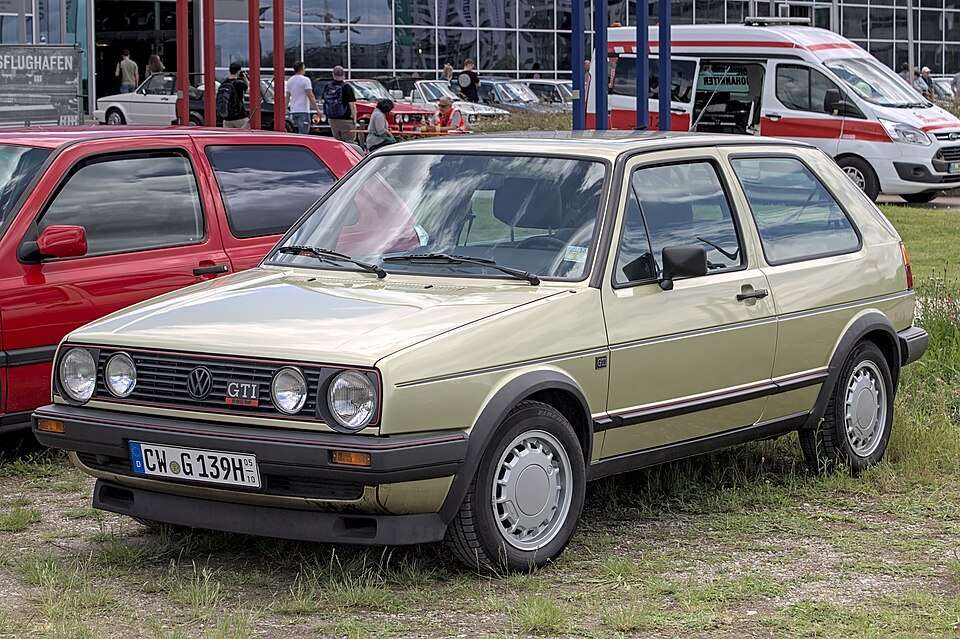
The Volkswagen Golf GTI Mk2 remains one of the most usable classic hot hatches: compact, practical and supported by an established owner community. Its strengths can also make buyers complacent. A tidy interior and a familiar badge do not rule out concealed corrosion, tired injection components or a long list of deferred work. This guide covers ordinary 1.8-litre 8v and 16v GTIs, with clear distinctions between early and later cars, current asking-price examples and a practical maintenance plan.
Our buying verdict
Choose the strongest, best-documented shell before deciding between 8v and 16v. A good 8v is a rewarding road car; a 16v makes sense for buyers who enjoy its revvier character and can find an equally sound example. Pay an originality premium only after checking the engine, trim and history, and reserve money for bodywork and mechanical catch-up.

Mk2 Golf GTI 8v versus 16v
The second-generation Golf reached the UK in 1984, offering a roomier and more mature package than the Mk1. The GTI retained the essential hot-hatch formula: a relatively light body, a responsive injected engine and everyday practicality. Three- and five-door cars both have their place; choose according to use and condition rather than assuming one body style always makes the better buy.
| Version | Mechanical distinction | What to consider |
|---|---|---|
| Early 1.8 GTI 8v | Eight-valve engine, generally around 112bhp in UK form; K-Jetronic injection | Period detail and straightforward road performance; check injection health. |
| Later 1.8 GTI 8v | Digifant electronic engine management on relevant later cars | Different diagnosis and parts from K-Jetronic; identify the engine code. |
| 1.8 GTI 16v | Twin-cam 16-valve engine; UK non-catalyst cars commonly quoted around 139bhp | More top-end performance; K-Jetronic and 16-valve-specific maintenance matter. |
| Small- and big-bumper cars | Styling and equipment evolved during production | Bumpers can be swapped, so appearance alone does not establish build year. |
| G60 and Rallye | Supercharged engine and, for Rallye, four-wheel-drive complexity | Separate specialist purchases beyond this ordinary GTI guide. |
The 8v generally suits relaxed road use and the 16v rewards using more revs. Neither description overrides the quality of the engine or chassis in the car you inspect. A tired 16v on poor tyres can be less enjoyable than a carefully maintained 8v with fresh suspension. Test both where possible before deciding which engine to seek.
Injection system, emissions equipment and power figures vary by market and year. Imported cars may not match UK specifications. Confirm engine code, installed hardware and documented changes before buying parts. An engine conversion should be assessed as a conversion, even where it uses familiar Volkswagen components.
Late big-bumper cars, certain colours and desirable interiors can command strong asking prices. Those preferences are legitimate, but a bumper conversion does not transform an earlier car into an authenticated late specification. Likewise, a GTI badge on a Driver or a different engine under the bonnet requires clear disclosure and corresponding valuation.
Power steering was not fitted to every early example. Try low-speed manoeuvres and your normal driving position before buying. Decide whether you value an original specification, a documented restoration or a carefully modified car. Each requires different evidence, and none is automatically maintenance-free.
Golf GTI Mk2 prices and asking evidence
Car & Classic adverts checked on 3 November 2026 included a 1987 GTI 16v advertised with 72,000 miles at £17,995 and an Oak Green big-bumper 16v with 85,365 miles at £24,995. A 1989 1.8 GTI with 81,675 miles was listed at £24,950. At a different end of the comparison, a 1986 car advertised as a modified 2.0-litre GTI with 166,720 miles carried an £8,000 buy-it-now price.
These are individual seller asking prices, not verified sale values or inspected condition grades. The modified 2.0-litre car is not a direct benchmark for an original 1.8. Live auction bids were excluded because they do not establish the eventual sale price. Exceptional or ambitious retail adverts should not be mistaken for a typical market value.
Compare the same engine, door count, originality and condition, then examine the history supporting the price. A higher asking figure may reflect presentation and rarity, but it does not eliminate rust risk. A cheaper restored car may represent good value if the work is documented; a fresh respray without repair photographs leaves important questions unanswered.
Price the missing work before making an offer. Body repairs, correct trim, injection diagnosis, tyres and suspension can together erase the apparent saving on an inexpensive car. Ask for current underside photographs and a detailed list of faults before travelling, then use an independent inspection where the value or uncertainty warrants it.

Rust and restoration quality
Inspect sills, jacking points, floor-to-sill seams, door bottoms, arches and rear valance. Check around the fuel filler, tailgate, windscreen surround and sunroof aperture. Plastic arch trims and liners can conceal corrosion, so agree appropriate inspection access rather than assuming that clean visible paint proves the hidden metal is sound.
Examine the front subframe, inner wings, bulkhead and suspension mounting areas on a lift. Trapped dirt and moisture can attack areas that are difficult to assess during a quick roadside viewing. Fresh underseal is not evidence of a repair unless the owner can show the preparation, metalwork and corrosion protection beneath it.
Look carefully for filler, uneven seams, poor paint matching and missing fasteners. A restoration invoice should identify which panels and structural layers were repaired. Ask for photographs before finishing, particularly around the sills and bulkhead. Correctly finished outer panels matter, but the shell underneath is the expensive part.
Check carpets and footwells for damp. Door membranes and seals can leak, but moisture high in the footwell may also point towards windscreen/bulkhead issues. Establish the source before accepting a cheap-seal explanation. A dried carpet does not establish that hidden corrosion or damaged trim has been addressed.
Inspect accident alignment through panel gaps, chassis areas and tyre position in the arches. A lowered car can disguise an uneven stance or introduce clearance problems of its own. Where repairs or geometry look suspicious, seek a specialist’s assessment rather than relying on how well the doors close.
Identity and originality
Match the VIN, registration, engine code and service chronology. Check a claimed original engine, rare interior or special specification against records and knowledgeable club advice. Many surviving Mk2s have had useful repairs or upgrades, so the aim is accurate description rather than rejecting every changed component.
For an engine conversion, establish the engine identity, wiring, fuel system, cooling, brakes, exhaust and insurance declarations. A good conversion can be enjoyable, but parts support now follows the installed combination rather than the original registration alone. Do not pay the premium of an original collector car for a specification that cannot be authenticated.
GTI engine problems and injection systems
Cold and hot running
Start from cold and observe idle, exhaust smoke and warning lights. Persistent blue smoke, repeated misfires or poor hot starting need diagnosis. Valve-stem seals, guides, rings, ignition and fuelling can produce different symptoms, so avoid deciding on a cylinder-head repair from one brief observation.
Ask about oil use and regular servicing, then inspect for leaks and coolant staining. Drive the car until properly warm, checking clean response and stable temperature. An engine that has been warmed before your arrival loses an important part of the inspection. Arrange another cold start if the seller cannot demonstrate one.
Check cam-belt replacement evidence, including date, mileage and tensioner scope. Eight- and sixteen-valve kits differ. Where evidence is missing, budget for the correct service before normal use, using the appropriate workshop schedule rather than a generic interval copied from another engine. A new belt receipt should identify the car and parts.
K-Jetronic and Digifant
Early 8v and relevant 16v cars use mechanical K-Jetronic injection, while later 8v cars use Digifant. These systems need different diagnostic approaches. Poor starting, hesitation or an unstable idle may involve air leaks, ignition, fuel delivery or control components. Establish the system before accepting a parts-shopping list.
A K-Jetronic car with an unexplained running fault should be assessed by someone familiar with its pressures, metering and warm-running behaviour. Replacing a random component or turning adjustment screws can make later diagnosis harder. Ask what measurements supported previous repairs and whether the fault was resolved in both cold and hot conditions.
On Digifant cars, check intake integrity, electrical connections and evidence of sensible engine-management diagnosis. Sensor faults are possible, but an erratic idle is not proof that one particular sensor is at fault. A specialist’s written diagnosis can be more valuable than a boot full of recently replaced components.
GTIs are fuel injected. Carburettor advice for ordinary Mk2 models should not be transferred to a standard GTI. If a seller describes a carb conversion, treat it as a non-standard installation and establish why it was done, what parts were used and whether the car remains suitable for its intended use.
Cooling and age-related hoses
Inspect radiator, hoses, expansion tank, coolant fittings and fan operation. Ask about water-pump work and previous overheating. Coolant loss, contamination or temperature rise in traffic needs proper investigation. A recent radiator replacement does not establish that every hose, fitting and control component is healthy.
Check heater output and any coolant smell or damp associated with the cabin. Ageing heater components can introduce work that is disproportionate to the apparent price of the part. Obtain an access and labour estimate rather than assuming every cooling leak is a quick under-bonnet job.
Gearbox, clutch and running gear
Test the five-speed gearbox cold and hot, especially second-gear selection. Worn linkage bushes can create a vague shift, but they do not explain every crunch or selection problem. Check clutch bite, slip and noises. If a seller claims a gearbox rebuild, read the invoice for what was actually replaced.
The 020-family transmission has recognised differential-related failure concerns as well as wear-related issues. Do not assume a quiet short drive certifies every internal component. Ask about previous work, oil leaks and any unusual noises under acceleration and overrun. Obtain a specialist estimate for unresolved symptoms.
Inspect suspension bushes, ball joints, dampers, springs, wheel bearings and CV boots. Clicking on turns, wandering or uneven tyre wear deserves attention. Cheap coilovers and extreme lowering can reduce comfort, travel and clearance; a modified stance should come with evidence of suitable parts and alignment.
Check brake discs, pads, hoses, lines and caliper operation. Rear brakes and parking-brake performance deserve a proper inspection, particularly after storage. Confirm the fitted brake specification before ordering replacements, since swaps are common. Suitable tyres and correct wheel fitment matter more to the driving experience than an expensive set of cosmetic accessories.

Interior and electrical checks
Inspect the correct seat fabric, bolsters, door cards, dashboard, steering wheel and headlining. Original trim can be difficult or costly to source, so missing pieces should be priced before purchase. Speaker holes, sun damage and mismatched repairs can turn an apparently small cosmetic job into a lengthy search.
Test windows, central locking where fitted, mirrors, heater fan speeds, wipers, washers, lights and instruments. Check the MFA functions where present and observe warning lamps during the start-up sequence. Aftermarket alarms and audio installations should have tidy wiring and proper protection, not a tangle of unexplained joins.
Check sunroof movement and sealing without forcing it. Inspect the luggage area and spare-wheel well for moisture and repairs. Try every lock with the supplied keys and record which original components accompany the car. A missing parcel shelf or correct wheel centre caps may seem minor until you attempt to replace them.
Maintenance costs and useful GTI parts
Affiliate disclosure: eBay parts links below are affiliate links using our campaign. We may earn a commission if you buy, at no extra cost to you. Links open search results rather than a verified individual product. Check engine, year, part number, seller, condition and returns; search results can contain incompatible items.
Set up a dated maintenance record covering oil and filters, ignition, timing belt, cooling, brake fluid and chassis inspection. Confirm the correct intervals and fluids for the engine code and usage. A recent oil service does not replace overdue belt work or prove that fuel hoses and brakes are safe after storage.
An eBay search checked on 3 November 2026 displayed a timing-belt kit advertised for Mk2 GTI 16v models at £48.71 before an optional coupon. That is a parts-only seller listing, not a fitted service quotation or confirmation that it suits your engine. Compare Mk2 GTI 16v timing-belt kits and ask the workshop about tensioner, seals, related inspection and labour. Avoid comparing an 8v kit with a 16v job as though the contents were identical.
| Item | Useful parts search | Compatibility checks |
|---|---|---|
| 8v timing drive | GTI 8v timing-belt kits | Engine code, tensioner and exact kit contents. |
| Alternator | Mk2 GTI alternators | Output, pulley, mounting, connections and exchange terms. |
| Routine service | GTI service kits | 8v/16v and injection-system differences. |
| Ignition | GTI ignition components | Correct engine and diagnosis before replacement. |
| Cooling | GTI radiators and water pumps | Engine, fittings, fan arrangement and complete labour scope. |
| Injection plumbing | GTI vacuum and breather hoses | K-Jetronic versus Digifant fitment; inspect fuel-rated hose separately. |
| Gear linkage | GTI linkage bush kits | Vague linkage versus internal gearbox diagnosis. |
| Brakes | GTI rear calipers | Actual fitted hardware, side and exchange surcharge. |
Hidden ownership costs
Set a first-year budget before making an offer. Add the purchase price, fees and collection, independent inspection, immediate servicing, diagnosed repairs, insurance, storage and a reserve for unresolved work. Use quotations for the car in front of you; a percentage of the purchase price is a poor substitute for knowing what needs doing.
- Bodywork beneath trims. Rust inspection and repair photography matter more than a new set of arch plastics. Include paint and protection in estimates.
- Injection expertise. Specialist diagnosis may be cheaper than repeatedly replacing parts on an unresolved running fault.
- Original trim. Fabric, door cards, steering wheels and small details can be costly to restore correctly.
- Undoing modifications. Standard suspension, compliant exhaust, correct wheels and wiring repairs may be needed to achieve the car you actually want.
- Parts are only part of the bill. Access, diagnosis, fluids, alignment, seized fasteners and VAT can change the total. Ask the workshop what its quotation includes and how additional work will be agreed.
- Exchange units and delivery. Alternators, starters and other rebuilt components can require a returnable old unit. Compare the surcharge, return postage, deadline and warranty before choosing a supplier.
- Insurance and downtime. Obtain a quote for the actual specification and declared modifications. Allow for recovery and alternative transport if this will be your only car.

Viewing and test-drive checklist
Before travelling
- Confirm registration, exact version, seller identity and ownership history. Ask about accidents, insurance write-offs, engine changes and modifications.
- Read the MOT chronology and request invoices, not just a stamped service book. Agree a cold start, inspection access and a properly insured test drive.
- Get a written list of included keys, original parts and any outstanding faults. For a distant car, request current underside and engine-bay photographs.
At the car
- □ Confirm GTI identity, engine code, 8v/16v and injection system.
- □ Inspect sills, bulkhead, filler area, subframe and metal hidden by trims.
- □ Read restoration photographs and dated cam-belt invoices.
- □ Test cold starting, hot starting, idle, temperature and progressive acceleration.
- □ Check second-gear selection, linkage, clutch and differential noises.
- □ Inspect lowering quality, tyre wear, brakes and alignment evidence.
- □ Check correct trim, electrics, roof operation and damp beneath accessible carpets.
- □ Compare identification with documents, check panel alignment and inspect accessible structure on a lift. Never go beneath a car supported only by a jack.
- □ Try lights, wipers, washers, heater, locks and warning lamps. Inspect tyres for age and damage as well as tread.
- □ Drive from cold to fully warm, using gears and brakes progressively. Note smoke, overheating, vibration, warning lights or hesitant acceleration; stop if a serious fault develops.
- □ Recheck hot starting and visible leaks afterwards. Record unresolved faults and obtain specialist estimates before paying a deposit.
Proceed when identity, structure and maintenance evidence fit the description. Investigate when a fault has a plausible cause but no diagnosis. Walk away when crucial inspection is refused, identity remains uncertain or the budget depends on a serious fault being cheap. Put any inspection condition and deposit terms in writing.
Buying questions answered
Is the Mk2 GTI 8v or 16v the better buy?
The 8v suits relaxed road use, while the 16v rewards revs and offers more performance. Buy the stronger shell and maintenance record before choosing on engine alone.
Are big-bumper GTIs always worth more?
Some buyers prefer them, but converted bumpers do not authenticate a late specification. Condition, originality and evidence must support the asking premium.
Does every Mk2 GTI use the same injection?
No. Relevant early 8v and 16v cars use K-Jetronic, while later 8v cars use Digifant. Confirm engine code and actual installation before diagnosing or buying parts.
Can a rusty-looking arch be a cheap cosmetic repair?
Possibly, but trims can conceal more extensive inner corrosion. Inspect the underlying structure and obtain a repair scope before assuming that paint and a plastic trim will resolve it.
Is a modified Golf GTI worth considering?
Yes, when the conversion or upgrades are documented, safe and appropriate for your use. Value the actual specification and include insurance, compliance and any return-to-standard costs.
Sources and research method
Independently written desk research by Unusual Cars UK, checked on 3 November 2026. We have not road-tested or inspected the illustrated cars or independently authenticated sellers’ claims. Buying recommendations and inspection priorities are our editorial assessment. Historical guides inform technical context; their old price bands are not current valuations. Confirm service requirements against the actual vehicle and suitable workshop information.
- VW Golf Mk2 Owners Club: buyers guide — Primary owner-community technical context; clearly dated historical price figures excluded.
- Classics World: Mk2 Golf guide — Body, drivetrain and trim cross-check; non-GTI carburettor advice not applied to standard GTIs.
- Car & Classic: Mk2 GTI adverts — Dated asking examples; auction bids and Mk1 results excluded.
- GOV.UK used-car checks and MOT history — document and test-history checks.
Images are illustrative surviving vehicles, not the advertised cars discussed in the market section. Individual credits and licence links accompany each photograph. No endorsement by a photographer, club, supplier or seller is implied. Prices and availability can change.