The pop-up-headlamp MX-5 makes a compelling first sports classic: compact dimensions, straightforward controls and plentiful specialist support. The challenge is finding sound metal beneath a car that still looks cheerful in photographs. This guide covers the first-generation NA, including UK 1.6 and 1.8 cars, Japanese Eunos Roadsters and imports badged Miata.
Our buying verdict
Buy structural condition first, then the engine and equipment you prefer. An early full-power 1.6 or a sound 1.8 is our road-use starting point. A later lower-powered UK 1.6 can still be enjoyable at the right price. Never assume a Japanese import is rust-free, a special edition has an LSD, or an attractive sill repair restored the hidden structure.

Mk1 engines, UK cars and Eunos imports
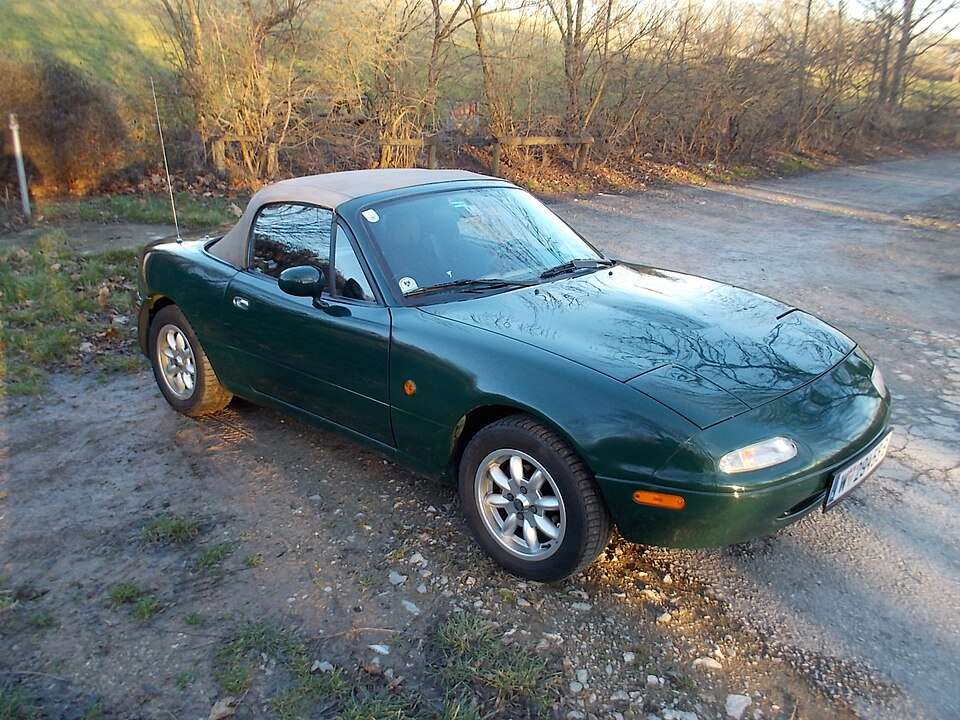
The NA launched in 1989, with UK sales beginning in 1990. It uses a front-mounted twin-cam four-cylinder and rear-wheel drive. Most cars have a five-speed manual; automatics and market-specific equipment also exist. Do not confuse the NA with the later fixed-headlamp NB or apply an NB parts list without checking.
| Version | Buying implications |
|---|---|
| Early 1.6 | Lively original engine, commonly quoted around 115PS. Early crank-pulley specification deserves a specific check. |
| Later UK 1.6 | Lower-powered version, commonly described as 90PS. Registration year and badges alone do not settle output. |
| 1.8 | More torque, with associated chassis/drivetrain development. Confirm fitted brakes and differential rather than assuming interchangeability. |
| Eunos Roadster / Miata | Japanese and North American market identities. Equipment, mileage records, lighting and import documentation need checking. |
| Special editions / BBR conversions | Authenticate with build information and invoices. Wheels, leather or a badge alone do not establish rarity or a period turbo conversion. |
A limited-slip differential is not universal. Ask which unit is fitted and how it was identified. An advert saying “LSD” can mean a factory viscous unit, a later Torsen conversion, an aftermarket unit or an assumption. Match oil requirements and replacement parts to the actual installation.
Power steering, air conditioning, airbags, ABS and electric windows vary. Decide which matter to you, then check physical operation. A lighter specification can appeal for weekend use, but missing or disabled safety equipment should not be passed off as a desirable lightweight option.
For an import, establish when it entered Britain and reconcile kilometres with miles. A speedometer conversion should have dated documentation. An older import may have spent decades on salted UK roads, so its original country is not a substitute for an underside inspection.
MX-5 Mk1 prices and asking-price evidence
Checked 3 November 2026: Car & Classic displayed a 1992 1.6 showing 192,000 kilometres at £3,800, a 1995 1.8 showing 86,000 miles at £8,500 and a dealer-advertised 1990 1.6 showing 94,798 miles at £9,995. A 1996 car at £2,995 showed 186,750 miles. These are advertised figures and seller descriptions, not inspected condition grades or completed-sale values.
The spread is a reason to inspect, not an invitation to declare every cheap example a bargain. Rust restoration, replacement roofs, recommissioning and tyres can exceed the gap between two asking prices. Keep original low-mileage cars, repaired drivers, turbo conversions and projects in separate comparison groups.
Request invoices and photographs of major repairs before travelling. Ask whether a quoted restoration cost included inner sills, arches, paint, cavity protection and drainage work. A bill for a large amount does not automatically add the same amount to resale value, but a documented scope helps you assess what remains.
Compare current advertisements with publicly disclosed sold results where available, recording fees and dates. A “sold” label with an old asking price is not proof of the achieved amount. For a distant car, an independent inspection can cost less than transporting home an unsuitable project.
Sills, rear arches and structural rust
Examine rear sill ends and wheelarch joins from outside, inside accessible cavities and underneath. Corrosion can develop within layered sections before the external bubble appears. An outer patch can make a car look presentable while leaving weakened metal behind it.
Ask a repairer to explain the original extent of corrosion, what was removed and how inner and outer sections were rebuilt. Useful photographs show the shell opened up and sound metal reached. Thick underseal and a finished respray cannot answer those questions on their own.
Inspect jacking points, floor seams, seat-mounting areas and longitudinal underside members. Some damage is caused by incorrect jacking or grounding rather than corrosion; both deserve assessment. Check subframes, suspension mountings and brake/fuel lines on a lift. Never crawl under a car supported only by its emergency jack.
Check the boot floor, battery area, rear panel and accessible carpets for water or accident repairs. Examine panel gaps, inner wings, chassis alignment clues and overspray. A correctly repaired car can be a good purchase, but shell distortion or uncertain identity should not be priced as a cosmetic problem.
Check hood drains and sill drainage provisions with specialist guidance. Keeping outlets clear helps manage water; it cannot repair rust already present. Ask about storage, wet carpets and recurring damp smells. A new hood will not cure every leak if the rain rail, seals or drainage remain faulty.

Engine, timing belt and early crank checks
Early 1.6 crank-pulley concerns
Early engines can have the short-nose crank arrangement. Have a knowledgeable specialist identify the fitted engine and pulley, inspect for wobble and assess previous work. Engines and pulleys can have been replaced; production year alone is not a reliable diagnosis.
Do not assume every early engine is damaged, or that a longer-nose engine cannot suffer an incorrectly assembled pulley. Ask for records of timing-belt or crank-pulley work and investigate movement, inconsistent timing or unexplained loss of performance before purchase. A worn keyway needs a properly assessed repair, not reassurance based on an internet shortcut.
Cold start, oil leaks and cooling
Arrange a true cold start and assess hot starting after a normal drive. Listen for persistent mechanical noise, watch smoke and check oil level using the correct procedure. Brief hydraulic-lifter noise and a sustained rattle are different findings; neither should be diagnosed from a seller’s description alone.
Inspect around the cam cover and rear of the engine. A cam-angle-sensor seal is a known potential leak point, but oil can travel from elsewhere. Have the source traced before pricing every leak as a cheap O-ring. Recheck accessible areas after the drive, avoiding hot and moving components.
Look at radiator condition, plastic end tanks, hoses, coolant and fan operation. Never remove a hot pressure cap. An aged radiator, leakage or poor circulation can lead to overheating. A car that loses coolant or changes temperature unexpectedly needs diagnosis before you continue driving.
Check service invoices for the timing belt, tensioner and water-pump scope. Age matters as well as mileage. Published references use different preventive time limits; establish the correct engine schedule and agree a suitable plan with a specialist. If proof is missing, budget for a baseline belt service rather than accepting a visual glance at the belt.
Standard engines are commonly described as non-interference, but that is no reason to run an overdue belt. Breakdown, recovery, seized related components and modifications still affect the consequences. Converted or internally modified engines need their own assessment.
Gearbox, clutch and differential
Test ordinary gear changes from cold and warm. The lever should work precisely without being forced. Crunching, jumping out of gear or persistent bearing noise needs investigation. A sloppy lever can involve bushes and gaiters, but that should not be assumed to explain an internal gearbox fault.
Check clutch take-up, slip under sensible load and hydraulic leaks around the master/slave system. Inspect transmission and differential leaks, mounts and driveshaft boots. A whine on overrun may come from several components; obtain diagnosis before valuing it as a simple oil change.
Ask about gearbox and differential fluid changes, and identify any replacement ratios or limited-slip unit. For a turbo conversion, establish the engine build, management, fuel system, cooling and clutch specification. A dyno chart alone does not establish durability or emissions compliance.
Suspension, steering and brakes
Inspect wishbone bushes, ball joints, springs, dampers, steering joints and wheel bearings. Seized alignment bolts can turn a modest geometry adjustment into a larger job. Ask for a recent alignment report and compare it with tyre wear and the fitted ride height.
Rear calipers can stick, particularly after storage. Check disc condition, caliper operation, hoses, pipes and handbrake function; the adjustment requires the correct procedure. Brake parts and dimensions vary across versions and conversions, so confirm what is fitted before ordering.
Lowering springs, coilovers, wider wheels and chassis bracing are common. Assess installation, clearances and suitability for road use. A very stiff car on old tyres may deliver less enjoyment than a healthy standard setup. Do not explore an unfamiliar car’s handling limits on a public-road test.

Soft roof, hardtop, pop-up lights and cabin
Raise and lower the soft roof carefully and inspect fabric, seams, frame, catches and rear screen. A cloudy or cracked plastic window may be only part of the job if the fabric or frame is tired. Get a trimmer’s assessment before valuing a replacement window as a complete repair.
Inspect the rain rail and signs of leakage around the rear shelf, seats, footwells and boot. A hardtop can conceal a neglected soft roof; ask to remove it and inspect both with appropriate help. Check all hardtop catches, seals and heated-screen connections where fitted, and allow for storage when it is off the car.
Operate the pop-up headlights repeatedly with the normal controls, checking both lift and illumination. Inspect wiring and any aftermarket conversion. Try windows, mirrors, locks, heater directions, blower speeds and air conditioning if fitted. Slow windows can strain mechanisms and should be diagnosed before they stop completely.
Check seat bolsters, runners, belts and driving position. Steering-wheel or seat changes should have secure, suitable mountings and compatible restraints. A cosmetic style bar is not evidence of rollover protection. Track use requires appropriate equipment and competent installation, not merely a tubular accessory behind the seats.

Mk1 maintenance costs and useful parts
Affiliate disclosure: eBay parts links below are affiliate links using our campaign. We may earn a commission if you buy, at no extra cost to you. Links open search results rather than a verified individual product. Check engine, year, part number, seller, condition and returns; search results can contain incompatible items.
Parts-price snapshot checked 3 November 2026: an eBay listing from mazda_mx5parts advertised a five-piece 1.8 timing-belt, pump and gasket package at £69.95. This is a parts-only example, not a fitted quotation or verification that its contents suit your engine. Compare Mk1 1.8 belt and pump kits and confirm brand, tensioners, seals and workshop requirements.
| Job | What to confirm | Search |
|---|---|---|
| 1.6 belt service | Engine identity, pump, tensioner and pulley condition. | NA 1.6 timing kits |
| Alternator | Engine, mounting, output, pulley and connector; test battery/earths first. | NA alternators |
| Cooling | Diagnose leaks and match radiator/hoses to the actual installation. | Mk1 cooling parts |
| Ignition/service | Correct plugs, leads, oil and filter application. | Mk1 service parts |
| Rear calipers | Correct version and proper handbrake adjustment; exchange terms. | Mk1 rear calipers |
| Clutch hydraulics | Diagnose master/slave faults and confirm kit fitment. | Mk1 clutch hydraulics |
| Roof drainage | Rain rail, seals, fabric and frame assessed together. | Mk1 roof parts |
| Cam-angle-sensor seal | Identify leak source before ordering an O-ring. | Mk1 sensor seals |
Start with a written condition report covering structure, belt age, cooling, brakes, tyres, leaks and charging. Agree servicing for the actual use, including long storage or circuit driving. Keep invoices with dates, mileage, fluid specifications and part numbers; they are much more useful than a stack of unidentifiable online receipts.
Ask whether a workshop will fit owner-supplied parts and what happens if they are wrong or defective. Compare the complete price, including fluids, fitting, alignment, delivery and exchange surcharges. Cosmetic upgrades should follow the work that makes the car sound and dependable.
Hidden ownership costs
Set a first-year budget before making an offer. Add the purchase price, fees and collection, independent inspection, immediate servicing, diagnosed repairs, insurance, storage and a reserve for unresolved work. Use quotations for the car in front of you; a percentage of the purchase price is a poor substitute for knowing what needs doing.
- Inner-sill restoration: opening up the structure, repairing layers, paint and cavity protection are different from a cheap outer patch.
- Roof installation: include rain rail, seals, frame condition and a leak check, rather than budgeting only for fabric.
- Geometry: seized eccentric bolts and worn bushes can expand an alignment job.
- Import history: speedometer conversions, kilometre records and market-specific components need identification before parts purchasing.
- Parts are only part of the bill. Access, diagnosis, fluids, alignment, seized fasteners and VAT can change the total. Ask the workshop what its quotation includes and how additional work will be agreed.
- Exchange units and delivery. Alternators, starters and other rebuilt components can require a returnable old unit. Compare the surcharge, return postage, deadline and warranty before choosing a supplier.
- Insurance and downtime. Obtain a quote for the actual specification and declared modifications. Allow for recovery and alternative transport if this will be your only car.
Viewing and test-drive checklist
Before travelling
- Confirm registration, exact version, seller identity and ownership history. Ask about accidents, insurance write-offs, engine changes and modifications.
- Read the MOT chronology and request invoices, not just a stamped service book. Agree a cold start, inspection access and a properly insured test drive.
- Get a written list of included keys, original parts and any outstanding faults. For a distant car, request current underside and engine-bay photographs.
At the car
- □ Identify actual 1.6/1.8 engine, power specification, import history and fitted differential.
- □ Inspect inner/outer sills, rear arches, floor, underside members and accident repairs on a lift.
- □ Check cold start, early crank pulley, leaks, coolant stability and belt invoices.
- □ Test clutch, gearbox, brakes and suspension; review alignment and tyre age.
- □ Cycle roof and headlights, inspect dampness, and inventory hardtop fittings and original parts.
- □ Compare identification with documents, check panel alignment and inspect accessible structure on a lift. Never go beneath a car supported only by a jack.
- □ Try lights, wipers, washers, heater, locks and warning lamps. Inspect tyres for age and damage as well as tread.
- □ Drive from cold to fully warm, using gears and brakes progressively. Note smoke, overheating, vibration, warning lights or hesitant acceleration; stop if a serious fault develops.
- □ Recheck hot starting and visible leaks afterwards. Record unresolved faults and obtain specialist estimates before paying a deposit.
Proceed when identity, structure and maintenance evidence fit the description. Investigate when a fault has a plausible cause but no diagnosis. Walk away when crucial inspection is refused, identity remains uncertain or the budget depends on a serious fault being cheap. Put any inspection condition and deposit terms in writing.
Buying questions answered
Is a Eunos Roadster worse than a UK MX-5?
No. Equipment and history differ, but inspect the actual structure and mechanical condition. An old import’s origin does not guarantee freedom from UK corrosion.
Are all Mk1 1.6s the same power?
No. Later UK 1.6s were lower powered than the original version. Verify market and engine specification rather than relying on capacity or registration year.
Does every 1.8 have an LSD?
No. Identify the fitted differential from appropriate records and inspection. Market options and later conversions complicate simple badge-based rules.
Should I avoid an early short-nose crank engine?
Not automatically. Get the fitted engine/pulley and previous work assessed. Wobble or damage needs diagnosis, while production year alone is insufficient.
What matters most when buying?
Structural quality and credible repairs come first. A cheaper car needing hidden sill restoration can be less affordable than a more expensive sound example.
Compare the MX-5 Mk2 buying guide and MG TF guide if you are choosing a compact roadster.
Sources and research method
Independently written desk research by Unusual Cars UK, checked on 3 November 2026. We have not road-tested or inspected the illustrated cars or independently authenticated sellers’ claims. Buying recommendations and inspection priorities are our editorial assessment. Historical guides inform technical context; their old price bands are not current valuations. Confirm service requirements against the actual vehicle and suitable workshop information.
- Classic & Sports Car NA guide — Model context and inspection themes; historical values are not current asking-price evidence.
- MX5 Parts Mk1 checklist — Primary specialist reference for version, crank, corrosion and roof checks.
- Car & Classic Mk1 advertisements — Dated asking-price snapshot; seller claims are not independent inspections.
- GOV.UK used-car checks and MOT history — document and test-history checks.
Images are illustrative surviving vehicles, not the advertised cars discussed in the market section. Individual credits and licence links accompany each photograph. No endorsement by a photographer, club, supplier or seller is implied. Prices and availability can change.