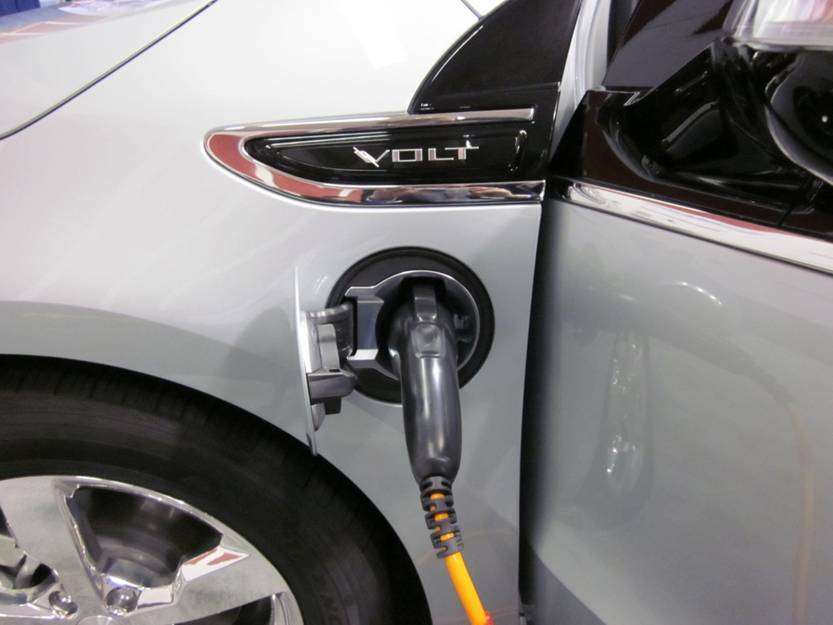
The Chevrolet Volt was one of the most advanced cars offered to UK buyers in the early 2010s. It drove primarily as an electric car, then used a 1.4-litre petrol engine to extend the journey once the battery reached its managed limit. The concept anticipated today’s range-extender and plug-in hybrid market, but very few Chevrolet-badged examples were sold here.
The closely related Vauxhall Ampera was more familiar in Britain and provides useful parts and specialist knowledge. A good Volt can still be an efficient, distinctive daily car, but high-voltage condition, charging equipment and specialist support must be checked before purchase.
Chevrolet Volt UK history
The first-generation Volt was developed by General Motors and entered UK showrooms in 2012. It was sold alongside the mechanically near-identical Vauxhall Ampera, which had the advantage of a larger British dealer network. High list prices and unfamiliar technology restricted sales of both cars.
Chevrolet offered a single highly equipped five-door version with leather, navigation, climate control and extensive driver displays. UK sales ended in 2014 as Chevrolet withdrew its mainstream European range. The improved second-generation American Volt was never officially sold in Britain.
How the Chevrolet Volt works
A lithium-ion battery powers an electric drive motor connected to the front wheels. When usable battery charge is depleted, the 1.4-litre petrol engine operates within the range-extender system so the car can continue without stopping to recharge. The driver experiences smooth electric drive throughout most conditions, although engine speed does not always rise and fall in the familiar way.
| UK specification | Figure |
|---|---|
| Electric motor output | About 148bhp |
| Battery | Approximately 16kWh lithium-ion |
| Official typical electric range | Up to about 50 miles |
| Official total range | More than 300 miles |
| Home charging time | Roughly four to six hours, depending on equipment |
| Seats | Four |
Real electric range varies with temperature, speed, heating use, battery condition and driving style. A healthy car may cover many ordinary commutes without petrol, but the official 50-mile claim should not be treated as a guaranteed modern-day figure.
Driving and practicality
Instant torque makes the Volt responsive in town and it is quiet when operating electrically. The battery’s low position helps stability, though the car is heavy and the ride can be inconsistent on broken surfaces. The transition to range-extender operation should be smooth.
A central battery tunnel means there are only four individual seats. Boot capacity is about 300 litres, expanding to roughly 1,000 litres with the rear seats folded. Check the lightweight load cover, charging-cable storage and low front air dam, which can scrape on steep ramps.
Chevrolet Volt common problems
- 12-volt battery: a weak conventional battery can trigger numerous warnings or prevent the high-voltage system starting. Confirm its age and condition.
- Charging equipment: test the supplied portable cable and charge port. Replacement leads are expensive and household wiring must be suitable.
- Central display: check both screens, touch controls, navigation, audio and energy displays for blanking, freezing or failed pixels.
- Transmission-related faults: early cars have reports of solenoid or control issues. There should be no warning messages, harsh engagement or abnormal noises.
- Rear dampers and suspension: listen for knocks and inspect tyres for uneven wear.
- Petrol system: the engine still needs regular servicing even if it runs infrequently. Check fuel age, oil history and that range-extender operation is smooth.
- Heating and air conditioning: climate faults reduce comfort and electric range and may involve expensive components.
Battery life and high-voltage checks
The Volt protects its battery by using only part of the total capacity and by actively controlling temperature. This conservative strategy has helped many cars retain useful range, but age and individual use still matter. Compare a full-charge range estimate with similar cars, then judge actual energy use on a meaningful test drive.
Ask for diagnostic evidence from a Volt or Ampera specialist. Confirm that no high-voltage, isolation or charging fault codes are stored. Never rely solely on the dashboard’s projected range, which adapts to recent driving and weather.
Recalls, warranty and specialist support
The original eight-year or 100,000-mile electric-drive warranty has expired on most UK cars. Check the VIN for outstanding campaigns and software updates. Because the Chevrolet dealer network disappeared, specialist knowledge is now more important than the badge on the workshop.
Ampera specialists can often support the Volt, and many chassis or cabin components have GM relatives. High-voltage modules, control electronics and Chevrolet-specific body parts may be slower or more expensive to source.
Buying verdict
A Volt suits someone who can charge at home, mostly drives within its electric range and has access to a knowledgeable specialist. Buy the latest, best-documented example available with both charging leads, warning-free operation and verifiable battery health. Avoid cheap cars with unresolved electrical messages.
Frequently asked questions
Is the Chevrolet Volt a hybrid or an electric car?
It is commonly described as a range-extender electric vehicle. Electric motors provide the driving experience, while a petrol engine allows the journey to continue when the battery’s usable charge is depleted.
Is the Chevrolet Volt the same as the Vauxhall Ampera?
They share the same fundamental platform and drivetrain. Styling, badging and some equipment differ, but UK specialist knowledge often covers both.
How far will a used Volt travel on electricity?
It depends on weather, driving style and battery condition. The original official figure was up to about 50 miles, but a real used-car test is essential.