
Unusual Cars model guide
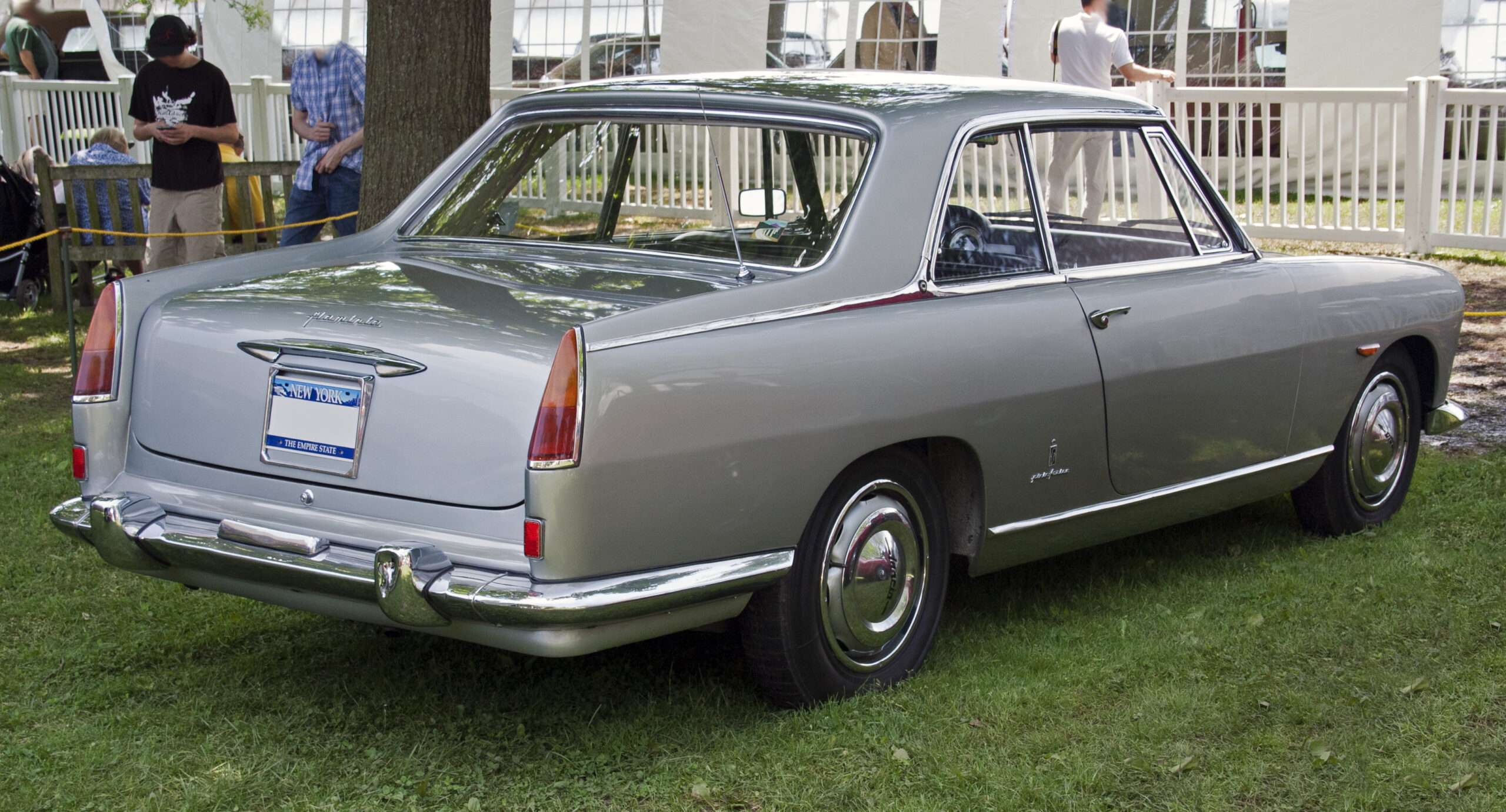
Lancia Flaminia Coupé
Pininfarina elegance, a refined V6 and transaxle engineering from Lancia’s grandest post-war era.

Quick answer: The Pininfarina Flaminia Coupé entered production in 1959 as a shorter, more intimate companion to the formal Flaminia saloon. Period right-hand-drive cars confirm genuine UK availability, although sales were tiny because its price approached Bentley and Rolls-Royce territory.
History and character
The production Coupé evolved from Pininfarina’s celebrated Florida II show car. Its wheelbase was 12 cm shorter than the saloon’s, but it retained four useful seats and the Flaminia’s sophisticated mechanical layout: an alloy V6 in front and clutch, gearbox and differential grouped at the rear.
Early 2.5-litre cars produced about 119 bhp; later triple-carburettor versions offered more, and the 2.8-litre model reached roughly 140 bhp. Disc brakes became a notable feature, while the transaxle helped give the large coupé unusually balanced road manners.
It was not Lancia’s only Flaminia coupé—Touring and Zagato created more overtly sporting GT and Sport derivatives—but the Pininfarina car is the most spacious and formal. UK survivors may be original RHD cars, period conversions or later imports, so documentation is essential.
Key specifications
| Years | 1959–1967 |
|---|---|
| Engine | 2.5 or 2.8-litre V6 |
| Transmission | Four-speed manual transaxle |
| Drive | Rear-wheel drive |
| Top speed | About 105–112 mph |
What to check before buying
- Body: inspect the entire structure, door bottoms, sills, floor and glass surrounds.
- V6: check oil pressure, cooling, carburettor balance and evidence of expert servicing.
- Transaxle: test every ratio and listen for whine or propeller-shaft vibration.
- Brakes: seized calipers, servos and hydraulic neglect are common after storage.
- Completeness: unique glass, brightwork, lamps and cabin fittings are scarce.
Verdict
Lancia Flaminia Coupé earns its place here because it combines genuine UK-market relevance with engineering and design that have become increasingly unusual. The best example is the one with the strongest history, soundest structure and fewest improvised repairs—not necessarily the shiniest paint.
Research basis: Stellantis Heritage, FIA homologation records and period UK-market evidence.