UNUSUAL CARS MODEL GUIDE
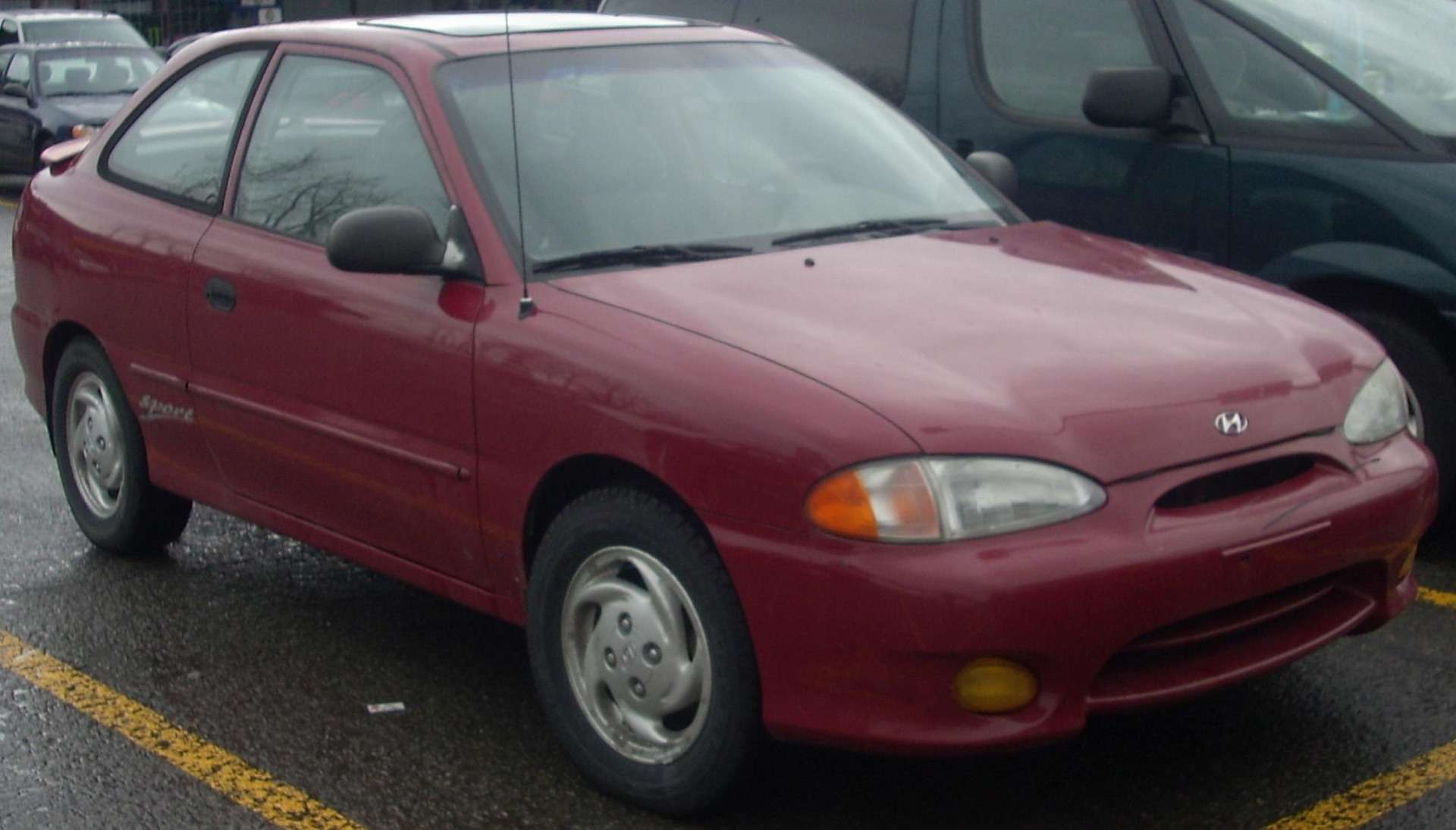
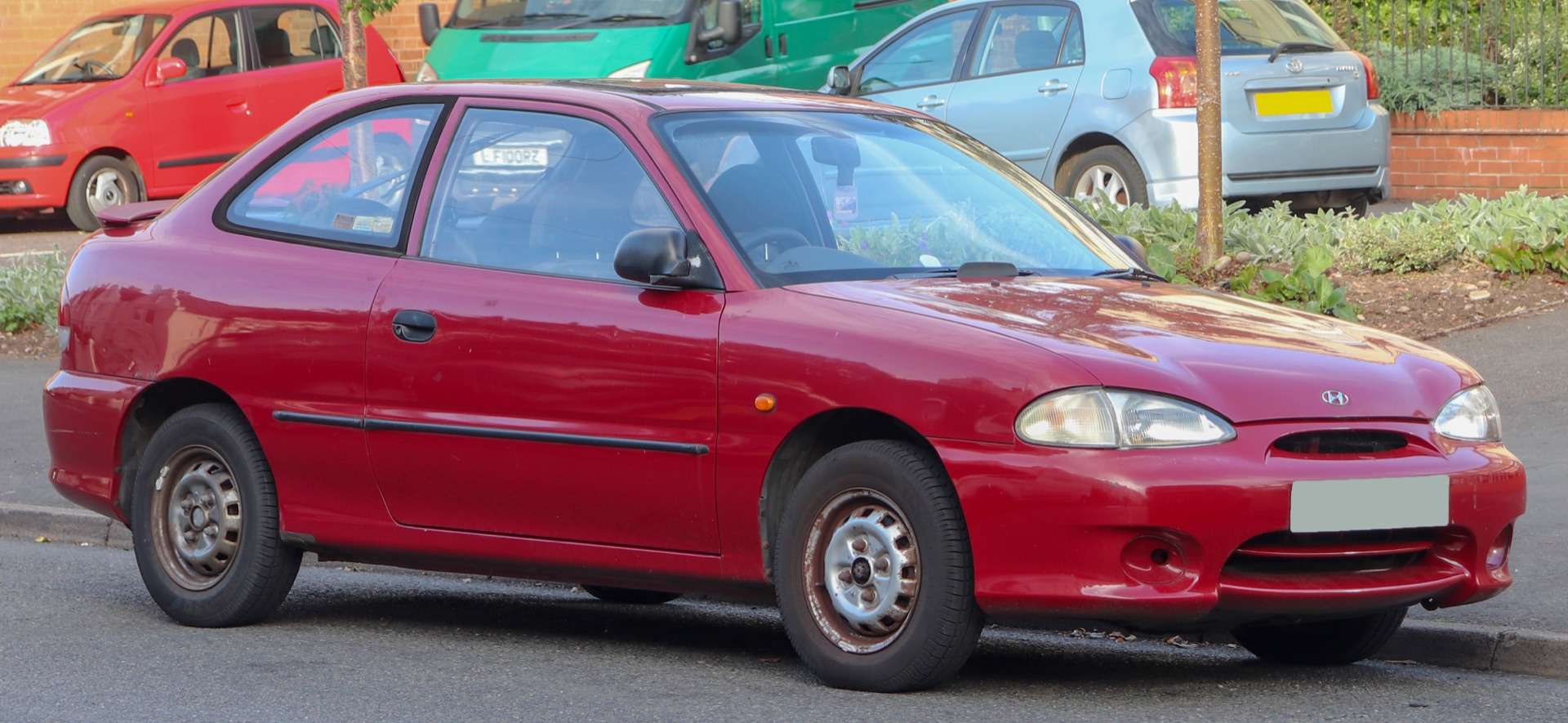
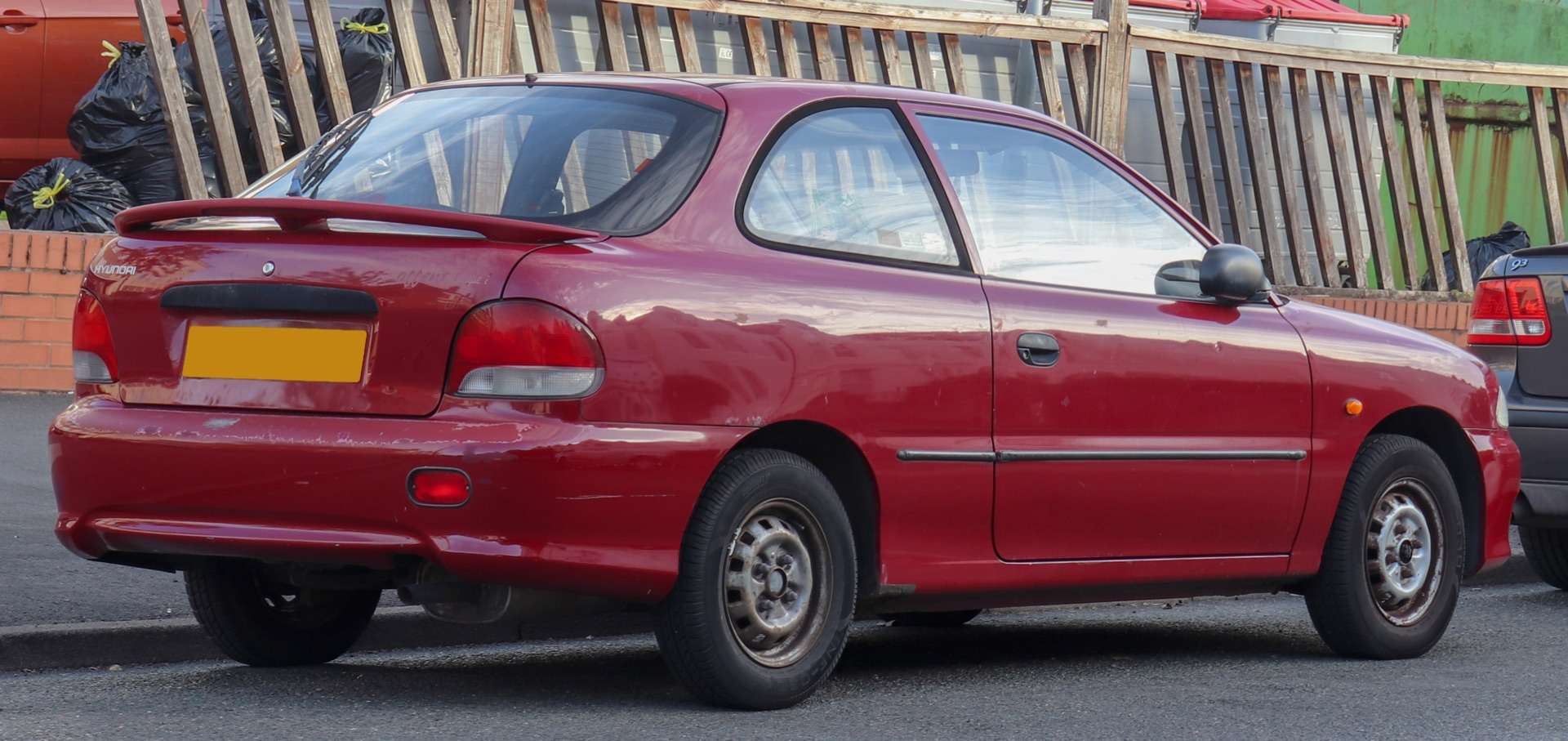
The Hyundai Accent MVi was a short-lived British warm hatch that arrived in 1997. Based on the three-door first-generation Accent, it paired a 1.5-litre 16-valve engine with sportier trim and useful performance, creating an inexpensive alternative to better-known European superminis.
Featured image: first-generation Hyundai Accent three-door. Photograph by Bull-Doser, Public domain; locally hosted and resized.
Where the MVi fitted into the Accent range
Hyundai launched the first Accent in Britain in October 1994 as a four-door saloon, adding five-door hatchbacks and three-door Coupés in early 1995. The range was deliberately simple and inexpensive. The MVi changed the tone in January 1997 by placing the 16-valve version of Hyundai’s 1.5-litre Alpha engine into the three-door body.
The MVi was not a homologation special or a full hot hatch. It was a warm hatch in the honest 1990s sense: light, compact, mechanically straightforward and quick enough to be entertaining without expensive hardware.
Engine and performance
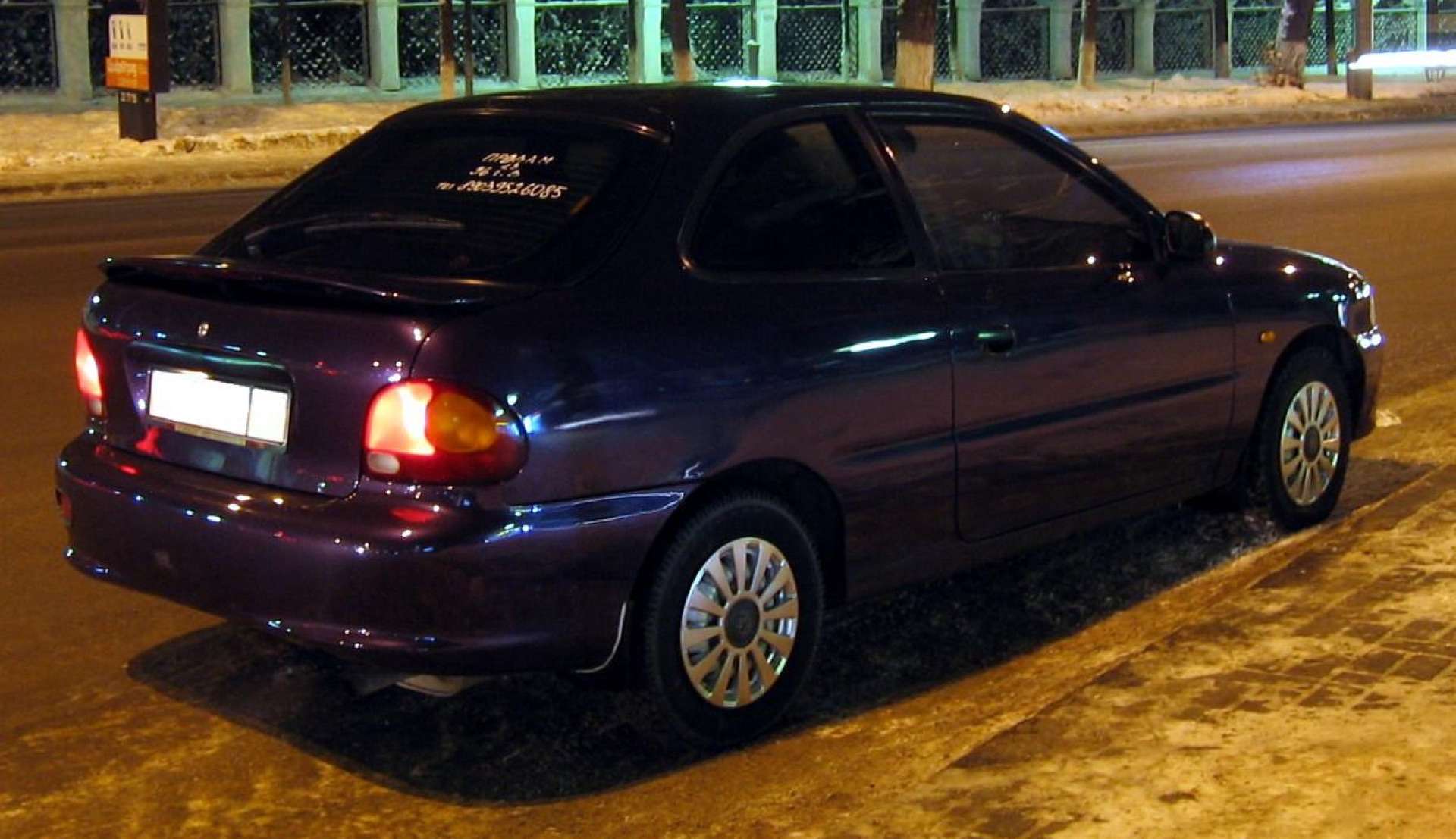
The 1,495cc four-cylinder used double overhead camshafts, multi-point injection and four valves per cylinder. Contemporary UK data gives 98 bhp and 100 lb ft (136 Nm), driving the front wheels through a five-speed manual gearbox. Factory figures placed top speed at about 112 mph and 0–60 mph at around 9.9 seconds.
| Specification | Accent MVi |
|---|---|
| Engine | 1,495cc naturally aspirated DOHC four-cylinder |
| Power | 98 bhp (99 PS) |
| Torque | 136 Nm / 100 lb ft |
| Transmission | Five-speed manual, front-wheel drive |
| 0–60 mph | Approximately 9.9 seconds |
| Top speed | Approximately 112 mph |
What made it unusual?
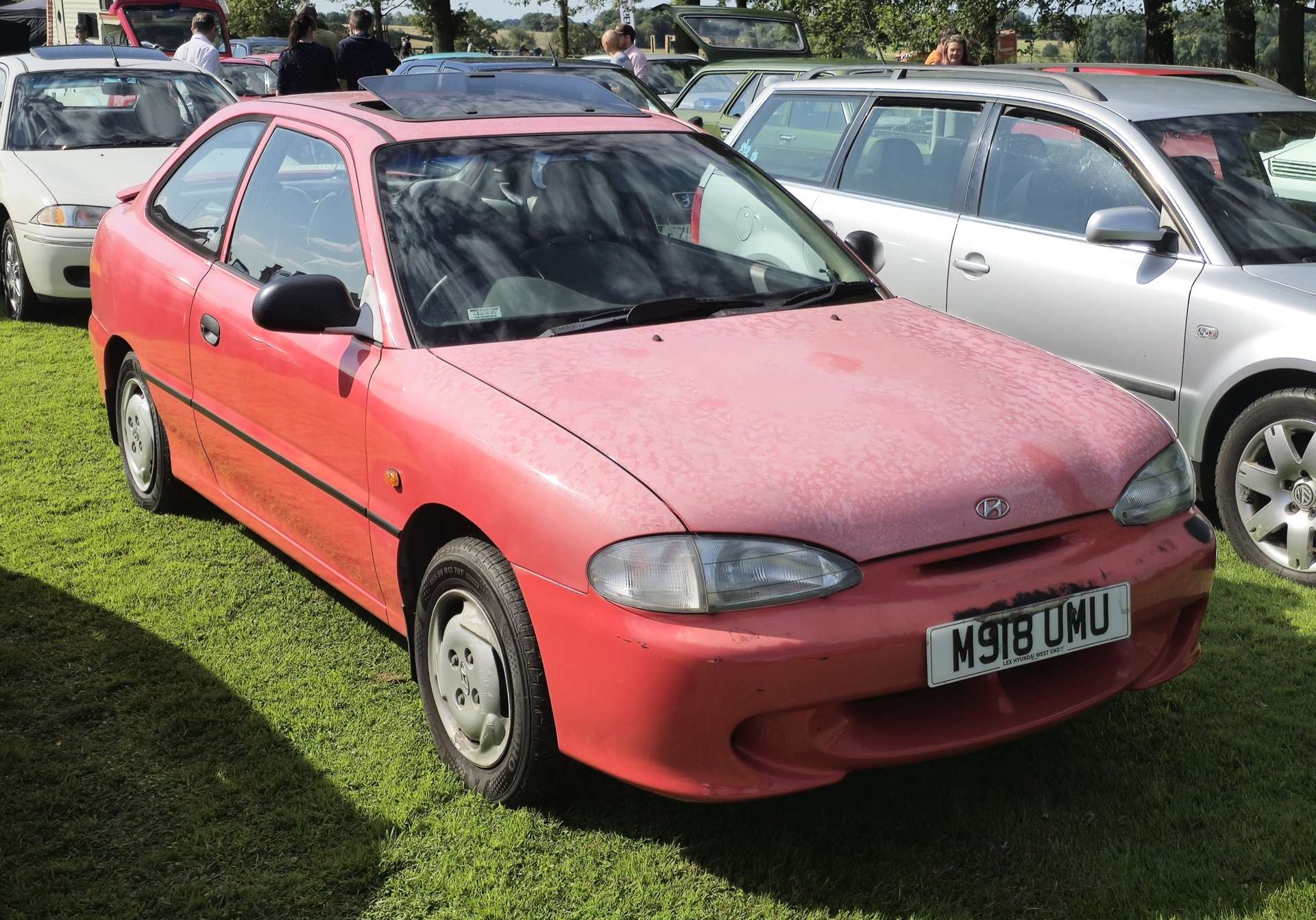
In period, Hyundai was known principally for value and long warranties. The MVi’s performance badge was therefore unexpected. It arrived before the company had an established European sporting identity and long before the N division. Its appeal today is partly historical: this was one of Hyundai’s earliest attempts to sell British buyers a small car for enjoyment as well as economy.
Love cars you don’t see every day?
Get forgotten cars, surprising motoring stories and the most interesting finds from Unusual Cars by email.
Free to join. No spam. Unsubscribe whenever you like. See our privacy policy.
On the road
Low weight and a willing engine give the MVi more energy than the ordinary Accent, but the steering, brakes and suspension remain rooted in a budget supermini. The best cars feel light and direct rather than sophisticated. Correct tyres, fresh dampers and sound suspension bushes make a large difference.
Hyundai Accent MVi buying guide
Body and corrosion
Inspect sills, floor edges, wheelarches, suspension mounts, screen surrounds and the rear structure. Cheap values meant many cars received only basic repairs. Look closely at panel gaps and paint because accident damage was not uncommon.
Engine and transmission
Check cambelt history, cooling-system condition, oil leaks and smoke from cold. The five-speed gearbox should shift cleanly and the clutch should take up without slip or judder. Engine mounts and driveshaft joints can reveal themselves through vibration or clicking.
Trim and identity
Model-specific wheels, spoilers, seats, badges and interior trim are harder to find than routine service parts. Confirm that a prospective car is a genuine MVi through its documents and chassis details rather than appearance alone.
Research sources
- RAC Drive: Hyundai Accent 1994–2000 history and UK range
- Automobile Catalog: 1997 Accent 1.5 MVi UK specifications
- Euro NCAP: 1998 Hyundai Accent test
Continue the Hyundai story
Explore the Rare & Performance Hyundais hub, then meet the XG30 flagship, then jump to the Veloster Turbo.
Frequently asked questions
Was the Hyundai Accent MVi sold in Britain?
Yes. It joined the UK range in January 1997 as the 1.5-litre 16-valve three-door performance model.
How much power does an Accent MVi have?
The UK MVi is usually quoted at 98 bhp, or 99 PS, with 136 Nm of torque.
Is the Accent MVi a hot hatch?
It is better described as a warm hatch: quicker and sportier than the ordinary Accent, but not developed as an all-out performance car.
What should buyers check first?
Corrosion, cambelt history, accident repairs and the presence of hard-to-replace MVi trim matter most.