UNUSUAL CARS MODEL GUIDE
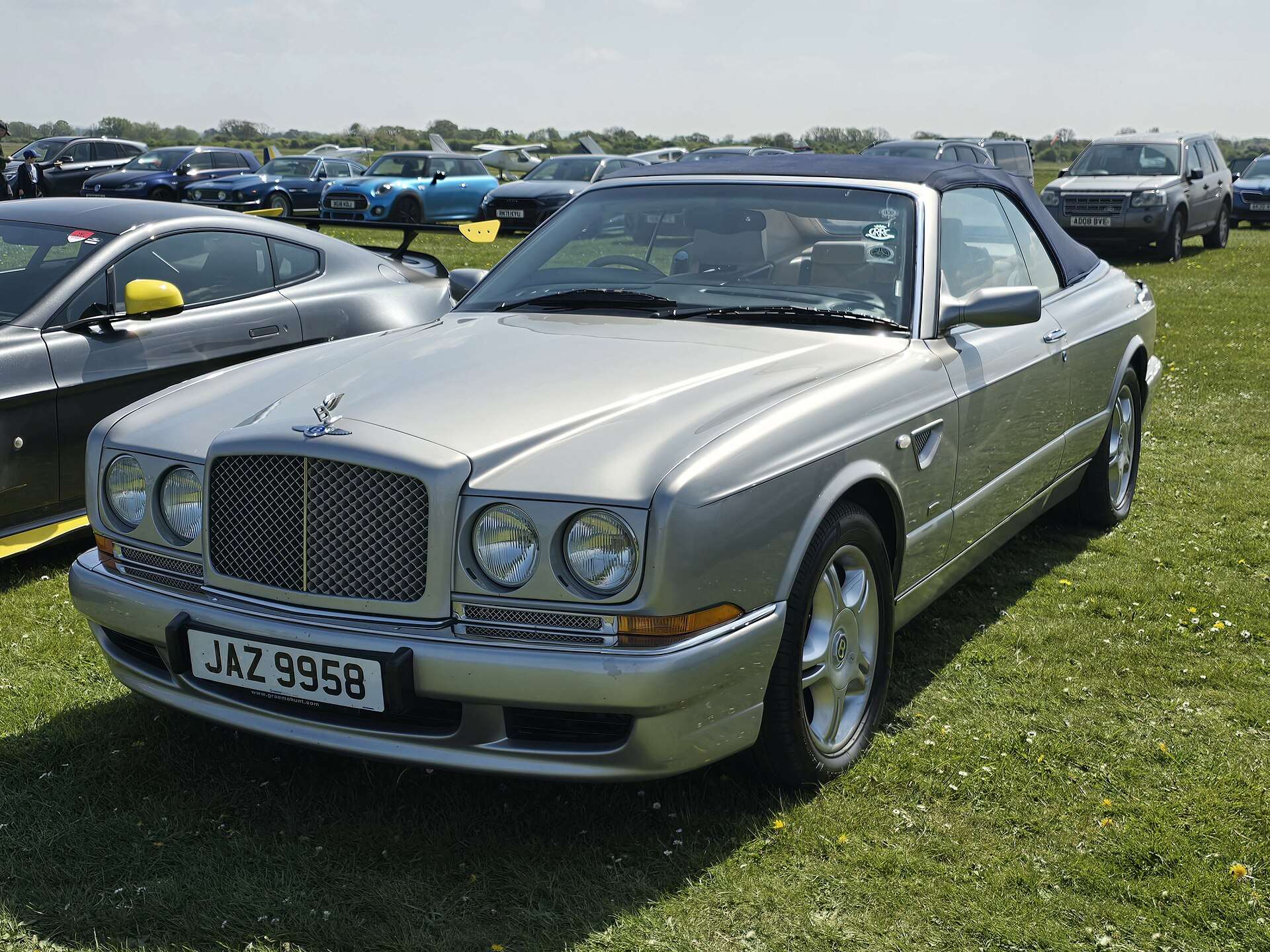
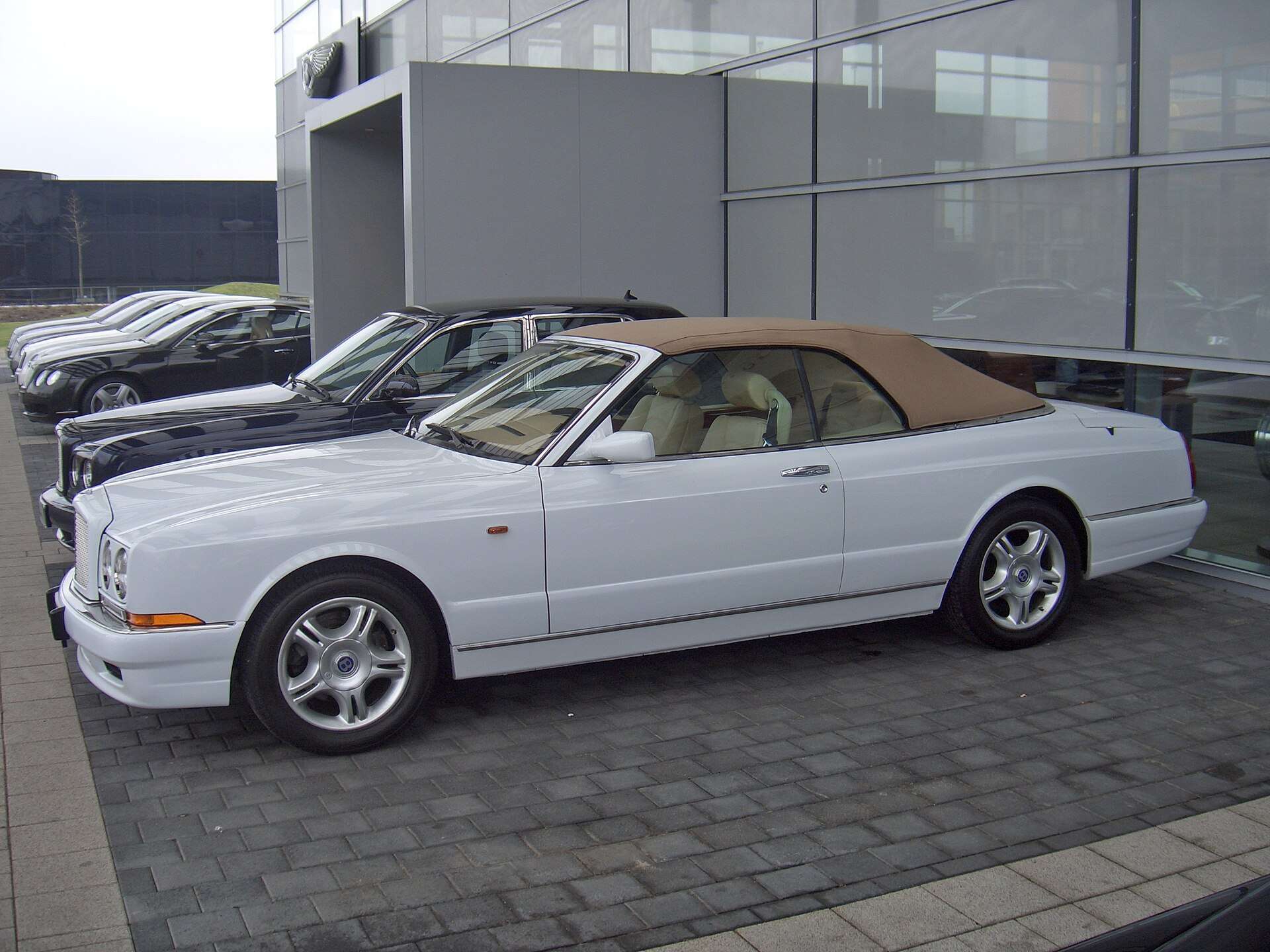
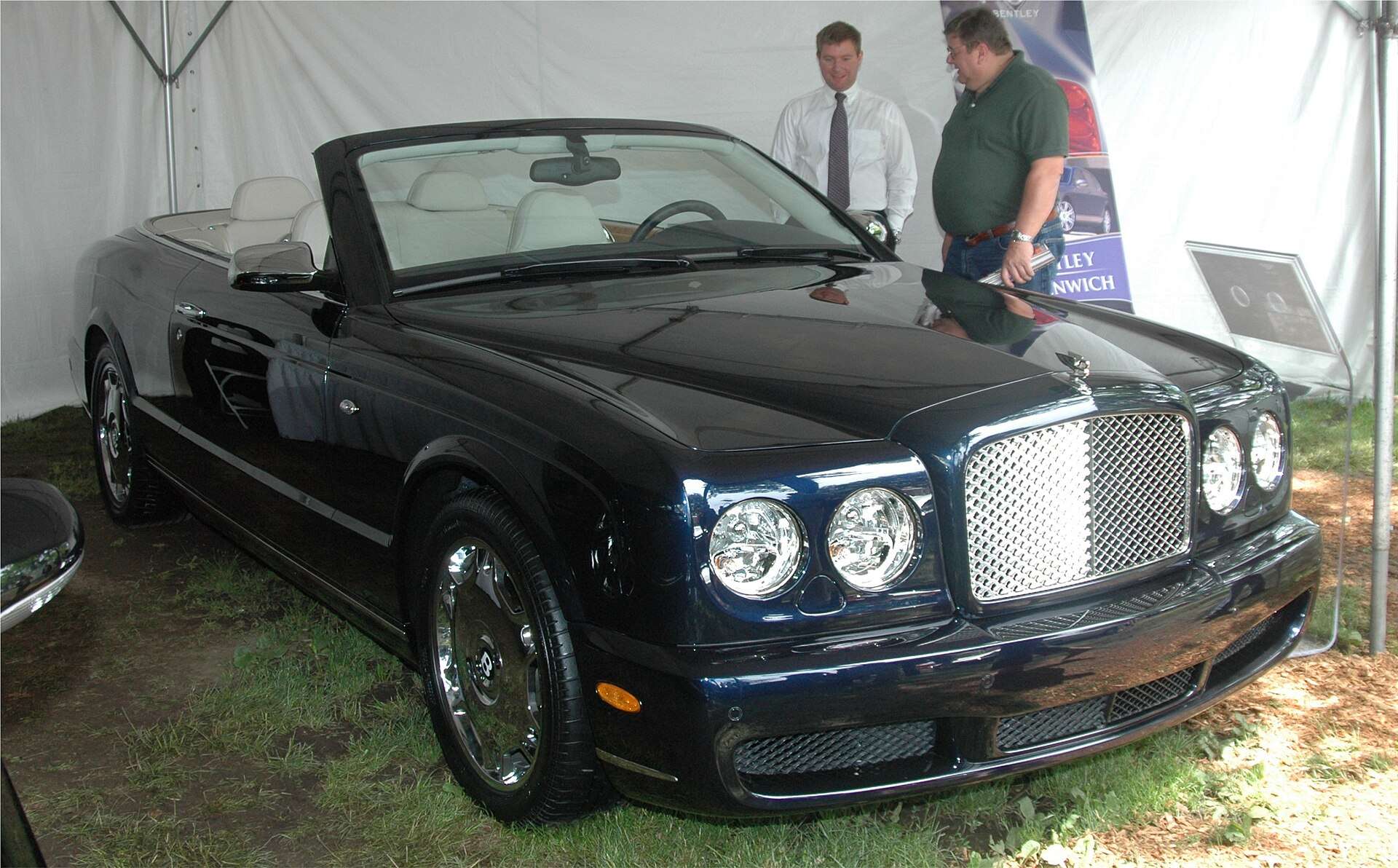
The Bentley Azure was Crewe’s grand four-seat convertible in two distinct generations: a Continental R-based original from 1995 to 2003 and an Arnage-based successor built from 2006 to 2010. Both paired traditional Bentley V8 power with a fully lined folding roof and unusually generous rear accommodation.
Quick answer: an Azure is far more than a Continental or Arnage with the roof removed. Check structural integrity, hydraulic roof operation, water sealing, unique body trim, cooling, hydraulics or suspension, and every cabin function with a Bentley specialist.
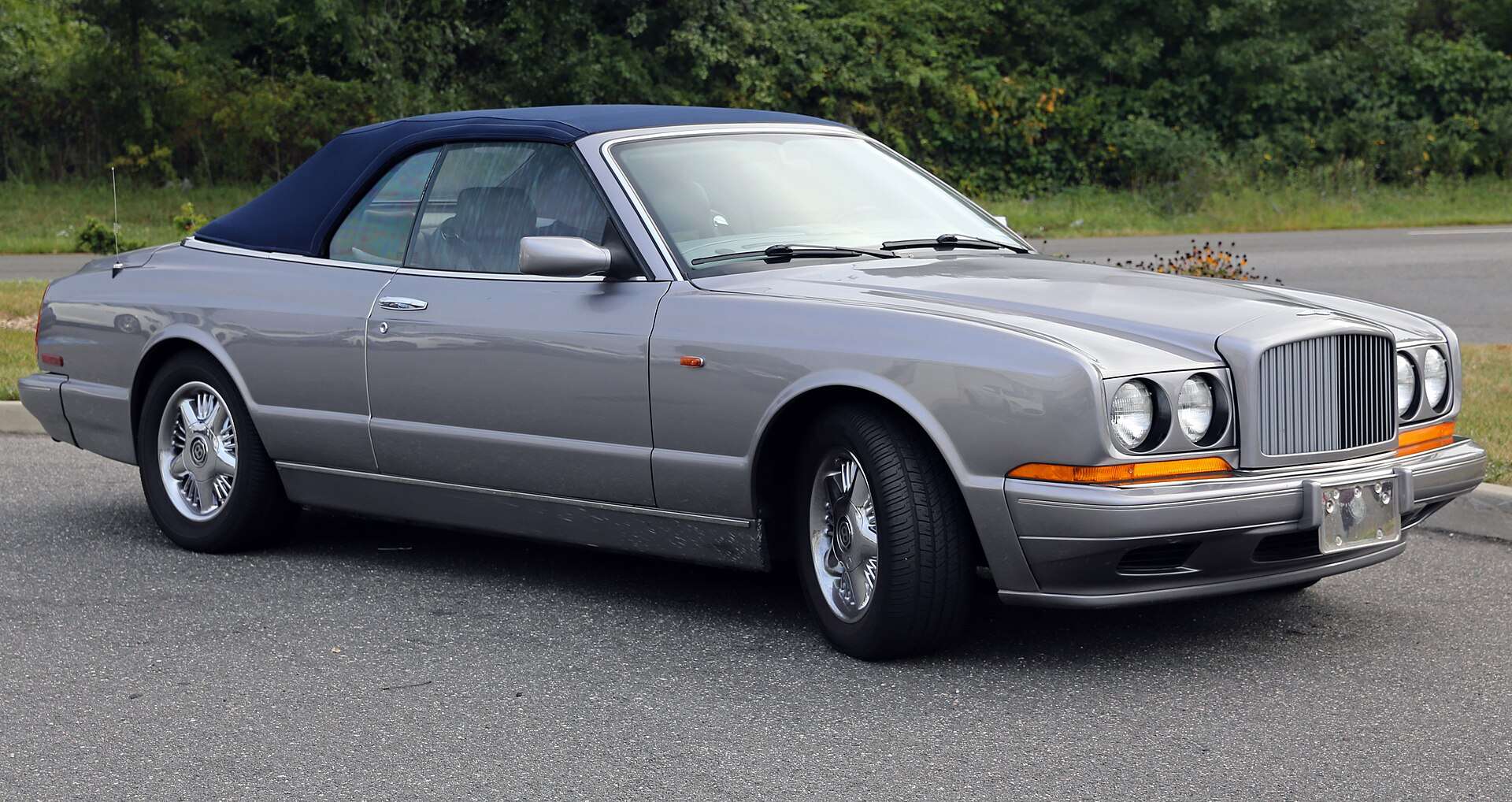
Featured image: silver first-generation Bentley Azure. Photograph by Mr.choppers, CC BY-SA 3.0, via Wikimedia Commons; locally hosted.
From Continental R to open grand tourer
The first Azure used the Continental R platform and Bentley’s turbocharged 6.75-litre V8. Its power-operated fabric roof was engineered and produced with Pininfarina involvement, disappearing beneath a hard cover while preserving four usable seats. Production remained low and extensive personalisation means apparently similar cars can differ significantly.
The second generation was shown in 2005 and entered production for 2006 on the Arnage platform. Carbon-fibre underfloor cross-bracing helped restore stiffness, while the roof could be lowered or raised in about 30 seconds. Bentley quoted 450bhp, 875Nm, 0–62mph in 5.9 seconds and 168mph.

Two generations and the Azure T
| Model | Years | Character |
|---|---|---|
| Azure | 1995–2003 | Continental R-based, single-turbo 6.75-litre V8 and four-speed automatic |
| Azure Mulliner | Late first generation | More personalisation, larger wheels and detail upgrades; exact specification varies |
| Azure | 2006–2009 | Arnage-based, 450bhp twin-turbo V8 and six-speed automatic |
| Azure T | 2009–2010 | 500bhp, 1,000Nm and firmer sporting detail |
Bentley quotes 179mph and 0–62mph in 5.5 seconds for the Azure T. At roughly 2,695kg, it remains a relaxed grand tourer rather than a lightweight sports car.
Love cars you don’t see every day?
Get forgotten cars, surprising motoring stories and the most interesting finds from Unusual Cars by email.
Free to join. No spam. Unsubscribe whenever you like. See our privacy policy.
Roof operation and body structure
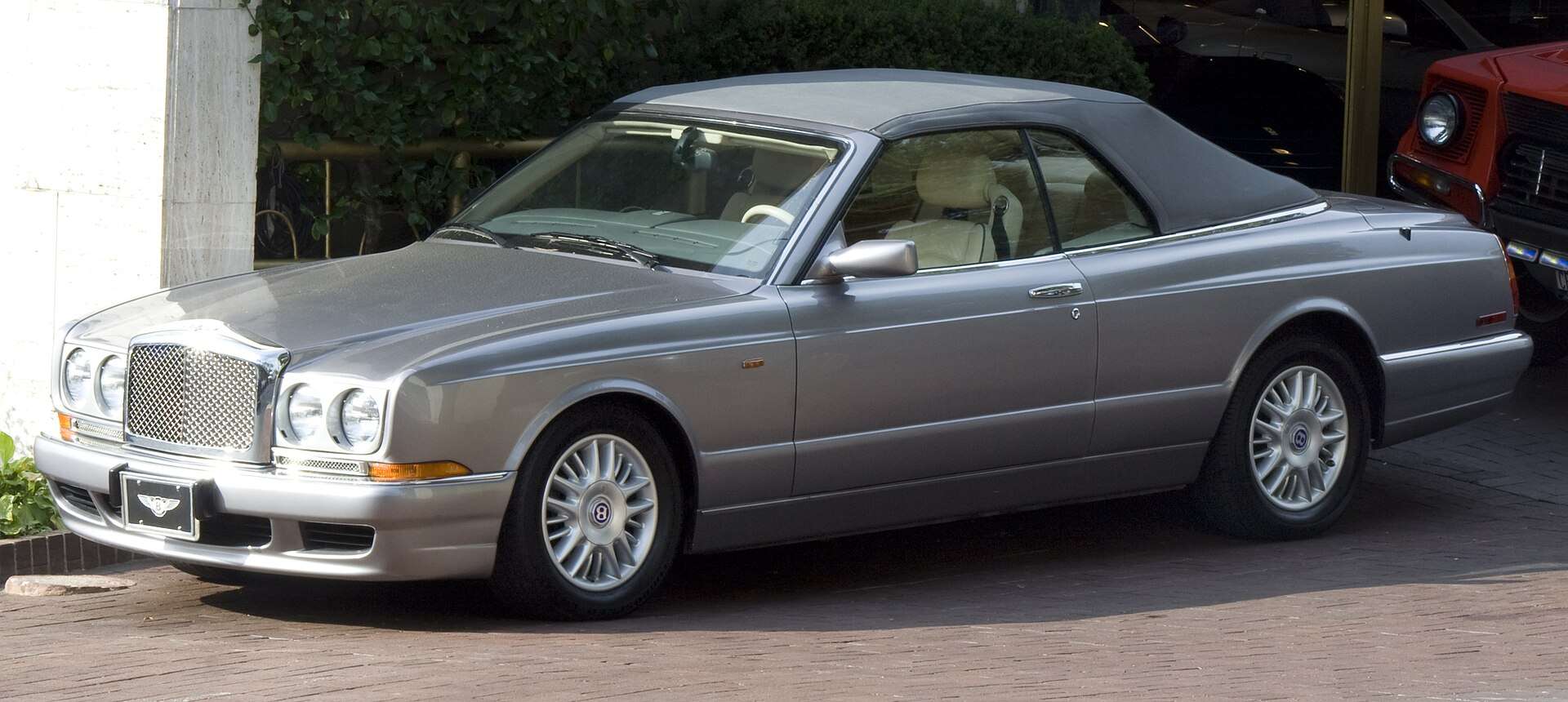
Operate the roof repeatedly from fully closed to fully stowed. It should move evenly without hesitation, hydraulic leaks, strained motors or warning messages. Inspect rams, hoses, header rail, catches, tensioning cables, rear window and the fabric itself. Confirm that drains are clear and carpets, rear quarters and boot are dry.
Check sills, floors, jacking points, scuttle and door apertures for corrosion or distortion. Long heavy doors must close cleanly, and frameless windows should drop, rise and seal correctly. Unique glass, roof trim and body panels can be difficult and costly to replace.
Engine, cooling and chassis
First-generation cars share much with the Continental R: inspect turbocharging, cooling, high-pressure brake and self-levelling hydraulics, four-speed transmission and age-related wiring. Second-generation cars bring twin turbos, adaptive suspension and a six-speed automatic. On either, overheating, smoke, low oil pressure or hydraulic warnings require expert diagnosis.
The body should not shake excessively on rough roads. Suspension bushes, dampers, steering joints, wheel bearings and tyres work hard beneath the Azure’s mass. Brake condition matters especially on cars that have stood unused.
Interior, provenance and ownership
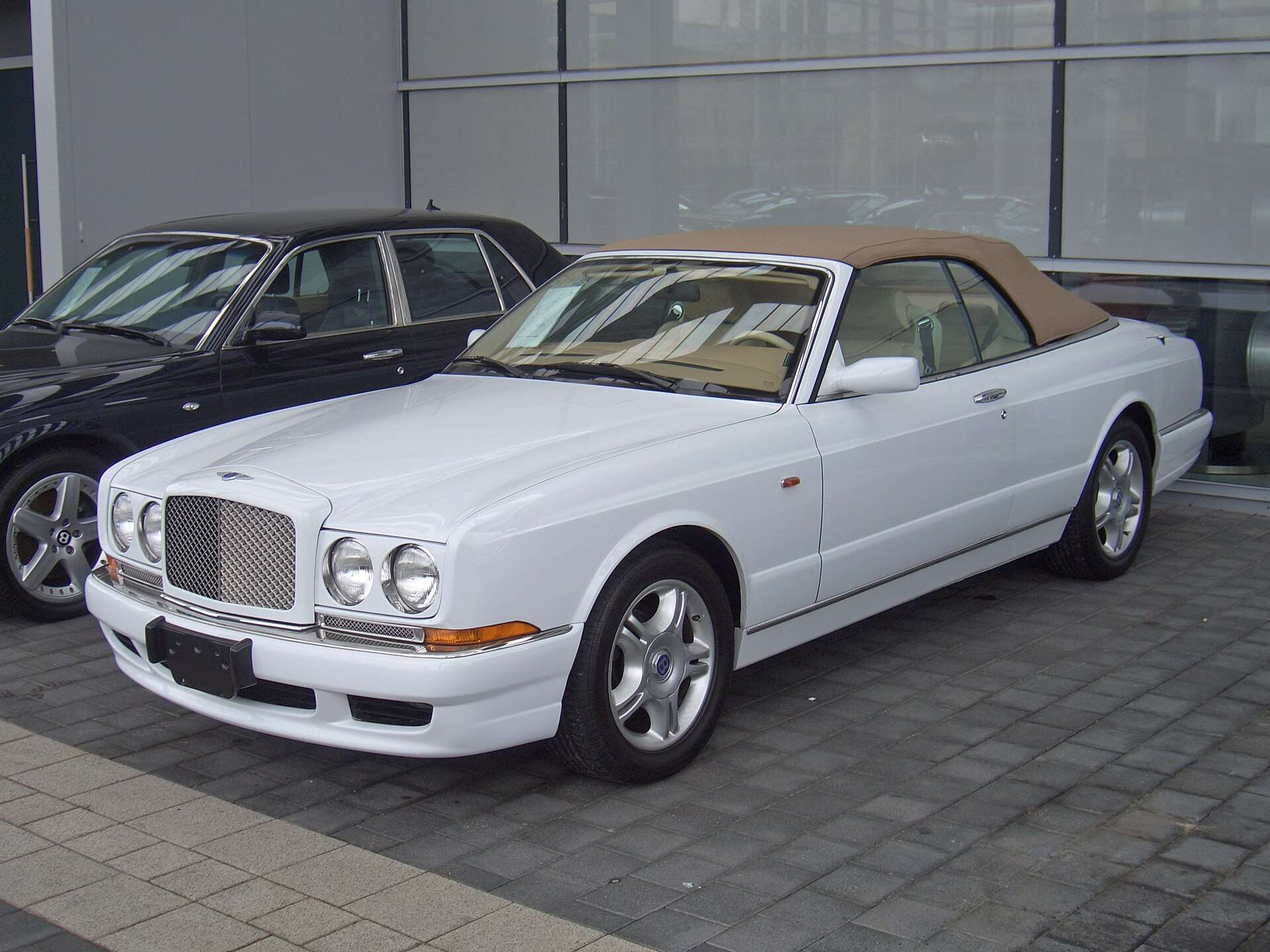
Test seat motors and memory, climate control, windows, locks, mirrors, parking systems, instruments and audio. Water ingress can damage leather, carpets, veneer and control modules. Check that the tonneau, tools, handbooks and model-specific brightwork remain with the car.
Build records are valuable because colour and Mulliner options influence both identity and replacement cost. Prioritise a regularly used car with documented roof, cooling, suspension and electrical maintenance over a superficially pristine low-mileage example.
Sources and further reading
- Bentley Heritage Collection: 2010 Azure T Final Series
- Bentley: history of the 6.75-litre V8
- Classic & Sports Car: modern Bentley Continental family
Continue the Bentley story
Explore the complete Bentley hub. Continue with the Bentley Continental GT Mk1 and Bentley Continental R.
Frequently asked questions
When was the Bentley Azure made?
The first generation ran from 1995 to 2003. An Arnage-based second generation was produced from 2006 to 2010.
Does the Bentley Azure have four seats?
Yes. Both generations were designed as genuine four-seat luxury convertibles.
What engine does the Azure use?
Both generations use versions of Bentley’s 6.75-litre turbocharged V8, with the later car using twin turbochargers.
How long does the later Azure roof take to operate?
Bentley states that the second-generation roof raises or lowers in about 30 seconds.
What should be checked before buying an Azure?
Inspect roof hydraulics and seals, water ingress, structure and corrosion, engine cooling, suspension or hydraulics, brakes, tyres, electronics and provenance.