UNUSUAL CARS MODEL GUIDE
The Maserati Shamal was the most extreme production development of the Biturbo family: a short-wheelbase, Marcello Gandini-styled coupé with a new 3.2-litre twin-turbo V8, six-speed Getrag gearbox and only 369 examples built. Produced from 1990 to 1996, it bridged the De Tomaso era and Maserati’s early Fiat-backed revival.
Quick answer: the Shamal is rare, fast and mechanically specialised. Authenticity, provenance and expert inspection are essential. Particular attention should go to engine management, turbochargers, cooling, timing-system history, the adjustable suspension, differential, corrosion, electrical equipment and the availability of model-specific body and trim parts.
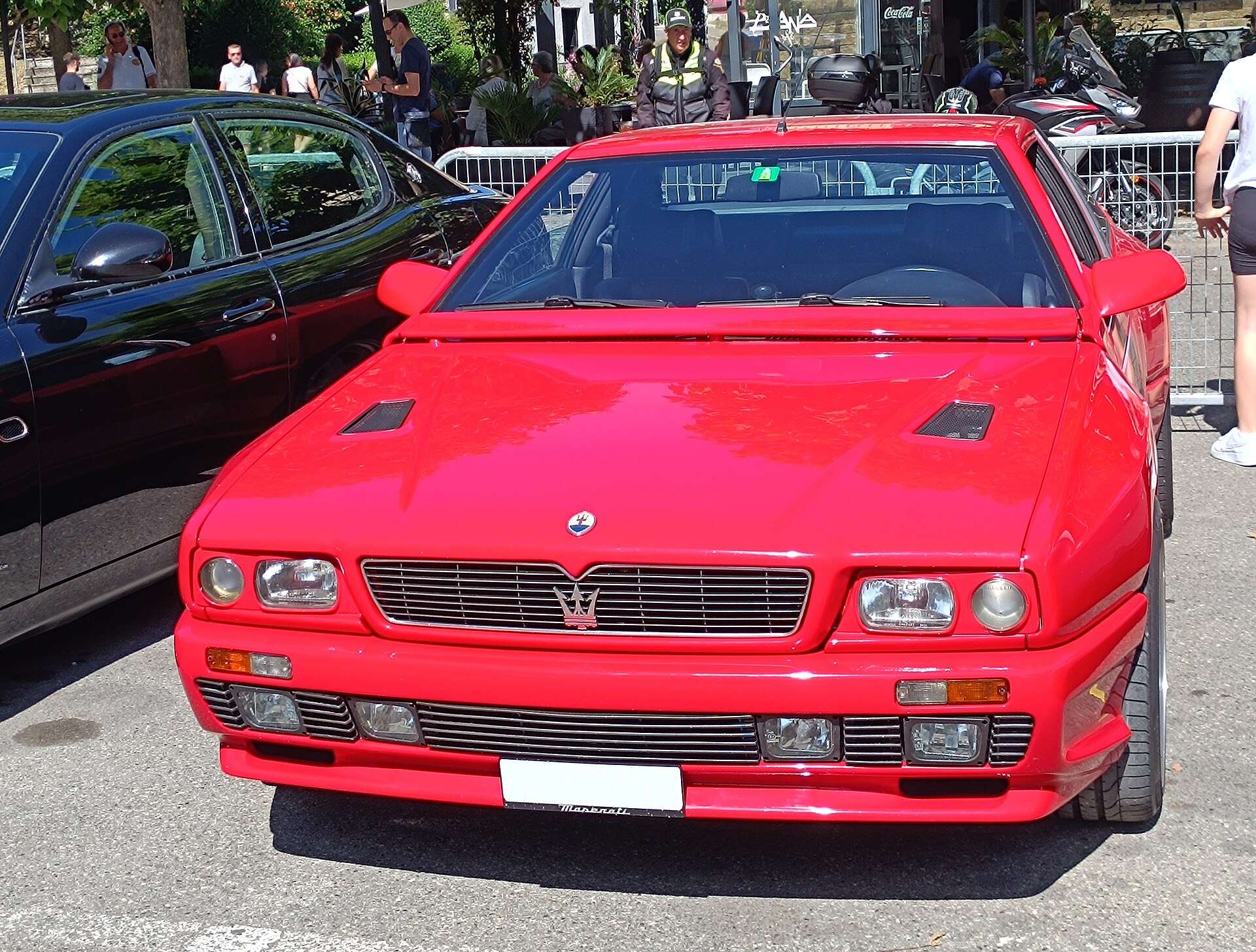
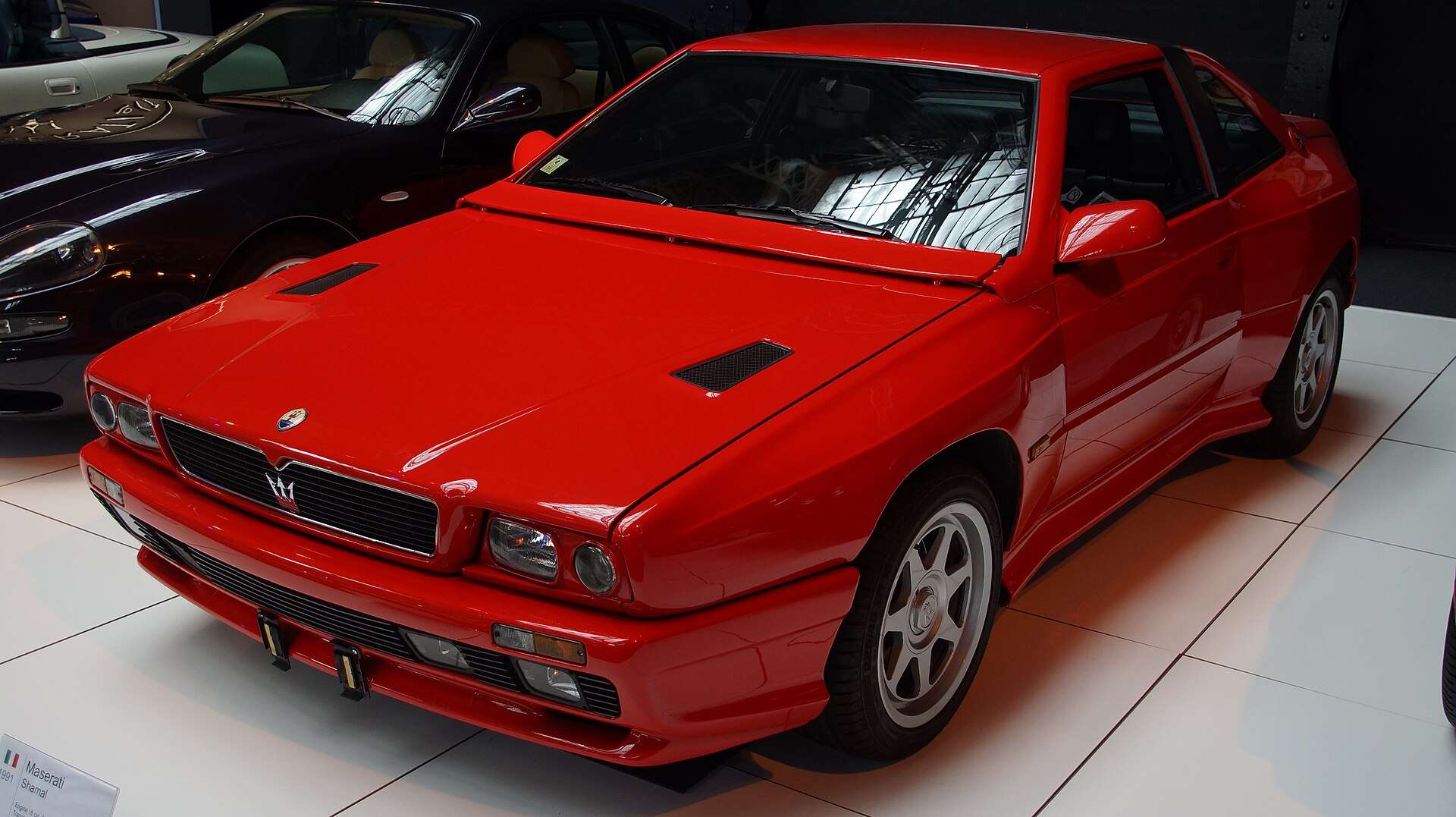
Featured image: Maserati Shamal at the Vernasca Silver Flag. Photograph by Hotolmo22, CC0, via Wikimedia Commons; locally hosted.
The ultimate Biturbo descendant
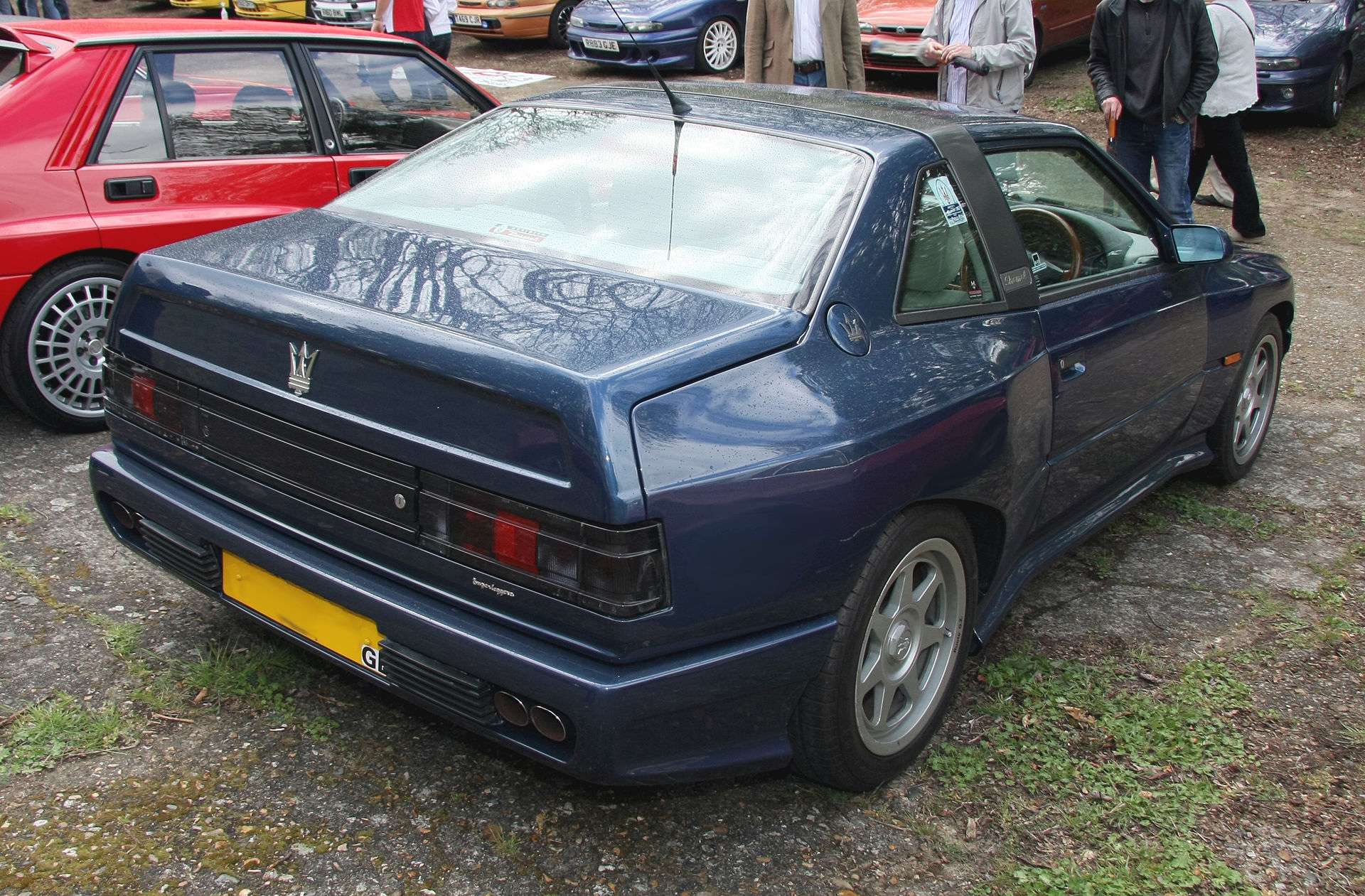
Maserati based the Shamal on the short platform used by the Spyder and Karif, then created a substantially new body around it. The doors remained related to the Biturbo family, but Gandini added swollen arches, a heavy centre pillar, a small spoiler at the base of the windscreen and his characteristic cut-off rear wheel openings.
The name came from a Mesopotamian wind, continuing Maserati’s tradition of atmospheric model names. It was announced at the end of the De Tomaso period, and its styling and hardware influenced the later Ghibli II.

Twin-turbo V8 and six-speed gearbox
The 3,217cc 90-degree V8 used four camshafts, 32 valves, twin turbochargers and Weber-Marelli electronic management. Maserati quoted 326hp at 6,000rpm, a 270km/h top speed and a dry weight of 1,417kg. Power went through a six-speed Getrag manual gearbox and limited-slip differential.
| Item | Maserati Shamal |
|---|---|
| Production | 1990–1996 |
| Model code | AM339 |
| Engine | 3,217cc twin-turbo V8 |
| Power | 326hp at 6,000rpm |
| Top speed | 270km/h |
| Number built | 369 |
Performance was formidable for the period, but the Shamal was conceived as a long-distance grand tourer rather than a stripped track car. Its tiny rear seats, leather-lined cabin and adjustable dampers underline that dual personality.
Love cars you don’t see every day?
Get forgotten cars, surprising motoring stories and the most interesting finds from Unusual Cars by email.
Free to join. No spam. Unsubscribe whenever you like. See our privacy policy.
Chassis and driving character
The suspension used electronically adjustable Koni dampers with four settings selected from the cabin. Contemporary reports described strong grip, quick steering and substantial turbocharged torque, but there were no modern stability aids. Tyre quality, geometry, dampers and differential condition are therefore central to both safety and character.
A well-set-up Shamal should feel cohesive rather than unruly. Wandering, severe tramlining, driveline clunks or mismatched tyres suggest deferred work. Verify that the suspension-control system changes setting and that replacement parts are correct for the car.
Engine, turbo and cooling checks
Insist on invoices from a marque specialist. Check timing-system maintenance, fluids, hoses, radiator, fans, water pump and evidence of overheating. The engine should start cleanly, idle steadily and build boost evenly without smoke, detonation or warning lights. Oil leaks, tired turbochargers and improvised wiring require careful investigation.
Because the car is so rare, originality and correct parts matter. Confirm engine, gearbox and chassis identity, and treat missing induction, exhaust, suspension or interior pieces as a serious concern. A compression and leak-down test is sensible when history is incomplete.

Body, interior and authenticity
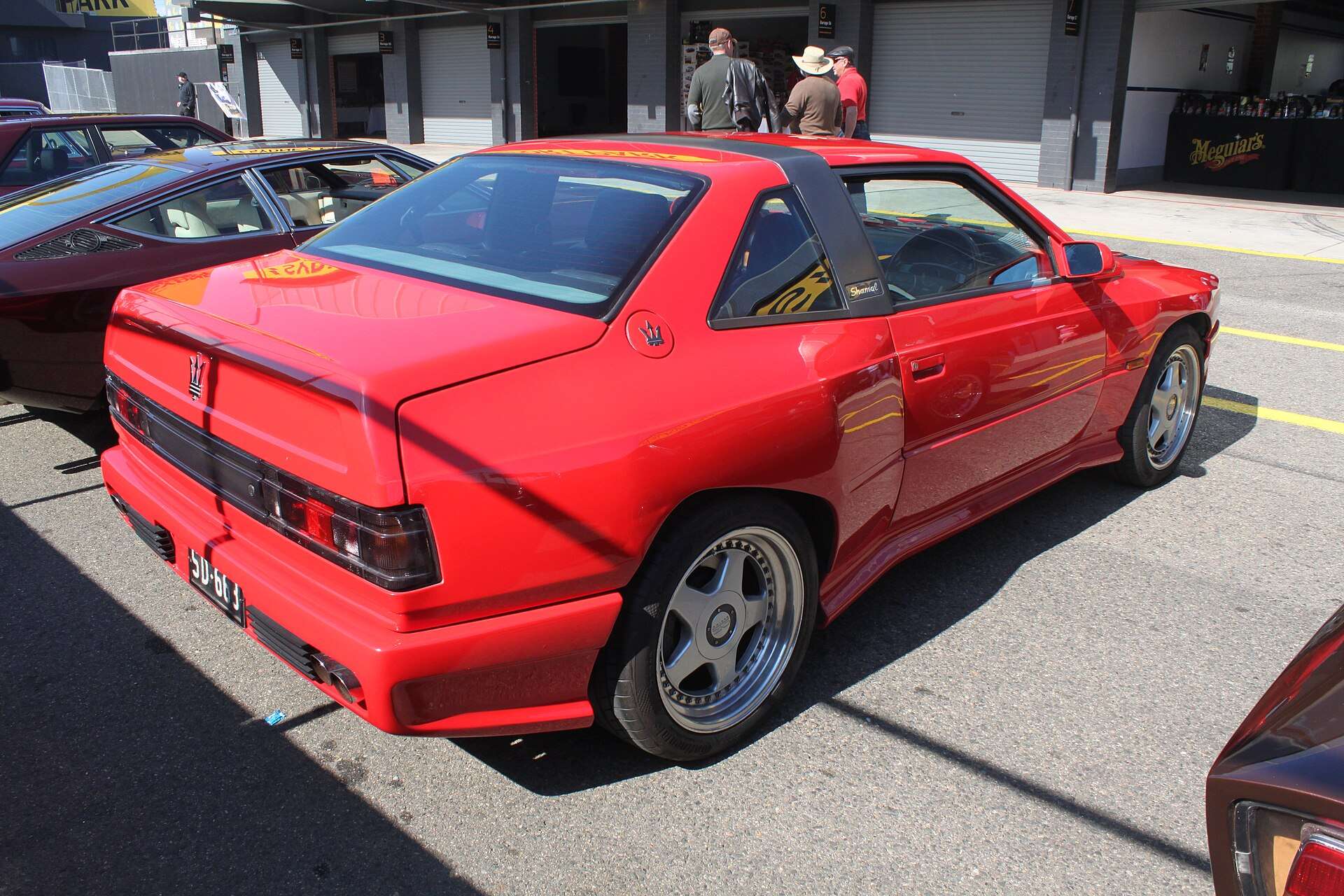
Inspect the entire steel monocoque, paying attention to sills, floors, jacking points, arches, screen surrounds, suspension pick-ups and previous repairs. Replacement body panels, glass, lamps and trim are difficult to source. Gandini-specific details should be present and undamaged.
The cabin combines leather, Alcantara, wood and the traditional oval clock. Test every switch, instrument and motor, and look for shrinking leather, damp and heat damage. Documentation, original tools, keys and period literature are disproportionately important on a 369-car model.
Sources and further reading
- Maserati Classiche: Shamal history and specifications
- Classic & Sports Car: Maserati Shamal road test and history
- Classic & Sports Car: the Biturbo family
Continue the Maserati story
Explore the complete Maserati hub. Follow the family through the Biturbo and Spyder and the later Ghibli II.
Frequently asked questions
How many Maserati Shamals were built?
Maserati records 369 cars produced between 1990 and 1996.
What engine is in the Maserati Shamal?
It uses a 3,217cc twin-turbocharged 32-valve V8 producing 326hp.
Who designed the Maserati Shamal?
Marcello Gandini designed its muscular body, including the distinctive cut-off rear wheel arches.
Is the Shamal related to the Biturbo?
Yes. It developed the short Biturbo Spyder and Karif platform but added a largely new body, V8 engine and six-speed gearbox.
What matters most when buying a Shamal?
Provenance, originality and inspection by a knowledgeable specialist are vital because mechanical, body and trim parts can be difficult to replace.