UNUSUAL CARS MODEL GUIDE
The Bagheera is one of the most imaginative affordable sports cars of the 1970s. Matra gave it a mid-mounted Simca engine, glassfibre body panels and three seats in a single row. Britain officially received left-hand-drive Bagheeras through selected Chrysler dealers from 1976, with a small number converted to right-hand drive. Following PSA’s takeover of Chrysler Europe, the final cars adopted Talbot-Matra identity.
Quick answer: the Bagheera was built from 1973 to 1980, initially with a 1,294 cc engine and later with 1,442 cc power. Its steel structure can corrode severely beneath apparently tidy glassfibre panels, making chassis condition, originality and careful inspection more important than paintwork.
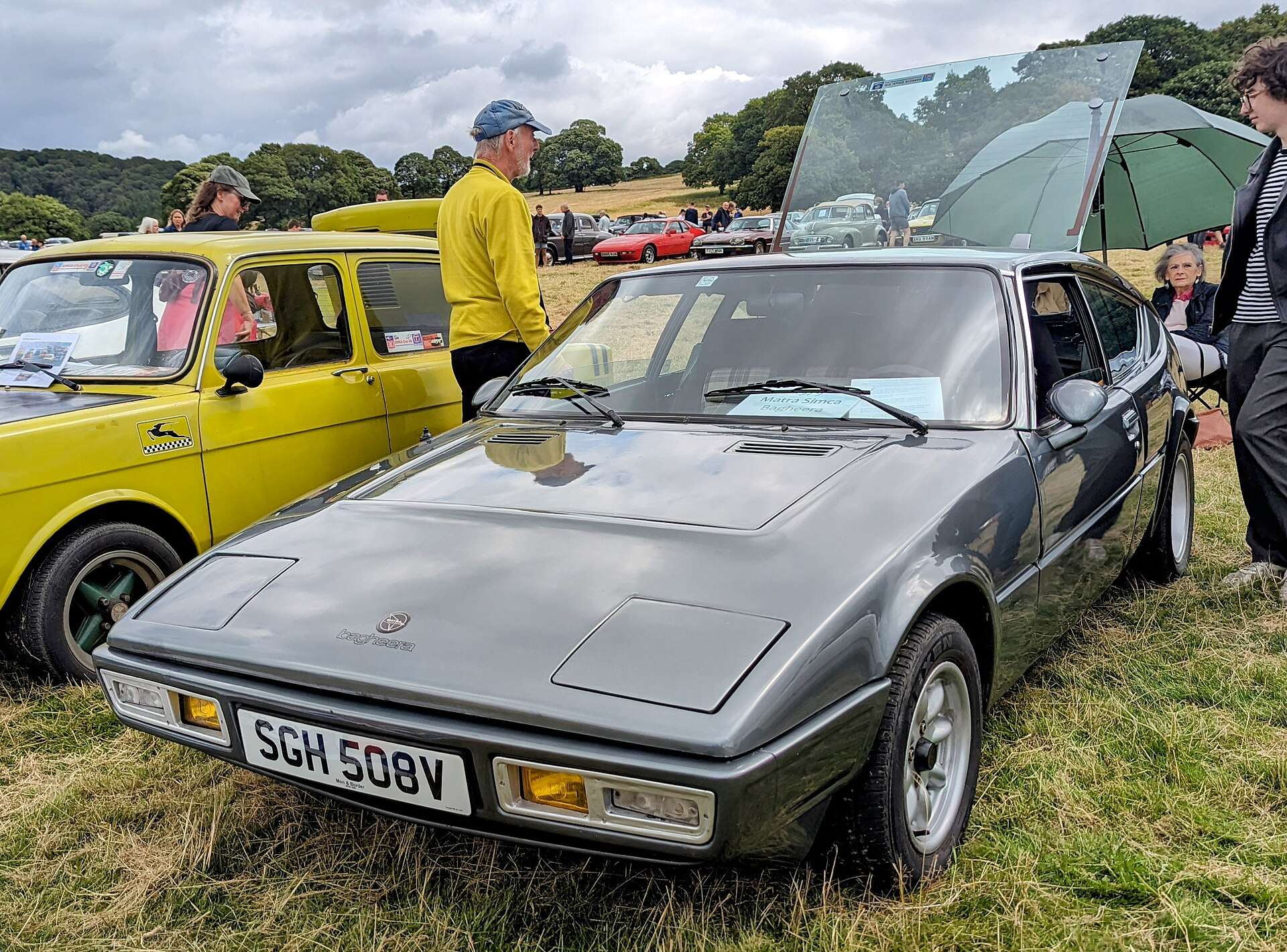
Featured image: 1979 Matra-Simca Bagheera coupe. Photograph by Calreyn88, CC BY-SA 4.0, via Wikimedia Commons; locally hosted.
Three abreast and mid-engined
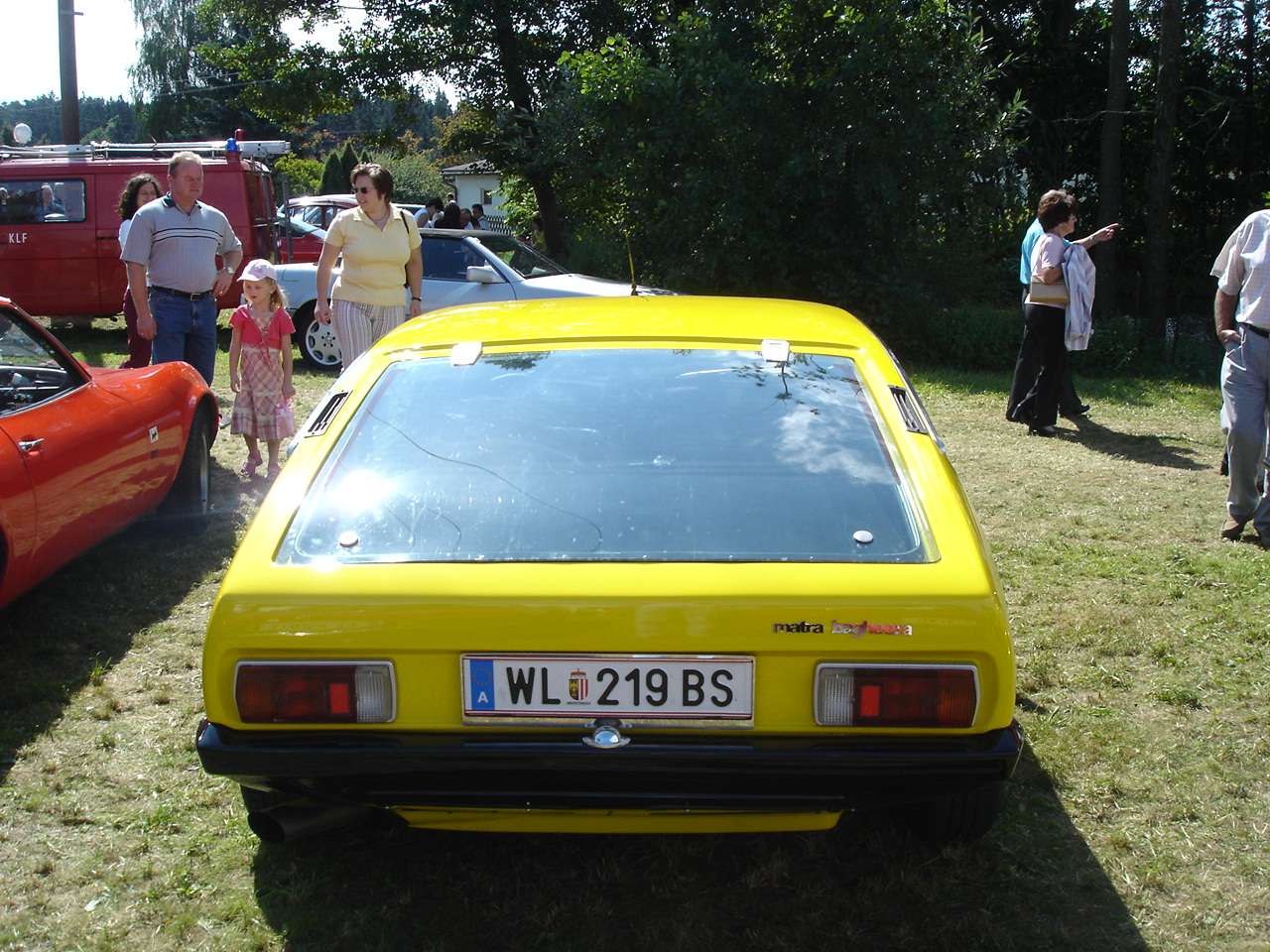
Philippe Guedon’s team at Matra wanted the intimacy of a sports car without limiting it to two occupants. The resulting 1+2 layout put the driver to the left and two passengers alongside. The transverse engine sat behind the cabin, leaving useful luggage space and giving the low wedge shape clean proportions.
Matra used Simca running gear to control cost. The original engine came from the 1100 Ti, while torsion-bar suspension and a light body helped the modest power feel lively. The car’s unusual construction combined a welded steel frame with non-structural glassfibre outer panels.

Models and UK history
| Phase | Engine | Key distinction |
|---|---|---|
| Early Bagheera | 1,294 cc | Original slim-bumper body and simpler cabin |
| Bagheera S | 1,442 cc | More torque and higher equipment level |
| Series 2 | 1,294 or 1,442 cc | Revised nose, tail, bumpers and glazing |
| Late Talbot-Matra | 1,442 cc | Five-speed gearbox on final specification |
Official UK imports began in summer 1976. Cars remained left-hand drive from the factory, but independent conversions were offered; the Matra Enthusiasts’ Club records at least 65. A converted car therefore needs especially careful examination of steering, pedals, dashboard, wipers and suspension balance.
Love cars you don’t see every day?
Get forgotten cars, surprising motoring stories and the most interesting finds from Unusual Cars by email.
Free to join. No spam. Unsubscribe whenever you like. See our privacy policy.
The remarkable cabin
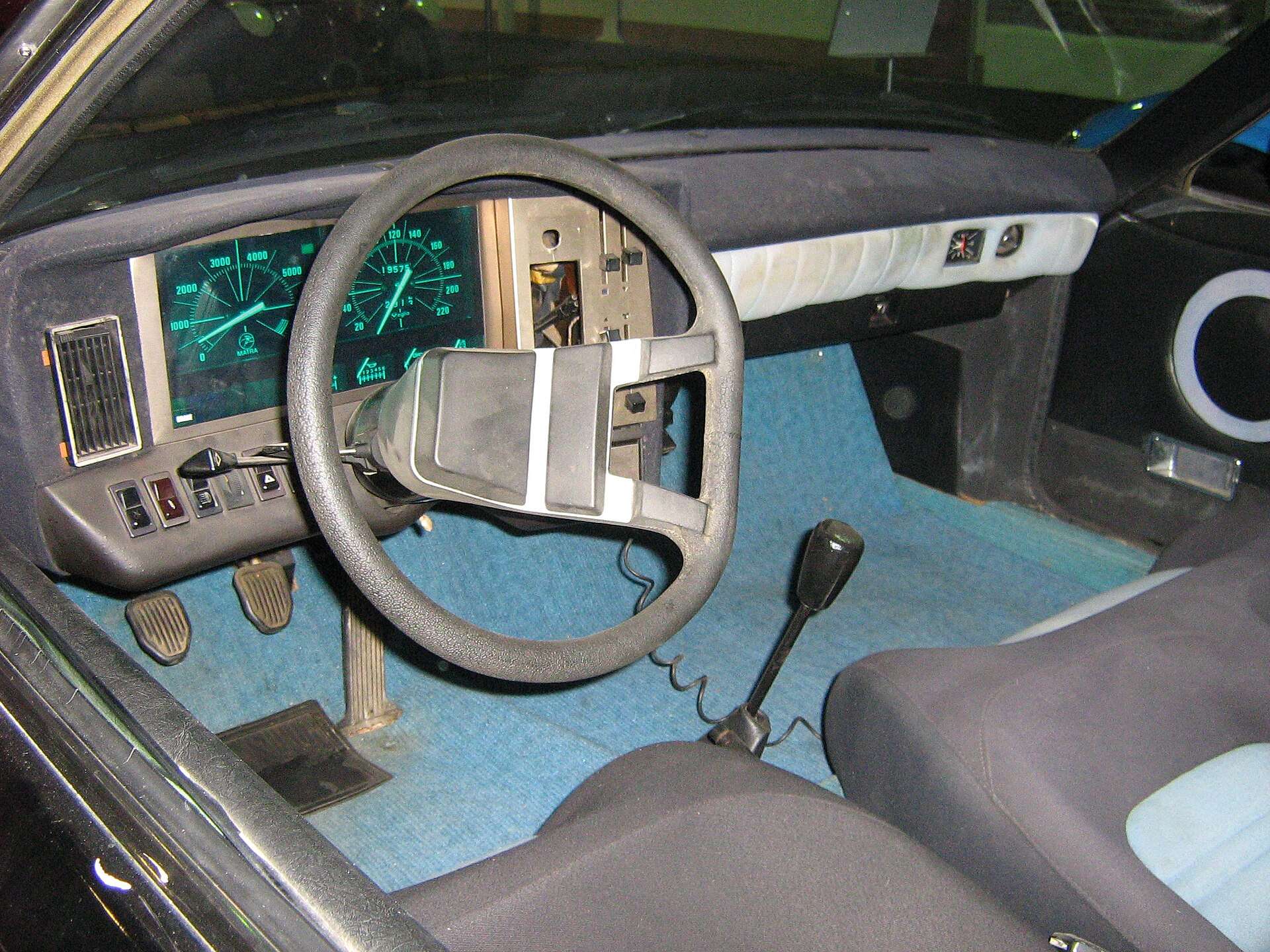
The wide bench-like arrangement is the Bagheera’s defining feature. The driver retains a separate seat while the two-passenger section is divided by shaping and belts. Switchgear, trim fabrics and mouldings are difficult to replace, so completeness matters greatly.
Check seat frames, belt mountings, dashboard, instruments, window mechanisms, ventilation and pop-up headlamps. Water leaks can damage the structure beneath carpets and trim. A right-hand-drive conversion should have secure mountings and properly engineered controls rather than improvised linkages.
Rust beneath the glassfibre
The outer panels do not rust, but the steel chassis can. Inspect the sills, floor, bulkheads, windscreen frame, suspension mountings, rear structure and every bonding seam. A shiny body can conceal extensive corrosion, and repairing the frame requires accurate alignment and specialist knowledge.
Cooling pipes run between the front radiator and rear engine. Check them, the radiator, water pump, hoses and fan. The engine should start cleanly without smoke or persistent overheating. Gear selection, clutch action, wheel bearings and brakes should all be assessed on a meaningful road test.

Buying and restoring a Bagheera
Establish the model, chassis number, engine and conversion history before agreeing a value. Original trim and glass are valuable, while incomplete projects can consume more than a finished car. Inspect invoices for chassis reconstruction and ask how alignment and corrosion protection were handled.
A strong club network supports these cars, but many parts require patience or cross-referencing with Simca models. The best Bagheera is structurally documented, mechanically sorted and complete. Its combination of three seats, light weight and mid-engined balance remains unlike almost anything else.
Research sources
- Hagerty UK: Matra-Simca Bagheera history
- Matra Enthusiasts' Club UK: Bagheera history
- Simca Talbot Club: Matra Bagheera
- Octane: Bagheera buying guide
Continue the Talbot story
The Bagheera joined Matra innovation to the Chrysler and Talbot dealer world. Explore the complete Talbot hub. Continue with the Talbot-Matra Rancho. Read the Talbot Sunbeam Ti guide.
Frequently asked questions
Was the Bagheera officially sold in Britain?
Yes. Official UK imports began in 1976 through selected Chrysler dealers, although factory cars were left-hand drive.
How many seats does a Bagheera have?
It has three seats arranged abreast, with the driver on the left and two passengers beside the driver.
Did the Bagheera have a Talbot badge?
The car began as the Matra-Simca Bagheera; final production adopted Talbot-Matra identity after PSA acquired Chrysler Europe.
What is the biggest Bagheera buying risk?
Severe corrosion in the hidden steel structure is the main risk because the glassfibre outer panels themselves do not rust.
Were right-hand-drive Bagheeras factory built?
No. UK right-hand-drive cars were independently converted, so the quality and documentation of the conversion must be checked.