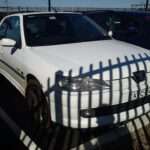
The F56 Cooper S moved MINI’s familiar hot-hatch formula to a different platform and a 2.0-litre turbocharged BMW-family engine. It offers a more modern ownership proposition than the earlier R56, but an affordable example can still need cooling, mounts, brakes and electronic repairs. This guide concentrates on the petrol three-door F56 Cooper S and explains which evidence matters before you buy.
Our buying verdict
We would choose a substantially standard car with a coherent invoice history, correct engine identity, dry cooling system, healthy mounts and a clean cold/hot diagnostic assessment. A well-maintained early manual can be better value than a newer car with deferred work. Choose the automatic only after identifying and testing the actual gearbox, and treat JCW styling as equipment rather than proof of a genuine John Cooper Works model.

Identify the right MINI generation and specification
F56 denotes the three-door hatchback in this generation. The related five-door hatch is F55 and the Convertible is F57. Clubman, Countryman, earlier R56 and newer cars should not be blended into one buying assessment simply because an advert says Cooper S. Confirm VIN, build date, engine, transmission and body style before comparing prices or ordering parts.
The F56 petrol Cooper S uses a 2.0-litre turbocharged four-cylinder B48-family engine, replacing the previous generation’s different 1.6-litre arrangement. Imported emissions variants and later revisions make VIN-based parts matching sensible. Do not apply an R56 timing-chain story, part number or repair price automatically to this car. Cooper SD is a diesel, while a 1.5-litre Cooper is a different powertrain.
| Choice | Why consider it? | What to verify |
|---|---|---|
| Early F56 Cooper S | Often the most accessible way into the generation. | Maintenance evidence, cooling, mounts and manufacturer campaign status by VIN. |
| Updated/facelift cars | Revised lighting, appearance and equipment can appeal. | Actual build specification; lamps and trim can be retrofitted. |
| Six-speed manual | An engaging option when clutch and selection are healthy. | Slip, take-up, pedal return, flywheel symptoms and all gears. |
| Automatic | Useful for regular traffic and daily use. | Exact gearbox and service needs: later units are not all the same as early automatics. |
| JCW styling or accessories | May improve appearance without changing basic model identity. | Build record, invoices, actual engine model and declared modifications. |
| Genuine JCW / GP | Separate performance and ownership propositions. | Do not use their brake, suspension, transmission or collector prices as standard Cooper S assumptions. |
Try the seat position and rear access before arranging a distant purchase. The F56 is a small hatchback, not a spacious family car. Larger wheels and firmer suspension can change its everyday comfort significantly. A modestly optioned car with suitable tyres and healthy standard suspension may be a better fit than a heavily accessorised example.
Check the equipment you want individually: navigation, smartphone connectivity, heated seats, parking assistance, adaptive suspension and panoramic roof are not guaranteed by a dealer’s pack description. A build list establishes original equipment; a demonstration establishes whether it still works. Keep retrofit invoices because wiring quality and software compatibility affect later diagnosis.
F56 prices: filter the classifieds carefully
A PistonHeads search for 2016 Cooper S cars, inspected on 4 November 2026, mixed three-door F56s with five-door hatches and Convertibles. Three-door petrol examples included a manual with 104,000 miles advertised at £6,495; a manual with 81,000 miles at £7,299; a manual with 66,963 miles at £8,295; an automatic with 67,023 miles at £10,335; and a manual with 59,350 miles at £8,998.
These are dated seller asking prices, not achieved transactions or a statistically complete valuation. Duplicate/sponsored displays and different body styles were not treated as additional comparable F56 evidence. Revisit the live search and confirm the actual vehicle, history, transmission and damage category before using a figure to negotiate.
The name-based Parkers search illustrated the risk: its initial 2014 Cooper S results included Countryman, Paceman, Clubman and diesel cars. Those can be legitimate adverts but are not direct F56 Cooper S comparisons. Use capacity, fuel, body, VIN and photographs to establish which car is being sold; an attractive headline alone is insufficient.
Make a first-year total covering inspection, service catch-up, tyres, brakes, mounts and any cooling or gearbox work. A seller’s recent service may be oil/filter only. Ask for a list of actual operations and invoices rather than treating a reset or stamp as proof of every fluid and wear item. Modifications and expensive packs do not automatically add their purchase cost to used value.

Bodywork, corrosion, water entry and history
Match the VIN and V5C to service invoices, establish the seller’s right to sell and check finance, theft and recorded damage. Compare MOT mileages and recurring advisories. A clear history report cannot exclude private accident repairs or poor modification work. Ask for repair photographs and an explanation of changed panels.
Inspect the car dry in daylight. Check bonnet and wing alignment, bumper fit, headlamp supports, door edges and paint texture. Look for overspray, disturbed fasteners and trim that has not been clipped back correctly. Low splitters, sill extensions and undertrays can hide impact damage on lowered cars.
On a lift, examine jacking points, sill seams, floor edges, suspension mounts, subframes, brake pipes and exhaust supports. Surface corrosion differs from weakened metal, damaged mounts or concealed repairs. Fresh coating is useful only when underlying preparation and condition are credible. Check inner wheel rims for cracks and previous welding as well as visible kerbing.
Feel the footwells and boot area for dampness. Inspect washer plumbing, seals and any panoramic-roof areas for evidence of leakage. A dried cabin or fresh fragrance does not establish that the source has been repaired. Water entry can create intermittent electrical faults; price diagnosis and any affected wiring rather than assuming a cheap seal alone will resolve it.
B48 cooling, engine mounts and drivetrain checks
Request a cold engine and inspect oil, coolant, hoses and leakage before starting. Listen for sustained abnormal noise, observe idle and warning-lamp self-tests, then scan stored and pending faults. Repeat the assessment after a normal warm drive and hot restart. A car warmed before arrival or recently cleaned underneath needs particular care in interpreting symptoms.
Cooling leaks need a proper source diagnosis. Inspect the thermostat/pump area, connections, turbo coolant plumbing and oil-filter/heat-exchanger housing area. Residue can collect away from the original leak. Pressure-testing and inspection after warm use may be necessary. An inexpensive seal or hose listing is not a complete repair estimate, especially where access requires substantial dismantling.
Ask whether the car has overheated and how any coolant loss was resolved. An unexplained warning or repeated top-up is not normal maintenance to ignore. Oil/coolant contamination, persistent smoke or pressure symptoms require expert investigation before buying. Correct filling, bleeding and subsequent testing matter as much as the replacement component.
Inspect engine and transmission mounts where start-up, lift-off or gear changes produce a clonk or excessive vibration. Establish which mount has failed and whether other components are contributing. Hydraulic mounts, lower torque restraints and polyurethane inserts are different items. A cheap insert cannot be assumed to replace a leaking or collapsed complete mount.
Lohen’s F-series upper-mount product is specifically an insert fitted within the existing factory mount. Its role and price must not be confused with an original-style replacement assembly and associated hardware. Stiffer mounts can also change vibration and comfort; identify modifications before deciding that unusual harshness is an engine fault or a desirable upgrade.
The B48 is chain-driven. Do not invent a routine timing-belt interval or transfer the previous R56’s maintenance reputation wholesale. Persistent timing noise, camshaft-related codes or a drivetrain warning still deserve diagnosis. A fault code identifies a system to investigate, not necessarily the single component to replace. Correct oil specification and documented changes are essential evidence.
Ask about oil top-ups over a known mileage and check for leaks around the upper engine and lower areas. Rough running can involve plugs, coils, ventilation/PCV faults, air leaks, fuel delivery or other causes. Scan and test appropriately rather than accepting a promise that a coil or software reset will cure everything. Compression or leak-down testing may be justified by symptoms and history.
Inspect turbo hoses, clamps, intercooler and any aftermarket intake/exhaust work. Warm acceleration should be consistent without repeated hesitation or warnings. Request the software identity, supporting hardware and installer invoices on a tuned car. Standard-looking parts do not prove standard calibration history. Missing emissions equipment and excessive noise can create insurance and reinstatement costs.
Test a manual’s clutch engagement, pedal return, slip, all gears and reverse, cold and hot. Diagnose flywheel-related noise, vibration or selection problems before pricing a friction-plate kit. On an automatic, identify the unit and test park-to-drive/reverse engagement, creeping, ordinary changes and warm behaviour. Fluid service, software and mechanical repair are separate possibilities; none should be promised as a cure without diagnosis.
Inspect suspension arms, bushes, springs, dampers, bearings and top mounts. Check adaptive functions where fitted. Four suitable tyres and accurate geometry matter more than a wheel-size claim. Inspect inner shoulders and wheel rims, test braking stability and look at both disc faces. Modified suspension needs an assessment of travel, clearance, installation and insurer acceptance.

Electronics, options and service records
Test both keys, central locking, windows, mirrors, wipers, horn and all lamps. Check seat adjustment, heating, belts and restraint warnings. On a three-door, test rear-access mechanisms and seat return. Compare visible wear with records rather than trying to establish mileage from a shiny steering wheel alone.
Let the centre display boot fully. Test controller, audio, Bluetooth, navigation and parking functions fitted, and pair your own phone. A newer-looking screen does not guarantee a factory installation or current phone compatibility. Obtain retrofit details and check for warning messages after a normal drive.
Read the service display alongside itemised invoices. Retrospective digital entries and resets should be supported by evidence of dates, mileage and work. Confirm any remaining service package by VIN and its terms rather than accepting that a previous owner’s package transfers automatically.
Test air conditioning properly and confirm refrigerant from the label. A regas cannot fix every leak or failed component. Inspect damp areas before diagnosing intermittent electrics. Battery replacement needs the correct specification and any registration required; ask for a charging test where starting or warnings are inconsistent.
Maintenance, alternators and B48 parts
The figures below are editorial planning allowances for parts only, unless a fitted service is explicitly identified. They are not live eBay quotes: brand, specification, availability, delivery and VAT treatment vary. Obtain a registration/VIN-matched written estimate before committing to a repair. Cheap search results can include incompatible parts, deposits or single components rather than a complete kit.
Affiliate disclosure: the parts searches below use our eBay affiliate campaign. We may earn a commission if you buy, at no additional cost to you. Search results are not a recommendation of every seller or product; verify fitment, maker, returns and warranty.
| Maintenance item | Parts allowance / search | What to check |
|---|---|---|
| Oil and filter materials | £55–£110 | Confirm the required BMW/MINI approval for the actual build. |
| Spark plugs, four | £35–£80 | Correct heat/type and calibration requirements. |
| Air and cabin filters | £25–£60 | Check kit contents and intake modifications. |
| Alternator | £180–£380 | Match output, connector, pulley and exchange deposit. |
| Upper hydraulic engine mount | £110–£250 | Complete assembly, not a polyurethane insert; hardware and labour separate. |
| Auxiliary belt/tensioner | £70–£160 | Not a timing-belt service. |
| Cooling components | £140–£320 | Diagnosis and exact component/revision determine scope. |
| Oil-filter/heat-exchanger housing | £160–£350 | Confirm what is supplied, seals, coolant and access labour. |
| Front discs/pads/sensor | £130–£290 | Match Cooper S hardware, not a generic JCW upgrade kit. |
| Manual clutch components | £180–£350 | Flywheel, release parts and gearbox-removal labour can add materially. |
Observed fitted prices on 4 November 2026: The Mini & BMW Specialist’s F56 Cooper S page listed oil/filter at £198; oil/filter plus air and cabin filters and a vehicle check at £300; and a petrol package adding plugs at £450. It stated that parts, labour and VAT were included. Front discs, pads and sensor were listed at £420. Confirm current applicability to your registration and exact brake specification directly.
For comparison of scope, Lohen’s upper-mount insert was advertised at £45, but it is an upgrade insert for the existing mount, not a complete failed-mount replacement. The table’s hydraulic-mount allowance refers to a different item. This distinction prevents a cheap search result being mistaken for the full repair cost.
Use MINI’s VIN-specific schedule and condition-based service requirements, with a tailored plan for hard use. Record oil approval, dates, mileages, plugs and fluid work. A personal preference for annual oil changes should be identified as preventive ownership practice rather than represented as every car’s factory interval. Later transmissions and emissions revisions can change parts and fluid requirements.
Hidden costs that change the buying decision
| Often missed | Budget implication |
|---|---|
| Mount versus insert | A cheap insert is not a complete hydraulic mount. Diagnose the failed component and include hardware and labour. |
| Cooling-system access | A modestly priced part can need substantial dismantling, coolant and follow-up testing. |
| Options and retrofits | Adaptive dampers, lamps, keys, panoramic-roof repairs and infotainment can outcost basic consumables. |
| Transmission identity | A generic automatic-service kit may be wrong. Match the exact unit and separate maintenance from fault repair. |
| Tyres and alignment | Larger or modified wheels change tyre cost and comfort. Include geometry and wheel-damage assessment. |
| Software and insurance | Declare all modifications and obtain current registration-specific insurance/tax costs before purchase. |
Add known first-year work to the asking price and retain contingency afterwards. Do not spend the reserve on styling before proving the engine, cooling and drivetrain. A good F56 can be a sensible daily enthusiast car, but it remains a complex performance hatch rather than a guarantee of inexpensive repairs at every mileage.

MINI F56 Cooper S viewing checklist
- Confirm F56 three-door, 2.0 petrol engine, VIN, transmission and original equipment; exclude R56, diesel and other-body comparisons.
- Read itemised invoices, MOT trends and digital history together, and ask MINI to confirm outstanding campaigns/recalls for the VIN.
- Check finance/damage history and seller identity before a financial commitment.
- Inspect cold, scan codes and assess hot restart, idle, smoke, coolant loss and normal warm acceleration.
- Check upper/lower mounts, cooling connections, filter/heat-exchanger housing area and any prior overheating repair.
- Test manual clutch/gears or identify/test the automatic cold and hot.
- Lift the car for structure, leaks, wheels, tyres, suspension, brakes and emissions equipment; inspect damp footwells and boot.
- Test both keys and all options, document modifications, confirm insurance and price the complete first-year repair list.
MINI Cooper S F56 buying questions
Is the F56 Cooper S engine the same as the R56?
No. The F56 petrol Cooper S uses a different 2.0-litre B48-family powertrain. Earlier 1.6-litre R56 advice and parts must not be applied automatically.
Is a JCW body kit proof of a John Cooper Works model?
No. Check the build record and engine identity. Styling accessories, brakes and software can be changed independently.
Does the F56 need a routine timing-belt kit?
The B48 is chain-driven. Investigate timing noise or codes, but do not invent a belt interval or buy a generic older-MINI timing kit.
Can a cheap mount insert cure a failed mount?
Do not assume so. An insert works within an existing assembly and is not equivalent to a complete hydraulic-mount replacement. Diagnose the actual failed part and check comfort implications of stiffer upgrades.
Manual or automatic: which should I buy?
Choose for your use and the condition of the specific car. Test a manual’s clutch/flywheel and identify the automatic before assessing service needs; not every F56 automatic uses the same unit.
Sources and research method
Checked 4 November 2026. No physical inspection or road test was undertaken. Asking examples are seller advertisements, not achieved values, and are filtered in the text to three-door petrol F56s. Parts allowances are editorial estimates; observed workshop packages and the mount insert are separately identified offers. No failure-rate percentages or guaranteed repair intervals are claimed.
- The Mini & BMW Specialist: F56 Cooper S service menu — B48 model identity and observed VAT-inclusive service packages. Individual diagnosis and oil specification require car-specific confirmation.
- Lohen: F-series upper-mount insert — first-party description and observed price establish the difference between an insert and complete replacement mount.
- PistonHeads: 2016 Cooper S advertisements — dated three-door examples, excluding other body styles and duplicated displays from comparisons.
- GOV.UK: MOT history and vehicle recalls — official checks alongside a MINI VIN enquiry. A clear recall result does not establish mechanical condition.
Photos are licensed examples rather than the sampled advertisements. Sources and reuse terms appear beside each image; foreign-market equipment and modifications can differ. No photographer endorses the guide.