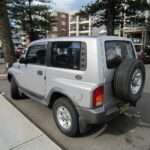
The first-generation SsangYong Rodius may be remembered for its controversial styling, but it was also one of Britain’s roomiest and best-value seven-seat vehicles. At more than five metres long, it offered genuine adult space, a useful boot and Mercedes-derived diesel power for thousands less than many rival MPVs.
Official UK sales began in 2005. Its looks ensured instant notoriety, yet the Rodius deserves a more balanced assessment as an exceptionally practical and increasingly rare family workhorse.
Design and UK launch
The Rodius was styled under British designer Ken Greenley. Its stepped roof, towering rear body and yacht-inspired themes were intended to disguise enormous interior volume. British reviews were often unkind, but the unusual shape allowed seven seats and substantial luggage room in the UK configuration.
The range used S, ES, SE and EX-style trim designations at different times. Rear-wheel-drive versions were joined by four-wheel-drive models, while a 2008 facelift softened the front and rear styling. The first generation continued until its replacement in 2013.
Engine and specifications
| Feature | UK specification |
|---|---|
| Engine | 2.7-litre five-cylinder Xdi turbodiesel |
| Output | Approximately 163-165bhp and 340Nm |
| Gearboxes | Five-speed manual or five-speed automatic |
| Drive | Rear-wheel drive; selectable/automatic 4WD on higher versions |
| Seats | Seven in official UK models |
| Length | Approximately 5.12 metres |
Period tests recorded 0-62mph in roughly 13.5-14.5 seconds. Official combined economy varied by transmission and drive system, but real-world figures around the mid-to-high 20s mpg are more realistic than expecting a modern diesel MPV.
Space and practicality
Space is the Rodius’s strongest argument. Unlike many seven-seaters, it can carry passengers without reducing the luggage area to a token slot. Seats slide and fold to create numerous layouts, and the wide, high cabin works well for large families, airport transfers, mobility conversions or leisure use.
The drawbacks are equally obvious. It is long and wide, the turning circle demands planning and early parking sensors are no substitute for a modern camera. The dashboard places instruments centrally, which divides opinion.
What is it like to drive?
The 2.7 diesel supplies useful low-speed torque but sounds agricultural and becomes strained at high revs. The automatic suits the vehicle’s relaxed purpose, though it can make acceleration feel even slower. Soft suspension creates body roll and pitching, while steering offers little feedback.
On a steady motorway run the Rodius makes more sense: the seating position is commanding, the engine settles and the cabin absorbs people and luggage with ease.
SsangYong Rodius common problems
- Injectors and fuel system: check for difficult starting, smoke, uneven running, diesel leaks and injector sealing problems.
- Automatic gearbox: require clean engagement and smooth changes from cold. Warning lamps, flaring or thumps need specialist investigation.
- Cooling system: inspect radiator, coolant tank, thermostat and hoses. Never dismiss overheating evidence.
- Electrical accessories: test central locking, every window, climate control, dashboard displays, parking sensors and rear ventilation.
- Suspension: the Rodius is heavy; bushes, ball joints, wheel bearings, springs and dampers can wear.
- Air conditioning: a large cabin needs an effective system. Confirm front and rear cooling rather than accepting that it merely needs a recharge.
Rust, body and interior
Inspect the chassis and underbody around suspension mounts, crossmembers, brake pipes and fuel lines. Check sills and floor edges, particularly on cars used for towing or coastal transport. A towbar should be secure and professionally wired.
Inside, confirm all seat runners, folding mechanisms and belts operate correctly. Trim pieces are model-specific and used replacements can be hard to find. Damp carpets may point to blocked drains, seal failures or previous body repairs.
Servicing and ownership costs
The Mercedes connection helps explain the basic engine architecture, but parts must be identified as SsangYong items. Specialist support is valuable for diagnostic, injector and transmission work. Look for regular oil changes plus evidence that gearbox, differential, transfer and cooling fluids have been maintained.
Fuel, tyres, brakes and high road tax are significant. Against that, purchase prices remain low and no normal MPV offers quite the same mixture of space, towing ability and eccentricity.
Which Rodius should you buy?
Choose on condition. A rear-wheel-drive manual is mechanically simpler, but the automatic is easier to live with and four-wheel drive helps towing on slippery ground. A later facelift may be easier to accept visually, yet an early, complete car is the stronger rare-and-forgotten curiosity.
Frequently asked questions
How many seats does a UK SsangYong Rodius have?
Official UK versions have seven seats. Other markets offered layouts with more seats.
Is the Rodius reliable?
The basic engine can cover high mileages, but neglected injectors, cooling systems, electronics and transmissions can make a cheap example expensive. History and condition are crucial.
Was it really designed in Britain?
Its styling was led by British designer Ken Greenley, who had previously worked on other SsangYong models.