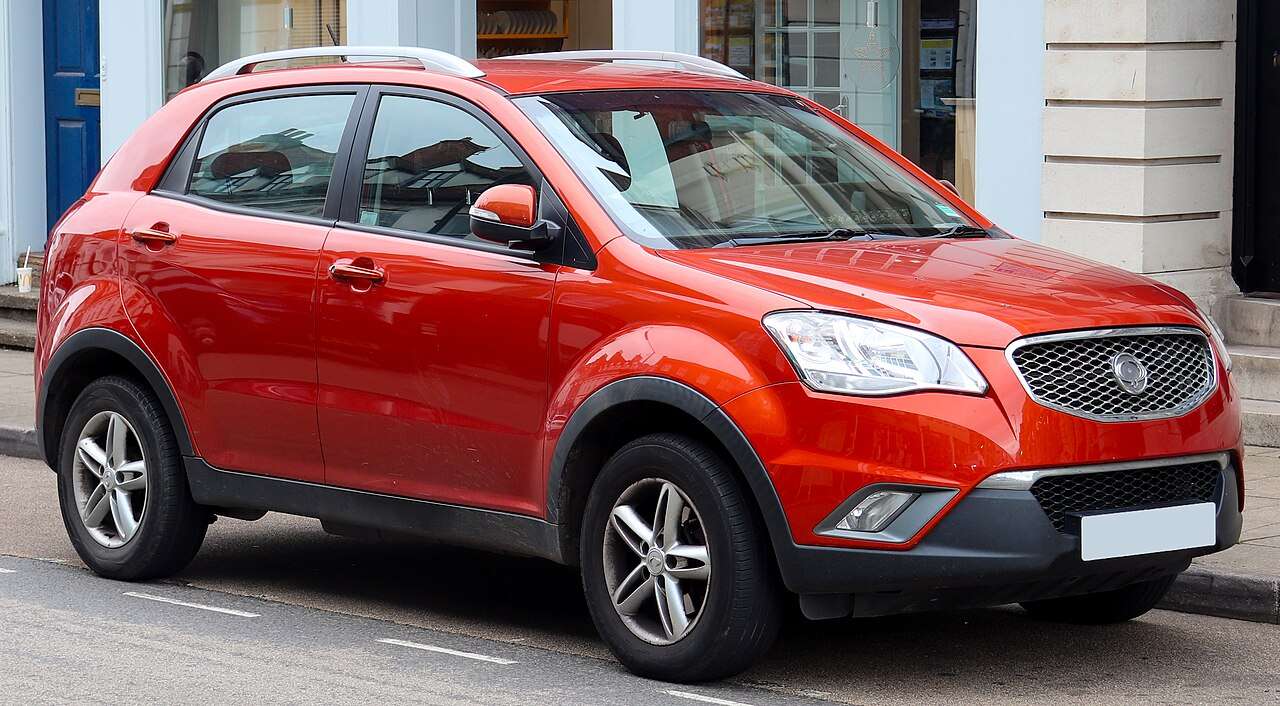
The 2011 SsangYong Korando was the model that moved the Korean company into the modern crossover market. Often called the Korando C to distinguish it from the earlier body-on-frame KJ, it used a monocoque body, contemporary Giugiaro styling and front-wheel drive on many versions.
In Britain it appealed through strong diesel torque, generous equipment, a long warranty and useful towing ability. Values are now low, but the best cars remain practical family SUVs. Poorly maintained examples can be expensive, so history and diagnosis matter.
UK history
The third-generation Korando reached UK showrooms in 2011. It replaced the old-school KJ with a much more conventional five-door layout and helped relaunch SsangYong as a credible value brand. Early cars used a 2.0-litre e-XDi diesel, with front- or four-wheel drive and manual or automatic transmission depending on trim.
Equipment and styling were revised during the model’s life. A later 2.2-litre Euro 6 diesel brought more power and cleaner emissions, while the cabin and front-end design were refreshed. The Korando C remained on sale until the all-new fourth-generation Korando arrived in 2019.
Engines and UK specifications
| Version | Approximate output | Notes |
|---|---|---|
| 2.0 e-XDi | 149bhp or around 173–175bhp | Early and mid-life cars; check exact trim |
| 2.2 e-XDi | About 178bhp | Later Euro 6 model |
Six-speed manual and automatic gearboxes were offered. Front-wheel-drive versions are simpler and generally more economical; four-wheel-drive cars suit towing and slippery conditions. Maximum braked towing capacity on suitable versions reached around 2,000kg, but confirm the plated figure for the individual car.
Driving and practicality
The Korando prioritises comfort and value rather than sharp handling. The ride is generally compliant, the driving position is high and the diesel engines provide useful mid-range pull. Road and engine noise are more noticeable than in the best contemporary rivals, particularly on early cars.
The rear floor is usefully flat and the cabin is spacious for the footprint. Rear seats fold to extend the load bay, although boot finish and interior plastics reflect the value positioning. Test the air conditioning, infotainment, reversing camera, heated seats and every electrical feature fitted to the chosen trim.
SsangYong Korando C common problems
- DPF and EGR: diesel particulate filter warnings, regeneration problems and EGR contamination are more likely on cars used mainly for short trips.
- Engine oil and servicing: verify the correct oil was used and that intervals were not stretched. Investigate smoke, rattles or oil-level concerns.
- Clutch and dual-mass flywheel: vibration, judder, slipping or a high bite point can precede an expensive repair on manual cars.
- Automatic gearbox: check for smooth engagement and changes when cold and hot, with evidence of appropriate fluid servicing.
- Four-wheel drive: inspect the propshaft and coupling and listen for vibration or rumbling. Confirm there are no AWD warning lights.
- Parking brake: make sure it holds securely and releases evenly; cables and rear-brake mechanisms can need attention.
- Suspension: knocks may come from anti-roll-bar links, bushes or ball joints. Uneven tyre wear suggests geometry or worn components.
- Electrics: weak batteries can create multiple warnings, but persistent lights should be diagnosed rather than simply cleared.
Bodywork and rust
Serious structural corrosion is less common than on older body-on-frame SsangYongs, but inspect the front and rear subframes, suspension mounting areas, brake pipes and the underside around plastic shields. Check the tailgate, door edges and wheelarches for paint damage and bubbling.
Look for poor accident repairs and mismatched paint. Four-wheel-drive cars used for launching boats or rural work deserve closer examination, especially around the rear underbody and towing equipment.
Towing and ownership checks
A Korando with a towbar should have a particularly strong service record. Inspect the clutch, cooling system, rear suspension, tyres and trailer electrics, and ask what weight it regularly pulled. The legal towing limit is not a guarantee that a neglected car remains suitable.
Parts support is generally better than for earlier SsangYongs, but trim and electronic modules can still take time to source. Obtain insurance quotes and identify a knowledgeable independent specialist before buying.
Buying verdict
The front-wheel-drive manual is the straightforward choice for ordinary family use, while the later 2.2 is attractive for towing. Buy on maintenance, warning-free operation and condition. A fully documented car is worth paying more for than a low-mileage example with an unclear history.
Frequently asked questions
Is the 2011 Korando the same as the old Korando?
No. The Korando C is a monocoque crossover, whereas the earlier KJ used separate-chassis 4×4 construction.
Can a Korando C tow a caravan?
Many UK versions are rated to tow a braked trailer of up to around 2,000kg. Always check the VIN plate, handbook and licence rules for the specific car and trailer.
Which engine is best?
The 2.0 is plentiful and capable, while the later 2.2 offers more torque and Euro 6 emissions equipment. Condition and service history are more important than the nominal specification.