Unusual Cars model guide
Lancia Flavia Coupé, Convertible and 2000
Lancia’s technically adventurous boxer-engined grand-tourer family, clothed by Pininfarina, Vignale and Zagato.

Quick answer: The Flavia family was sold in Britain in right-hand-drive form and combined front-wheel drive, an aluminium flat-four engine and four-wheel disc brakes years before such engineering became commonplace. The elegant Pininfarina Coupé, Vignale Convertible and later Lancia 2000 and 2000 HF are the most relevant grand-touring versions.
Lancia Flavia and 2000 history in the UK
The Flavia saloon appeared in 1960, with production beginning in 1961. Its compact all-alloy boxer engine sat ahead of the front wheels, keeping the centre of gravity low, while Dunlop disc brakes were fitted all round. Lancia’s engineering was conservative in finish but radical in layout.
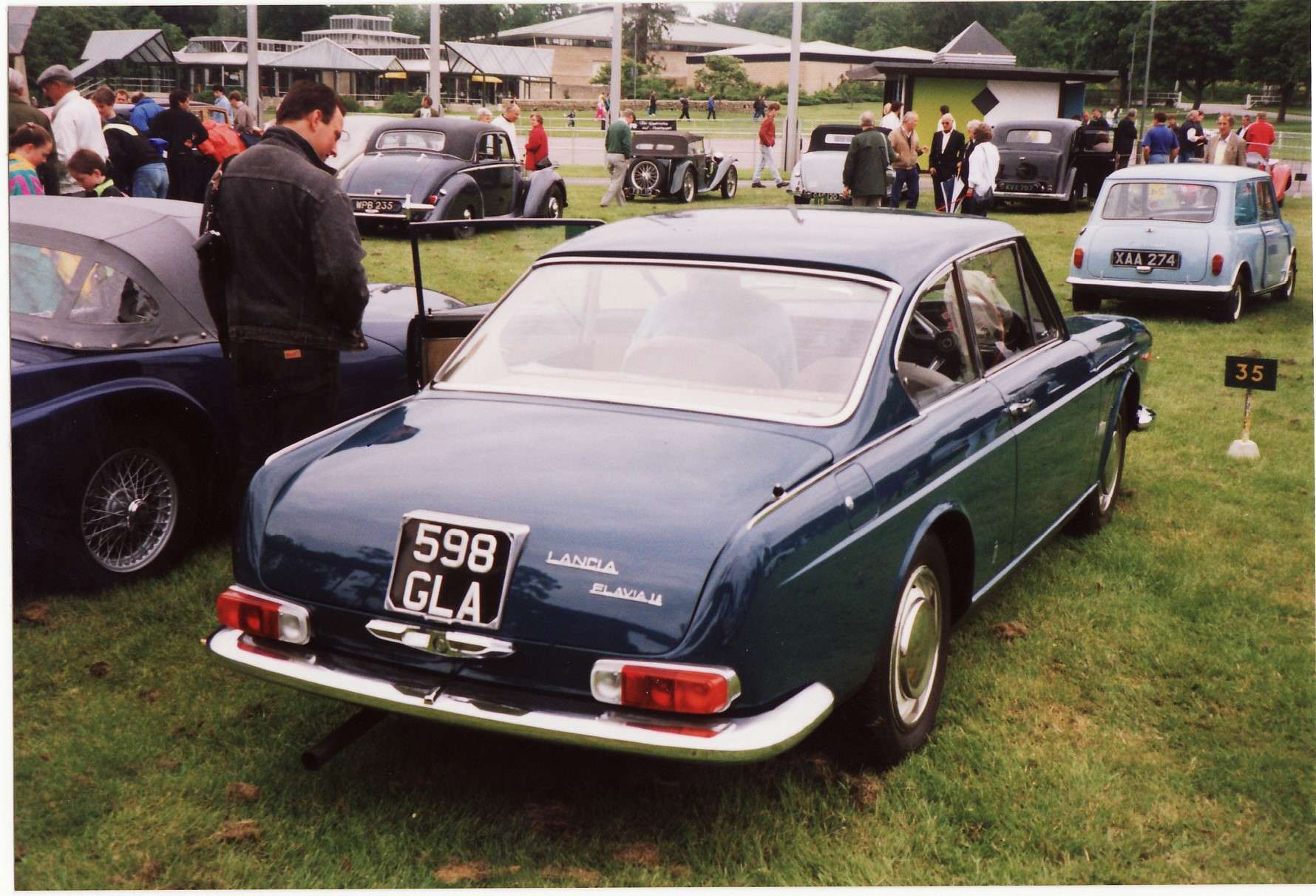
Pininfarina transformed the platform into a low, clean Coupé, Vignale produced the rare Convertible and Zagato supplied an aerodynamically adventurous lightweight Sport. Capacity grew from 1.5 litres to 1.8 litres and ultimately 2.0 litres, with carburettor and fuel-injected versions offered at different times.
After Fiat took control, the range evolved into the Lancia 2000. The Coupé retained its Pininfarina shape but gained a five-speed gearbox and a more conventional nose. The fuel-injected 2000 HF produced about 125 bhp and could approach 120 mph. Genuine UK-market right-hand-drive cars were sold, including a small number of Vignale Convertibles; provenance is therefore as important as specification.
Lancia Flavia Coupé and 2000 specifications
| Years | Flavia 1961–1971; 2000 to 1974 |
|---|---|
| Engines | 1.5, 1.8 and 2.0-litre aluminium flat-fours |
| Power | Approximately 78–126 bhp depending on version |
| Transmission | Four-speed manual; five-speed on the 2000 |
| Drive | Front-wheel drive |
| Body styles | Berlina, Pininfarina Coupé, Vignale Convertible and Zagato Sport |
Lancia Flavia buying guide: common problems
- Identity and provenance: verify chassis type, coachbuilder, engine, original handedness and UK supply history.
- Structure: inspect sills, floors, front subframe, suspension pick-ups, boot and windscreen surrounds.
- Flat-four engine: check oil pressure, cooling, head sealing, carburettor or injection setup and evidence of specialist maintenance.
- Brakes: seized callipers, deteriorated hoses and neglected hydraulic components can be expensive to resolve properly.
- Transmission: listen for differential and bearing noise and test every synchromesh carefully.
- Coachbuilt parts: glass, trim, brightwork, lamps and body panels may be extremely difficult to replace.
Flavia Coupé, Convertible and Lancia 2000 differences
The Lancia Flavia Coupé was styled and built by Pininfarina, while the open Flavia Convertible was produced by Vignale and the lightweight Sport by Zagato. The later Lancia 2000 developed the same basic front-wheel-drive, flat-four formula with a two-litre engine, richer trim and, in Coupé form, a five-speed gearbox. The fuel-injected 2000 HF Coupé is the performance flagship, but a correct earlier 1.8 Coupé or rare Vignale Convertible can be equally desirable. Because coachbuilt panels and trim differ, buyers should identify the exact variant before ordering parts or comparing prices.
Parts availability and specialist ownership
Routine ownership is manageable with club and specialist support, but this is not a classic to buy incomplete. Unique glass, brightwork, lights, dashboard pieces and coachbuilt panels may take a long time to find. The aluminium boxer engine rewards correct coolant, clean oil and careful tuning; poor running is sometimes blamed on carburettors when ignition, compression or air leaks are the real cause. Four-wheel disc brakes were advanced for the period, yet seized callipers and neglected hydraulics can make recommissioning expensive. A pre-purchase inspection by someone familiar with Flavia and 2000 models is strongly recommended.
Lancia Flavia and 2000 FAQs
Was the Lancia Flavia sold in the UK?
Yes. Right-hand-drive Flavias and later Lancia 2000s were sold in Britain, including Coupés and a small number of Convertibles.
Who designed the Lancia Flavia Coupé?
Pininfarina designed and built the elegant Coupé. Vignale was responsible for the Convertible, while Zagato created the more competition-focused Sport.
What engine does a Lancia Flavia use?
Flavias use an aluminium flat-four, or boxer, engine in 1.5, 1.8 and 2.0-litre forms depending on year and version.
What should I check before buying a Flavia Coupé?
Confirm identity and provenance, then inspect the shell and front structure, engine oil pressure and cooling, brake hydraulics, gearbox and differential noise, and the completeness of model-specific trim.
Verdict
A sound Flavia or 2000 is one of the most individual ways into a 1960s or early-1970s Italian grand tourer. The engineering is fascinating and the UK connection is genuine, but rarity makes specialist inspection and documentary evidence essential.
Research basis: Stellantis Heritage, the UK Flavia 2000 Consortium, period specifications and documented right-hand-drive UK cars.