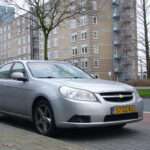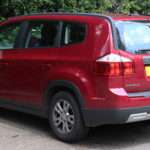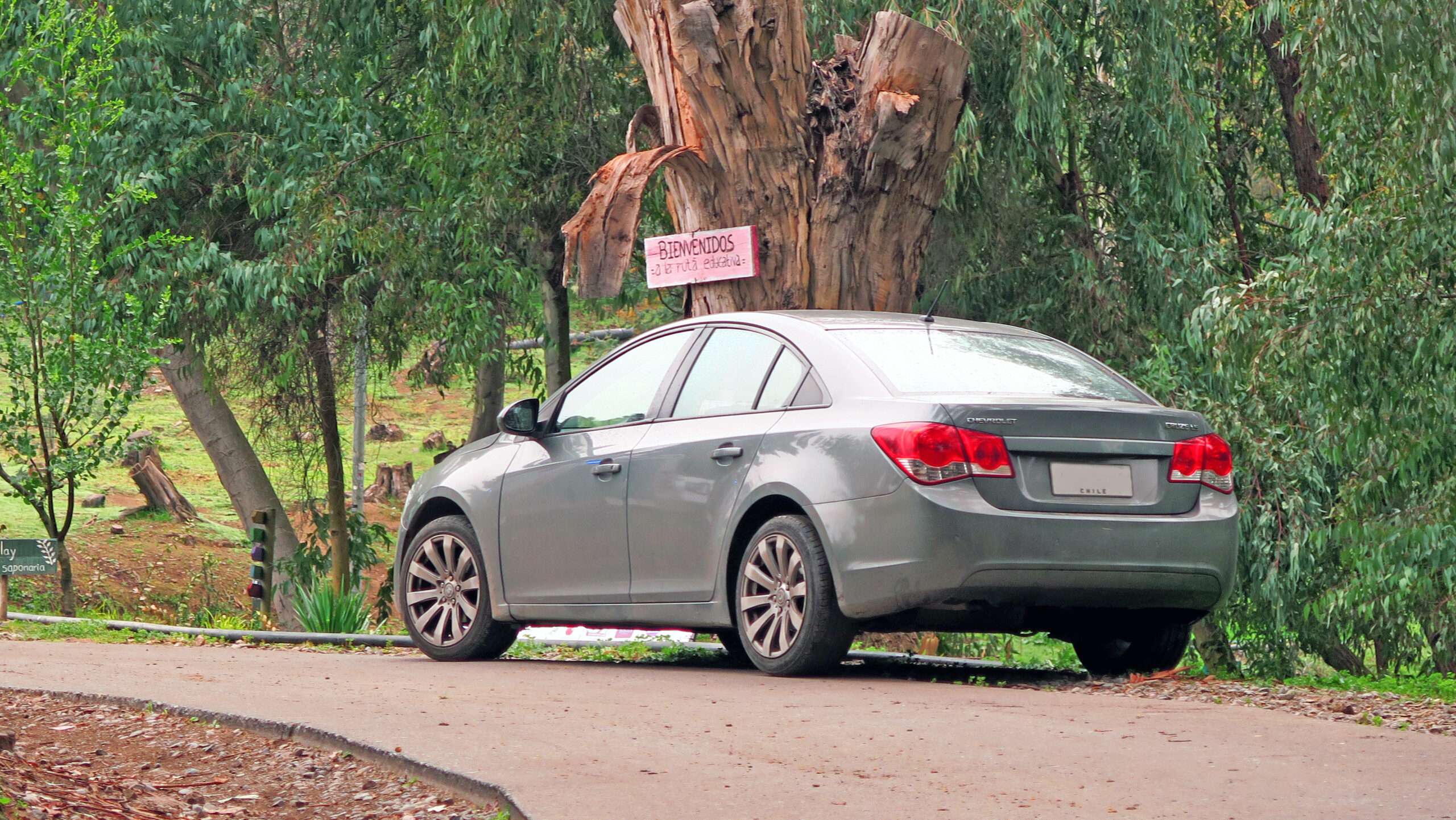
The Chevrolet Cruze was the model intended to make modern Chevrolet a mainstream European brand. Sold in Britain as a saloon, five-door hatchback and estate, it shared GM engineering with the Vauxhall Astra while undercutting many rivals on price and equipment.
Chevrolet’s European retreat left the Cruze without a conventional dealer network and used values fell sharply. That makes it an interesting, increasingly uncommon family car, but buyers must check emissions systems, transmissions, steering, recalls and model-specific parts carefully.
Chevrolet Cruze UK history
The four-door Cruze arrived in Britain in 2009, replacing the Lacetti saloon and sitting below the Epica. It brought a more substantial design, a five-star Euro NCAP result and a choice of petrol and diesel engines. A five-door hatchback followed in 2011, with the Station Wagon estate joining later.
LS, LT and LTZ trims offered increasing levels of equipment. Chevrolet’s five-year ownership package strengthened the value proposition, but the brand announced its withdrawal from mainstream Western European sales in late 2013. UK registrations effectively ended during 2014, although some cars were sold or registered later.
UK engines and specifications
| Engine | Typical output | Notes |
|---|---|---|
| 1.6 petrol | About 113–124PS | Simple and common, but modest performance |
| 1.8 petrol | About 141PS | Stronger performance; some automatics |
| 2.0 VCDi | About 125, 150 or 163PS | Strong torque; specification varies by year |
| 1.7 VCDi | About 130PS | Later economy-focused diesel |
Exact outputs changed during the model’s life, so verify the VIN and registration rather than relying on a seller’s description. Manual and automatic gearboxes were offered. The hatchback is the most versatile everyday body, while the estate provides the strongest load-carrying case and the saloon is now the most distinctive.
Driving and practicality
The Cruze feels solid and stable but is not especially entertaining. Steering lacks feedback and some versions ride firmly, particularly on larger wheels. The diesels provide useful motorway torque, while the naturally aspirated petrol engines need revs when fully loaded.
Cabin space is competitive for the period and equipment levels are generally good. Interior plastics mark easily, so compare wear with the claimed mileage. Check the boot for water, damaged trim and a complete spare-wheel or inflation kit.
Chevrolet Cruze common problems
- Power steering leaks: inspect the pump, pipes and rack area, check the fluid level and listen for groaning or stiffness at parking speeds.
- Automatic gearbox: test every ratio when cold and hot. Delayed Drive or Reverse, harsh shifts, slipping or a selector stuck in Park need diagnosis.
- Clutch and dual-mass flywheel: diesel manuals can develop judder, vibration, rattling or slipping under load.
- DPF and EGR: short-trip diesel use can cause warning lights, failed regeneration, hesitation and limp mode.
- Cooling system: inspect the thermostat housing, water pump, hoses and expansion tank for coolant loss or staining.
- Suspension: worn links, bushes and dampers cause knocks and uneven tyre wear.
- Electrical faults: test the brake-pedal switch, windows, locking, infotainment, air conditioning and all warning lamps.
- Oil and emissions leaks: read the MOT history for repeated advisories rather than judging only the latest pass.
Driveshaft and recall checks
Some 1.8-litre cars, particularly around the 2011 period, were affected by concerns about corrosion or fracture of a front driveshaft. Other campaigns may apply by model year. Ask a manufacturer-authorised repairer or knowledgeable GM specialist to check the VIN and request evidence of completed work.
On the test drive, listen for clicking on full lock, vibration under acceleration or clunks when taking up drive. Inspect both front shafts and their boots for corrosion, damage and leaking grease.
Bodywork and rust
Check front and rear subframes, brake pipes, suspension mounts, sills and the underside around plastic shields. Examine door edges, wheelarches and the tailgate or boot lid for bubbling. Poor accident repairs are a greater concern than light cosmetic damage because replacement panels and lamps are not always readily available.
The estate and hatchback should be checked for blocked rear drains and water around the spare-wheel well. Confirm every body seal and load-cover component is present.
Parts and servicing
The Cruze shares its basic platform with the Astra J and several engines have GM relatives, which helps with routine mechanical parts. However, not every Vauxhall component fits, and Chevrolet-specific electronics, trim and bodywork can require breakers or overseas suppliers.
Look for correct oil, timing-belt or chain maintenance as applicable, coolant and brake-fluid changes, plus gearbox-fluid evidence. A diesel’s history should show regular longer journeys rather than exclusively low-mileage urban use.
Buying verdict
A manual petrol Cruze is the uncomplicated choice for low annual mileage. The 1.7 or 2.0 diesel suits regular motorway use if emissions equipment and clutch are healthy. Buy on history, MOT pattern and parts completeness—not simply because it appears cheaper than an Astra or Focus.
Frequently asked questions
Is the Chevrolet Cruze related to the Vauxhall Astra?
Yes. It shares GM’s Delta platform with the Astra J, although bodywork, tuning and many model-specific components differ.
Which Cruze body styles were sold in the UK?
British buyers were offered a four-door saloon, five-door hatchback and Station Wagon estate.
Why did Chevrolet stop selling the Cruze in Britain?
General Motors withdrew Chevrolet’s mainstream passenger-car range from Western Europe, ending UK sales despite the Cruze continuing in other markets.