UNUSUAL CARS MODEL GUIDE
The Subaru Impreza Turbo 2000 was the car that made British drivers understand Subaru. Introduced here in 1994, it combined a compact four-door or estate body with a turbocharged flat-four, permanent four-wheel drive and acceleration that embarrassed many established sports cars.
Quick answer: UK Turbo 2000 models use a 1,994cc EJ20 turbo engine, five-speed manual gearbox and four-wheel drive. Early cars produced about 208bhp; later facelift cars reached roughly 215–218bhp, while official Prodrive Performance Pack conversions delivered around 240bhp.
The British-market Impreza that changed Subaru
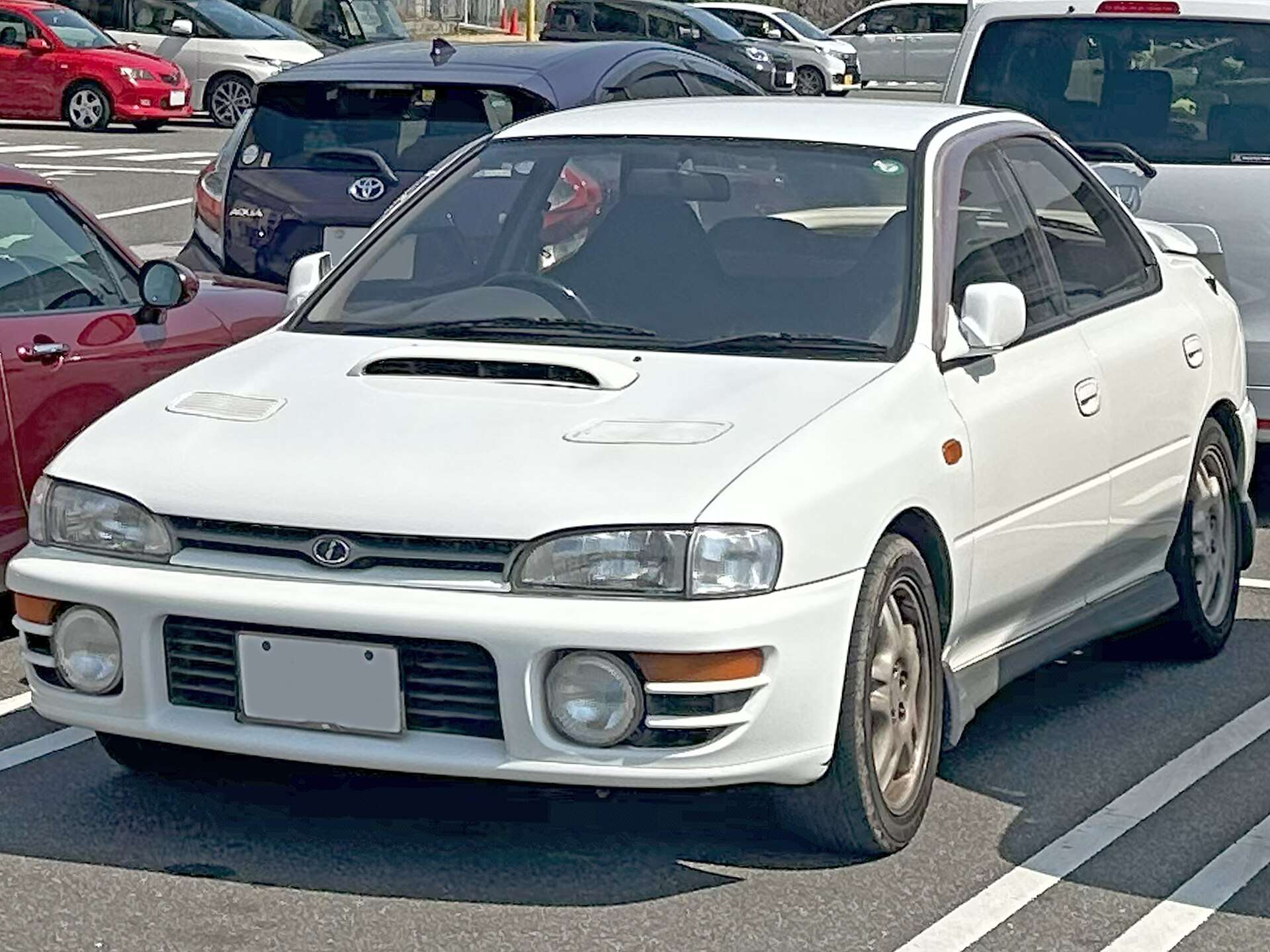
Japan had received WRX versions from the Impreza’s 1992 launch, but the official British performance model arrived two years later under the clearer Turbo 2000 name. Its price and pace were startling: a practical saloon with 0–60mph performance in the high-five-second region, offered for far less than many European rivals.
World Rally Championship success supplied the image, but the road car’s appeal was broader. The steering was quick, the body compact and visibility excellent. Unlike the Japanese-market WRX and STI variants that later arrived as imports, the Turbo 2000 was engineered, sold and supported as a UK model.
Model history
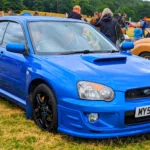
Early cars are recognised by their simpler bumpers, smaller rear spoiler and 208bhp specification. A mid-life update improved the cabin and styling, while 1997–98 cars gained a stronger-looking front end and changes to the engine management. From 1999 the final facelift brought the most polished interior and about 215–218bhp.
The five-door Sports Wagon offered nearly the same pace with a more discreet shape. Subaru UK also commissioned memorable limited editions including the Series McRae, Catalunya, Terzo and RB5. These deserve careful authentication because unique trim is valuable and replicas are common.
| Specification | UK Impreza Turbo 2000 |
|---|---|
| Engine | 1,994cc turbocharged flat-four |
| Power | About 208bhp early; 215–218bhp later |
| Transmission | Five-speed manual |
| Drive | Permanent four-wheel drive |
| 0–60mph | Approximately 5.8 seconds |
| UK sales period | 1994–2000 |
Prodrive Performance Pack
Prodrive’s official upgrade became one of the most desirable options. Packages varied by year but typically combined engine-management changes with freer-flowing exhaust components, lifting output to roughly 238–240bhp and improving mid-range torque. Documentation matters: a genuine dealer-supplied conversion is not the same as an assortment of later aftermarket parts.
What is it like to drive?
The classic Impreza feels light and eager. There is noticeable turbo lag, followed by a strong rush of acceleration, but the chassis is forgiving and the four-wheel-drive system gives excellent traction. The standard brakes and suspension were well judged for British roads; excessively stiff modifications can make a car less enjoyable rather than more capable.
Love cars you don’t see every day?
Get forgotten cars, surprising motoring stories and the most interesting finds from Unusual Cars by email.
Free to join. No spam. Unsubscribe whenever you like. See our privacy policy.
Buying guide: what to check
Identity and provenance
Begin with the chassis number, V5C and service book. Confirm whether the car is an official UK Turbo 2000 or an imported WRX/STI, because specifications and insurance can differ. Limited editions need their correct plaques, seats, wheels, colours and paperwork. A history check is essential because many cars have been crashed, stolen or heavily modified.
Engine
Insist on a cold start. Brief piston noise can occur, but persistent knocking, blue exhaust smoke, low oil pressure or uneven compression are warning signs. Check for oil leaks around the cam covers, coolant contamination and evidence of overheating. The timing belt schedule must be documented, and any remap should be supported by suitable fuelling and specialist invoices.
Gearbox and clutch
The five-speed gearbox is satisfactory at standard power but can suffer after hard launches or aggressive tuning. Listen for bearing whine, check every synchromesh and make sure fifth gear does not jump out. A heavy or slipping clutch suggests expense ahead.
Rust and accident damage
Inspect rear wheelarches, sills, jacking points, suspension turrets, boot floor and the metal around the rear screen. Look underneath for corrosion and distorted chassis rails. Uneven panel gaps, overspray and mismatched paint are especially important on a car with rally-inspired styling and a long period of low used values.
Suspension, brakes and tyres
Knocking struts, tired bushes and seized brake calipers are common age-related problems. Check that all four tyres match and that wear is even. Original wheels and suspension increase appeal, although high-quality reversible upgrades are acceptable if geometry has been set correctly.
Which version should you buy?
A standard, well-documented saloon or Sports Wagon is often a better buy than a famous edition with doubtful history. Early cars are visually pure; the 1999–2000 facelift is easier to live with; a properly authenticated PPP car offers the strongest road performance without leaving the period specification.
Verdict
The Turbo 2000 is the foundation of Subaru’s British performance story. It is fast, practical and characterful, but its survival depends on originality, corrosion condition and evidence that previous owners resisted careless tuning.
Research sources
- Subaru UK, history and heritage material
- Hagerty UK, Impreza Turbo 1994–2000 buying guide
- evo, Subaru Impreza Turbo modern-classic review
- Period UK road tests and specialist ownership guidance