
Unusual Cars model guide
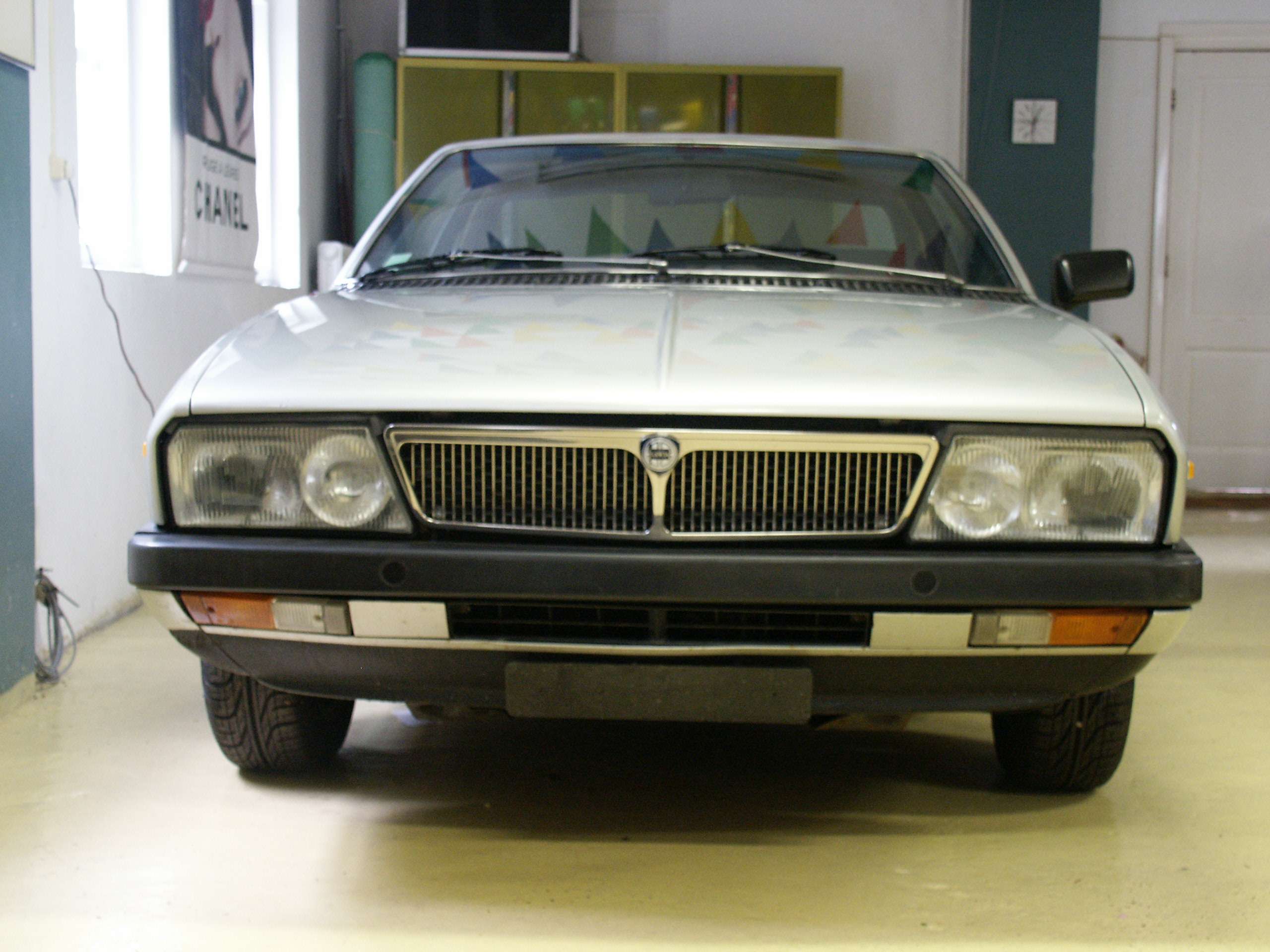
Lancia Gamma Coupé
Pininfarina elegance, a low aluminium boxer engine and the kind of engineering decision that only Lancia would make.

Quick answer: the Lancia Gamma Coupé was a front-wheel-drive four-seat grand tourer produced from 1976 to 1984. Pininfarina’s Aldo Brovarone styled the body on a shortened Gamma platform, while Lancia developed an unusually low, all-aluminium flat-four engine. The 2.5-litre Coupé reached the British market in 1978 and later gained Bosch fuel injection and an optional four-speed automatic. Only 6,789 Coupés were produced, and UK survivors are exceptionally scarce.
A flagship with its own character
Lancia unveiled the Gamma Berlina and Coupé together at the 1976 Geneva motor show. They shared their basic front-wheel-drive architecture and flat-four power unit but little visual identity. The Berlina was a long fastback with an unconventional rear profile; the Coupé shortened the wheelbase and wrapped the cabin in formal, beautifully judged three-box proportions.
The windscreen and rear window were set at closely matching angles, the bonnet was long and low and the boot lid used two subtle creases to lower its centre section. It resembled neither a mass-market Fiat nor the Beta range. Pininfarina conceived the interior as a travelling lounge, with generous seating, excellent long-distance comfort and restrained detailing.
The flat-four engine
The engine is central to the Gamma’s identity. Rather than adopt a conventional inline four or V6, Lancia designed a horizontally opposed four-cylinder with aluminium block and heads. Its compact height allowed the bonnet to sit low and helped the car’s centre of gravity. The principal engine displaced 2,484 cc and produced about 140 hp; a 1,999 cc version existed mainly to avoid Italy’s punitive taxation of engines above two litres and was not the normal UK choice.
| Specification | Gamma Coupé 2500 |
|---|---|
| Layout | Front engine, front-wheel drive |
| Engine | 2,484 cc aluminium flat-four |
| Power | Approximately 140 hp, depending on series |
| Gearbox | Five-speed manual; later four-speed automatic option |
| Suspension | Independent all round |
| Production | 6,789 Coupés |
Series 1 and Series 2
The second series arrived in 1980. Bosch fuel injection replaced the carburettor on the 2.5-litre version, while styling changes included a new grille, revised front bumper, redesigned alloy wheels and updated cabin materials. Fuel injection improved starting and driveability when correctly maintained. The automatic option expanded the grand-touring brief, although the five-speed manual better suits drivers who want to explore the engine.

The power-steering timing-belt warning
The Gamma is famous for stories of engine damage associated with turning the steering on a cold engine. The underlying concern is not that steering input directly destroys an engine, but that the camshaft drive and power-steering pump arrangement can impose additional load when belts, tensioners or the hydraulic system are neglected. The correct lesson is disciplined maintenance: use the correct belts and tensioners, change them at conservative intervals, confirm free operation of the pump and steering and investigate noise or heavy assistance immediately.
What to check before buying
- Corrosion: examine sills, floors, jacking points, suspension mounts, front subframe areas, screen surrounds, door bottoms, rear arches and boot seams. A handsome exterior can conceal expensive structural repairs.
- Belts and pulleys: require documentary evidence of recent work by someone who understands the Gamma engine. Age matters as much as mileage.
- Cooling: check radiator condition, hoses, fans, thermostat operation and evidence of overheating or head-gasket problems.
- Carburettor or injection: rough running may reflect stale fuel, air leaks, incorrect set-up or ageing injection components. Diagnose rather than replacing parts indiscriminately.
- Power steering: assistance should be smooth and quiet. Look for leaks and do not accept groaning or stiffness as normal.
- Transmission: manuals should shift cleanly; automatic cars need prompt engagement and a clear fluid-service history.
- Trim and glass: Coupé-specific lamps, bumpers, brightwork, glass and interior pieces are extremely difficult to replace. Completeness is valuable.
How rare is it in Britain?
The Coupé was marketed here from 1978, but it always occupied a narrow price and market niche. Current licensing data records only a handful of Gamma Coupé FI cars taxed and a similarly tiny number declared SORN. Imports and inconsistent historic model descriptions mean no single count captures every survivor, but the practical conclusion is clear: inspect the car in front of you carefully, because choosing from several comparable examples may be impossible.
Verdict
The Gamma Coupé is not the easiest Italian grand tourer to own, and that is inseparable from its appeal. Its proportions are exceptional, its cabin genuinely comfortable and its low boxer engine unlike almost anything else in its class. A complete, structurally sound car with documented specialist maintenance deserves preservation; a cheap neglected example can become an open-ended search for rare parts.
Research basis
This guide uses Stellantis Heritage’s 50th-anniversary Gamma history, contemporary UK market chronology, the Lancia Motor Club and UK licensing data. Figures are period and market dependent, so confirm an individual car’s series, engine and transmission from its chassis data and records.