UNUSUAL CARS MODEL GUIDE
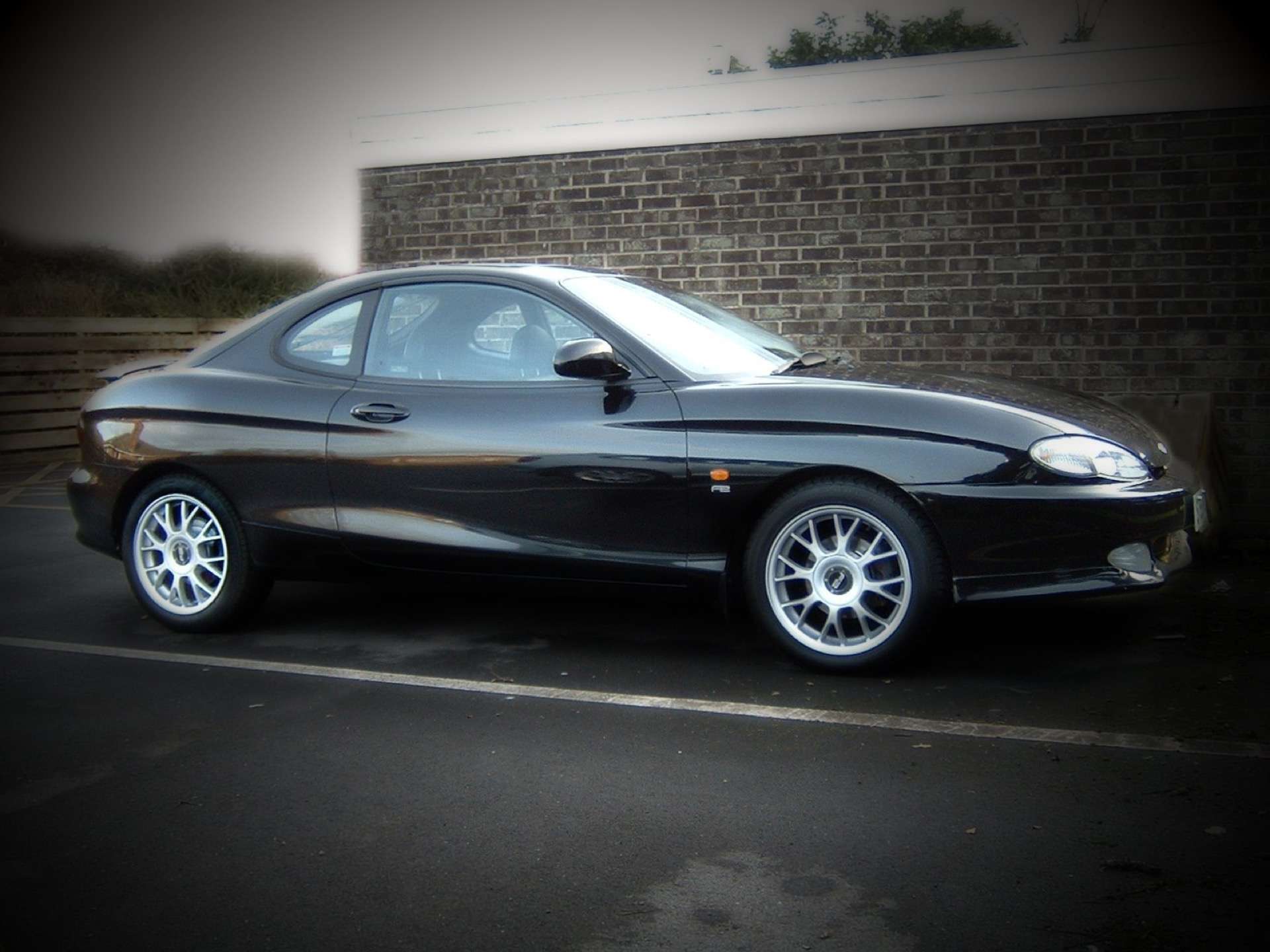
The Hyundai Coupé F2 and F2 Evolution were British-market performance specials based on the first-generation RD Coupé. Developed around Hyundai’s Formula 2 rally involvement, they combined distinctive styling with useful chassis and engine changes, making them far more than ordinary trim editions.
Featured image: 1998 Hyundai Coupé F2. Photograph by Mel Spencer, CC BY-SA 3.0; locally hosted and resized.
The first-generation Hyundai Coupé
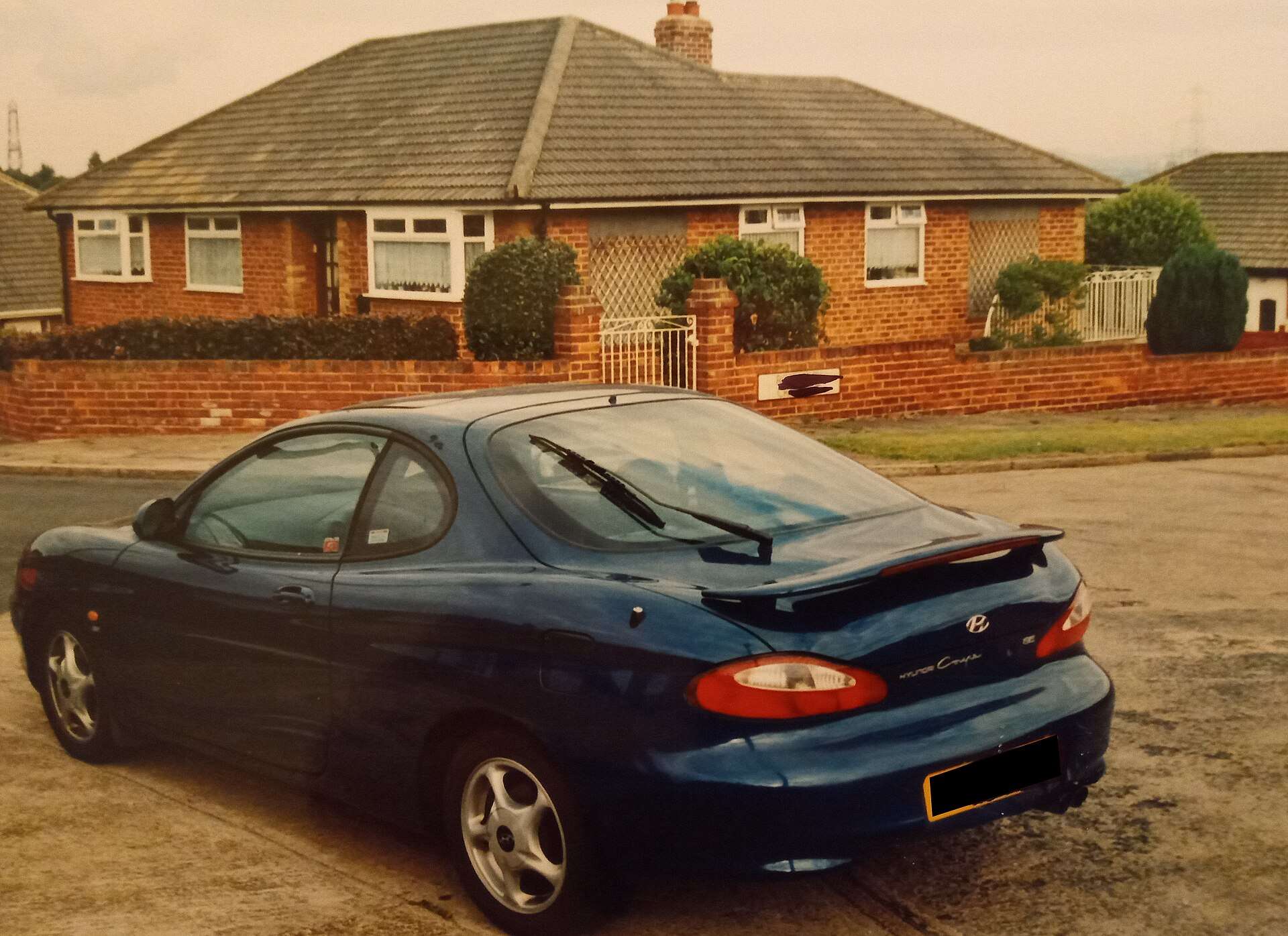
Launched in Britain in 1996, the Coupé gave Hyundai a curving, affordable alternative to Japanese two-doors. It sold strongly by the marque’s earlier standards and created a platform for a credible limited edition. The Formula 2 badge referred to the two-litre rally category rather than single-seat racing.
From F2 to F2 Evolution
The original F2 added model-specific wheels, body details and equipment. The 1999 F2 Evolution went further. Motor Sports Developments, which operated Hyundai’s rally programme, worked on the chassis and performance package. Designer Peter Stevens contributed to the exterior treatment.
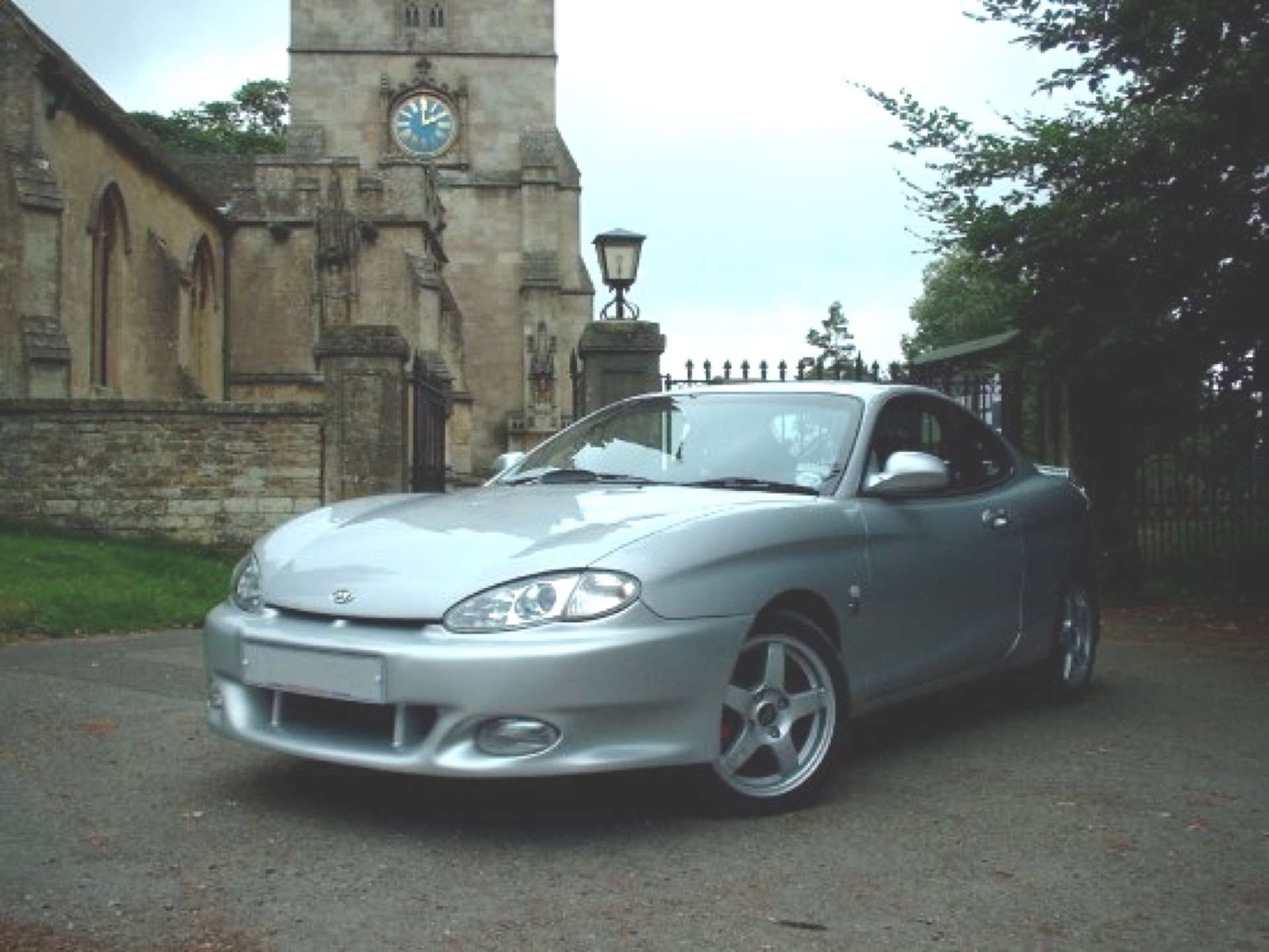
| Item | F2 Evolution |
|---|---|
| Engine | 1,975cc four-cylinder petrol |
| Power | 154 bhp at 6,250 rpm |
| Torque | 140 lb ft at 4,900 rpm |
| Transmission | Five-speed manual, front-wheel drive |
| 0–62 mph | 8.1 seconds, period AA figure |
| Wheels and tyres | 16-inch wheels with 205/45 R16 tyres |
What made the Evolution special?
Contemporary material describes revised suspension, ventilated disc brakes, a freer-breathing engine, distinctive alloy wheels and model-specific body treatment. The changes were intended to make the car feel connected to the rally effort, while retaining everyday comfort and practicality.
Love cars you don’t see every day?
Get forgotten cars, surprising motoring stories and the most interesting finds from Unusual Cars by email.
Free to join. No spam. Unsubscribe whenever you like. See our privacy policy.
UK significance
The F2 Evolution was created for Britain, so it is especially relevant to the Unusual Cars programme. Contemporary coverage placed the price at £19,299 and said 1,500 cars were planned for 1999. That was not ultra-exotic production, but attrition and low residual values have made correct survivors uncommon.
Hyundai Coupé F2 buying guide
Identity and special parts
Confirm the model through original invoices, handbook pack and chassis details. F2 wheels, spoilers, badges, seats and trim are difficult to replace. Ordinary Coupés have sometimes acquired lookalike parts, so provenance matters.
Engine and cambelt
Demand evidence of cambelt and tensioner replacement at the correct interval. Check for oil leaks, cooling problems, exhaust corrosion and unstable idle. An aftermarket exhaust or intake should be properly installed and declared.
Chassis and accident damage
Inspect sills, arches, floor, rear substructure and suspension mounts. Uneven panel gaps, mismatched paint and irregular tyre wear can reveal previous damage. Suspension should be controlled without knocking or pulling.
Cabin and electrics
Test the sunroof if fitted, windows, central locking, air conditioning and instruments. Worn steering wheels and seat bolsters are common; missing Evolution details affect collectability.
Research sources
- AA: Hyundai Coupé F2 Evolution first drive, May 1999
- Car Enthusiast: contemporary F2 Evolution launch report
- Hyundai UK: company history
Continue the Hyundai story
Explore the Rare & Performance Hyundais hub, then compare the earlier Scoupé Turbo, then jump forward to the i30 N.
Frequently asked questions
What was the Hyundai Coupé F2?
It was a UK-market limited edition of the first-generation Coupé, created to celebrate Hyundai’s Formula 2 rally programme.
What is the F2 Evolution?
The 1999 F2 Evolution was a more developed UK special with Peter Stevens styling input, Motor Sports Developments chassis work and a 154 bhp 2.0-litre engine.
How fast was the F2 Evolution?
The AA quoted 0–62 mph in 8.1 seconds for the 154 bhp F2 Evolution.
How many F2 Evolutions were planned?
Contemporary UK coverage stated that 1,500 were planned for 1999.
What should buyers check?
Rust, cambelt history, clutch and gearbox, suspension modifications, accident repairs and the presence of genuine F2-specific parts.