UNUSUAL CARS MODEL GUIDE
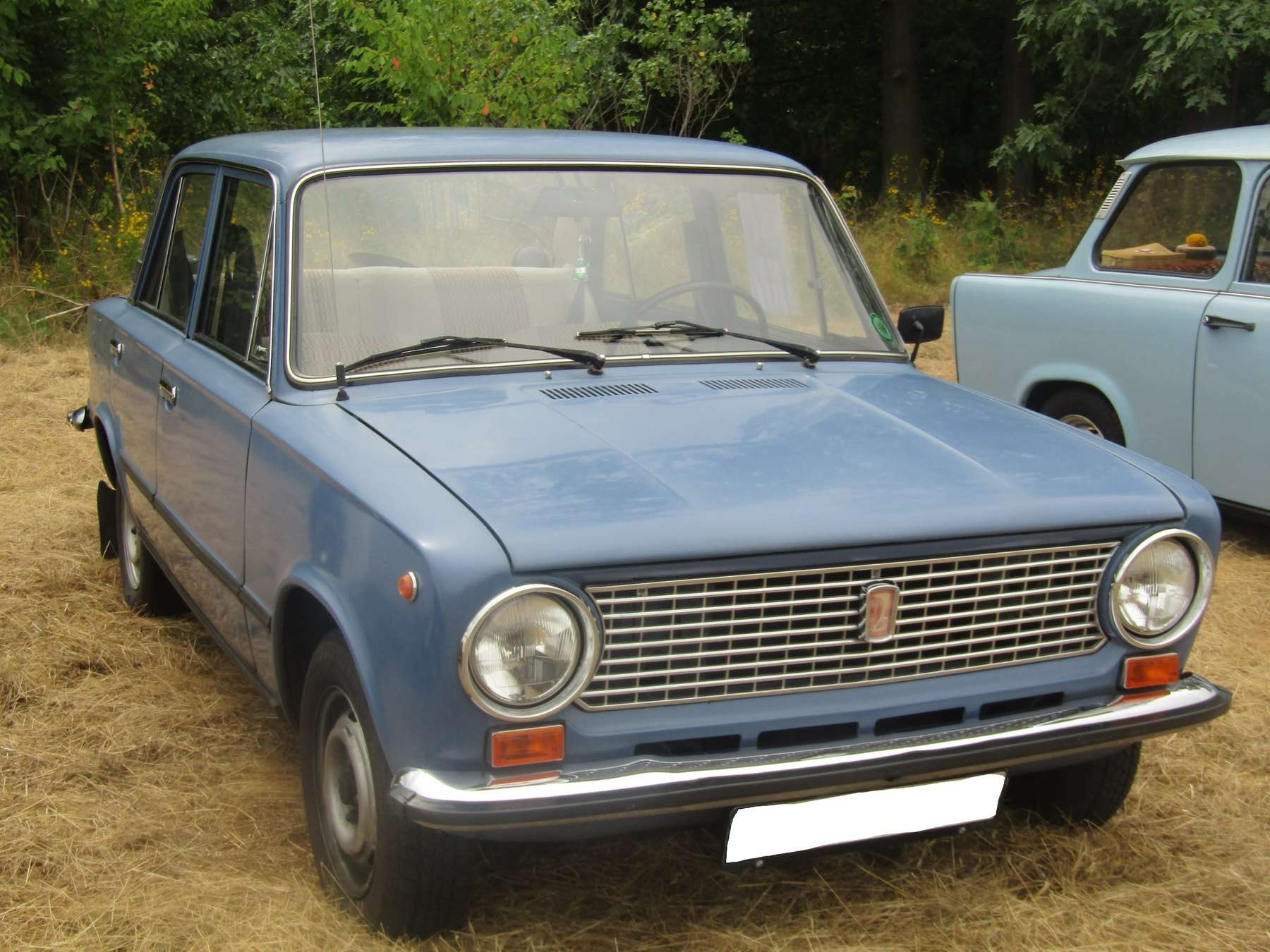
The original Lada family began with the VAZ-2101 in 1970, developed under licence from the Fiat 124 but substantially re-engineered for harsher roads, climates and owner maintenance. British buyers received the Lada 1200 from 1974, followed by 1300, 1500, 1600 and estate derivatives.
Quick answer: The early round-headlamp cars are historically important and increasingly scarce. Buy on shell integrity, correct model identity, engine and timing condition, brakes and completeness; the apparently simple range contains many engine, trim and right-hand-drive variations.
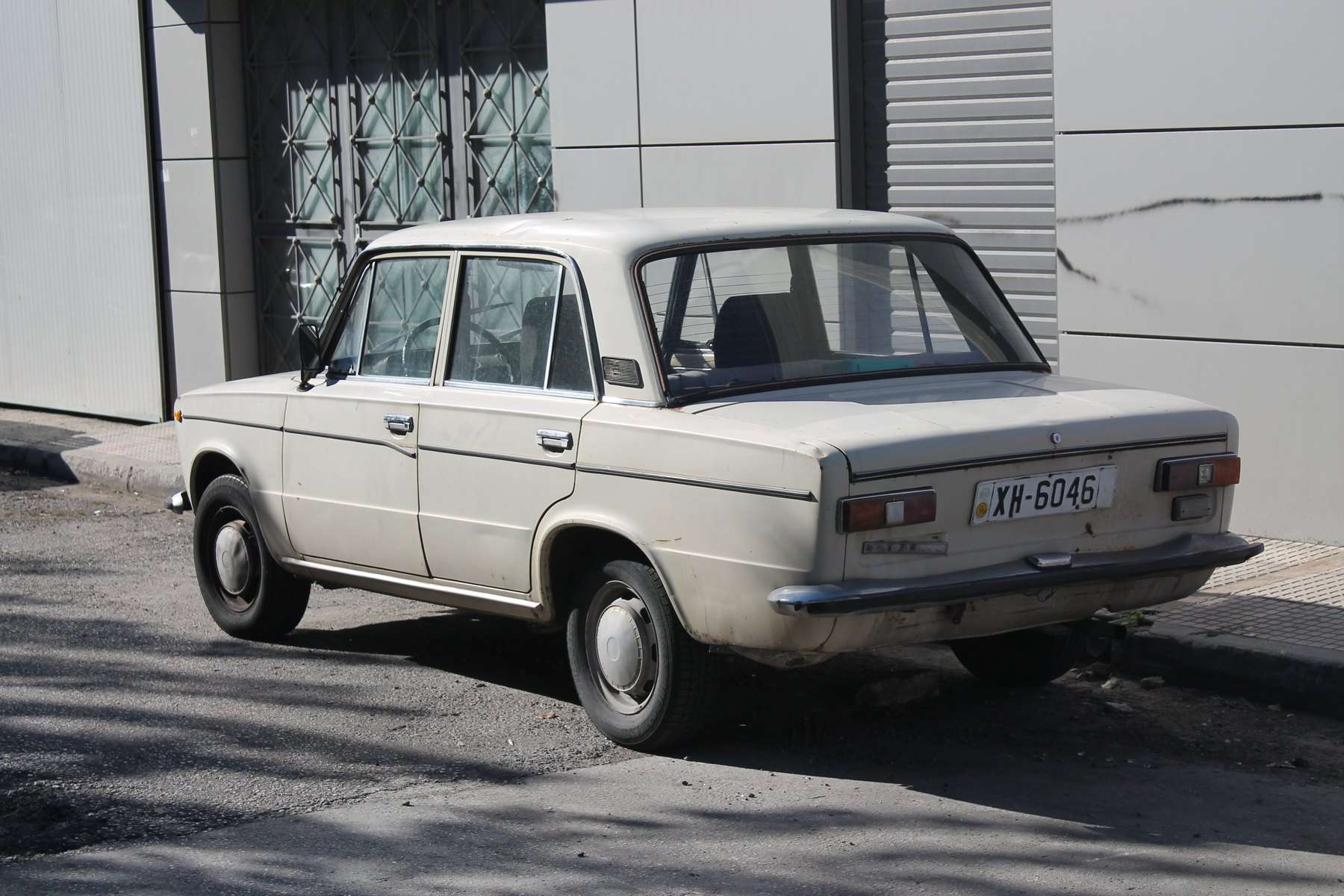
Featured image: Lada 1200, 1300, 1500 and 1600: History and Buying Guide. Photograph by Erremm, CC BY-SA 4.0, via Wikimedia Commons; locally hosted.
From Fiat 124 to VAZ-2101
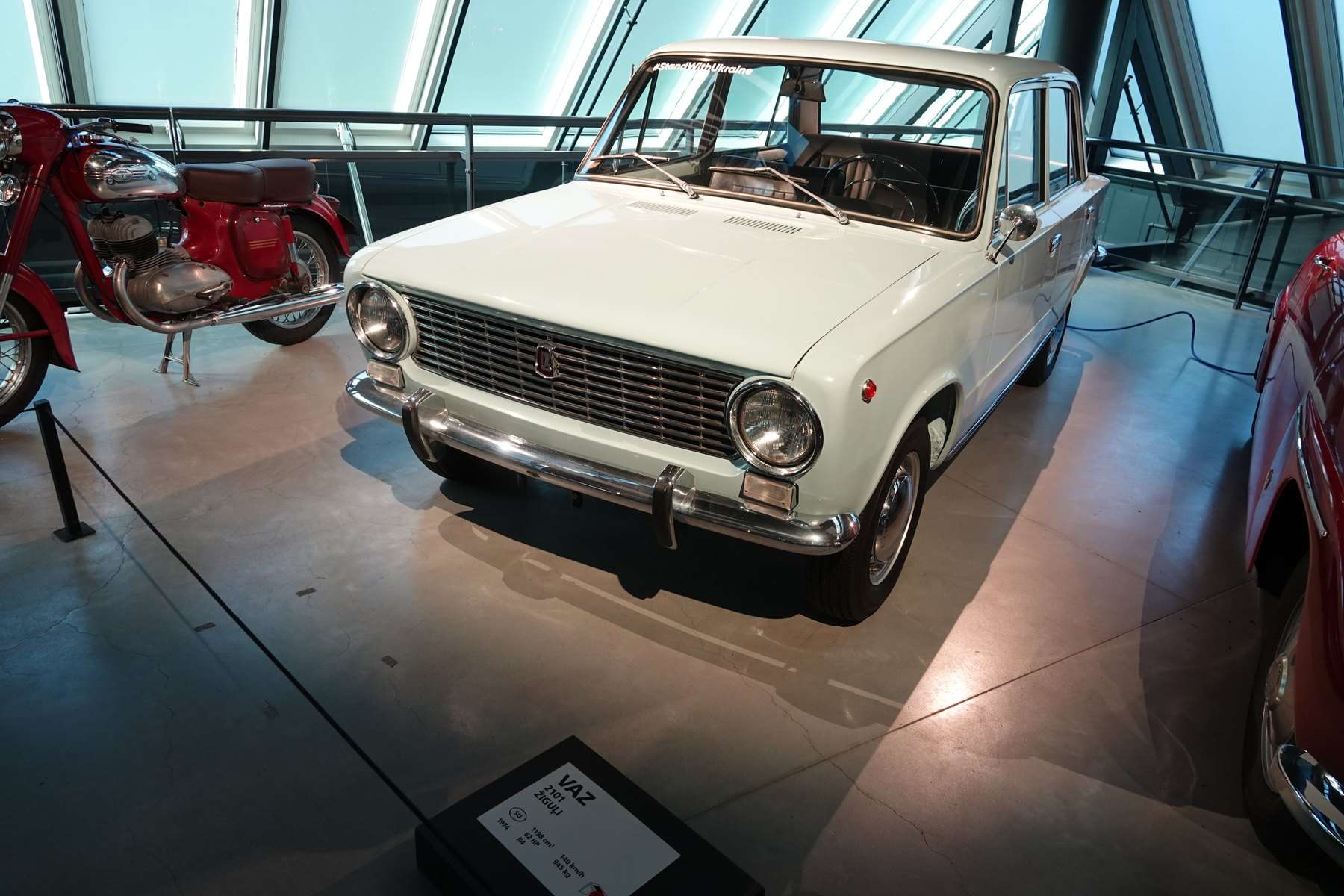
The 1966 agreement between Fiat and the Soviet automotive authorities provided the basis for a vast new factory at Togliatti and a car derived from the Fiat 124. Engineers strengthened the body, raised ground clearance, altered suspension and braking details and created a new overhead-cam engine better suited to local conditions.
The first VAZ-2101 left the line in April 1970. Known domestically as the Zhiguli and in many export markets as the Lada 1200, it looked familiar but was not simply a Fiat assembled under another badge.
Arrival in Britain and model growth
Right-hand-drive production enabled British imports to begin in May 1974. The price, standard equipment and rugged simplicity made the 1200 a genuine sales success. The 2102 estate added load capacity, while the 1300 offered a larger engine in the original-style body.
The 1500 and later 1600 used the more formal 2103 and 2106 bodies with twin headlamps, additional brightwork and revised interiors. UK naming and specifications changed over time, so period registration and chassis information are essential when identifying a survivor.
Love cars you don’t see every day?
Get forgotten cars, surprising motoring stories and the most interesting finds from Unusual Cars by email.
Free to join. No spam. Unsubscribe whenever you like. See our privacy policy.
Engines, gearboxes and specifications
The 1,198cc engine established the chain-driven overhead-cam layout. Related 1.3-, 1.45- and 1.57-litre units offered progressively more torque, although quoted outputs vary between SAE and DIN standards. Four-speed manual gearboxes were standard for most early cars.
Do not confuse these engines with the later belt-driven 1.3 used in some Rivas. Check the stamped engine number, carburettor type and handbook before ordering components. Mechanical interchangeability is useful, but careless mixing can erase a rare car’s identity.
Body, structure and rust
Inspect front wings and valances, headlamp bowls, inner wings, bulkhead, screen surrounds, sills, jacking points, floors, chassis rails and rear suspension mounts. Estates need extra attention around the tailgate and load floor; twin-headlamp cars require checks of scarce grille and lamp surrounds.
Well-applied underseal helped some cars survive but can also conceal corrosion. Look for straight seams, factory spot welds and consistent panel gaps, and inspect from inside the boot and cabin. Restoring a rotten shell quickly exceeds the value of an excellent car.
Mechanical and road-test checks
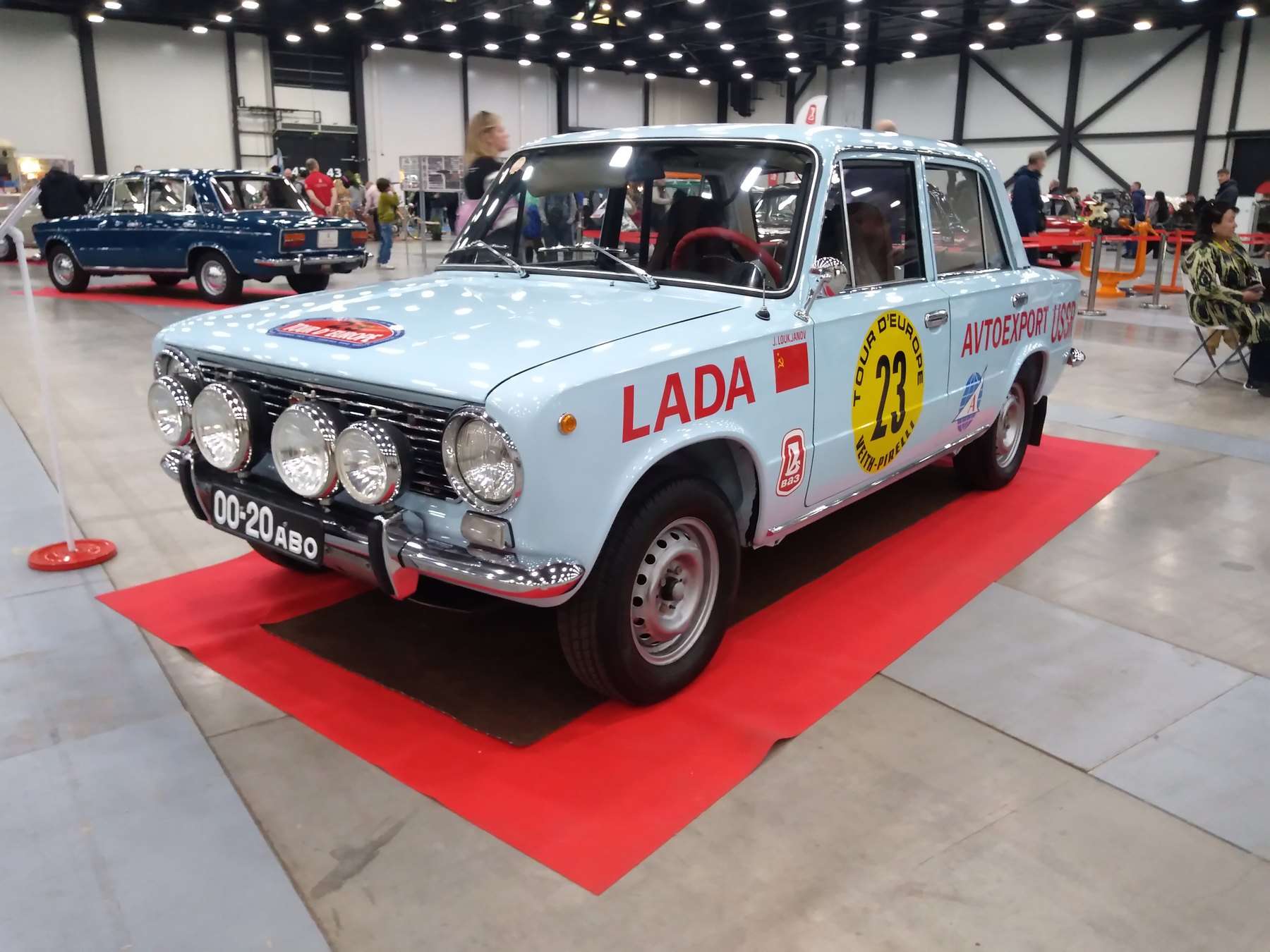
Listen for timing-chain rattle, low oil pressure, piston noise and differential whine. Check the cooling system, heater valve, water pump and hoses, then examine the carburettor and ignition for poor cold starting or hesitation. A healthy engine should feel willing rather than merely durable.
Steering-box play, worn ball joints and tired dampers create wandering and instability. Test the front discs, rear drums and handbrake, inspect hydraulic hoses and cylinders, and make sure the gearbox synchromesh and clutch behave from cold and hot.

Choosing the right early Lada
A 1200 offers the purest first-generation story, a 1300 adds useful torque, and the twin-headlamp 1500 or 1600 supplies more equipment and performance. Estates are exceptionally practical and now difficult to find in sound UK condition.
Prioritise a complete right-hand-drive survivor with continuous history. Correct badges, hubcaps, seats, lamps and export trim are hard to reproduce, while ordinary service parts remain comparatively accessible. Preservation quality matters more than chasing the rarest badge.

Continue the Lada story
Explore the complete Lada hub. Continue with Lada Riva and Lada Samara.
Frequently asked questions
When did Lada production begin?
VAZ-2101 production began in April 1970.
When did the Lada 1200 reach Britain?
Official UK imports began in May 1974.
Is the Lada 1200 identical to a Fiat 124?
No. It was derived from the Fiat under licence but received extensive structural, suspension, brake and engine changes.
Which early Ladas were sold in Britain?
The range included 1200, 1300, 1500 and 1600 saloons plus estate derivatives, with specifications changing over time.
What is the most important buying check?
Structural corrosion and correct model identity come first, followed by the timing drive, cooling, brakes, steering and completeness.