UNUSUAL CARS MODEL GUIDE
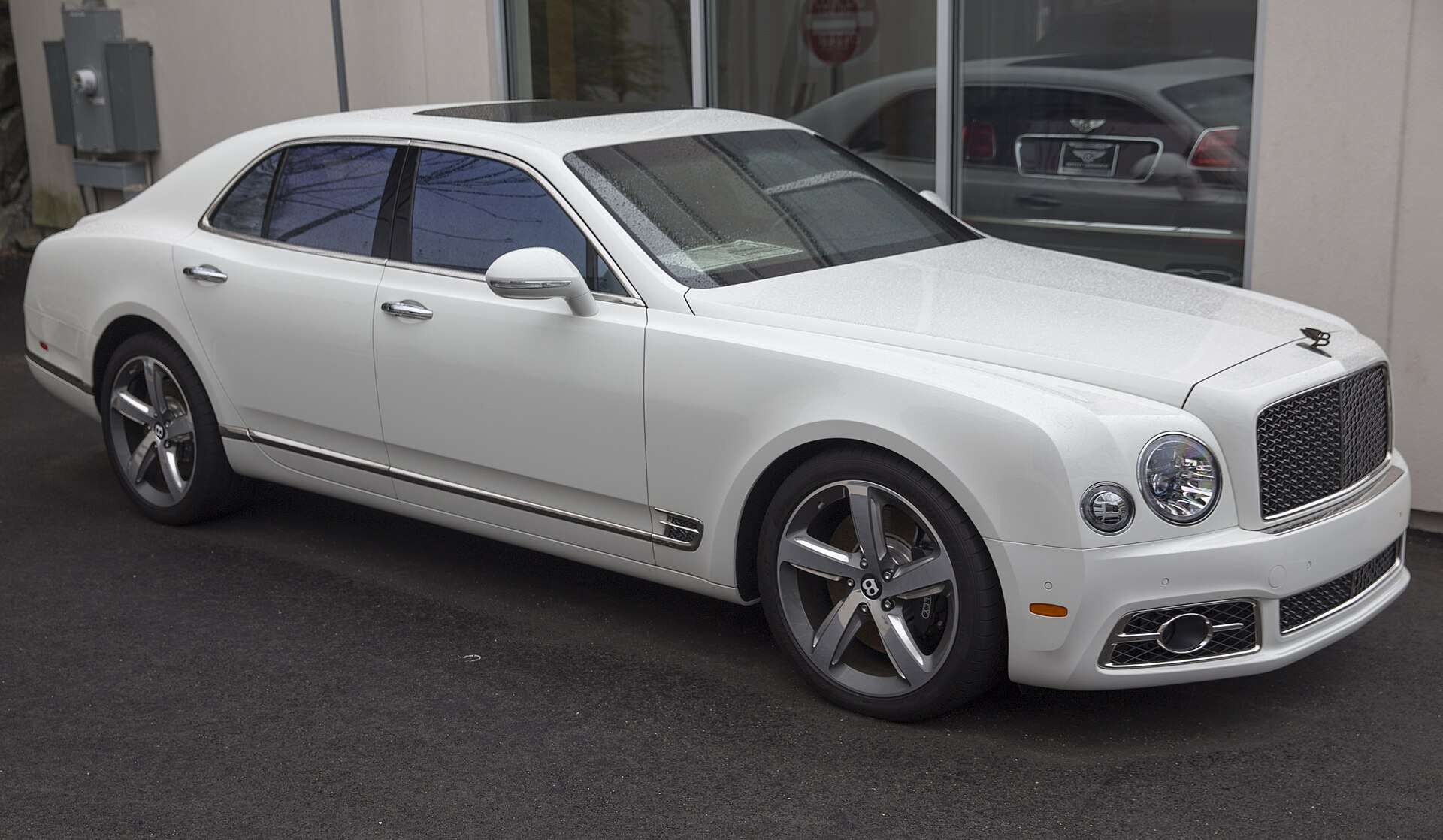
The 2010–2020 Bentley Mulsanne was Crewe’s last production saloon built around the long-lived 6.75-litre V8 and the marque’s flagship before the modern Flying Spur assumed that role. Conceived under the internal name Project Kimberley, it was a clean-sheet replacement for the Arnage rather than a stretched Continental.
Quick answer: the modern Mulsanne is a deeply specialised, 2.7-tonne luxury car. Buy only after a Bentley specialist has checked the V8 cooling and turbo systems, eight-speed transmission, air suspension, brakes, electrical network, cabin equipment and complete service history.
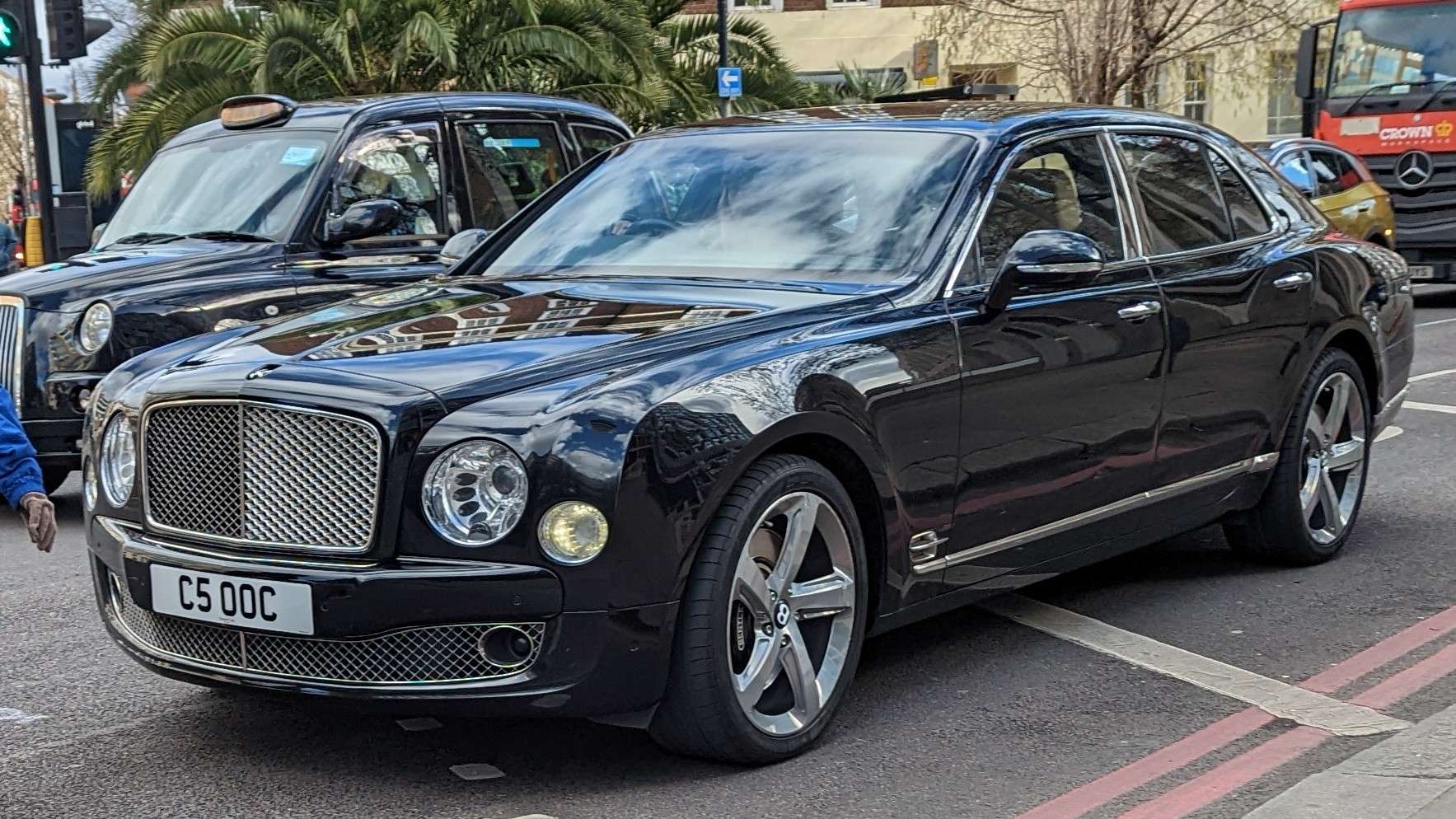
Featured image: black 2010 Bentley Mulsanne. Photograph by Calreyn88, CC BY-SA 4.0, via Wikimedia Commons; locally hosted.
A new flagship with an old Bentley heart
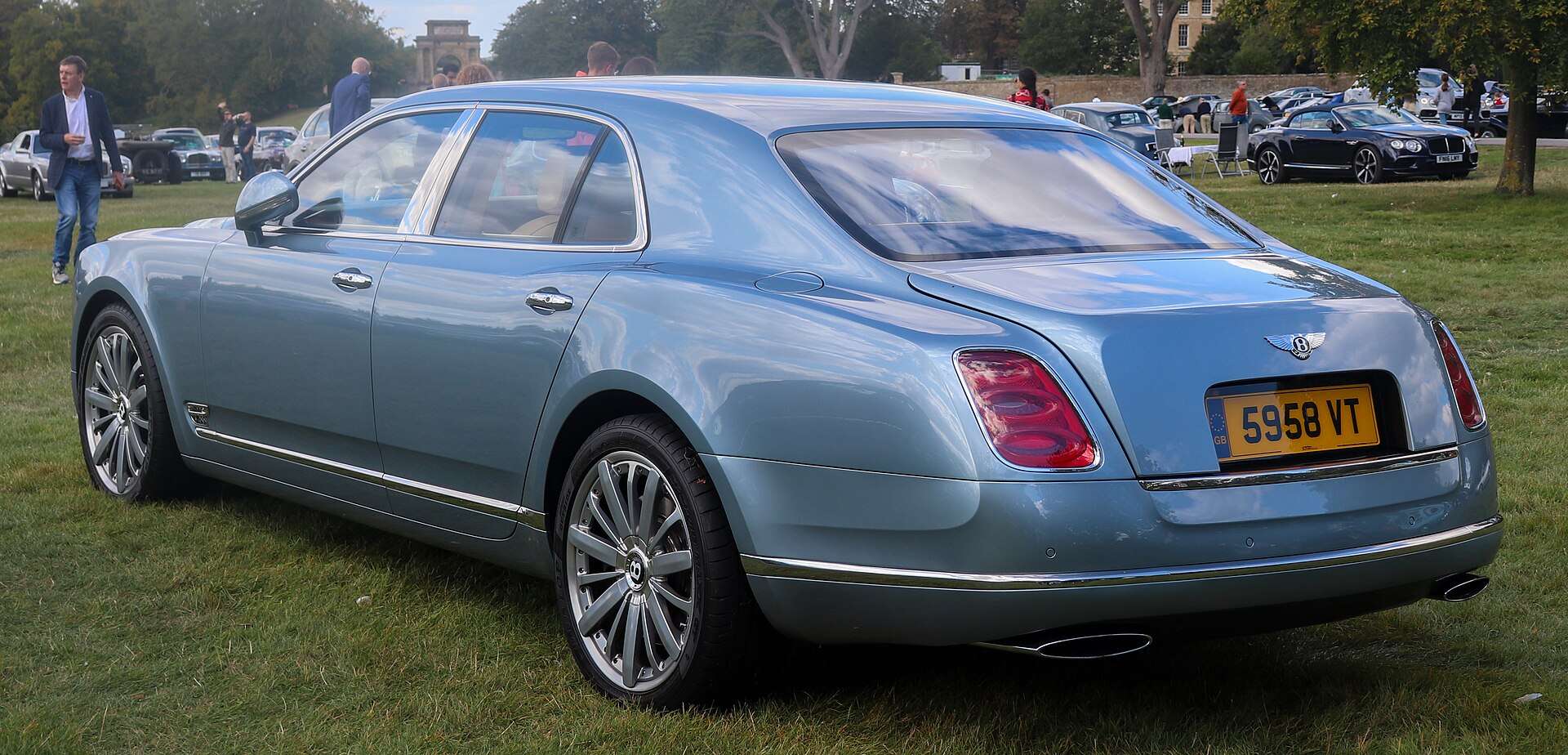
Development began in 2005 with the aim of giving Bentley a flagship independent of the Volkswagen Group D1 platform beneath the Continental GT and Flying Spur. The production Mulsanne was revealed in 2009 and deliveries began in 2010. Its upright grille, prominent rear haunches and formal cabin deliberately connected it with coachbuilt Bentleys without copying a particular predecessor.
The familiar 6,752cc pushrod V8 was comprehensively re-engineered with twin turbochargers, variable cam phasing and cylinder deactivation. An eight-speed ZF automatic sent power to the rear wheels. Bentley quoted 512PS, 1,020Nm, 0–62mph in 5.3 seconds and 184mph at launch. The result was effortless rather than frantic: enormous torque arrived at low engine speed and the chassis isolated occupants without making the driver irrelevant.

Versions and development
| Version | Key features |
|---|---|
| Mulsanne | Original 2010 flagship with 505bhp-class V8, rear-wheel drive and eight-speed automatic |
| Mulsanne Speed | Introduced for 2015 with 530bhp, 1,100Nm, 190mph capability and sportier chassis calibration |
| 2016 facelift | Revised front styling, updated infotainment and further comfort and chassis refinements |
| Mulsanne Extended Wheelbase | Added 250mm to the wheelbase for exceptional rear legroom and airline-style rear seats |
| 6.75 Edition | Thirty-car final edition marking the end of Mulsanne and Crewe’s 6.75-litre V8 production in 2020 |
Bentley records 8,188 examples built over the decade. Every car was highly configurable, so colour and trim matter less than evidence that a complex specification still works as intended.
Love cars you don’t see every day?
Get forgotten cars, surprising motoring stories and the most interesting finds from Unusual Cars by email.
Free to join. No spam. Unsubscribe whenever you like. See our privacy policy.
Engine, cooling and transmission
Start from cold. The V8 should settle promptly without smoke, heavy tapping or warning lamps. Inspect for coolant and oil leaks, hose deterioration, radiator contamination and signs of overheating. The engine bay is tightly packaged and labour-intensive, so an apparently small leak can become a large invoice. Check both turbochargers and their control systems under load and confirm that boost arrives cleanly without whistle, smoke or hesitation.
The eight-speed automatic should select drive and reverse promptly and shift almost imperceptibly when warm. Shudder, delayed engagement or thumps merit specialist investigation. Review dated servicing rather than relying on a stamped book: fluids, filters, plugs and age-sensitive components all matter on a low-mileage car.
Air suspension, brakes and tyres
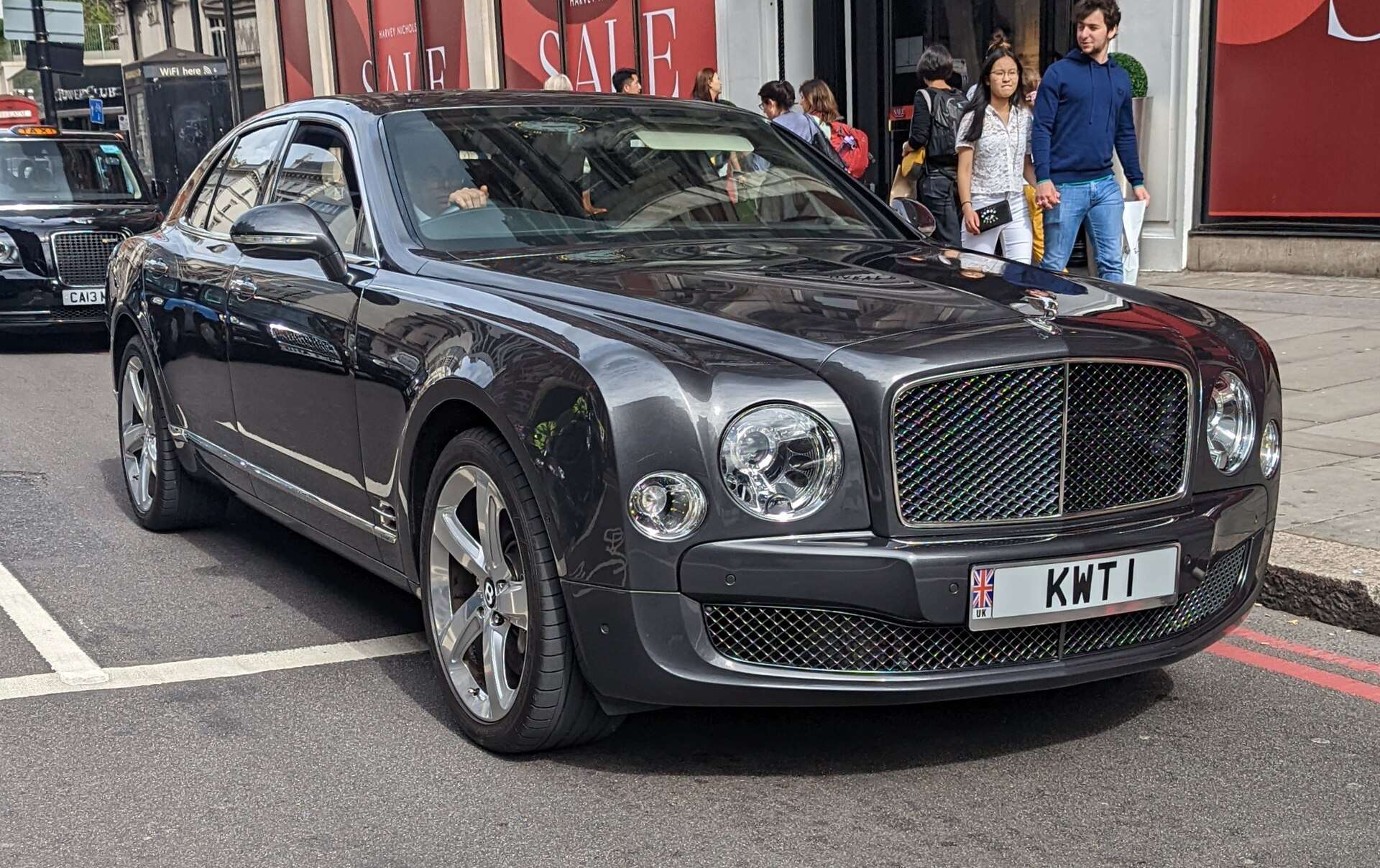
A healthy Mulsanne sits level after standing, changes height without compressor strain and rides quietly in every drive mode. Sagging, repeated compressor operation, knocks or warning messages can indicate air springs, dampers, sensors, bushes or control faults. The mass places heavy demands on brakes and tyres: inspect discs for scoring or lip, test for vibration and check that all four tyres are correctly rated, matched and evenly worn.
Uneven inner-edge wear can expose alignment or suspension issues. Large wheels are vulnerable to cracks and buckling, while cosmetic refurbishment must not hide structural damage.

Cabin, electronics and body
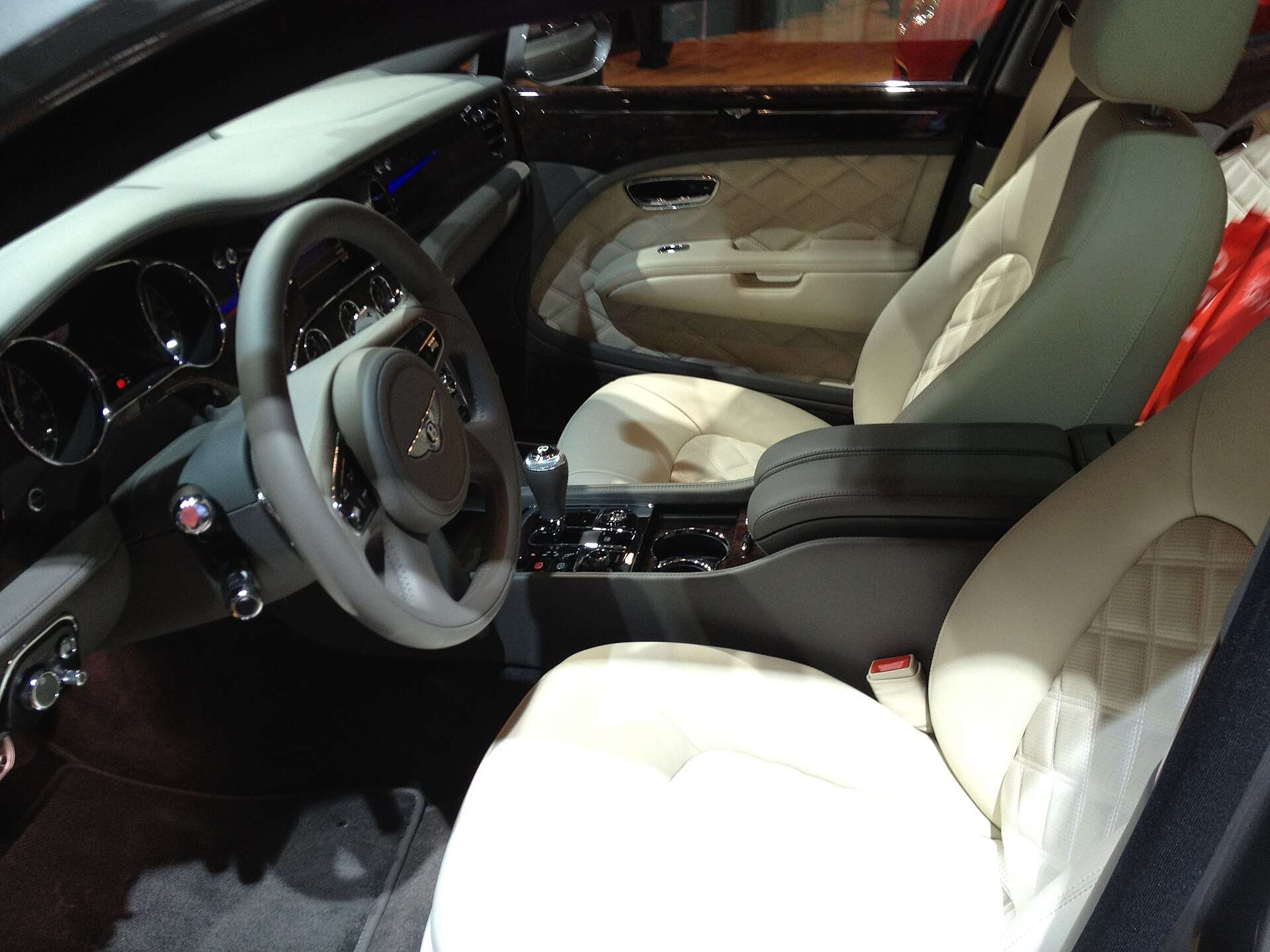
Bentley said each Mulsanne required more than 400 hours to build, with about 70 per cent devoted to the interior. That workmanship is expensive to repair. Test every seat motor, massage function, blind, table, screen, audio source, climate zone, soft-close door, lamp, camera, sensor and key. Weak batteries can produce a cascade of misleading warnings, but persistent faults still require proper diagnosis.
Inspect the aluminium-rich body for accident repair, corrosion at damaged edges, cloudy lamps, blocked drains and water beneath carpets or in the boot. Long doors should close cleanly. Veneer cracks, leather shrinkage, sagging trim or damaged picnic tables are not merely cosmetic when replacements must match a bespoke cabin.
Which Mulsanne should you buy?
The standard car best expresses the original limousine character and is already extremely fast. The Speed adds rarity and a sharper edge without turning the Mulsanne into a sports saloon. Extended Wheelbase cars suit rear-seat use but bring extra length, weight and equipment. Final 6.75 Editions are collector pieces and should be authenticated against factory documentation.
Condition and history outrank version. Commission a Bentley specialist to scan every control unit, pressure-test the cooling system, inspect the underside on a lift and cost all deferred work. A cheaper car with worn suspension, old tyres and intermittent electronics can consume the price difference very quickly.
Sources and further reading
- Bentley: ten years of the modern Mulsanne
- Bentley Heritage Collection: 2019 Mulsanne Speed
- Bentley vehicle specification: Mulsanne
- Bentley: Mulsanne 6.75 Edition
Continue the Bentley story
Explore the complete Bentley hub. Continue with the Bentley Arnage and Bentley Turbo R.
Frequently asked questions
When was the modern Bentley Mulsanne built?
Production ran from 2010 to 2020, following its 2009 public debut.
What engine does the 2010–2020 Mulsanne use?
A 6,752cc twin-turbocharged Bentley V8 driving the rear wheels through an eight-speed automatic.
How many modern Mulsannes were made?
Bentley records 8,188 examples across all versions.
What is the Mulsanne Speed?
A 530bhp, 1,100Nm derivative introduced for 2015, with a 190mph quoted maximum and sportier chassis settings.
What are the main buying checks?
Cooling and turbo systems, gearbox, air suspension, brakes, tyres, water ingress, batteries, control modules and every item of cabin equipment.