UNUSUAL CARS MODEL GUIDE
The 2007 Aston Martin DBS turned the elegant DB9 into the most focused series-production Aston of its day. Carbon-fibre body panels, carbon-ceramic brakes, adaptive dampers and a 510 bhp V12 made it lighter, faster and more aggressive without removing its grand-touring character. It also became one of the defining James Bond cars of the Daniel Craig era before the open DBS Volante broadened the range in 2009.
Quick answer: the DBS was built from 2007 to 2012 with a 5,935 cc naturally aspirated V12 producing 510 bhp. A six-speed manual was standard at launch and the Touchtronic 2 six-speed automatic followed. The DBS Volante entered production in 2009. Buyers should concentrate on service history, carbon-ceramic brake condition, clutch or transmission health, cooling, dampers, electrical systems and damage to the carbon-fibre body panels.
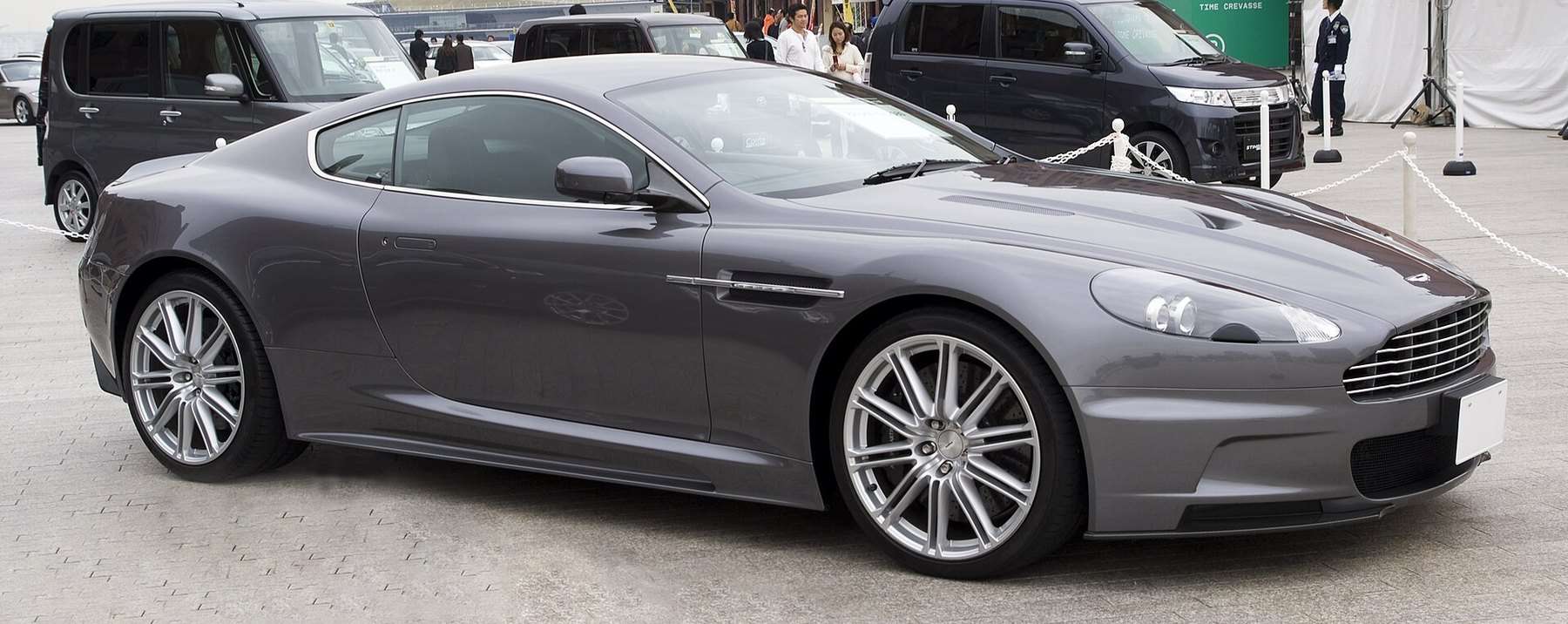
Featured image: 2008 Aston Martin DBS V12 coupé. Photograph by Hatsukari715, Public domain, via Wikimedia Commons; locally hosted.
From DB9 to DBS
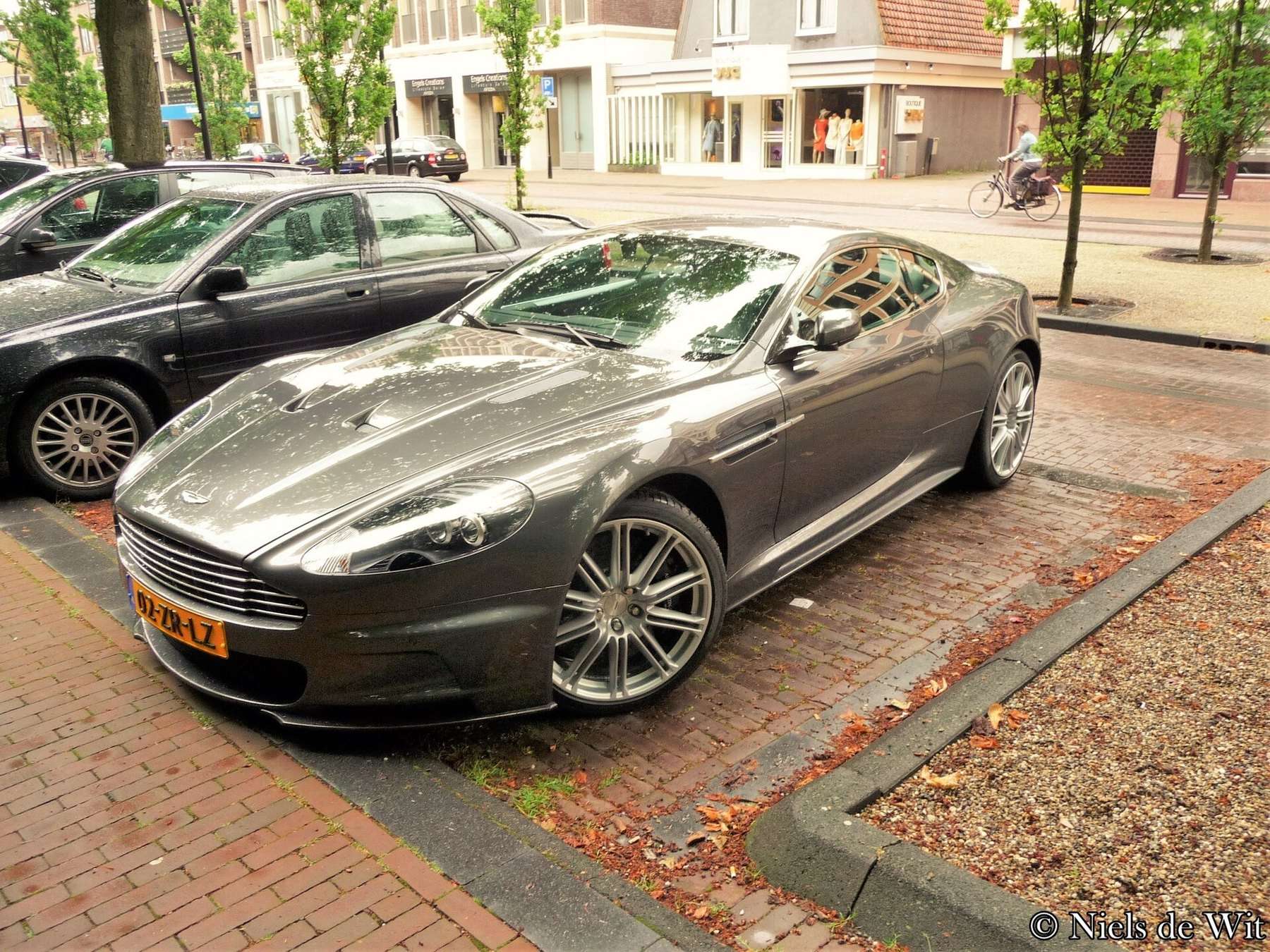
Aston Martin previewed the model in Casino Royale before unveiling the production DBS at Pebble Beach in 2007. Although based on the VH-platform DB9, it was not merely a cosmetic edition. The bonnet, front wings, door surrounds, boot enclosure and other panels used carbon fibre, while the front and rear tracks, spring rates, anti-roll control and aerodynamics were revised.
The 6.0-litre V12 received freer breathing and calibration changes to reach 510 bhp. Aston Martin quoted more than 190 mph, with the engine driving a rear-mounted transaxle through a carbon-fibre torque tube.
Specifications and model development
| Item | DBS specification |
|---|---|
| Engine | 5,935 cc naturally aspirated V12 |
| Output | 510 bhp (517 PS) |
| Transmission | Six-speed manual; later Touchtronic 2 six-speed automatic |
| Brakes | 398 mm front and 360 mm rear carbon-ceramic discs |
| Suspension | Double wishbones with adaptive dampers |
| Body styles | Coupé; Volante from 2009 |
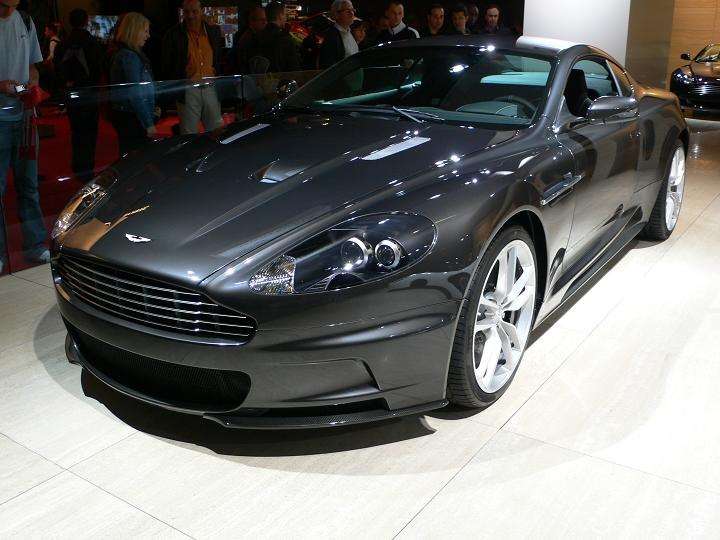
Special editions included the Carbon Black, Carbon Edition and the final DBS Ultimate. Equipment and trim changed, so verify the original build sheet rather than identifying a special car solely from paint, wheels or badges.
Love cars you don’t see every day?
Get forgotten cars, surprising motoring stories and the most interesting finds from Unusual Cars by email.
Free to join. No spam. Unsubscribe whenever you like. See our privacy policy.
Manual, Touchtronic and clutch costs
The launch car’s six-speed manual is central to the DBS’s appeal, but clutch replacement is a major job. Test for slip, judder, a very high biting point and difficulty selecting gears when fully warm. Some cars use later twin-plate conversions; invoices should explain the parts and calibration used.
Touchtronic 2 is a conventional ZF automatic rather than the automated manual fitted to some Vantages. It should engage promptly and shift smoothly. Documented fluid servicing is reassuring even where early schedules implied long intervals. Inspect the transaxle, torque tube and differential for leaks, vibration and noise.

V12, cooling and electrical condition
The naturally aspirated V12 is durable when serviced correctly, but access makes neglected ignition and oil leaks expensive. Start from cold, listen for persistent mechanical noise and check for smoke, misfires, oil consumption and stable oil pressure. Radiators and condensers collect debris; fans, thermostat, hoses and coolant condition must be sound.
A weak battery can generate multiple warnings. Test windows, seat modules, mirrors, parking sensors, tyre-pressure monitoring, infotainment, air conditioning and the glass ECU key. A full diagnostic scan should be part of a pre-purchase inspection rather than an attempt to clear warning messages immediately before sale.

Carbon-ceramic brakes, dampers and bodywork
The standard carbon-ceramic discs provide exceptional performance but are costly to replace. Measure disc condition and check for edge damage, surface deterioration, vibration and seized calipers. Correct tyres, even wear and accurate geometry matter on a car with this speed and weight.
Adaptive dampers should change character cleanly without leaking or knocking. Inspect the carbon-fibre bonnet, wings and other panels for cracks, poor repairs and misalignment. Cosmetic bubbling can still occur where aluminium panels and steel fixings meet. Accident work needs documentation from a repairer familiar with VH construction and composite panels.
Coupé or Volante and the best car to buy
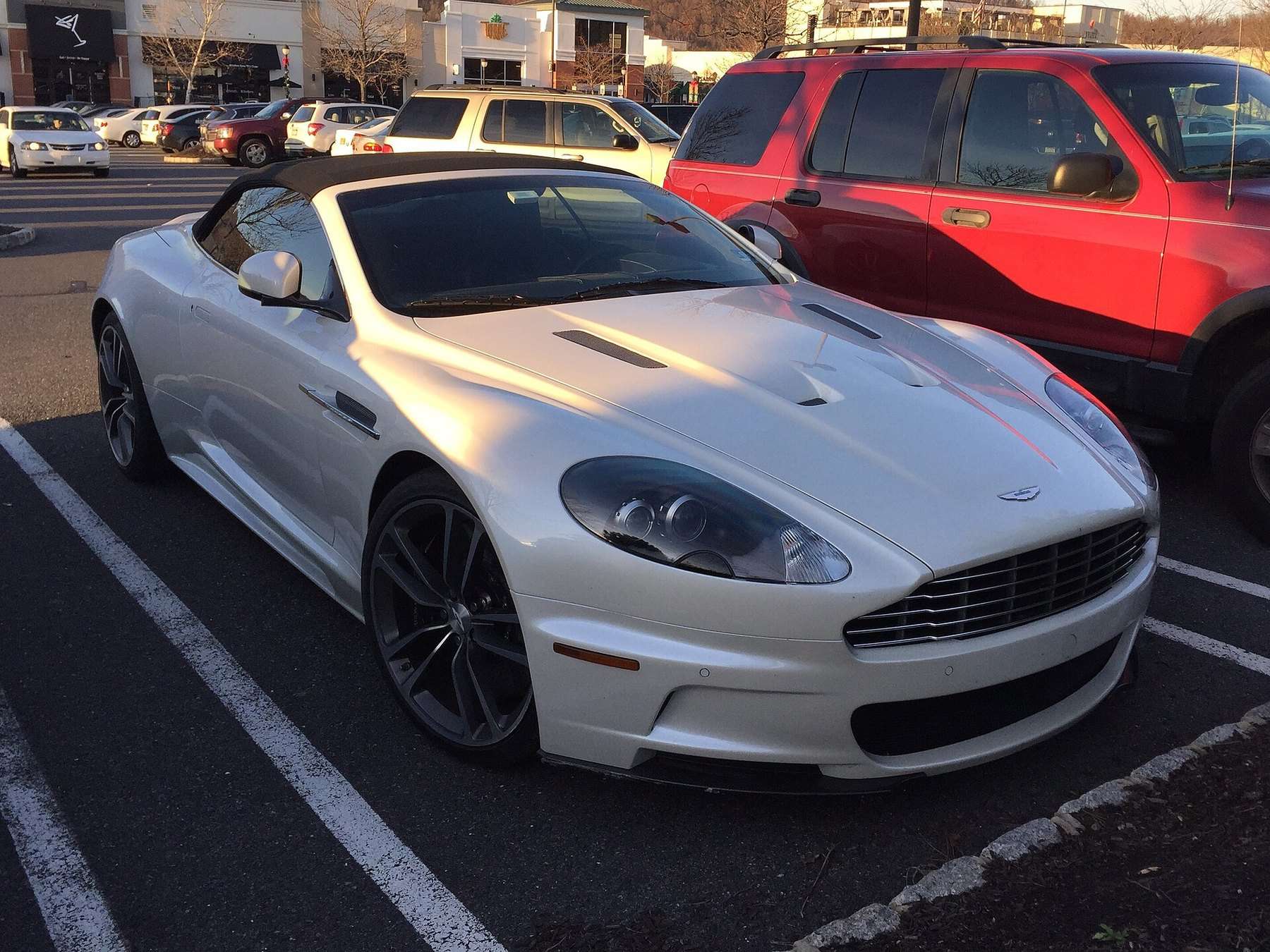
The Coupé is the more focused choice and the only route to the earliest manual specification. The Volante adds a powered fabric roof and open-air V12 character while retaining the same 510 bhp engine. Inspect its hydraulic operation, seals, rear glass, drains and carpets for moisture.
Buy on history and condition rather than colour or low mileage. The strongest DBS has evidence for annual servicing, ignition and cooling work, healthy brakes and dampers, two functioning keys and undamaged composite bodywork. A specialist diagnostic and lift inspection can prevent a beautiful but deferred-maintenance car from becoming a very expensive first year of ownership.
Sources and further reading
- Aston Martin: DBS and DBS Volante official history and specifications
- Aston Martin Media: 2007–2012 DBS archive
- Aston Martin: history of the DBS nameplate
- Aston Martin Owners Club regional guide: VH-platform inspection and ownership issues
- evo: used VH-era Aston Martin market and ownership guidance
Continue the Aston Martin story
The second DBS combined DB9 proportions with lighter materials and harder-edged chassis technology, becoming the flagship bridge between the first Vanquish and the 2012 Vanquish. Explore the complete Aston Martin hub. Compare the contemporary DB9. Read the first V12 Vanquish guide.
Frequently asked questions
When was the second-generation Aston Martin DBS built?
The V12 DBS entered production in 2007 and continued until 2012; the DBS Volante joined the range in 2009.
What engine does the 2007 Aston Martin DBS use?
It uses a 5,935 cc naturally aspirated V12 producing 510 bhp, driving a rear-mounted transaxle.
Was the Aston Martin DBS available with a manual gearbox?
Yes. A six-speed manual was standard at launch, and a six-speed Touchtronic 2 automatic became available later.
Does the Aston Martin DBS have carbon-ceramic brakes?
Yes. Carbon-ceramic discs were standard, with 398 mm front and 360 mm rear rotors.
What should be checked before buying a DBS?
Check clutch or automatic transmission health, carbon-ceramic brakes, adaptive dampers, cooling, ignition, electrical systems, composite body repairs and complete specialist history.