UNUSUAL CARS MODEL GUIDE
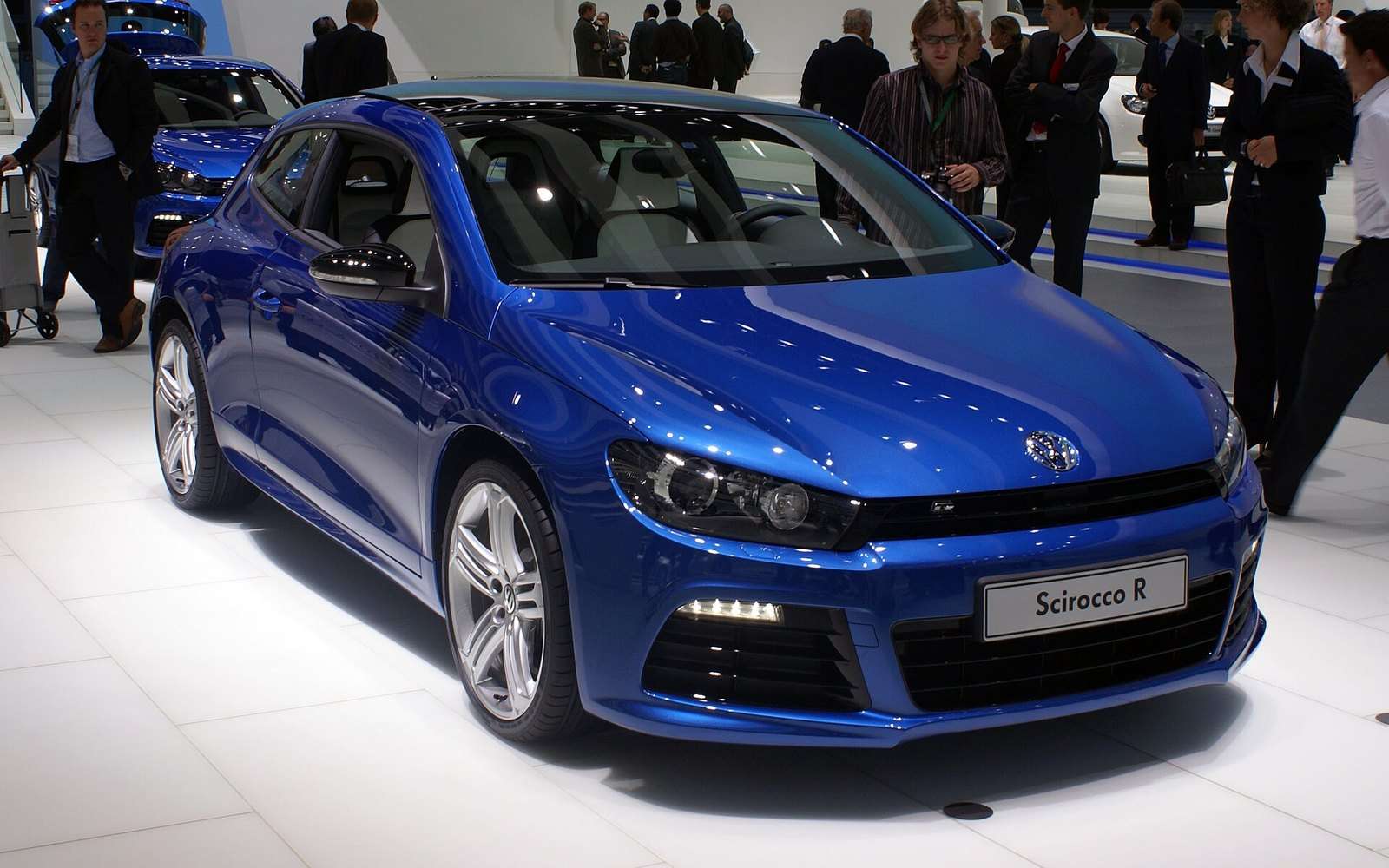
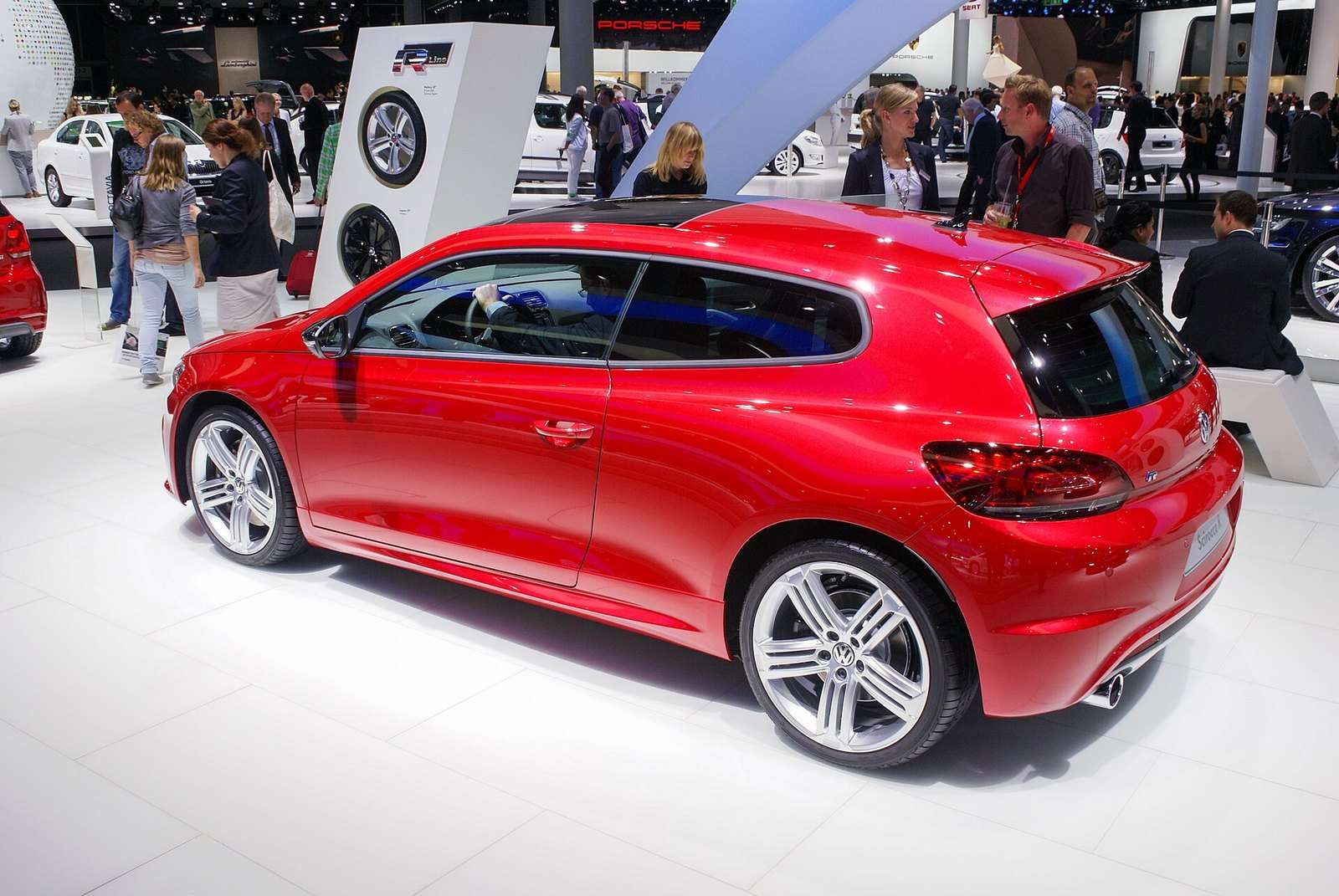
The Scirocco R gave Volkswagen’s third-generation coupé the engine and chassis focus its shape promised. Launched in 2009 with 265PS from a turbocharged 2.0-litre EA113 engine, it remained front-wheel drive and used an electronic differential function rather than the Golf R’s 4MOTION system. That made it lighter, sharper and unusually characterful.
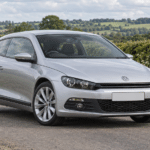
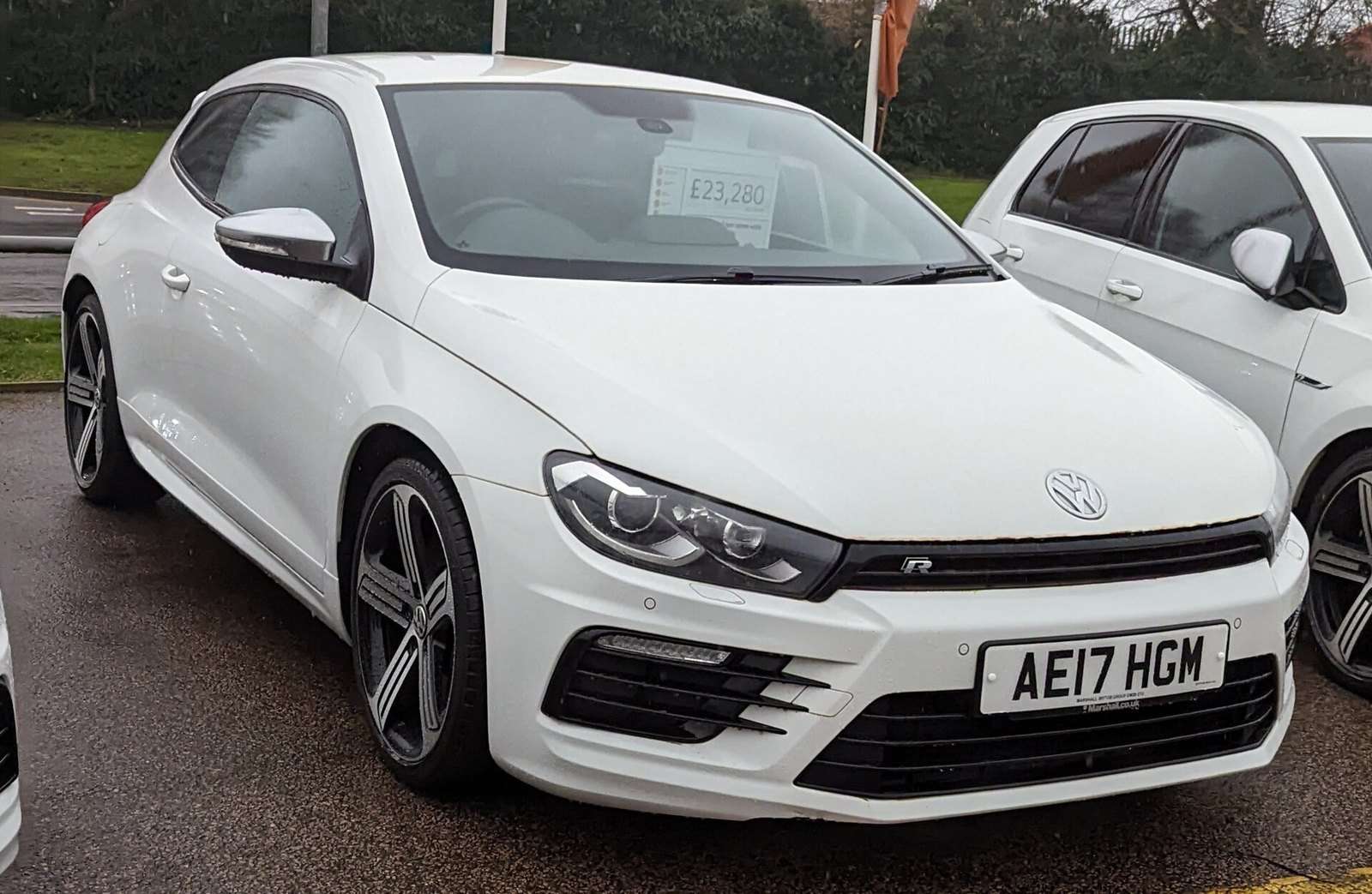
Featured image: Volkswagen Scirocco R front three-quarter view. Photograph by Calreyn88, CC BY-SA 4.0, via Wikimedia Commons; locally hosted.
From concept to production R
The R arrived one year after the standard third-generation Scirocco. Its 1,984cc turbocharged engine produced 265PS and 350Nm, enough for 0–62mph in roughly 6.0 seconds with DSG and a 155mph electronically limited maximum. Buyers could choose six-speed manual or six-speed DSG.
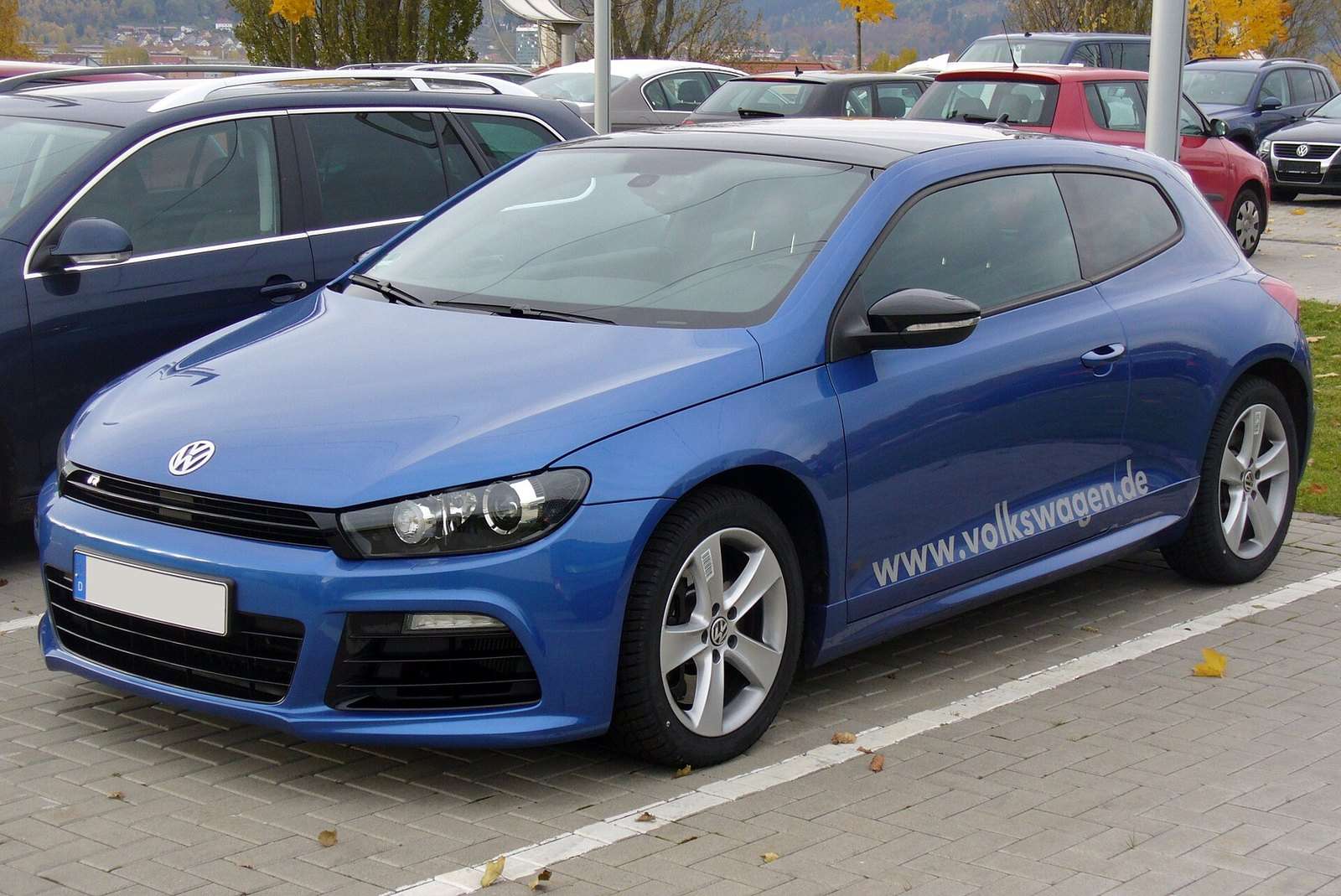
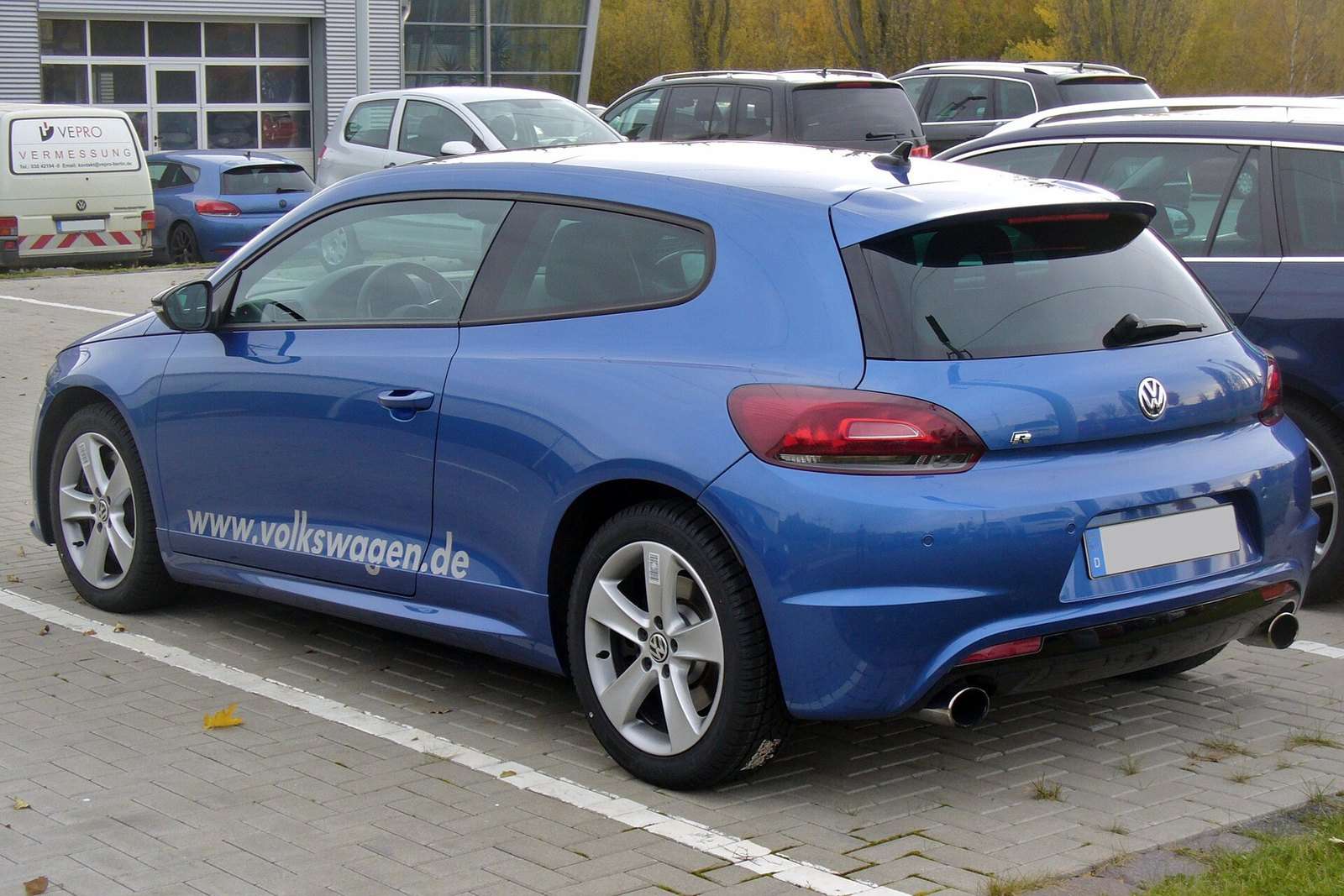
Volkswagen retained front-wheel drive, using XDS electronic brake intervention to reduce inside-wheel spin. A lower sports suspension, larger brakes, 19-inch wheels, deeper bumpers and oval exhaust outlets completed the package.
UK versions and facelift
Early UK cars were rated at 265PS. The 2014 facelift brought revised styling, updated instruments and, in some European specifications, output of 280PS; individual UK cars should be checked against their build and registration records rather than assumed from appearance. Volkswagen built 15,837 Scirocco Rs across the model’s life.
The R-Line trim can look similar but is not an R. A genuine car has the high-output EA113 engine, R brakes, suspension and identification. Repaired, modified and imported cars need extra scrutiny because trim alone is easy to copy.
| Specification | Scirocco R |
|---|---|
| Engine | 1,984cc turbocharged EA113 four-cylinder |
| Early output | 265PS and 350Nm |
| Drive | Front-wheel drive with XDS |
| Gearboxes | Six-speed manual or DSG |
| Production | 15,837 |
Love cars you don’t see every day?
Get forgotten cars, surprising motoring stories and the most interesting finds from Unusual Cars by email.
Free to join. No spam. Unsubscribe whenever you like. See our privacy policy.
EA113 engine and turbo
The belt-driven EA113 is well understood but has important service points. Verify cambelt, tensioner and water-pump replacement by date and mileage. The high-pressure fuel-pump cam follower is a small part whose failure can damage the camshaft and pump, so periodic inspection is sensible.
PCV and diverter valves, coils, plugs, injectors and thermostat assemblies can cause poor running. Turbo seals and bearings suffer on heavily tuned cars. Check cold start, boost delivery, smoke, oil consumption and fuel trims, then inspect the intake and exhaust for undocumented changes.
Manual, DSG and front-wheel-drive chassis
Manual cars need a clean second-gear shift and a clutch that holds full boost; tuned examples often overwhelm the standard clutch. DSG needs regular oil and filter service and should engage smoothly when cold and hot. Hesitation or warning messages require diagnosis.
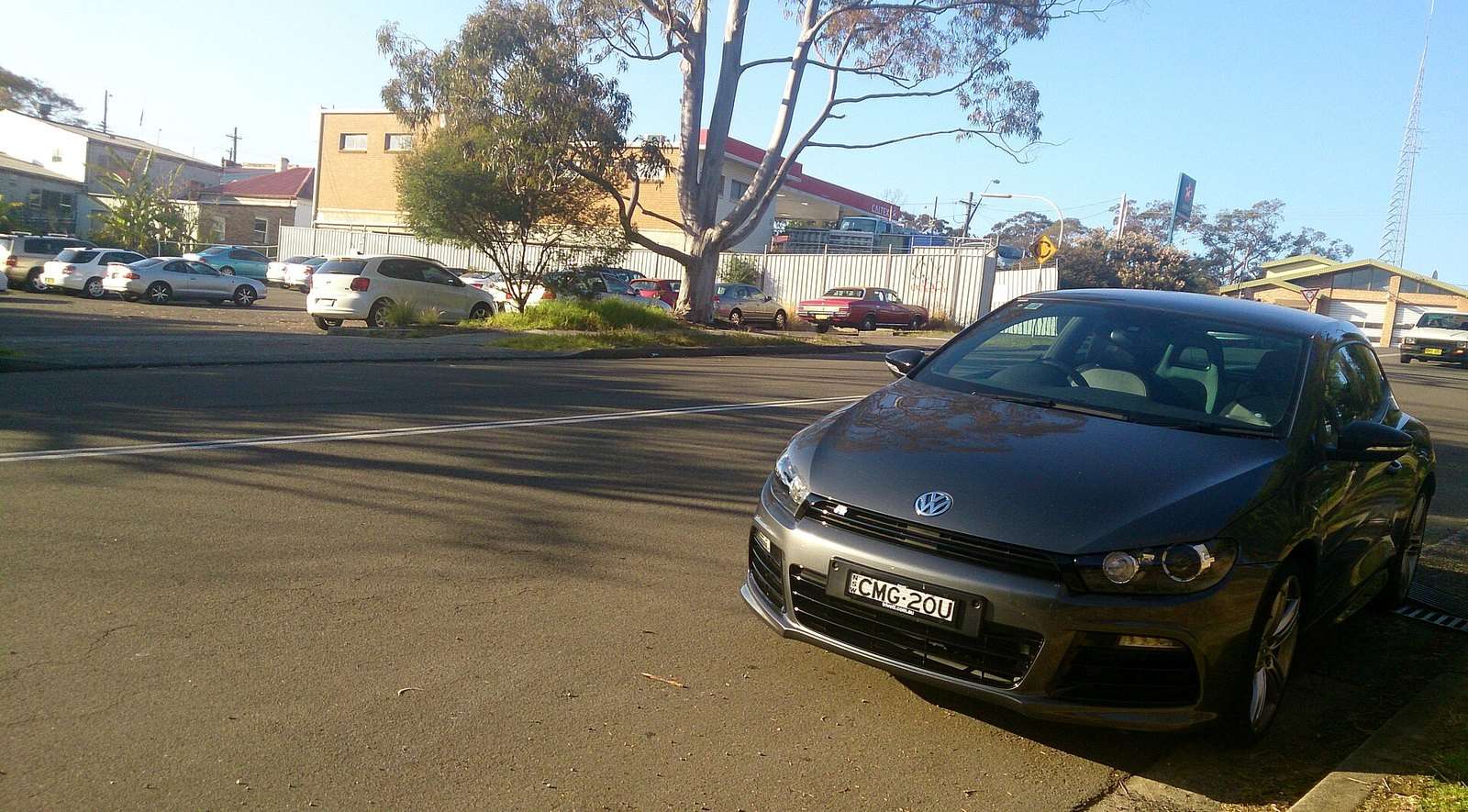
Check front tyres for wheelspin damage and uneven wear. Worn front bushes, links, top mounts and dampers spoil the steering, while cracked springs and seized brake components are age-related risks. The Scirocco R diagnostic guide covers useful electronic checks.
Body, cabin and ownership
Inspect frameless-window seals, door glass alignment, tailgate drainage, bonnet and bumper fit, xenon lamps and 19-inch wheels. Test climate control, adaptive dampers where fitted, navigation, parking sensors and every switch. A failed glovebox latch is minor; water ingress or multiple warning lights are not.
The Scirocco is unusually practical, with two proper rear seats and a useful boot, but rear visibility is limited. Insurance and tyre costs reflect its performance. A standard car with four quality tyres and complete servicing is more valuable than a powerful but poorly documented project.
Buying checklist
Confirm it is an R, not an R-Line
Check engine code, brakes, identification and build data rather than body trim.
Inspect the fuel-pump cam follower
Evidence of preventative inspection is reassuring on an EA113 engine.
Treat tuning as a maintenance question
Ask who mapped it, what hardware supports the output and how often fluids and plugs were changed.
References
Continue the Volkswagen story
Explore the complete Volkswagen hub for more rare, sporting and technically unusual models.
Frequently asked questions
Is the Scirocco R four-wheel drive?
No. It is front-wheel drive and uses XDS electronic brake intervention rather than 4MOTION.
How much power does the Scirocco R have?
Early cars produce 265PS and 350Nm; later facelift specifications varied by market and can be rated at 280PS.
What engine does it use?
A turbocharged 1,984cc EA113 four-cylinder related to the engine used in the Mk5 Golf GTI and contemporary Audi S3.
Was a manual Scirocco R sold in the UK?
Yes. UK buyers could choose a six-speed manual or six-speed DSG.
What is the key preventative check?
Cambelt history and periodic high-pressure fuel-pump cam-follower inspection are especially important.